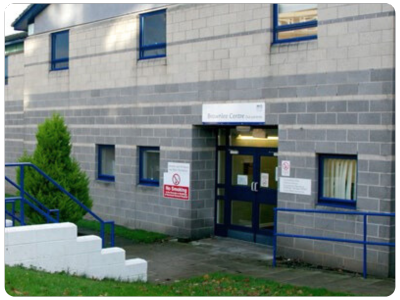
The Brownlee Centre is based at the Gartnavel General Hospital, Glasgow. The Brownlee Clinic looks after approximately 2000 people living with HIV infection, as well as many people with other medical conditions. The Kantilal Sleep Investigation Unit is also based at the Brownlee Centre. All adult outpatient HIV care in NHS Greater Glasgow and Clyde is based here and is free of charge. Paediatric HIV services are delivered at the Royal Hospital for Children Glasgow.
To change an appointment, to cancel an appointment or to leave a routine message with any member of staff please call the Brownlee Clinic Reception on 0141 211 1074 or 0141 232 2175.
If you feel unwellor are in need of urgent medical help: please contact your GP or NHS 24 (PHONE 111). If necessary, they will contact staff at the Brownlee Centre for specialised medical advice.
The nearest sanctuary to the Brownlee Centre is situated just inside the main entrance to Gartnavel General Hospital on the ground floor, on the right-hand side before the Deco Coffee Shop.
The chaplain’s office is in the corner of the Gartnavel General Hospital sanctuary.
Clinical nurse specialists can be found across a range of different medical specialties and long term conditions e.g. Coronary Heart Disease, Rheumatoid Arthritis and Diabetes. They are nurses who are trained and focus on a particular disease and are qualified to provide clinical input to patient care in place of a doctor. Every patient attending the Brownlee Centre is allocated a CNS and their role is to link that person to the department. The CNS can be contacted for any enquiry that is related to the management of HIV.
Nurse led clinics
Patients attend nurse-led clinics when they are considered to be stable and they have a less clinical and more holistic approach that focuses on lifestyle choices and health improvement. These include alcohol intake, diet, exercise, smoking, recreational drug use, sexual health and social circumstances.
At the nurse led clinic you will be reviewed by one of the nurse specialist team, not necessarily your allocated nurse.
Our goal is that all patients can develop a relationship with the care team that is built on trust and clear communication. If you have an issue related to your HIV treatment and care, we encourage you to get in touch as early as possible – don’t wait until you have reached crisis point!
First Visit
At your first visit to the Brownlee, you will be seen by the out-patient nursing staff who will carry out initial blood tests and a few other checks. You’ll meet your specialist nurse and sexual health advisor, and you will be given written information about HIV and the support services available.
You will then be given an appointment to be seen at the consultant clinic to review your blood tests.
Consultant Physician in HIV Medicine
Consultant Physician in HIV Medicine
What is HIV medicine?
The aim is to control and suppress the HIV virus completely to levels where it is undetectable in the blood – an undetectable viral load. This is done by making sure each patient has the correct course of antiretroviral medication. You will need to take this medication for the rest of your life, so decisions are based on a number of things, including evidence that will affect the future e.g. will a person’s work affect how and when they can take their medication?
What is the role of an HIV consultant?
The consultant leads a patients care and has overall responsibility for making sure a long term plan is in place. They check and double check all the information relevant to your care through review, reflection and ensuring safe systems are in place. Your named consultant will be either an infectious disease or genitourinary medicine consultant, who specialises in HIV medicine.
What other doctors might a patient see?
You won’t always see your named consultant when you attend and this might be because of rotas, other clinical commitments and to allow trainees to gain experience. You might see registrars who are fully qualified doctors that are training to become HIV specialists.
However, all the decisions about your care ultimately lie with your named consultant.
What is the most important message you have for patients?
Engage with the whole service – all of your appointments are important and enable us to work with you to provide the best possible care. If you are unable to attend, please get in touch with us. Don’t wait until crisis point or until the last tablet. Provide feedback and communicate with us.
Counselling
Counselling
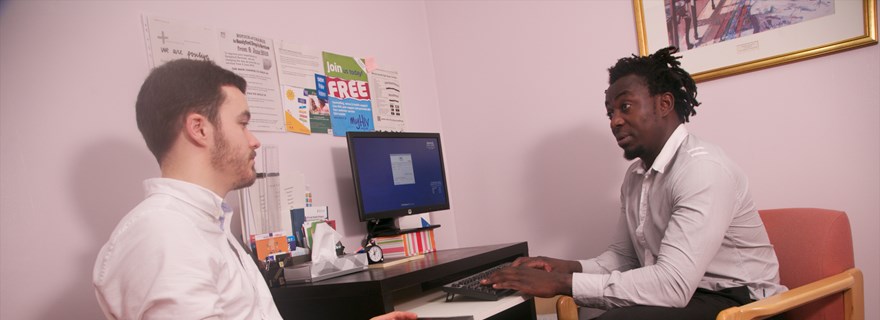
The counselling team at the Brownlee provides help to people who are infected or affected by HIV and/or Hepatitis C. We offer a range of psychological interventions that aim to maintain positive emotional health and wellbeing.
The counsellors offer a confidential, safe and non-judgemental space where clients can talk through their issues and concerns. Clients can refer themselves or ask any healthcare professional to refer them.
Some of the services the counselling team provide are:
Urgent psychological support and advice
One-One counselling: face to face, by video or by telephone
Group counselling
Patient support groups
Person centred counselling
Integrative therapies
Trauma counselling
Addiction therapies
Dietitian
Dietitians are health professionals who can assess, diagnose and treat dietary and nutritional problems.
The Dietitian service at Brownlee can help people with:
Advice on a healthy, nutritionally balanced diet
Assist in maintenance of healthy weight and muscle stores
Optimise nutritional status
Encourage a positive approach to eating
If you have concerns about any aspect of your nutrition you should discuss this with a member of the Brownlee team who can then make a referral on your behalf.
Free Condoms Service
Free Condoms Service
Free Condoms are provided to anyone who lives, works or studies in the NHS Greater Glasgow and Clyde area.
The service has been designed to be user friendly for both the service user and condom distribution outlets. It is discreet and simple with no requirement to register or answer questions. You can get your free condoms and lubricant from one of the many participating outlets. Go to the Free Condoms Website for more information.
HIV and Pregnancy
HIV and Pregnancy
If you or your partner are living with HIV and thinking about having a baby we would encourage you to discuss this with your doctor or Specialist nurse beforehand or let them know as soon as you know you are pregnant.
We can give advice on antiretroviral medication in pregnancy, how to become pregnant safely, how to ensure you remain well during pregnancy and how we will work together to prevent mother to child transmission of HIV.
During pregnancy, the HIV team work closely with the Blossom team based in Princess Royal Maternity and we recommend women living with HIV attend PRMH for antenatal care. We provide a joint clinic with the HIV doctor and nurse, obstetric doctor, midwife and a neonatal doctor (who will look after the baby at birth) and can provide all your care in one place during pregnancy and in the weeks after baby is born.
There is good evidence that a range of psychological interventions can make a considerable difference to the long-term health and well-being of someone living with HIV, including how well they manage their condition and adhere to treatment.
We offer each patient an appointment with a member of the counselling team for a WELL-BEING assessment which is an opportunity to find out if there are emotional and psychological issues that may require support and treatment. It is also an opportunity to identify social, financial or indeed any other problems that you may need help with.
Treatment may be in the form of ongoing counselling, anxiety and stress management, attendance at a support group, or mental health care and treatment.
Occupational Therapist
The Occupational Therapy (OT) service provides specialist assessment and treatment to help individuals develop, regain or maintain the skills necessary to participate in all areas of their lives. Occupational Therapy gives people the ‘skills for the job of living meaningful and satisfying lives’.
At the Brownlee, the OT service receives a wide range of referrals, commonly related to memory, fatigue, anxiety, depression, sleep problems and social isolation. The OT service can be accessed through any staff member and individuals can self refer.
OT service may include:
Assessment and management of fatigue
Anxiety Management training
Advice and support to access work, leisure and community facilities
Liaison with Community Occupational Therapist for environmental adaptations
Advice and support for carers and families
Liaison and referral to community services and projects ie Impact arts, flourish house, access to work, Waverly Care,
Assessment of activities of daily living eg meal preparation, self care, shopping
Provision of equipment to improve functional status, and increase independence.
During your appointment with the Occupational Therapy service you will be given the opportunity to discuss any issues you are experiencing and work collaboratively with the OT to develop goals and strategies. The majority of appointments will be one to one with the Occupational Therapist or Assistant Health Practitioner, however there are sometimes opportunities for group work.
Outpatient Nurse
Outpatient Nurse
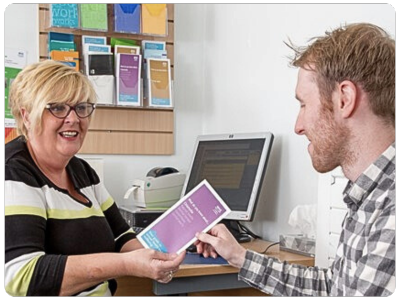
As some of the first friendly faces you will meet at your visits here at the Brownlee, the Outpatient Nursing Team are committed to providing care and support to patients and their families and friends. The Outpatient Nursing Team are the central “link” in the multi-disciplinary team. Managing the lists of separate clinics, we carry out a very varied role, helping co-ordinate a patients journey as well as
Referring to most appropriate part of the service
Running a nurse led phlebotomy (blood testing) service
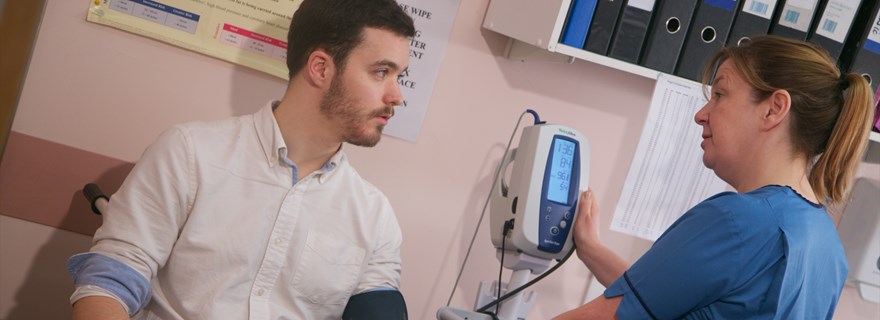
Co-ordinating nursing tasks such as vaccines, return appointments, diagnostic monitoring such as weight, BP and urinalysis. Routine sexual health screens are also carried out by the OPD nursing team.
Supporting and caring for patients
Peer Support
Peer Support
“I have hope for the first time (since diagnosis). It feels less traumatic. They really understood me.”
Brownlee Patient
Many people have questions surrounding their diagnosis, treatment or other issues related to living with HIV. Unless they know someone else living with HIV they often struggle to speak to someone who really understands things from their perspective.
The Peer Support Project provides a confidential environment for one HIV positive individual to meet with another more experienced HIV patient, who will listen to your concerns and fears and share what it’s like living positively.
The service is open to all current HIV positive patients in NHSGGC, regardless of how long they have been diagnosed, and who could benefit from speaking to another person living with HIV. This could be related to issues such as; shock of diagnosis, stigma, relationships, disclosure, work, social isolation, beginning treatment and other constraints or questions a person might have related to living with HIV.
“I was cynical…I did not expect the impact that meeting the peer has had. It has changed my outlook totally.”
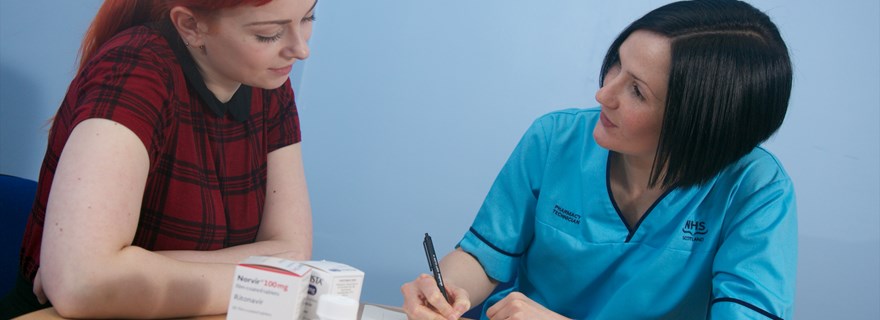
The pharmacy team dispense medications and make sure they are safe and effective. They also ensure that your HIV medication is compatible with other medicines you might take or any other health conditions you may have.
Drug interactions are very common with antivirals and it is important for us to check in advance that medication is compatible to reduce the risk of treatment failures or drug toxicities. Patients and other medical professionals (eg GPs) are encouraged to check with the specialist pharmacy team before starting any new medicine including those purchased at the supermarket or community pharmacy or even any herbal products.
When a new antiviral is supplied, both at the outset of treatment or if changes to your medicines are required, a member of the team will discuss this with you. The aim of this is to provide you with practical information relating to how to get the best results from your medicines but also to give you the opportunity to ask any questions you may have about your new medicines or the service we provide.
We also offer a medication delivery service, which allows antivirals to be delivered to your home. It is only available to those patients who are stable on their antivirals, after discussion with their consultant. The company is called Lloyds Homecare – Tel: 0345 263 6135
If you have any questions regarding your medicines, your supply or taking other medicines, please don’t hesitate to call us on 0141 211 3383.
Our opening hours are as below:
Monday, Tuesday and Wednesday, 8.45am – 5.00pm (Closed 1.00pm – 1.45pm for lunch every day)
Thursday and Friday, 8.45am – 4.15pm (Closed 1.00pm – 1.45pm for lunch every day)
Saturday and Sunday, Closed
Sexual Health Advisors
Sexual Health Advisors
Attending the Brownlee Centre for HIV care there will be many opportunities to talk about your health and HIV treatment. However, you may wish to discuss other issues such as sex, relationships, condoms, or telling a partner about your diagnosis, but may not find there is the time or the opportunity to do so with your doctor.
Here are some of the areas that we can help with:
Safer sex and condoms
Negotiating safer sex with sexual partners
Telling someone (perhaps a sexual partner) you are HIV positive
Concerns about your sexual health and sexually transmitted infections
Lifestyle issues and living with HIV
Worries or concerns about your care and treatments
Using condoms
Using condoms when having penetrative sex (anal or vaginal) is the best way to significantly reduce the risks of HIV transmission. We now have lots of information available that condoms, used correctly and consistently, can prevent passing on HIV and just as importantly other sexually transmitted infections.
Using a water-based or silicon-based lube makes anal sex safe for both the insertive (top) and the receptive (bottom) partner. Using lubricant is not recommended for vaginal sex.
You can pick up a wide variety of condoms and lube completely free from a range of services and pharmacies. For more information see the Free Condoms Glasgow website.
Lower risk sex
There are some sexual activities that carry little or no risks of passing on HIV. For example oral sex (mouth to genital contact) is very low risk in terms of HIV transmission, as long as the mouth is healthy and no other infections are present. Activities such as kissing, hugging, touching or stroking, mutual masturbation, and rimming (tongue to anus contact) carry no risk of HIV transmission.
The risk of other sexually transmitted infections needs to be considered, particularly through oral sex.
Undetectable viral load
The information you get from your test results and discussions with your doctor about your viral load can help inform your choices around having sex. If your viral load has been undetectable for several months and you continue to take your anti-HIV drugs correctly without problems, the risks of HIV transmission during unprotected penetrative sex (anal or vaginal) is much reduced.
However not everyone is in agreement about how much the risk is reduced. Risks of other sexually transmitted infections and pregnancy issues also need to be considered when having unprotected sex.
You should discuss your Viral Load with your doctor or Sexual Health Adviser before making any decisions. More information on this is available from the National AIDS Manual (NAM) website.
What if my partner is HIV positive too?
It may seem obvious to think that if your sexual partner is HIV positive then there is no need to consider how you have sex together. This is not quite true. Apart from the risks of other sexually transmitted infections, the concern is the possibility of infection with more than one strain of HIV – or superinfection.
This could mean for example it is less likely to achieve undetectable viral load with anti-HIV drugs but the implications of this for your future health are not clear and not everyone is in agreement about the effects of this. Another concern is resistance to anti-HIV drugs being passed from person to person.
Re-infection or superinfection is less likely if you both have an undetectable viral load.
If this issue affects you it may be helpful to talk this through with your doctor at the Brownlee.
The following videos outline healthy lifestyle and pregnancy.
Eating Well in Pregnancy – Plus the Right Vitamins
Eating the Right Amount for You and Baby
Moving More for a Healthier Pregnancy
Drinking Enough Water When You’re Pregnant
Eating with Awareness – What is Mindful Eating?
Understanding Blood Sugar and Pregnancy Diabetes
Advice for Gestational Diabetes
Video 1: What is Gestational Diabetes?
In this video, we will answer some important questions about gestational diabetes; discussing what it is, the symptoms it can cause, how it can affect you and your baby, and the ways in which it can be treated.
Video 2: Healthy Eating, and an overview of the food groups
In this video, we will be discussing healthy eating, the Eat Well guide, an overview of the food groups and providing a detailed overview of carbohydrates.
Video 3: Portion sizes, smart swaps and meal patterns
During this video we will be discussing portion sizes, smart swaps, snack ideas, meal patterns and foods to include or avoid during pregnancy
Video 4: Breastfeeding, post-birth and lifestyle
In this video, we will be discussing breastfeeding, the benefits of breastfeeding, what will happen after your baby is born and general lifestyle changes.
Video 5: Frequently asked questions, links and contacts
In this video, we will answer some frequently asked questions, share useful links to access further information, and provide the best contact details for the NHSGGC Diabetes Dietitians.
Information in other languages
The Gestational Diabetes patient education videos were created by NHSGGC Diabetes Dietitians and have been translated into 5 languages. Each of the 5 videos will automatically play in sequence. They focus on healthy eating with Gestational Diabetes. Patients can contact or be referred to the Diabetes Dietitians for more detailed advice, if required
Videos 1-5, in Arabic
VIdeos 1-5 In Urdu
Was this helpful?
Yes
No
Thanks for your feedback!
On this page, you’ll find a collection of our newsletters, including our general Mental Health Snippet and our Aye Mind newsletter which looks at digital wellbeing and online safety for children and young people.
Mental Health Snippets
Our team produces and circulates a monthly mental health snippet that provides a range of information across the life course, including resources, research articles, reports, events, and learning opportunities. If you would like to sign up for our snippet, please contact ggc.mhead@nhs.scot.
A monthly newsletter that provides information, resources, and events related to digital wellbeing and online safety for children and young people as part of our Aye Mind project. If you would like to sign up, please contact ggc.mhead@nhs.scot.
Knowing what will happen before your appointment and during your ongoing care can help you to think about what questions to ask and what matters to you during the process. It can be helpful to think about questions you want to ask and what is most important to you about how you live your life.
This animation from the Patients Association sets out how you can make the most of the care you receive from the health and care system.
Additional support available at our hospital sites
Our Support and Information Services offer holistic support, including carers advice, listening services, health and lifestyle advice, community support groups, and assistance with complaints and other concerns.
It is vital that our patients and staff can communicate clearly to ensure high-quality services and care. We therefore provide a range of communications support for patients.
Patients may need this support because they are visually impaired, hearing impaired, have a learning difficulty, or because English is not their first language. It may be because they need support in terms of reading (literacy problems) or they have a condition which limits their ability to communicate.
Written Information
We can provide any of our information in your chosen format or language. This includes audio, easy read, Braille, large print, British Sign Language and community languages. Just ask a member of staff or contact us on the telephone number provided on the letter or information you have received.
Use the link below for information in other languages including how to use telephone interpreting to contact us.
Patients can access the telephone interpreting service to contact any NHSGGC service.
For example, you can use the telephone interpreting service to make an appointment with your GP, discuss medications with your Pharmacy, book a Maternity appointment or contact NHS 24.
An information leaflet is available in multiple languages. It explains how to use the service by calling or by using a mobile app. It provides codes specific to NHSGGC services so can only be used for this purpose.
Please note, for any healthcare appointment, it is the responsibility of NHS Great Glasgow and Clyde staff members to provide interpreting support. Make sure that your clinician/GP knows that you need interpreting support.
Interpreting Services – British Sign Language (BSL)
NHSGGC must ensure that BSL interpreting support is provided for you when you use our services. Please make sure your Clinician/GP knows that you need interpreting support so that they can arrange this with as much notice as possible.
In addition to providing face to face interpreters, the BSL Online interpreting service is available 24 hours a day, 7 days a week. This means that in an unplanned or emergency situation, staff can quickly link up to an interpreter at any time. It can also be used during hospital stays, or to enable you to communicate with staff if waiting for a face to face interpreter to arrive.
For people who are hard of hearing or who have hearing loss, we can access communication support such as lip speakers and note takers.
Deafblind communicators are also available as part of our interpreting service.
Waiting for your appointment (Waiting times)
Find waiting times for planned care hospital appointments in Scotland. In using this service from NHS Scotland and Public Health Scotland you can select a health board, appointment type, and department. If you’re on a waiting list, you should be able to find this information on your letter from your health board.
Managing your health while waiting for an appointment
You may be on a waiting list to see a healthcare specialist. Further information to support your health and wellbeing during this time can be found here:
Prehabilitation (Prehab) – Getting fit and ready for treatment
What is prehabilitation?
Prehabilitation (Prehab) is about you getting fit and ready for treatment. This is done by improving your health before you start any planned treatment/surgery and helps you cope better and recover faster. You can also think of this as Rehabilitation but Prehab happens before treatment, rather than after.
Prehab and me
Although this looks at people with a cancer diagnosis, Prehab should be considered for anyone with a health condition.
Setting yourself goals and having a plan in place to achieve them can help to motivate you by giving you a focus and direction, and helping you to feel productive. More information can be found here:
If you would like further support, please speak to your health care professional. The Support and Information service can also help to refer you to services that can help you. Information on how to contact them can be found here:
Preparing for surgery: Find out about your pre-operative assessment and getting fit for surgery
If you require surgery you can find more information about the Pre-Operative Assessment and how to prepare for your surgery. The service will help provide the tools and support you need to ensure you have the very best outcome from your operation.
Virtual Appointments and Digital Support – helping you attend appointments from your home/community location and supporting you to get on-line
What is a virtual appointment?
Near Me enables you to attend some health care appointments from the comfort and convenience of home or other suitable location e.g. community libraries via video call. The technology is safe and secure and is being used by many of our services. Near Me is for pre-arranged appointments and your health care professional will provide you with the relevant information if a video consultation is offered.
Watch the introduction to Near Me video
Further support and information on using Near Me for virtual appointments
You can find more information and support on the Near Me website, and also information on how to use Near Me in some of our local libraries on our Digital Support page.
Some of the people you might meet when you first access our services
What is Primary Care?
Primary Care is the everyday healthcare you use first. It’s where you go when you’re unwell, need advice, or aren’t sure what help you need.
You can get Primary Care from:
Your GP practice – for most health problems, checkups and referrals
Your local pharmacy – for quick advice and treatment for minor illnesses
Physiotherapists – for muscle, joint and movement problems
Nurses and Advanced Nurse Practitioners – for assessments, treatment and advice
Dentists – for teeth and mouth care
Optometrists (opticians) – for eye and vision problems
Community Links Workers – for support with wellbeing, money worries, stress, housing or loneliness
Watch this video to find out more about Primary Care
To help you feel confident in seeking the right help, we’ve highlighted some of our NHS Greater Glasgow and Clyde Primary Care services and the people you might meet.
When someone becomes ill, it can be stressful. Making simple plans now can make things much easier later.
Our Plan More, Stress Less toolkit gives you:
Easy checklists to help you get organised
A simple plan for getting home from hospital
You can also watch a recording of our “Plan More, Stress Less” webinar which explains all the different parts of the toolkit, what happens when someone goes into hospital and information for carers, including legal support.
It’s ok to ask – questions you can ask during your appointment to get the best our of your healthcare
It’s ok to ask questions during your appointment and it is your right to be involved as much or little as you want in decisions about your health and what treatment is right for you. You can also ask a family member or friend to attend an appointment with you. You are encouraged to ask questions about your condition, your treatment and care options. It’s ok for you to ask your health and care professionals the “BRAN” questions which are:
“What are the Benefits?”
“What are the Risks?”
“What are the Alternatives?”
“What would happen if I did Nothing?”
Your health and care professional should explain the benefits and risk of the options available to you. They should also discuss the option of doing nothing and what effects this could have. You should expect to be given enough information and time to make up your mind.
By asking these questions you will be able to make an informed choice about the treatment and care that’s right for you.
More information can be accessed through the following:
Found some advice but not sure where to start, or how to stick to it?
Whether you’re getting ready for appointments or managing your condition on your own just now, making some changes that help us manage our condition and feel our best can be important.
You may have read something in these pages which you would like to try.
Setting a small, realistic goal (even a tiny one!) and making a simple plan for how you’ll do it can make it easier to get started and stay motivated.
It can also help to think about what might get in the way and come up with a few ideas for how you could deal with those challenges.
My Health helps you find trusted information and support to improve your health and wellbeing. Whether you’re looking for something to read, watch or do, you’ll find practical advice, tools and resources to help you stay well and manage common health problems and conditions.
My Health offers something for everyone but is particularly helpful for people with long term conditions, like diabetes or chronic pain.
My Health can help you find information on:
Preparing for healthcare appointments
Health and wellbeing advice and local services
Support for common health problems and conditions
If you would like some help to access the information you need or if you would prefer to speak to someone face to face, you can visit one of our hospital-based Support and Information Services or your local library, where we have trained staff who can help guide you find trusted health information, local services and support that is right for you.
We know that life events and circumstances can affect your health and wellbeing. If you need additional support or cant not find what you are looking for, NHS inform provides trusted information and links to services across Scotland, including support for bereavement, grief, domestic abuse and more.
The WestMARC Wheelchair and Seating Service provides wheelchairs (manual and powered) and children’s buggies, with postural supports if required, to people requiring wheeled mobility that are living in the West of Scotland. Services provided include:
Clinical assessments
Provision of equipment (wheelchairs, buggies, seating systems) tailored to patient’s needs
Equipment repairs
Our team consists of administrative staff, technical staff, occupational therapists, physiotherapists, clinical scientists (bioengineers), nursing/medical staff and clinical psychology staff.
Making A Referral
New Service Users
Important Information
For anyone who has not used our service before, a referral form needs to be submitted by a healthcare professional or social worker registered with one of the following bodies:
Nursing and Midwifery Council
Health and Care Professions Council
General Medical Council
Scottish Social Work Council.
Wheelchair eligibility criteria
Please refer to the following information before making a referral.
Anyone who has used the wheelchair service before can self-refer if their conditions and/or requirements change by contacting the service directly for reassessment or advice.
Alternatively a healthcare professional can refer on their behalf by submitting a reporting form.
Please note, previously paediatrics and adults required separate reporting forms. We now have one reporting form which can be used for all service usersand devices e.g. wheelchairs, buggies and seating.
When the service receives a new referral it will be assessed by a clinician. The clinician will review the information and decide whether you require an assessment, or whether a chair can be issued from the information that has been provided. If an assessment is required, you will be added to the waiting list for a clinic appointment.
The New Paediatric Referral Form
The WestMARC Clinical Team have redeveloped the paediatric referral, please ensure you have read the guidance above before completing the new referral form. Thanks
Clinics are conducted within the centre and at many satellite locations across the West of Scotland. Your appointment letter will specify the location of your appointment.
West of Scotland Mobility and Rehabilitation Centre
Queen Elizabeth University Hospital 1345 Govan Road Glasgow G51 4TF
There is also a depot where the service’s equipment store, repair facility and technicians are located.
Drop in repairs available Monday to Friday 9.00am to 3.45pm.
The Motherwell hub is a smaller unit and we are unable to hold all parts, so please call 0300 790 0129 in advance to confirm parts are in stock to complete the repair.
WestMARC Yoker Depot
Unit 20 Halley Street New Albion Industrial Estate Yoker Glasgow G13 4DJ
WestMARC Motherwell
Unit 33 Fern Street Motherwell ML1 2AJ
Satellite clinic locations
Douglas Grant Rehabilitation Centre
Ayrshire Central Hospital Kilwinning Road Irvine KA12 8SS
Community Rehabilitation Unit 1st Floor – North Entrance Mountainhall Treatment Centre Bankend Road Dumfries DG1 4AP
Repairs
If your chair is in need of repair you should contact the service immediately. You might find Standard Wheelchair Parts helpful for explaining what part of the chair requires a repair.
Equipment is repaired free of charge by the service. Our mobile engineer repair service will usually visit and repair equipment at service users home or other suitable setting.
If a complex repair is needed than it may be necessary to bring the equipment into our workshop to carry out the work.
WestMARC Yoker depot and the WestMARC Motherwell Hub are open for drop in repairs Monday to Friday 9.00am to 3.45pm. Please see ‘Clinic Locations’ above for address details. Note, Motherwell hub is a smaller unit and we are unable to hold all parts, please call 0300 790 0129 in advance to confirm parts are in stock to complete the repair.
Equipment is loaned by the service and it is the service user’s responsibility to keep equipment in good condition.
Any accident or adverse incident that occurs with equipment provided from the service should be reported so that the service can record and followed up if necessary. This helps us to improve safety for all service users.
Please see video resources created by SMART Centre, Edinburgh on wheelchair demonstration/operation. Adult Manual Wheelchair video demonstrates transporting manual wheelchair into a vehicle.
The Motability Scheme helps you get mobile by exchanging your higher rate mobility allowance to lease a new affordable car, wheelchair accessible vehicle, scooter or powered wheelchair.
Power Chair Charging
Please see following advice on charging your electric powered wheelchair:
Please see Self Management – NHSGGC toolkit developed by NRU which educates and provides references for conditions, physical activity, getting out and about, psychological wellbeing and other helpful resources.
Hundreds of people in Scotland need the help of egg or sperm donors to give them the chance to become parents and the gift of starting a family.
The Scottish Government and NHS Scotland have launched the first national campaign of its kind to encourage people to become egg and sperm donors, with the four NHS tertiary Fertility Centres in Scotland (Aberdeen, Dundee, Edinburgh and Glasgow).
Donating your eggs or sperm is something that requires careful consideration, but if it’s right for you then you have the potential to give the joy of starting a family to those people in Scotland, who need the help of donors to become parents.
We use cookies to analyse traffic to our site and to enable certain functions such as forms and embedded videos. These do not collect personal information. By clicking "Accept All", you consent to our use of cookies, or you can customise the options.
This website uses cookies
Websites store cookies to enhance functionality and personalise your experience. You can manage your preferences, but blocking some cookies may impact site performance and services.
Essential cookies enable basic functions and are necessary for the proper function of the website.
Name
Description
Duration
Cookie Preferences
This cookie is used to store the user's cookie consent preferences.
30 days
CloudFlare provides web performance and security solutions, enhancing site speed and protecting against threats.
Sequence rules uses cookies to track the order of requests a user has made and the time between requests and makes them available via Cloudflare Rules. This allows you to write rules that match valid or invalid sequences. The specific cookies used to validate sequences are called sequence cookies.
session
cf_ob_info
The cf_ob_info cookie provides information on: The HTTP Status Code returned by the origin web server. The Ray ID of the original failed request. The data center serving the traffic
session
cf_chl_rc_m
These cookies are for internal use which allows Cloudflare to identify production issues on clients.
session
__cfruid
Used by the content network, Cloudflare, to identify trusted web traffic.
session
__cf_bm
Cloudflare's bot products identify and mitigate automated traffic to protect your site from bad bots. Cloudflare places the __cf_bm cookie on End User devices that access Customer sites that are protected by Bot Management or Bot Fight Mode. The __cf_bm cookie is necessary for the proper functioning of these bot solutions.
session
__cflb
When enabling session affinity with Cloudflare Load Balancer, Cloudflare sets a __cflb cookie with a unique value on the first response to the requesting client. Cloudflare routes future requests to the same origin, optimizing network resource usage. In the event of a failover, Cloudflare sets a new __cflb cookie to direct future requests to the failover pool.
session
_cfuvid
The _cfuvid cookie is only set when a site uses this option in a Rate Limiting Rule, and is only used to allow the Cloudflare WAF to distinguish individual users who share the same IP address.
session
cf_clearance
Whether a CAPTCHA or Javascript challenge has been solved.
session
cf_use_ob
The cf_use_ob cookie informs Cloudflare to fetch the requested resource from the Always Online cache on the designated port. Applicable values are: 0, 80, and 443. The cf_ob_info and cf_use_ob cookies are persistent cookies that expire after 30 seconds.
session
__cfwaitingroom
The __cfwaitingroom cookie is only used to track visitors that access a waiting room enabled host and path combination for a zone. Visitors using a browser that does not accept cookies cannot visit the host and path combination while the waiting room is active.
session
cf_chl_rc_i
These cookies are for internal use which allows Cloudflare to identify production issues on clients.
session
cf_chl_rc_ni
These cookies are for internal use which allows Cloudflare to identify production issues on clients.
session
Statistics cookies collect information anonymously. This information helps us understand how visitors use our website.
We use Microsoft Clarity to understand how users interact with our website, including information such as clicks, scrolling and navigation behaviour, to help improve our services.
Microsoft Clarity uses cookies and similar technologies. These are only set if you accept analytics cookies.
If you choose not to accept analytics cookies, Clarity will operate in a limited mode using non-cookie-based data, which does not track users across pages or visits.
The data collected is behavioural and technical in nature and does not directly identify individuals. Sensitive information such as names, email addresses and form inputs is automatically hidden and not recorded or viewed.
Some information, such as device and approximate location data will still be collected and is treated as personal data in accordance with data protection legislation.
This will not be used for any purpose other than analytics and will not be used to identify you.
We use Microsoft Clarity to understand how users interact with our website, including information such as clicks, scrolling and navigation behaviour, to help improve our services.
Microsoft Clarity uses cookies and similar technologies. These are only set if you accept analytics cookies.
If you choose not to accept analytics cookies, Clarity will operate in a limited mode using non-cookie-based data, which does not track users across pages or visits.
The data collected is behavioural and technical in nature and does not directly identify individuals. Sensitive information such as names, email addresses and form inputs is automatically hidden and not recorded or viewed.
Some information, such as device and approximate location data will still be collected and is treated as personal data in accordance with data protection legislation.
This will not be used for any purpose other than analytics and will not be used to identify you.