The local staff awards are popular across all Directorates and HSCPs as they enable all areas to recognise and show appreciation to colleagues who have gone the extra mile. Everyone can give their own examples where amazing care or services have been delivered under hugely challenging conditions and staff have nominated the colleagues who they think most deserve recognition for their stand-out efforts, skills and commitment.
Presentations have been held in each local Directorate and HSCP to award the winners in categories including Employee of the Year, Team of the Year, Leader of the Year, Innovation of the Year and Volunteer of the Year, with the overall winner announced at the Celebrating Success Staff Awards Event on 4th May 2023.
You can find out more about each of the overall winners in each category below, read about the nominees who were shortlisted, and you can also view photos and videos.
Congratulations to all the winners!
Local Staff Award Winners
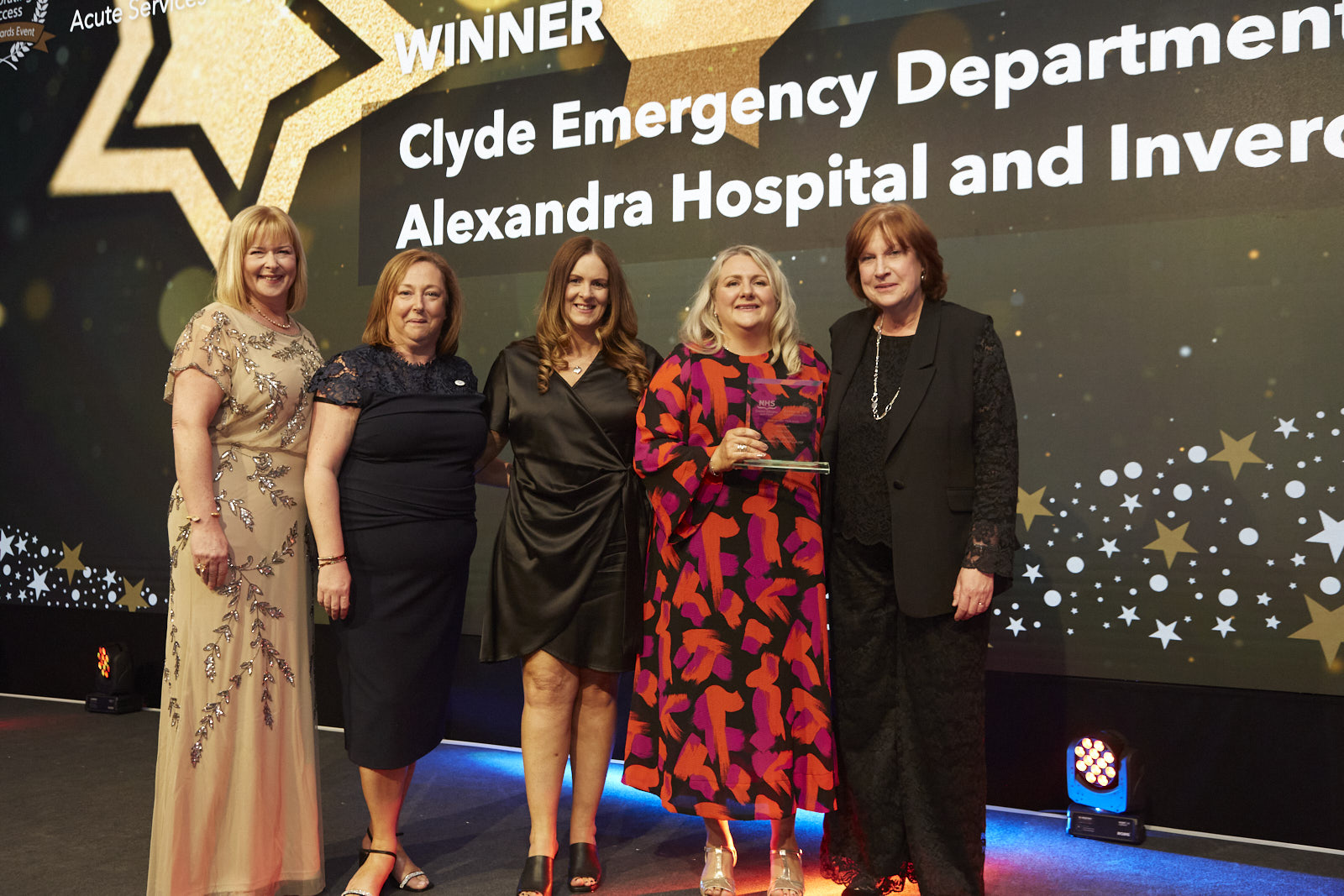
Acute Services – Clyde Sector
Overall Winner – Clyde Emergency Department Team, RAH & IRH

Overall Winner Nominees
Team of the Year
Clyde Emergency Department Team, RAH & IRH
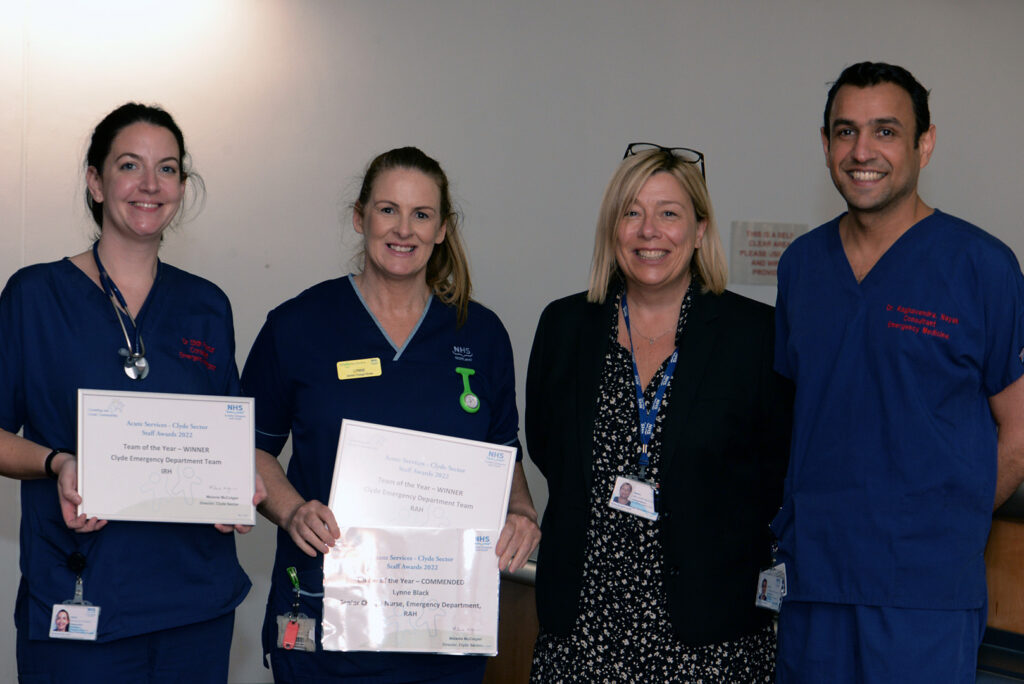
The entire multi-disciplinary ED team across both sites works determinedly and consistently to provide quality unscheduled care 24/7, 365 days a year – this is what they do best. The team support each other through staffing shortfalls and significant workload challenges to ensure they continue delivering their core principle of compassionate and safe patient-centred care. A special mention is made to the ED Charge Nurses who work concertedly to maintain an overview of the department and manage nurse staffing.
The full multi-disciplinary team demonstrates a sense of camaraderie, belonging and cohesive working in managing the workload, delivering care, and supporting colleagues in other specialties.
Employee of the Year
Alison Adams, Ward Clerk, RAH
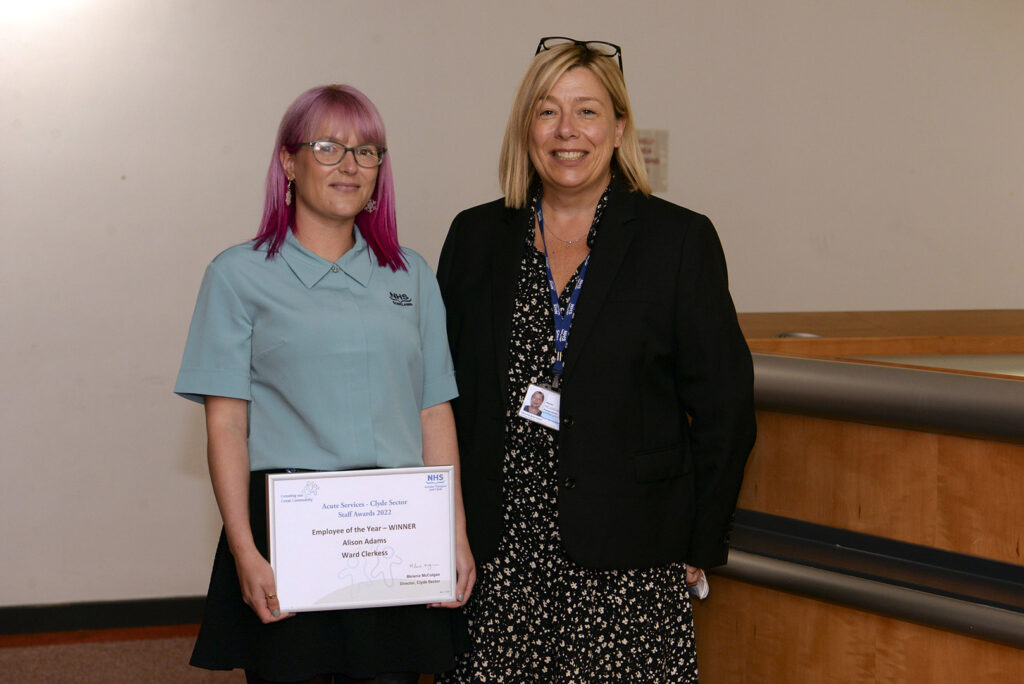
Alison has been a positive and consistent presence in all the wards she has worked in, as well as providing additional admin support to the Rheumatology service over many years.
She is very reliable & organised, supporting colleagues in a cheerful, calm, unassuming and competent manner, and is highly trusted by all those she works with. Her attributes were all the more valued during the pandemic and a time of uncertainty.
Alison knows the patients, familiarises herself with their diagnostic appointments, and is very efficient with all aspects of IT and documentation.
She uses her initiative, communicates updates to families and compassionately cares for distressed patients and relatives.
Leader of the Year
Donna McConnell, Lead Nurse, Infection Prevention & Control, Clyde Sector
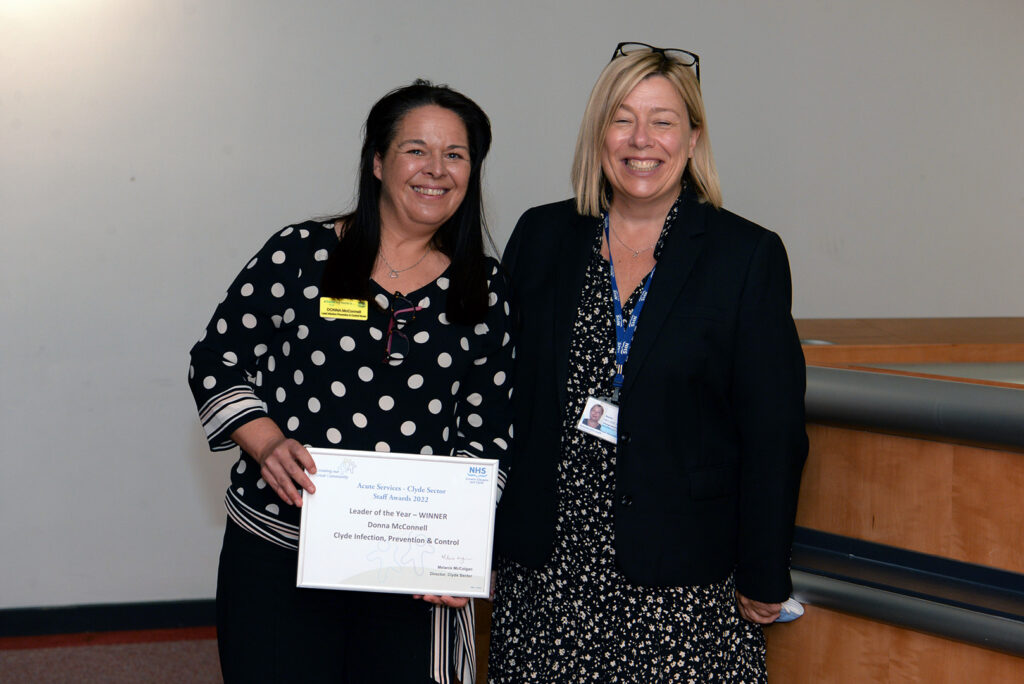
Donna has shown exceptional commitment to her role both during the pandemic and beyond. Her dedication to her role is admirable, often working in her own time across weekends and out of hours to support patient care, her own team and the wider clinical team in Clyde.
Donna is an example of exceptional leadership within the NHS, always performing her role with warmth, compassion and true professionalism.
Staff, patients and the Clyde senior management team have all benefited from Donna’s leadership which has supported safe patient care, ensuring patients are in the correct clinical areas, and teams supported to make safe decisions in often challenging circumstances.
Innovation of the Year
Dr Grant Wylie and Dr Donna Torley, Dermatology Service
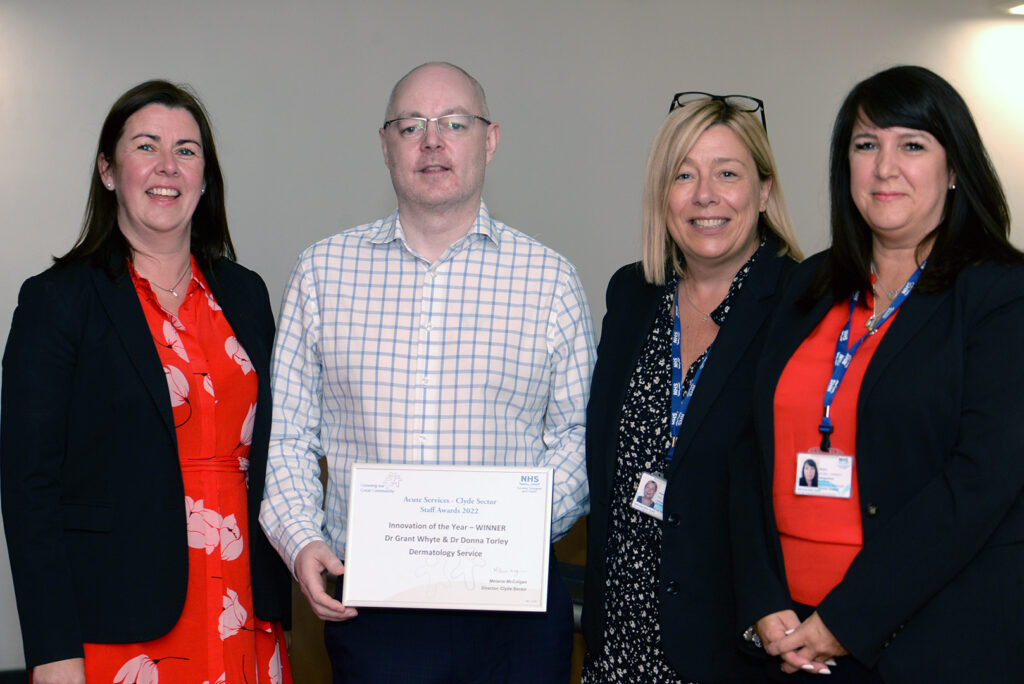
Dr Wylie and colleague, Dr Torley, piloted, revised and implemented a first Asynchronous Digital Dermatology appointment service (DDAS) in South Glasgow dermatology. This platform became invaluable during the pandemic and has been rolled out to other sectors.
DDAS allows patients to submit images and information of their skin condition, which a consultant reviews and suggests a treatment plan. This has many benefits to patients, including appropriate triage and keeps waiting lists down.
Dr Wylie has also been pivotal in many improvements and innovations with his IT expertise, which is appreciated widely by the Dermatology service and others
Volunteer of the Year
Margaret Gunduz, Volunteer, Discharge Lounge, RAH
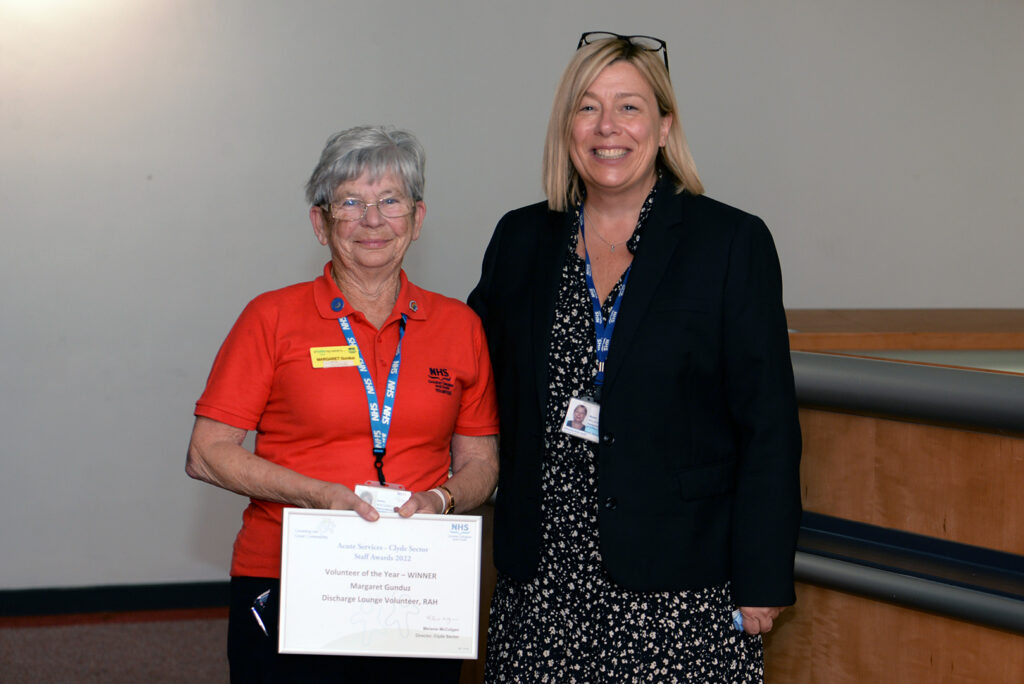
Margaret has been volunteering with NHSGGC since January 2020, but has worked in RAH for over 40 years.
In her role as Discharge Lounge volunteer, she provides companionship and stimulation for patients, offering a distraction whilst they wait to be discharged from their hospital stay. Margaret makes every patient feel supported and welcome with a smile and refreshments.
The Discharge Lounge SCN and Volunteer Manager describe their gratitude for Margaret’s generous commitment of time, care and incredible support, which benefits patients, families, department team and volunteer colleagues.
During the pandemic, Margaret was part of the Volunteer COVID Response team, when she contributed several shifts a week, helping with PPE distribution and as part of the valuable Give & Go team.
Acute Services – North Sector
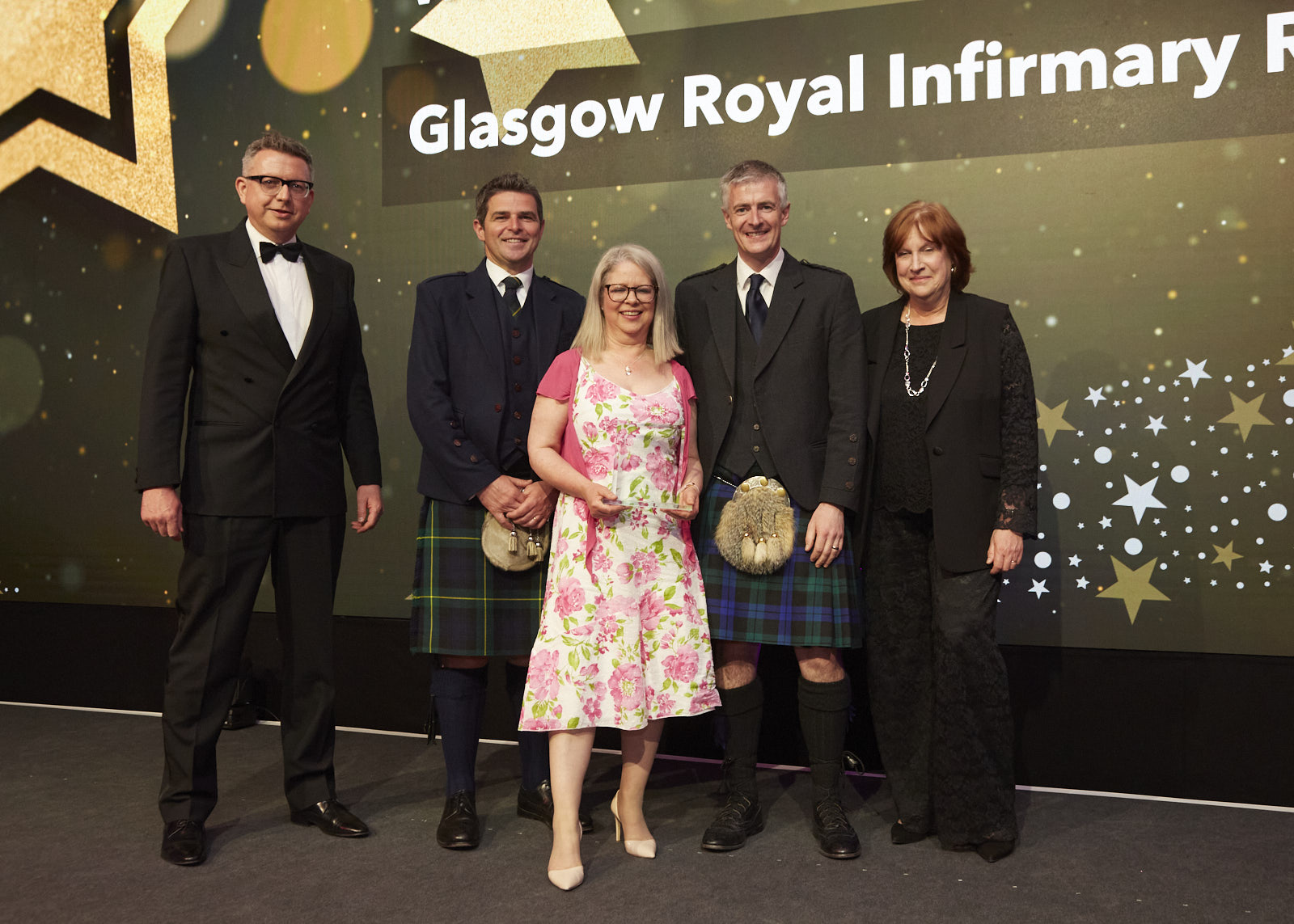
Overall Winner – Glasgow Royal Infirmary Robotic Team
Overall Winner Nominees
Colleague(s) of the Year Award
David McCarey, Deputy Chief of Medicine and Consultant Rheumatologist
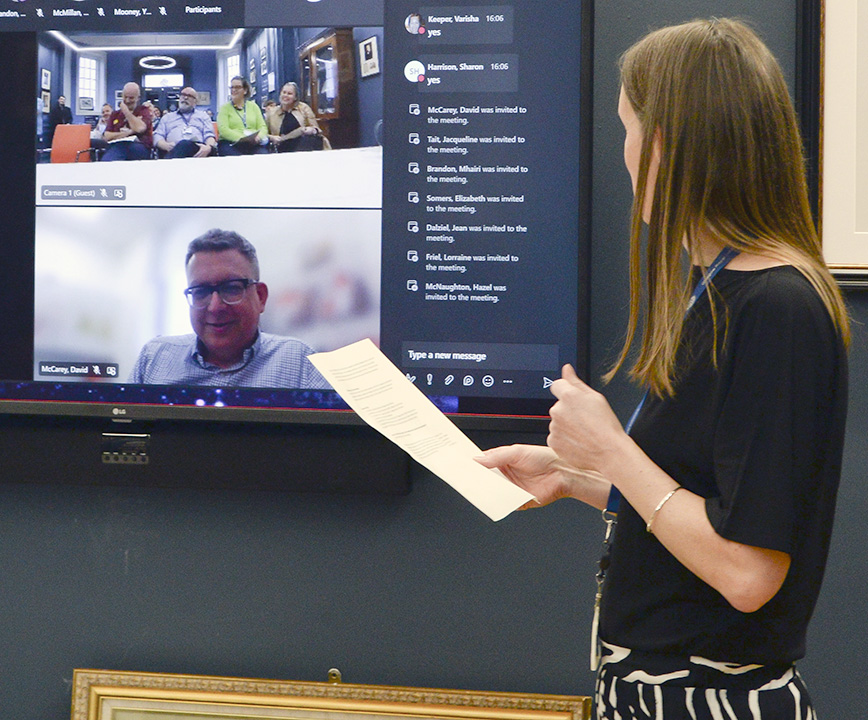
In leading and supporting the North Sector teams, David has made a significant positive impact on others and our organisational objectives.
He is approachable, supportive and professional in driving forward the goals of the organisation and has co-led one of the board-wide groups helping to shape the Gastroenterology model at GGC.
Always calm and with a smile, David is readily available for advice and guidance and has demonstrated a flexible and listening approach in responding to site pressures and additional capacity requirements.
David’s positive and engaging leadership has helped the site to maintain patient safety at times of significant pressure, in a way that staff feel supported. Thank you David for all that you do for the North Sector.
Patient Centred Care Award
Joint Winner: The Electrocardiogram (ECG) Department Glasgow Royal Infirmary – All Staff
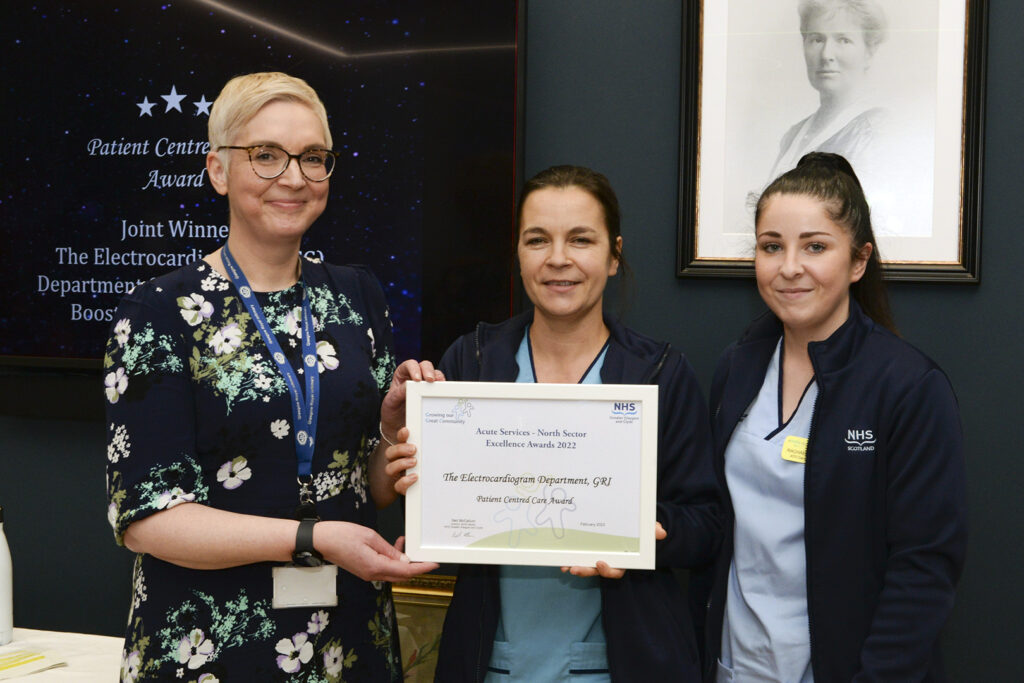
The ECG Department are completely patient centred in their genuine caring approach, 4listening responding quickly to requests and fitting extra patients on the list. The dedication, hard work, care and compassion of this team have resulted in waiting lists being reduced, appropriate management plans and more timely discharges.
They have created the feeling that teams care about our patients and have demonstrated how departments can work together for the good of our patients and their families. Their teamwork and patient centred ethos is so valuable in to management plans of patients and expediting discharges. If it was not for them the outpatient waiting list would be much longer.
Thank you to the ECG Team, your hard work is an inspiration.
Joint Winner: North Sector COVID Booster Vaccination Team, Mhairi Brandon, Lorraine Friel, Gayle Cargill, Craig Campbell, Elizabeth Hutton, Patricia Crawford, Amanda Hepburn, Charlotte Hillard
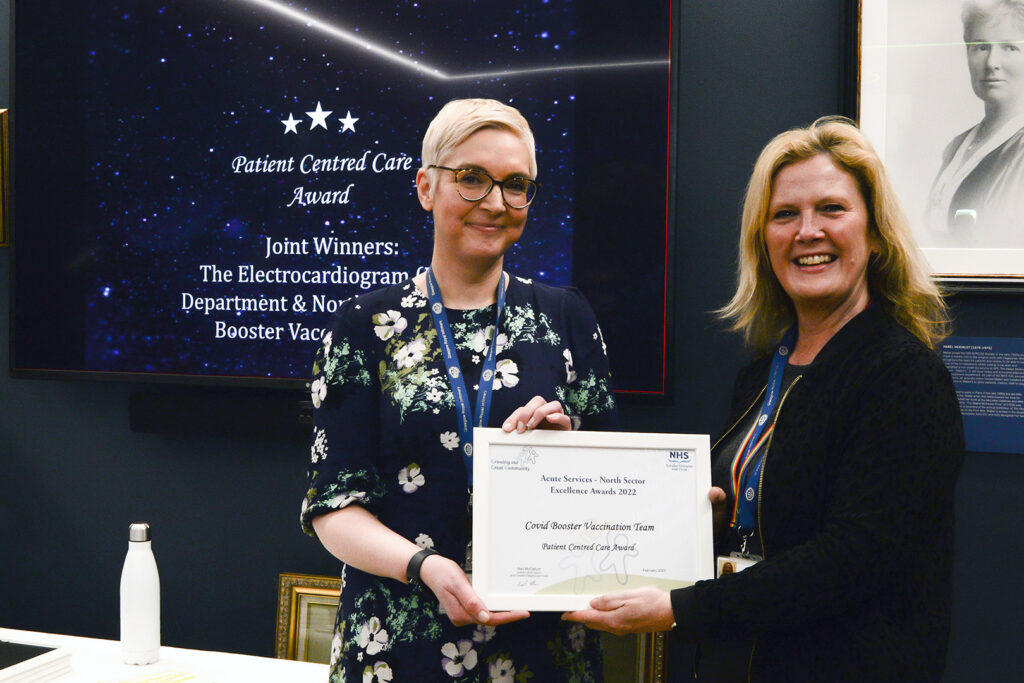
Working together in a true team approach to administer the COVID booster vaccination to in-patients at 3 North Sector sites, this team ensured patients were vaccinated while in hospital in a timely, caring and compassionate manner reducing the risk of COVID infection. They responded quickly to urgent requests, and built up a strong rapport with staff and seamlessly meeting demand despite there own services being remobilised.
Having local staff run the program was beneficial for staff and patients, but it was the patient centred and teamwork nature of this team that made all the difference. Thank you team for your dedication to patient centred care and team working.
The Rainbow Award
North Sector Site Flow Team – Kim Fitzpatrick, Alistair McKinnon, Anna Syme and Julie Caldwell
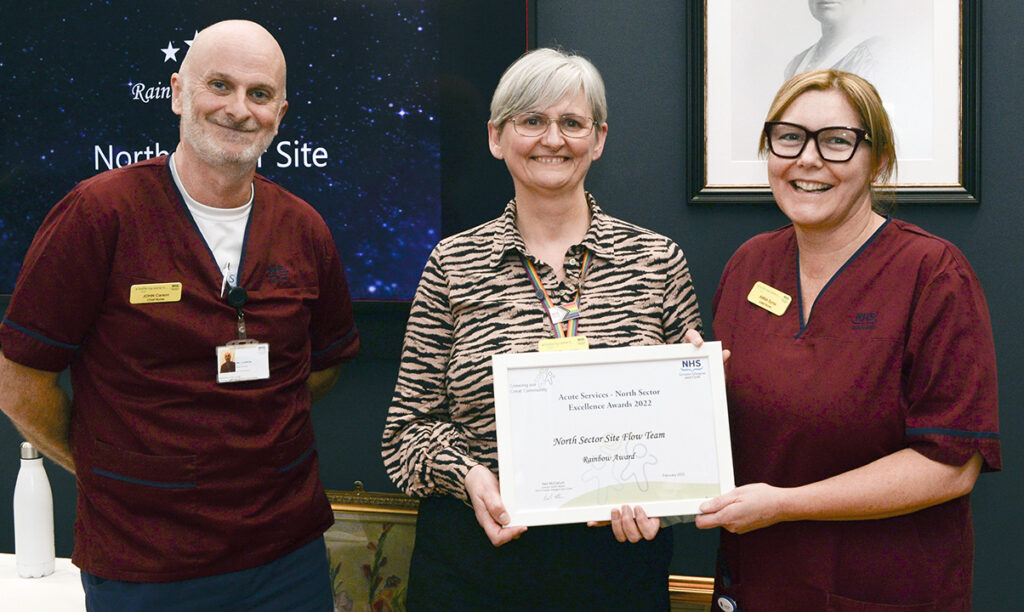
Over the last two years, this team have been an important constant in overseeing safe patient flow throughout the North Sector. Ensuring the management team and on-call managers have all the information required to understand the site UCC and Capacity and Demand position, all in valuable and timely support of patient stepdown and maximising the use/availability of all in-patient beds.
The team work to support wards and are also a key point of contact for staff looking for advice or support. No job is too small and there is a real sense of teamwork, effectiveness and efficiency. Thank you team for being a team that has just made work better for others during such demanding and challenging times.
Change and Improvement Award (Innovation of the Year)
Glasgow Royal Infirmary Robotic Team, Campbell Roxburgh, Graham Mackay, Moira McLaughlan and the Nursing team, David Chong, Kevin Burton and Rhona Lindsay
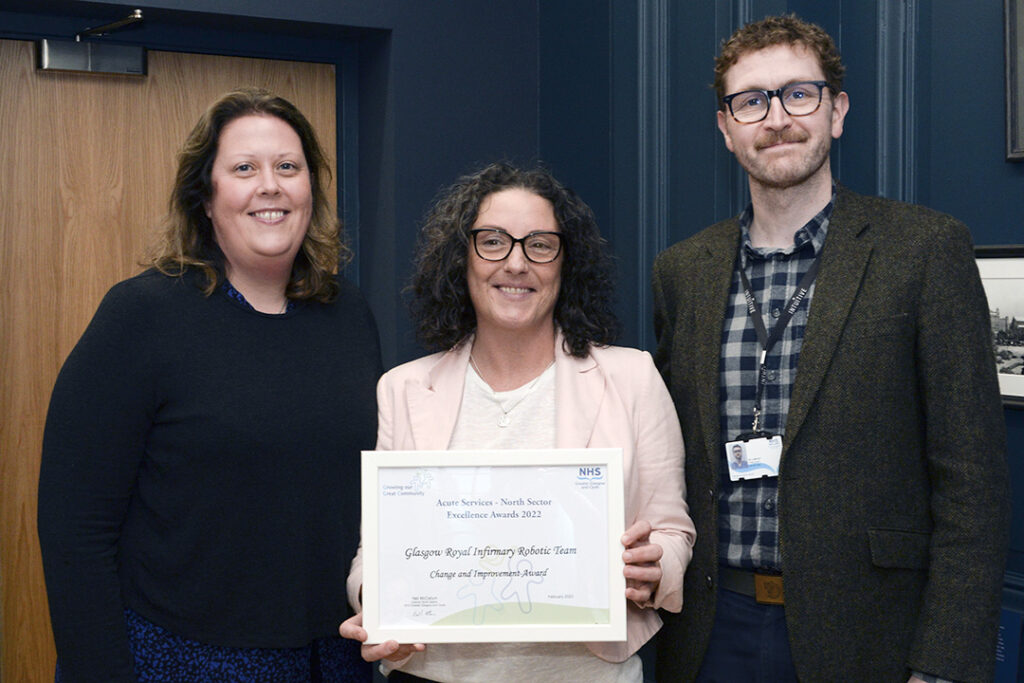
Thanks to the multidisciplinary team working and flexibility of this team we now have a state of the art robotic system conducting targeted precision surgery geared fully towards high quality patient care and better outcomes.
This technology, and the positive theatre environment created by the team, is giving patients better outcomes, including reduced risk of complications, less time in hospital and shorter recovery times at home. It’s also cutting post-covid waiting times, and impacting turnaround times with less use of High Dependency beds – allowing more patients to be treated quicker.
Thank you team, we commend you for truly living all of our NHS values in implementing the system – in the most challenging of times.
Wellbeing Award
Patricia Myers, Associate Chief Nurse and the Garden Volunteer Team
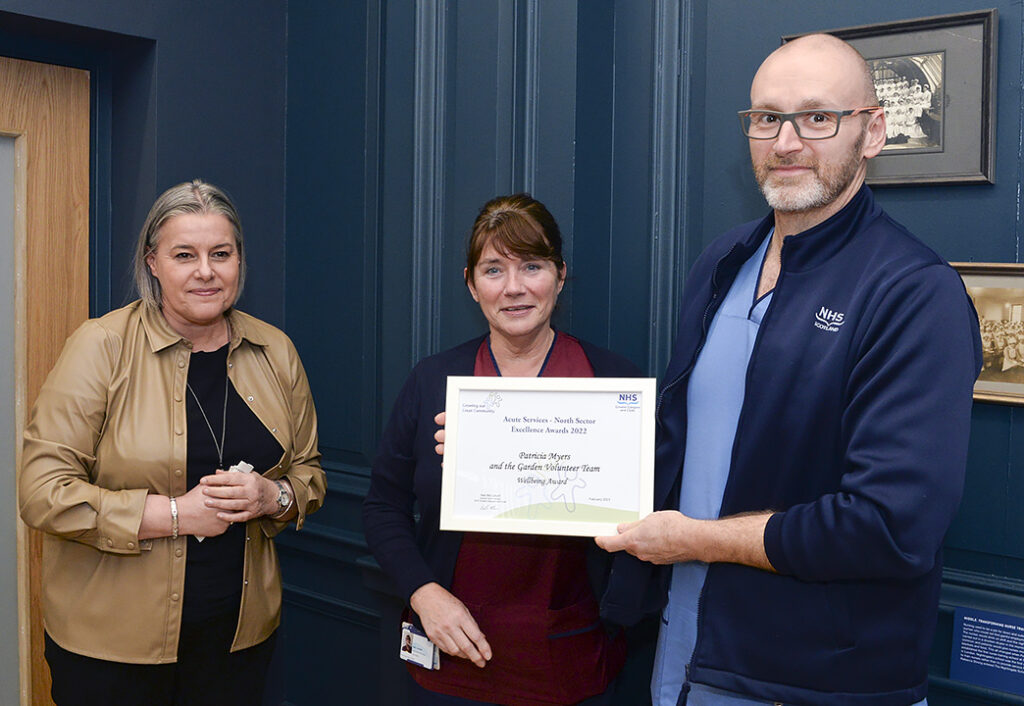
An outdoor rest and relaxation area was created which included seating and tables, where staff can relax and take a break and enjoy the outdoor space. Tricia has done an amazing job in rallying volunteers, resourcing plants and planters. These gardening volunteers have worked hard to turn the garden beds from overgrown weeds to an area full of beautiful and colourful plants/ flowers. Staff regularly comment on the space and the wide range of beautiful plants and flowers on display.
Thank you to all of the staff who gave up their own time to plant, weed and create a beautiful space, demonstrating our values of care and compassion and teamwork, through together creating a space with staff wellbeing in mind.
Acute Services – South Sector
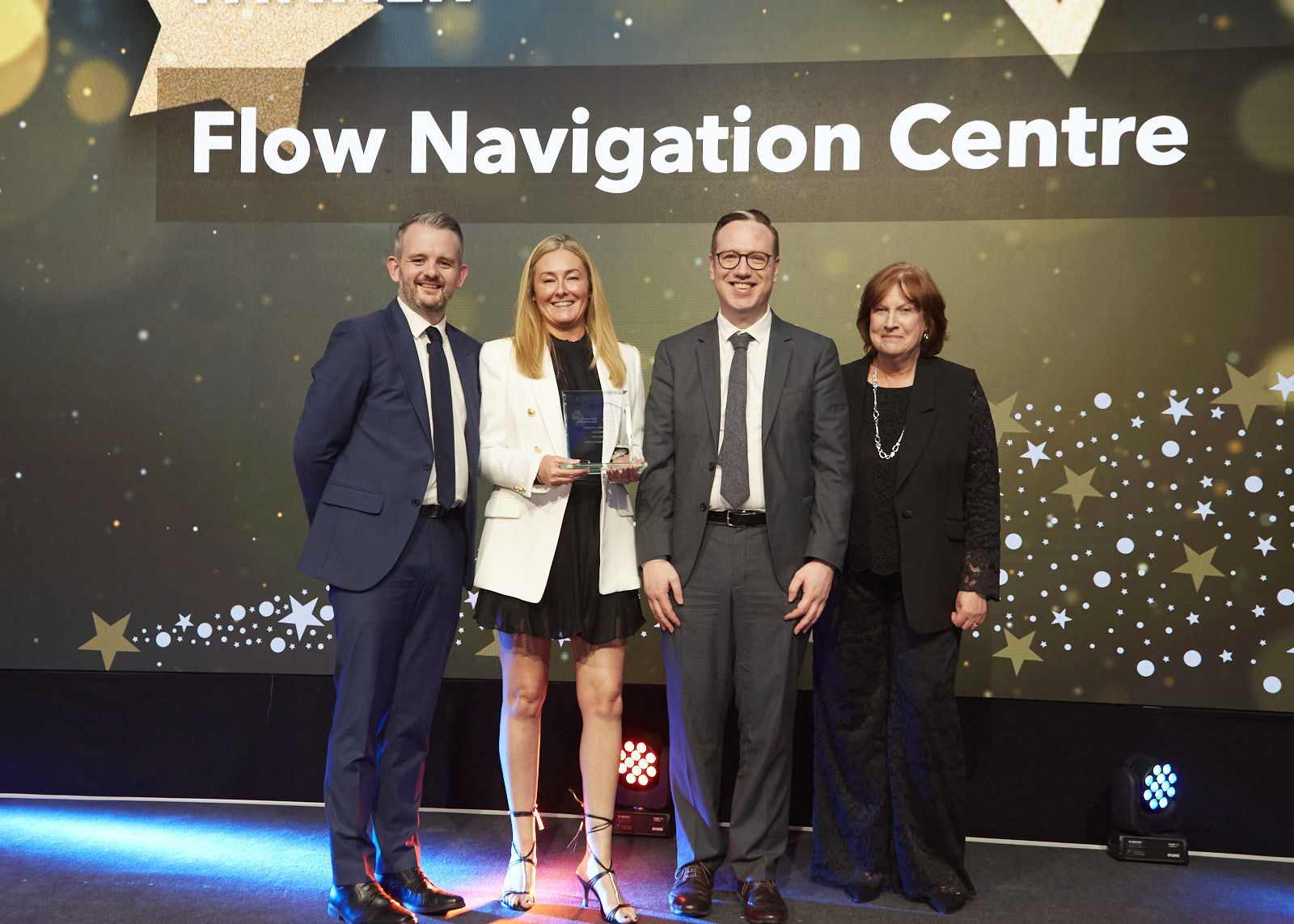
Overall Winner – Flow Navigation Centre
Team of the Year
Flow Navigation Centre
The FNC team have been in place since December 2020, with the last two year spent developing the service to meet the aims of delivering the ‘Right Care, Right Place, Right Time, First Time’ and provide rapid access to a senior clinical decision maker.
It is an ANP led service led by Mr Ed Pool, supported by Senior Clinical Decision Makers in the form of ED consultant/ specialty doctor. The team use Near Me technology to provide consultations to patients who otherwise would have been directed to EDs across NHS GG&C. The FNC is recognised as a leader for use of Near Me technology with >80% of all consultations carried out in this way leading to improved patient discharge.
Employee of the Year
Martin Simpson, Band 4, Assistant Practitioner in Day Surgery Orthopaedics, Ward 4C, Gartnavel General Hospital
With the introduction of total arthroplasty to GGH, Martin has excelled in this role. One of Martin’s main strengths is his attention to detail which means a comprehensive service for his patients – nothing is ever missed and he makes sure he has done everything for patients.
His other main strength is his manner with all patients and the empathy he shows. Following surgery, patients are often sore and the nature of day surgery means that expectation is to get the patient home very quickly. Martin actively listens to any concerns, takes time to explain and ultimately, gets patients on board to get them to achieve their goals and therefore, discharged from the ward.
Martin receives excellent feedback from his patients.
Leader of the Year
Lynsey Warner, Occupational Therapist, Queen Elizabeth University Hospital
Lynsey is an exceptional Occupational Therapist who is extremely supportive to all colleagues and patients and demonstrated excellent leadership skills in her role. Lynsey became a clinical specialist with Major Trauma in 2020 and since then has been a driving force in developing the Major Trauma and ensuring the rehabilitation journey each patient receives is to the highest standard.
Furthermore, Lynsey is continually taking on students and offering her time to colleagues to help them develop their skills in areas. Lynsey supports colleagues to feel confident in their skills as well proudly advocate for the OT profession and wants the best for all patients which is evident in the positive feedback from patients.
Innovation of the Year
Emergency Department Research and Innovation team (EMQUIRE) Professor David Lowe & Dr Alan Whitelaw are the leads for this team
The Emergency Department Research and Innovation team have a number of initiatives that they are leading on locally, regionally and nationally and are becoming one of the leading centres for Emergency department research and innovation in conjunction with UoG Clinical Research facility.
The team’s focus of activity is in devices, data and decisions with work streams in Artificial Intelligence, Toxicology, Radiology, Cardiology and Respiratory.
Furthermore, the team built partnerships with clinicians across specialties to respond to the challenges of unscheduled care admission and rising comorbidity and frailty. The team have showcased their work and presented Scotland, UK and internationally and a number of high impact publications including collaborations across universities, other research groups and multiple industry partners.
Diagnostics
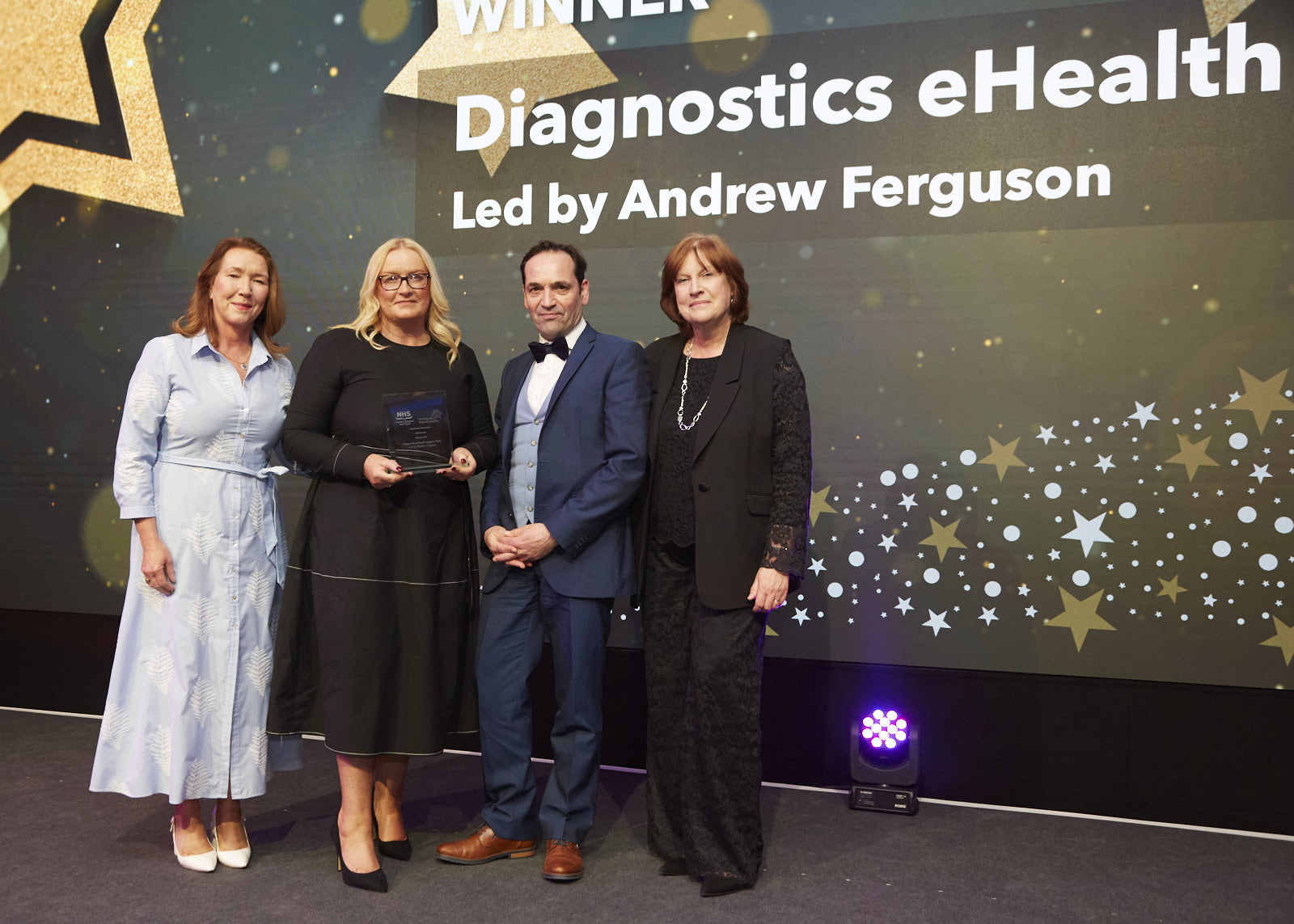
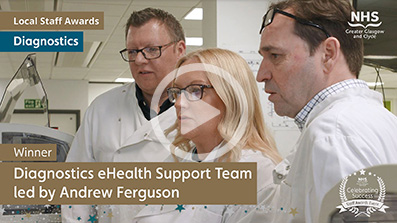
Overall Winner – Diagnostics / eHealth Support Team
Overall Winner Nominees
Team of the Year
Diagnostics / eHealth Support Team
Comprising both Imaging and Laboratory eHealth staff, the level of professionalism and commitment of the team has been exemplary, in terms of delivery of key projects and operational support during the pandemic, as well as contribution to the Board’s subsequent remobilisation plan.
Design and implementation of the Regional Whole Genome Sequencing Hub is just one of several examples of their achievements. For patients with certain rare conditions, whole genome sequencing looks at all the patient’s genes in one go. As a result, this test may help to diagnose a condition, suggest treatment options and tell the patient if they have an increased chance of developing a condition and whether the condition could be inherited.
We are immensely proud of our Diagnostics/eHealth Team and congratulate all team members on their brilliant team-working and well-deserved success!
Employee of the Year
Janice Tannock
Janice is a Clinical Services Manager in Imaging for the NE and Clyde sectors, with a background in radiography.
She could be described as an exemplary employee who has made a major difference for the delivery of a key objective for the Imaging Service.
During a period of personnel changes that coincided with a Scottish Government assignment that Janice wasn’t previously involved with, and which required a quick turnaround time, Janice became very unwell with COVID, but as no one else was available she ensured this critical assignment was prepared on time.
Janice could have taken to her bed due to her illness but put NHSGGC’s Imaging Service, and the needs of the service, to better serve its patients first.
Leader of the Year (Joint Winners)
Laura Metcalfe and David Ness, Medical Equipment Management (MEM)
Laura (Head of Medical Equipment Management MEM) and David (Technical Trainer MEM) are first class examples of leaders developing leaders.
In the absence of Clinical Technologists in the open labour market, “growing our own” talent was the obvious and only choice. They therefore developed an apprenticeship based workforce opportunity to attract, train and retain young people within the MEM workforce to future-proof service delivery.
From it’s inception the programme has evolved from an entry level access programme (entering at B3) focusing only on the engineering apprenticeship framework qualifications at SCQF 6, to an enhanced package of vocational and academic qualifications to meet the requirements for B5 and B6 Clinical Technologists and IPEM registration.
The current MEM programme is the only programme of its kind in Scotland to train clinical technologists.
Innovation of the Year
The Clyde Biochemistry Team
In collaboration with colleagues in the Gastroenterology Department, the Clyde Biochemistry Team worked to develop and implement the Enhanced Liver Fibrosis (ELF) test assessment pathway. The impact of this small pilot resulted in a reduction the equivalent of 4 Specialist clinics.
Moving forward, early identification allows earlier intervention both to prevent the complications of liver disease and to treat it. It is recognised that half of patients presenting as an emergency with liver disease could have been identified at an earlier stage.
More patients with mild liver disease should also have uncertainty and worry removed until they are assessed, and can be reassured that they do not have advanced liver disease, with advice on management provided in Primary Care.
East Dunbartonshire HSCP
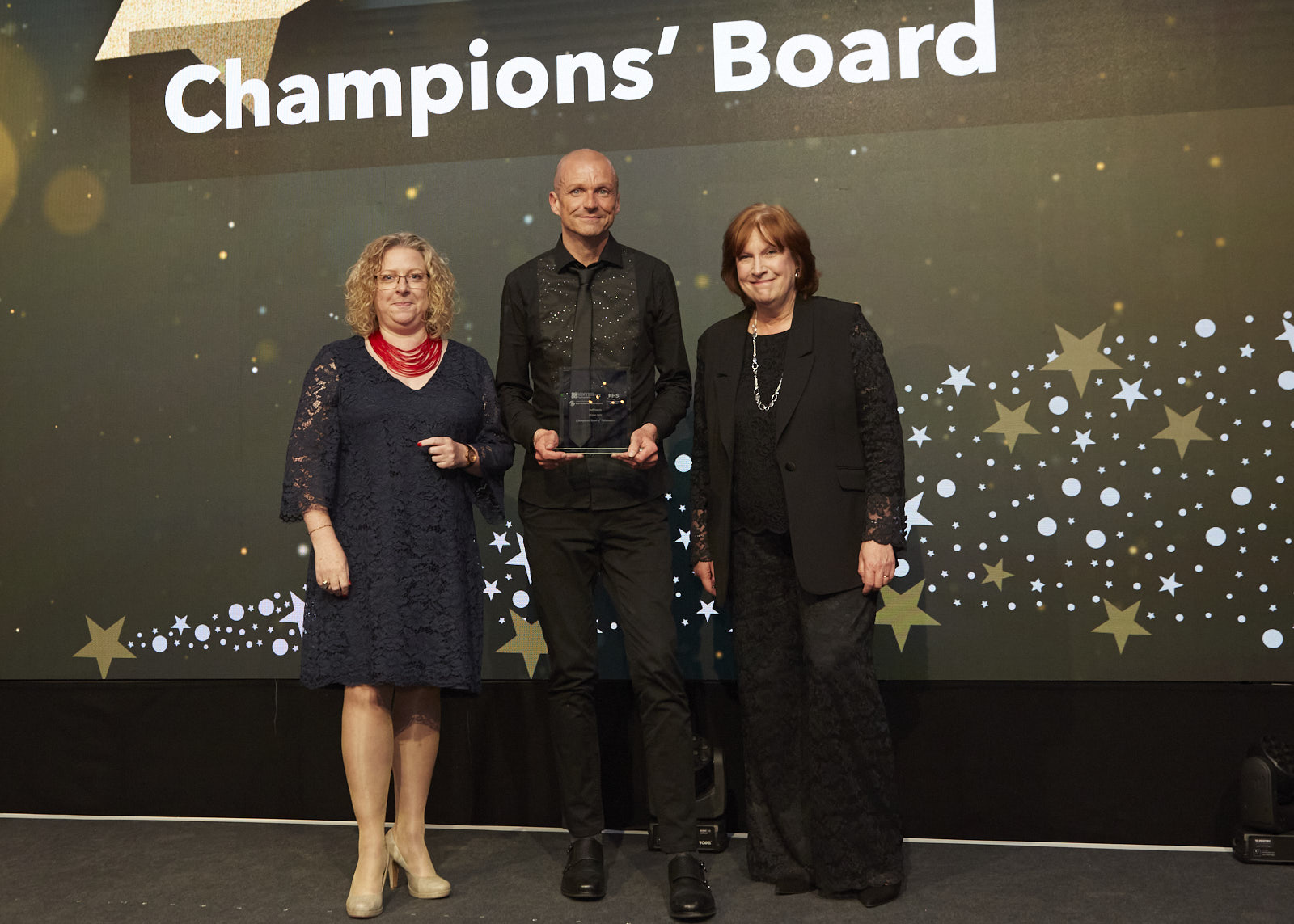
Overall Winner – The Champions Board
Overall Winner Nominees
Team of the Year
Justice Services unpaid work Team and Children & Family Community Support Joint Initiative
The aims and objectives of this collaborative working is to ensure that our most vulnerable children and young people receive Christmas presents and food. Christmas can often be the hardest time of year for families who have on-going difficulties including but not exclusively financial hardship, addictions and domestic abuse.
The planning starts early around August time to engage with community groups about giving gifts. Most of the donations are collected by the Community Pay Back teams then sorted into individual gift bags for children of different age groups ready to be delivered to our vulnerable families and groups within our EDC communities.
Around 4000 individual gifts are distributed throughout the Community
Employee of the Year – Joint Winners
Justin Dott
Justin is a nurse in the ADRS; in his nomination is a report from a service user’s family:
“The second most valuable resource we found was Justin. He really engaged with our loved one and has guided him through recovery and relapse and continuing on to recovery again. Justin really understands the mental health aspects of the condition and he is sensitive to the needs of family members to be involved in the journey”.
Rab Kerr
Rab is a Social Work Justice Assistant with the Criminal Justice Social Work Team. He has been described as critical team player, being there for other staff and working well with Clients.
It is evidenced that he has been able to make “Real change with some of the most difficult and volatile clients in the manner that in which he has engaged clients and broken down barriers”.
Leader of the Year
Lorna Deazeley
Lorna has shown her leadership skills in the past 12 months as Senior Addiction worker. Lorna has developed close links with the homeless services providing outreach clinics at First Stop. This has enabled vulnerable homeless people to easily access support with alcohol and drug use. Lorna has provided Naloxone training to ADRS, Justice Services, homeless services and families affected by their loved ones drug use. Lorna has been a key member of the team supporting colleagues and building an effective relationship with both services and services users enabling them to Trust and accept support from services.
Innovation of the Year
East Dunbartonshire – Naloxone Project
This initiative is the East Dunbartonshire component of the overall campaign for the National Naloxone Programme of which the overall aim is to contribute to a reduction in fatal opioid overdoses in Scotland.
Naloxone is a medication that temporarily reverses the effects of opioid overdose, available to anyone at risk of opioid overdose.
The service, through our Senior Community Addiction Worker Lorna Deazeley, has provided potentially lifesaving Naloxone training and resources to 140 people in 2021/22. This has made a significant contribution to the harm reduction agenda, in line with MAT standards. Lorna and the service are passionate about helping the people we support and their families.
Volunteer of the Year
The Champions Board
This is a group of Care Experienced Young People who are providing support and influencing statutory agencies and corporate parents on working with Young People.
The Champion’s Board was re-launched in March 2022 following a break during COVID-19. Since the relaunch young people have consistently met on a fortnightly basis. The Champion’s Board currently consists of a core group of 14 young people aged between the ages of 15-25, all with care experience.
The work of the “champs” board is making a significant impact across services in East Dunbartonshire by giving them a better insight into the lived experiences of young people with care experience. This enables services to respond appropriately and increase participation and improve outcomes.
Oral Health Directorate – Leader Of The Year (Joint Winners)
Sharon Hunter
Sharon has demonstrated outstanding leadership qualities, she has promoted positive values and shown respect and dignity during a very challenging time while remobilising our Oral Health Improvement Team.
She has shown continual kindness to staff helping to build confidence and resilience, she has developed a culture of dignity and respect which the staff have responded to in a positive way.
Our wider team have taken this culture on board which has resulted in a more positive environment, helped to inspire others to be more patient and empathic towards each other in a particularly challenging situation.
Karen Lindsay
Karen has been recently appointed interim operational support manager to the Oral Health Improvement Team (OHIT). The OHIT deliver national and local oral health improvement programmes.
During this time as interim support manager, Karen has shown great leadership by supporting the department during the re-mobilisation of oral health improvement programmes, and mentoring 3 new team leads by instilling motivation and encouraging all the team to look after their health and wellbeing
Karen’s influence and positive attitude has allowed the team to implement the new Fluoride Varnish dispensing procedures with a reduction in cost to clinical waste and plastics.
Karen is always looking for ways to make working tasks easier and more efficient e.g. promoting sustainability within our Childsmile programmes.
Oral Health Directorate – Team Of The Year
Oral Health Improvement Team
Oral Health Improvement Team and Public Dental Service worked in partnership to deliver the National Dental Inspection Programme (NDIP).
Prior to the clinical team visiting schools to deliver inspections, the Oral Health Improvement Team (OHIT) visited a total of 317 schools to complete a site survey thereby ensuring that the inspection sites were COVID-19 compliant and discuss any changes or equipment required with Head Teachers.
The Oral Health Improvement Team provided assistance not only with completing site surveys but also on occasion prepared the children for the inspection by acclimatisation visits. 317 schools were visited with an approximately total of 14,490 children having been inspected within the time scale of 4 months.
Oral Health Directorate – Innovation Of The Year
Dental Staff Bank
In late, 2021 as the Public Dental Service (PDS) attempted to remobilise dental services throughout NHSGGC, we identified that General Dental Practices (GDPs) had begun to deregister patients, thus increasing clinical demands on the PDS and necessitating a need to increase the number of staff available to work within Emergency Care Dental Clinics.
Therefore, permission was sought to design and develop a Dental Staff Bank to better manage capacity. A Dental Team lead was appointed to support the recruitment of staff and the allocation of sessions to this innovative scheme.
To ensure compliance with GDC regulations Practitioner Registration, PVG and Occupational Health status was checked as appropriate and staff were allocated session within day time and out of hours clinics.
Specialist Children Services – Innovation of the Year
Physiotherapy input to the National Child Psychiatric Inpatient Unit
The National Child Inpatient Unit, had never had a physiotherapy resource. A test of change was initiated and physiotherapy commenced with individual patients. Some examples include:
- Promoting normalisation of naming body parts and discussing how different parts of the body contribute to movement.
- Education around activity levels, increasing recognition of different types of activity and the balance of energy required to allow our body to work optimally.
- Establishing appropriate low impact, low energy output activity to be able to be carried out within the constraints of weight restoration.
- Exploration of activities to promote relaxation such as yoga and massage.
- Using physical activity to challenge restrictive ritualistic behaviours, and promote positive universal life style changes.
Specialist Children Services – Leader of the Year
Julie Metcalfe
Julie emulates the portrayal of an ideal leader. She is committed passionately to the development of CAMHS services in conjunction with the CAMHS professional leads.
She encourages each individual CAMHS team members, to be the best they can be. Allows individuals / teams to grow, she listens, is solution focused and encourages others to strategically plan and promotes ‘thinking outside the box’. Julie encourages self-wellbeing and a learning culture.
Julie inspires others to work collaboratively and creatively constantly improving and developing the services provided to patients. She promotes a work environment that is respectful, collegial and supportive.
Her Mental Health network spreads far and wide and includes collaborations with the Scottish Government. Julie is an excellent role model and an asset to the NHS.
Specialist Children Services – Team of the Year
GGC: Maternity & Neonatal psychological Intervention service
The GGC Maternity & Neonatal Psychological Interventions (MNPI) service is part of the Scottish Government’s recent commitment to fund perinatal mental health services across Scotland.
The multidisciplinary service addresses the common and/or mild to moderate psychological needs of the maternity and neonatal populations by providing in-patient and out-patient assessments and a range of evidence based psychological interventions.
The central focus in all of these interventions is to enhance the parent-infant relationship, improve parental and infant mental health and to prevent a range of psychological difficulties (emotional and cognitive) in childhood and later life.
The multidisciplinary aspect of MNPI has allowed women to have access to a range of specialist skills so that they receive the best psychological care during their pregnancy and into the postnatal period.
East Renfrewshire HSCP
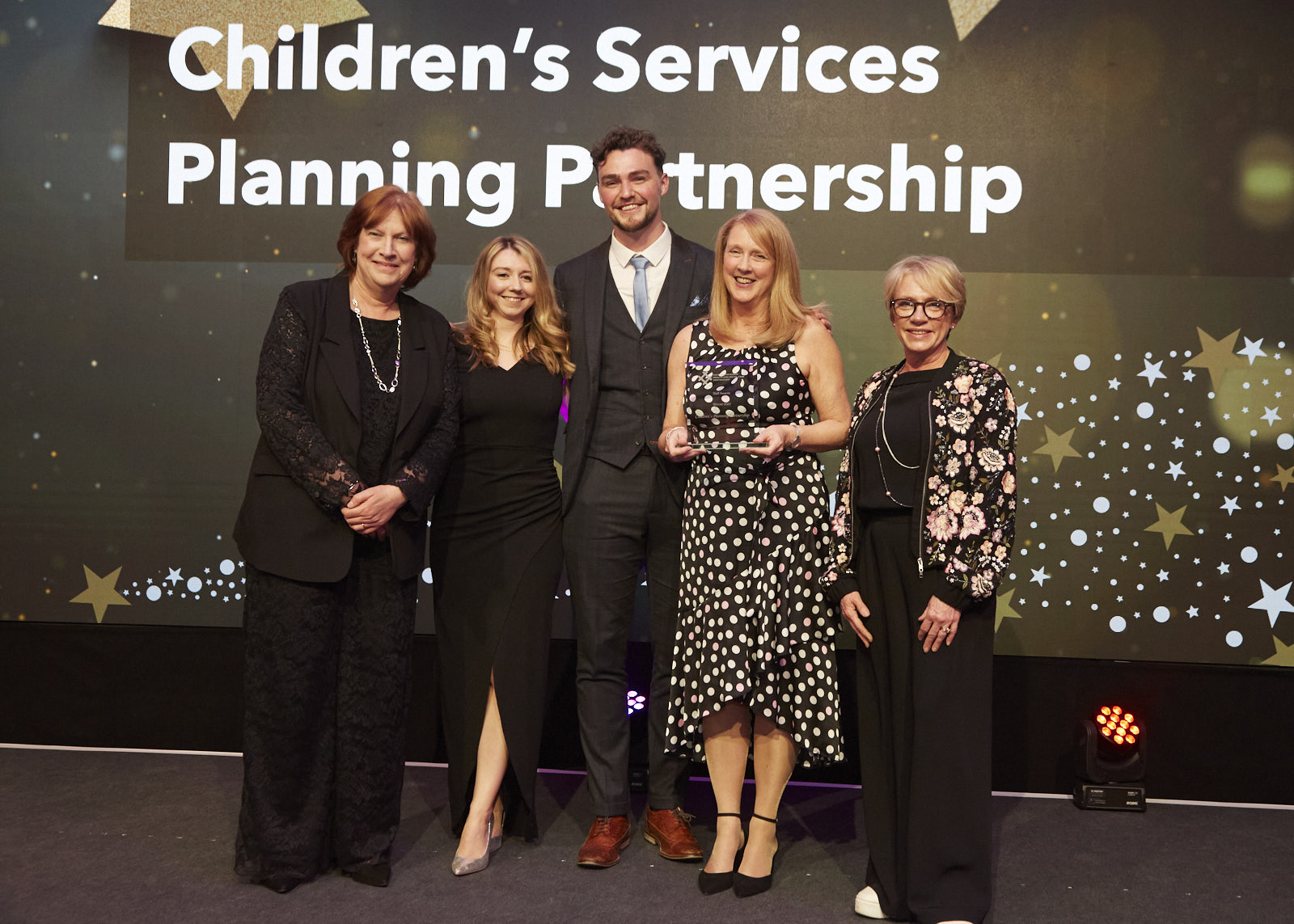
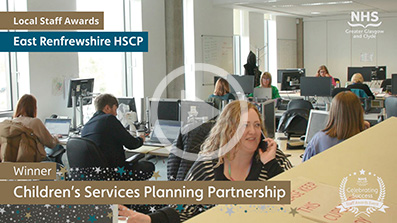
Overall Winner – East Renfrewshire Children’s Services Planning Partnership
Overall Winner Nominees
Team of the Year
East Renfrewshire Children’s Services Planning Partnership
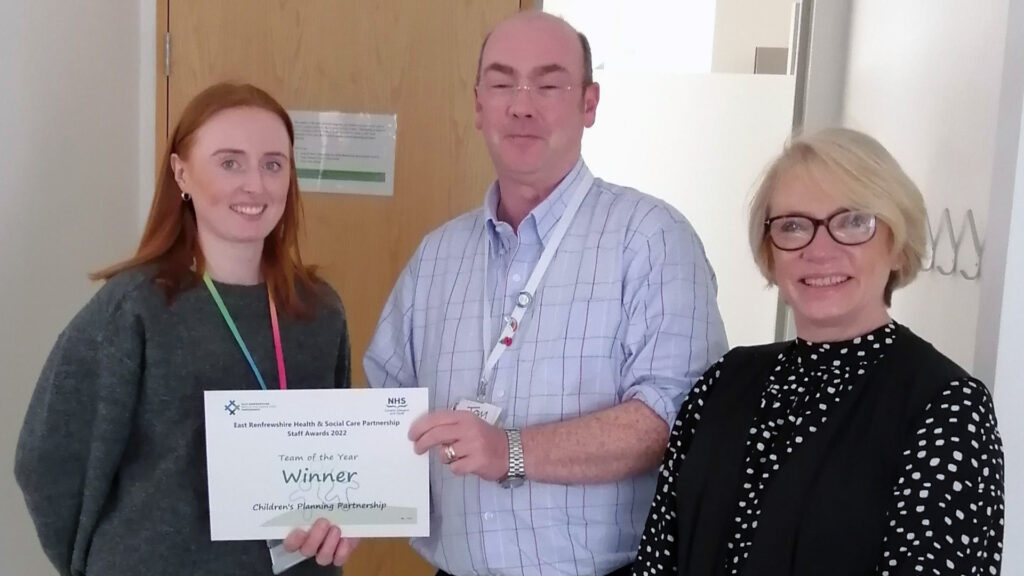
You know you have the winning formula when you are graded as Excellent by the Care Inspectorate.
When East Renfrewshire’s services for children at risk of harm were given a ringing endorsement last year, it was deserved recognition for the joint-working approach across organisations in the area.
East Renfrewshire Children’s Services Planning Partnership is a multi-agency partnership led by HSCP Children and Families along with partners in East Renfrewshire Council.
And this is what the Care Inspectorate said of its work: “We are confident that the lives of children and young people at risk of harm in East Renfrewshire are improving as a result of services delivered by the partnership.”
Well done to everyone involved across the team, for changing lives and being a model for others to follow.
Employee of the Year
Margaret McElholm
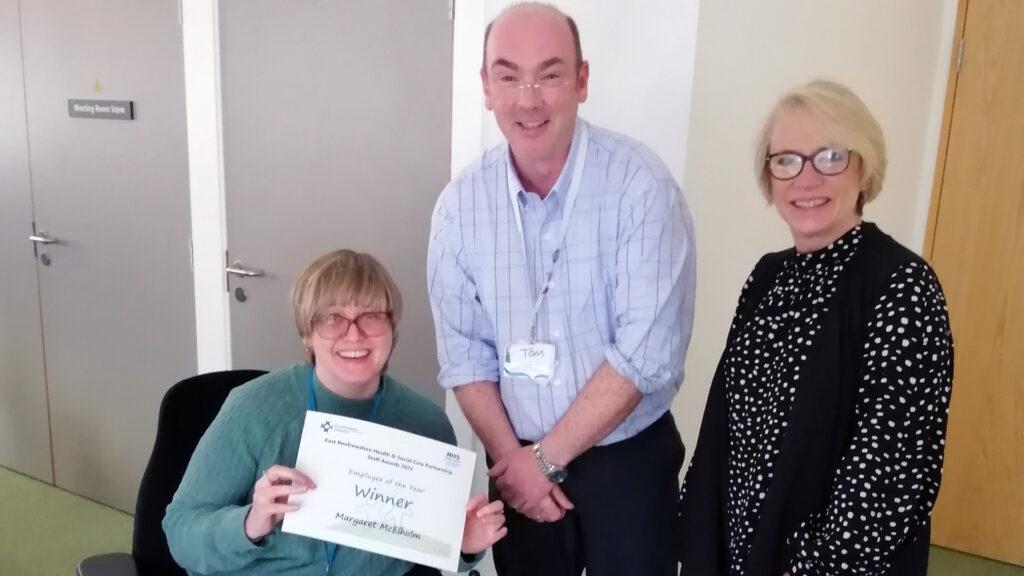
Margaret is an unsung hero who makes a real difference to the colleagues around her. She is a business support assistant in the HSCP who helps with other duties including undertaking minutes for various strategic subgroups. But she does so much more.
When a previous administrator moved to another role, Margaret stepped up to the plate at short notice and took on additional responsibilities within the service.
She did this of her own volition without any training or additional recompense at the same time being under significant personal pressures.
Margaret is always helpful and has a positive attitude and never seeks credit for her work. She is also a carer for a family member and is disabled herself, as well as a dedicated and much-valued colleague.
Leader of the Year
Clare Gilliland, Care Home Service Manager
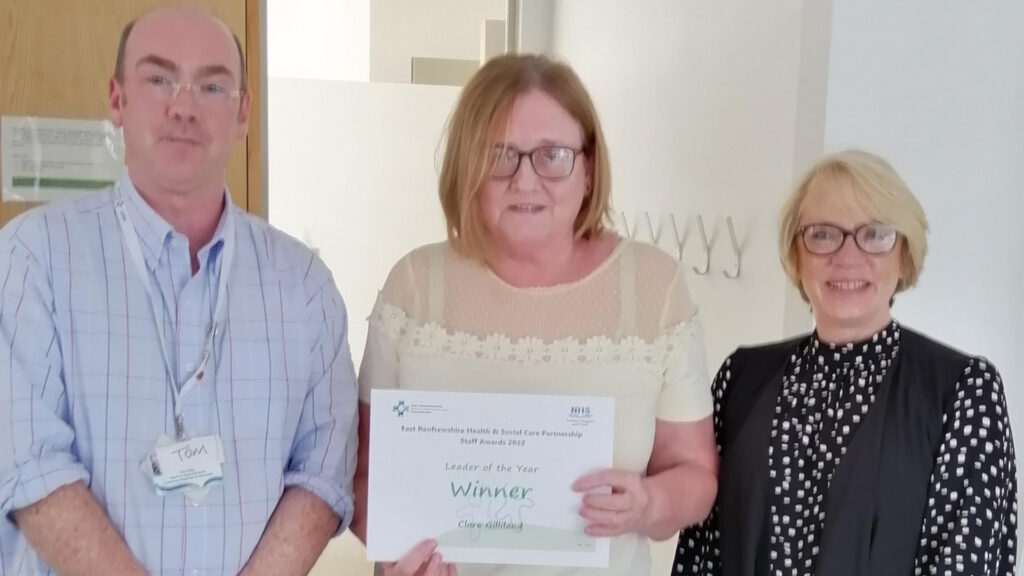
Clare’s excellent leadership in challenging times has ensured that the staff team at Bonnyton House – East Renfrewshire’s only local authority-run care home – delivers the very best of care and support for its residents.
The emotional toll of Covid-19 on the care sector is well documented, and Bonnyton House was lucky to have someone with Clare’s calmness, courage and professionalism to lead everyone through this period.
She has continued to recruit new staff and support their induction and integration into the team, and a number of the team have progressed into different roles through internal promotion.
In addition, there has been further refurbishment work undertaken to improve the physical premises, all of which has been managed by Clare.
As well as positive comments from the Care Inspectorate, Bonnyton House was awarded improved grades – 2 at Grade 5 (very good) and 3 at Grade 4 (good), testament to the hard work of staff and Clare’s leadership. Well done.
Innovation of the Year
Older People’s Mental Health Team
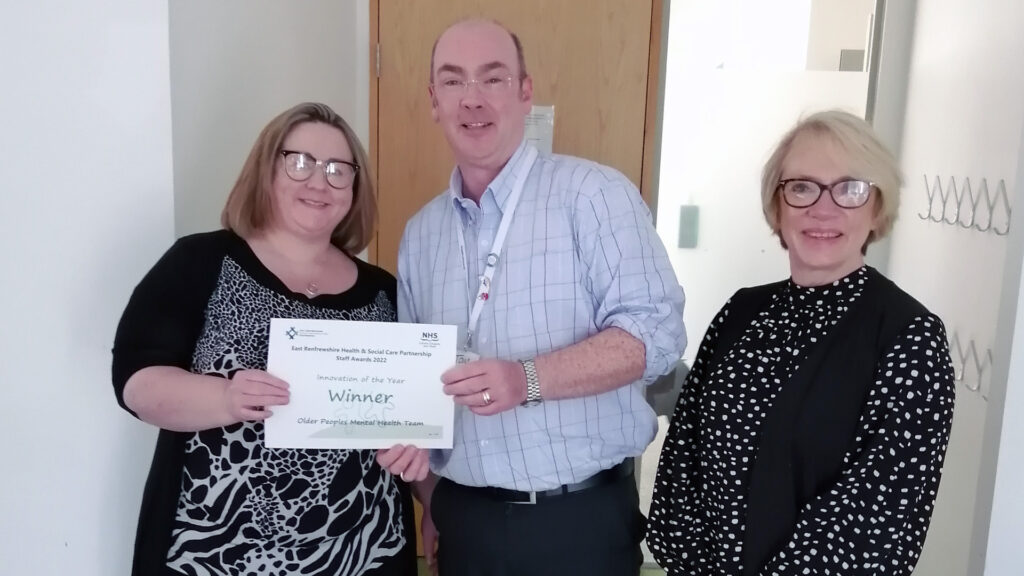
As the COVID pandemic took hold, the need for specialist mental health occupational therapists in care homes became evident to East Renfrewshire’s Older People’s Community Mental Health Service (OPCMHT).
Having identified this gap, Emma Walker, lead occupational therapist and fellow team members, drafted proposals which were approved by senior HSCP management. Funding was agreed for a 12 month test of change post, involving 0.6 whole-time equivalent band 6 occupational therapist.
Positive outcomes as a result of the post included the development of a sensory room to reduce stress and distress among residents. Dementia-friendly ‘pub-like’ signage was adopted to make orientation for residents easier, and dementia-friendly decor was introduced to bring calm to surroundings. For some residents, unsettling moves to other care homes or hospital were prevented after occupational therapy eased high levels of stress.
eHealth
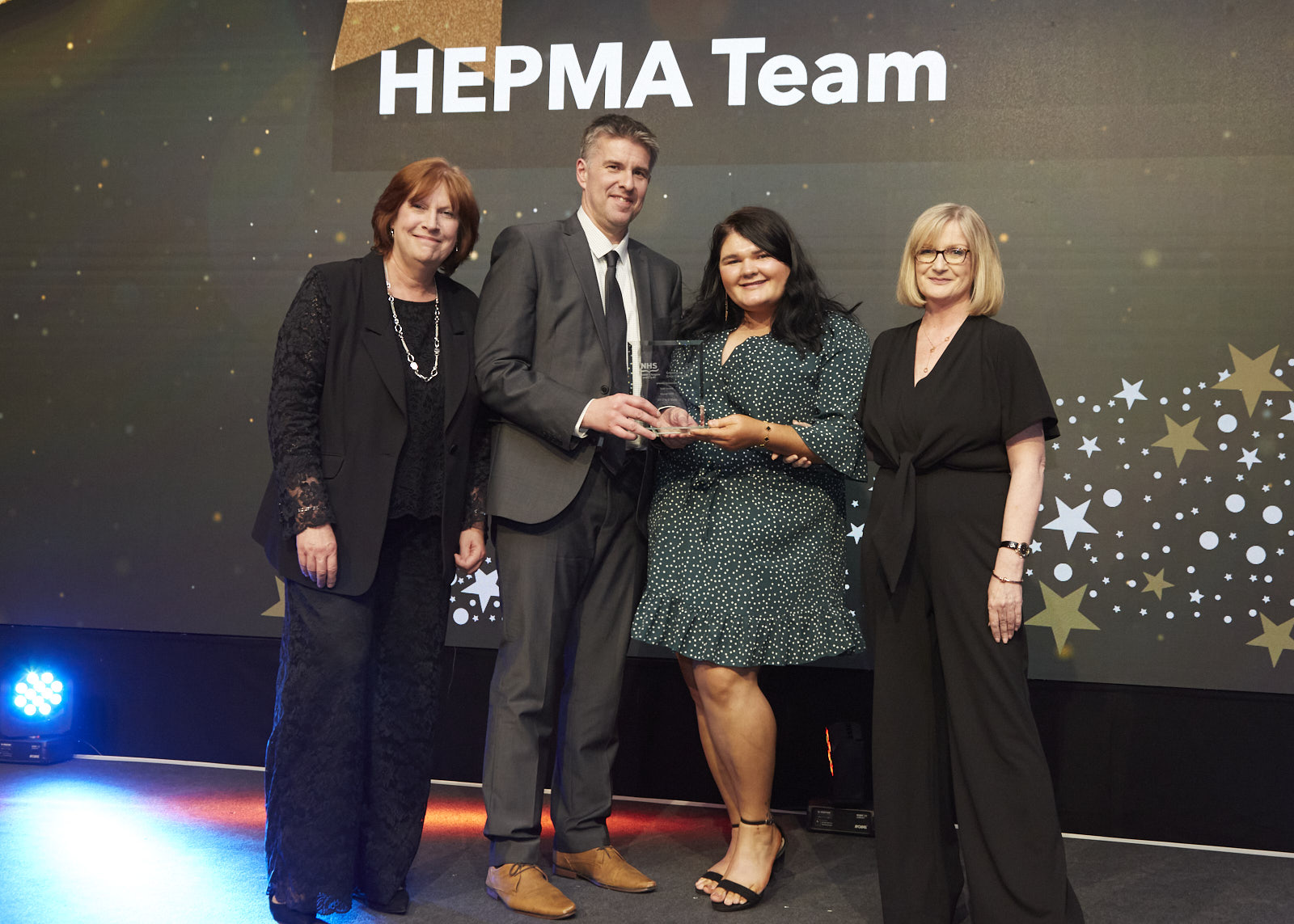
Overall Winner – HEPMA Team
Overall Winner Nominees
Team Of The Year
HEPMA Team
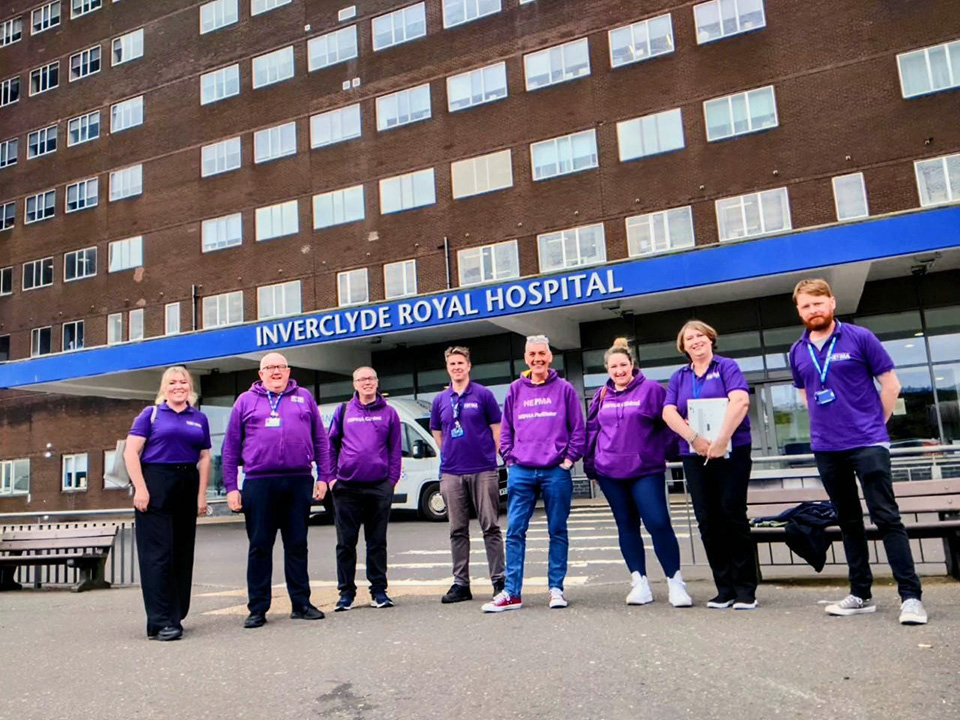
The team has worked with clinical services across NHSGGC’s hospitals to introduce HEPMA (Hospital Electronic Prescribing and Medicines Administration).
The team built the system, provided training and support to clinical teams, and successfully introduced digitally-enabled clinical change at unprecedented scale and pace.
The HEPMA team has been on hand to provide direct support and training to nurses, doctors and other clinical staff to help them move from paper to electronic prescribing and medicines administration throughout the last few challenging years.
HEPMA improves safety and quality of care by reducing missed doses, eliminating manual transcription of medicines information, and supporting high quality prescribing through electronic decision support. It also enables remote prescribing where clinically appropriate such as COVID wards.
Employee Of The Year
Stewart Reddick
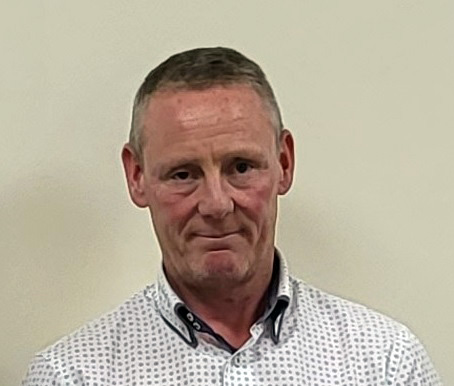
Stewart is a long serving, dedicated and hardworking employee who is always on hand to support with whatever is needed.
He has worked tirelessly over the last few years and has gone above and beyond to enable a smooth transition to hybrid working for eHealth teams. This involved co-ordinating a large number of logistical moves, including specialised equipment in a manner that ensured resilience of systems.
Also to ensure all appropriate security access arrangements were reprogrammed to accommodate the changes and smooth transition for eHealth staff.
Leader Of The Year
Andrew Ferguson
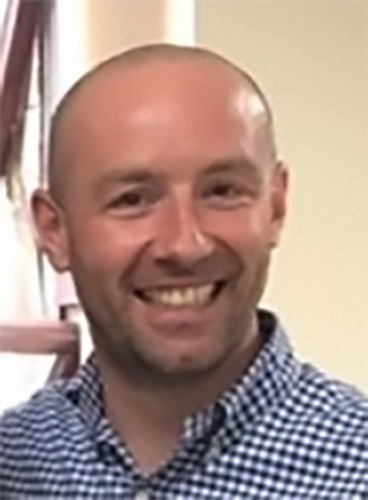
Andrew has worked tirelessly over the last few years in multiple areas of eHealth and Diagnostics.
Laboratory medicine is developing very quickly with several high value eHealth projects including Digital Pathology and LIMS procurement. Laboratory diagnostics has also been at the forefront of COVID response and remobilisation which required extensive equipment integration in short turnaround times to support service requirements at scale.
Specifically, Andrew has worked with limited resources on transitioning Digital Pathology from an Innovation Programme to business as usual. This has enabled NHSGGC to be one of the leading centres in the UK for Digital Pathology building the groundworks for Artificial Intelligence deployment.
Innovation Of The Year
Information Management and Pharmacy
In conjunction with Pharmacy colleagues, the eHealth Information Management team developed the cohort and mechanisms to identify, contact, and monitor patients eligible for novel COVID treatments in the community to prevent hospital admissions.
Within the space of two weeks the eHealth Information Management team established the eligible cohort of patients utilising data from GP, local clinical submissions, and interrogation of systems.
For launch day, NHSGGC were in a position in advance of other Boards to link local and national test data to establish a bespoke daily proactive text contact mechanism for eligible individuals. Additional developments were established to support eligibility checks and submissions for evaluation.
Estates and Facilities
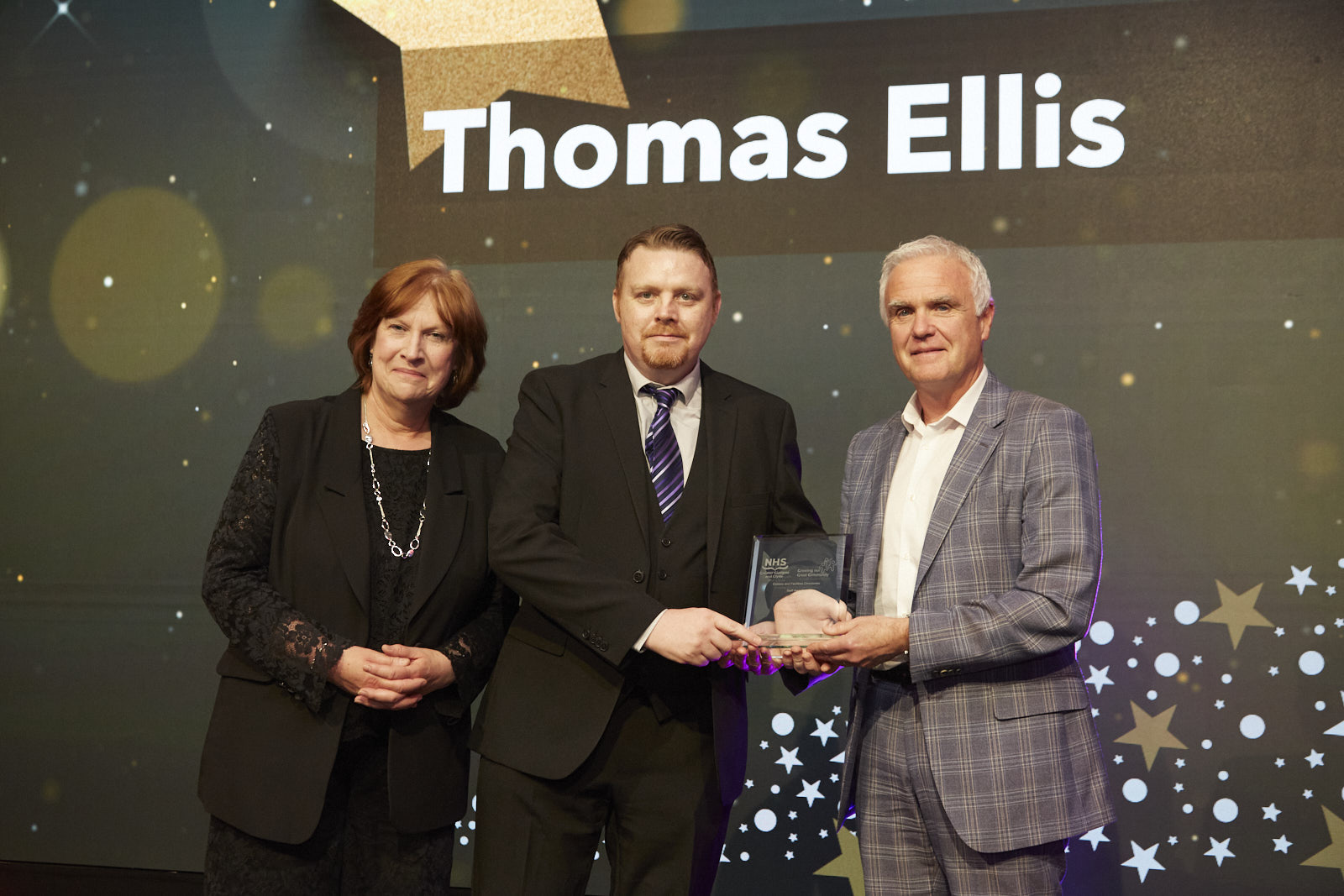
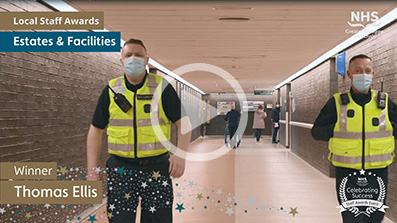
Overall Winner – Thomas Ellis
Overall Winner Nominees
Team of the Year
Board-wide Facilities Team
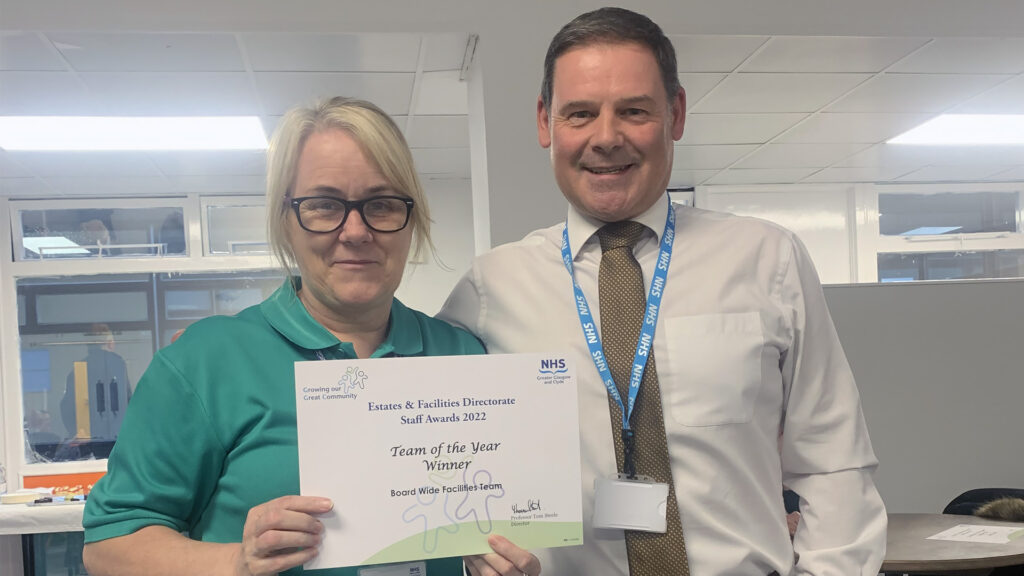
Throughout the challenge of the last 12 months, the facilities teams on all sites have responded to short notice and ever-changing demands to support clinical service delivery. This has required very quick decision making, changes in service delivery models and good communication. This was with a background of a very new senior management team across all sectors where all were establishing new teams.
Worked very closely with clinical colleagues which improved networking, improving communication and breaking down barriers
The sector heads and their teams rose to the challenge, established new networks and ensured the services were delivered.
Employee of the Year
Thomas Ellis
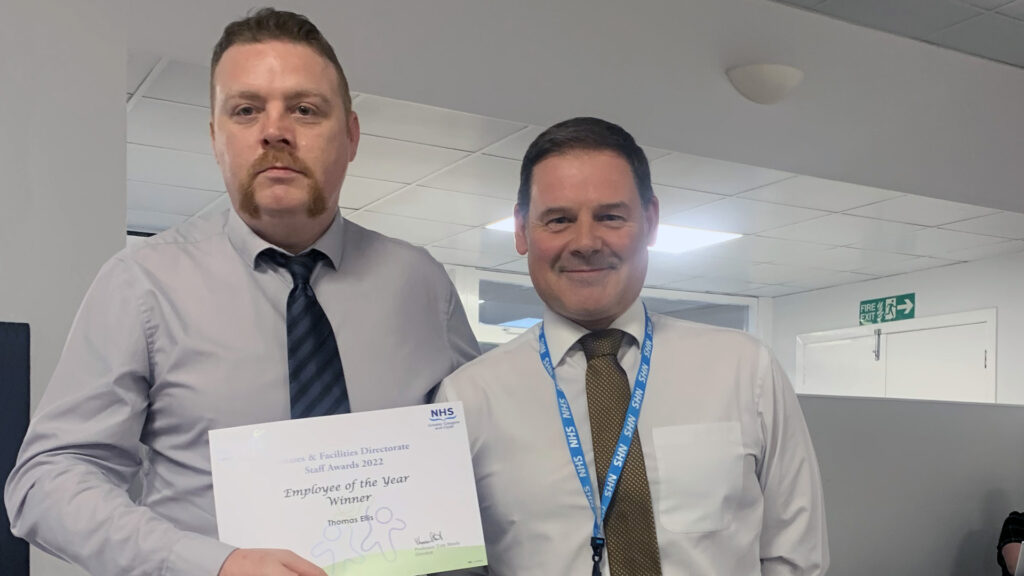
Thomas completed a number of charity events raising over £8000 for Macmillan Cancer.
- Brave the Shave – Thomas had grown his hair/beard with a view to shaving it off for the charity event which he took part in on 18th March 2021, raising £1,002.
- Sponsored walk on 28th March 2022, which entailed Thomas starting his journey from Edinburgh Royal Infirmary to the Kelpies and finishing his walk here at Glasgow Royal Infirmary. The walk was a distance of 53 miles and Thomas completed the mammoth task in a time of 23 hours in one go. This event raised £874.
- Thomas has recently taken part in a charity event which consisted of playing 4 rounds of golf back to back on 24th June 2022 and raised a total of £6,500.
Leader of the Year
James Huddleston
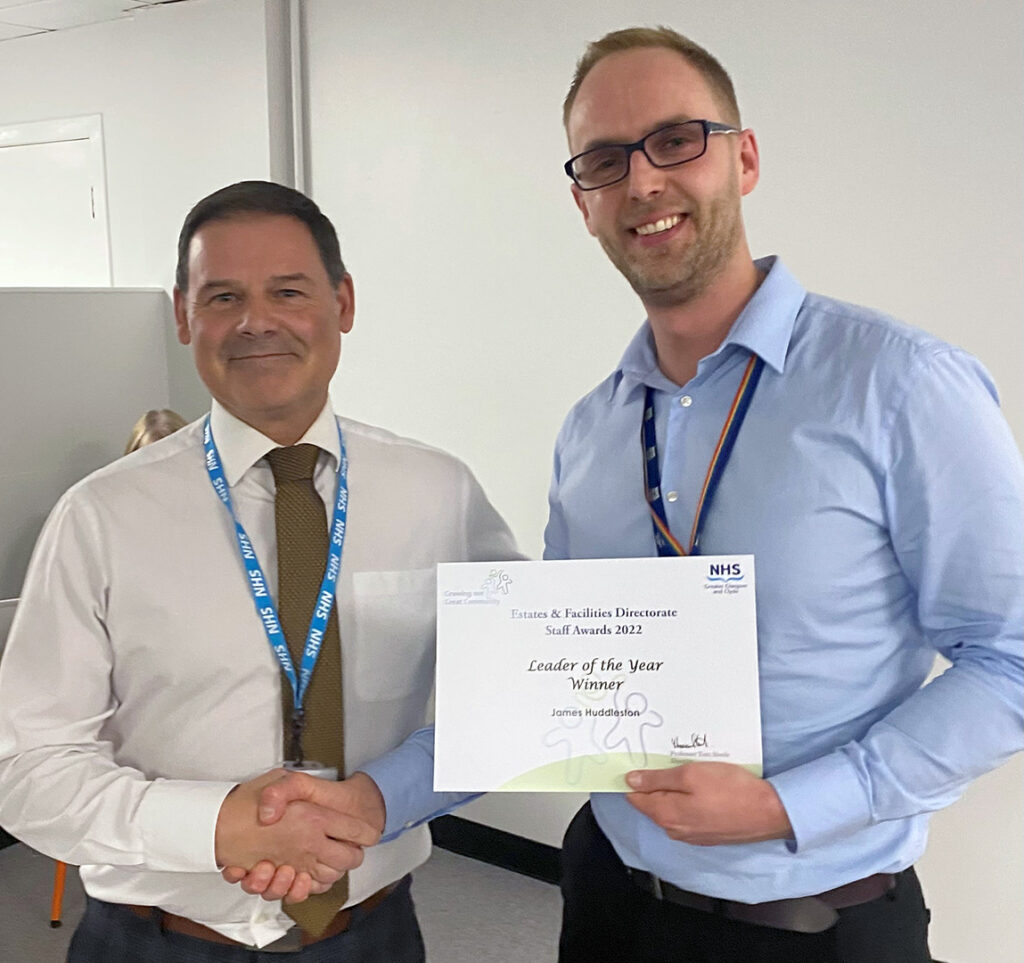
This nomination is made to reflect the exceptional commitment and resilience demonstrated by James over a period of almost 4 years, in relation to the upgrade works at Wards 2A/2B in the Royal Hospital for Children at the Queen Elizabeth University Hospital.
Because works were being carried out in a live acute hospital, there was also requirements to minimise disruption to other adjacent wards and services.
James was often required to attend site at short notice whenever any significant issue arose that required mediation between parties, and this was often at weekends and late hours.
Innovation of the Year
Transport Team
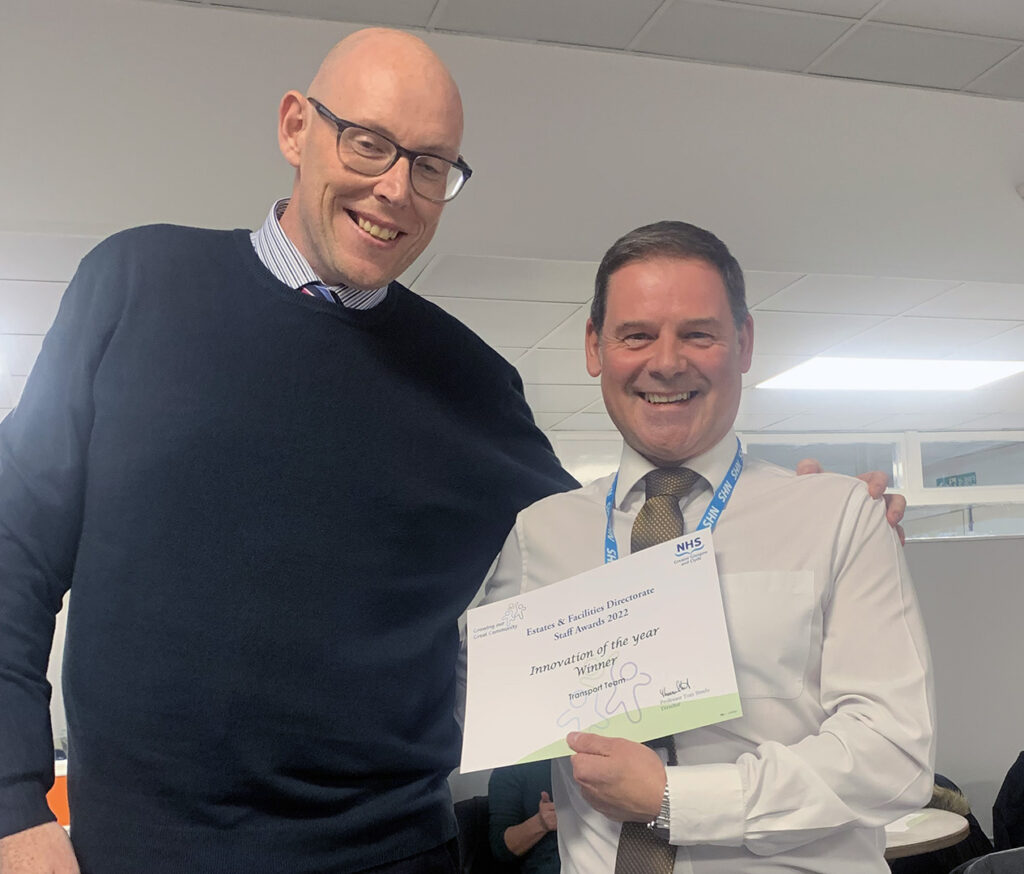
As the pandemic started, the Transport Team stood up to deliver a wide variety of services. These included:
- Delivery and collection of Care Home COVID tests and vaccinations.
- Patient transport to the Beatson due to withdrawal of volunteers
- Staff shuttle buses
- Delivery of COVID tests to residential addresses, housebound teams, clinics and schools
- Regular PPE deliveries to community services.
The Team were at the heart of the COVID response and recovery. They stepped up when required to allow the patients, staff and the community to receive the appropriate care and attention during what could only be described as unique circumstances.
The Transport Team touched many people’s lives in such a positive manner in a time of crisis.
Finance
Overall Winner – Andrew Gibson
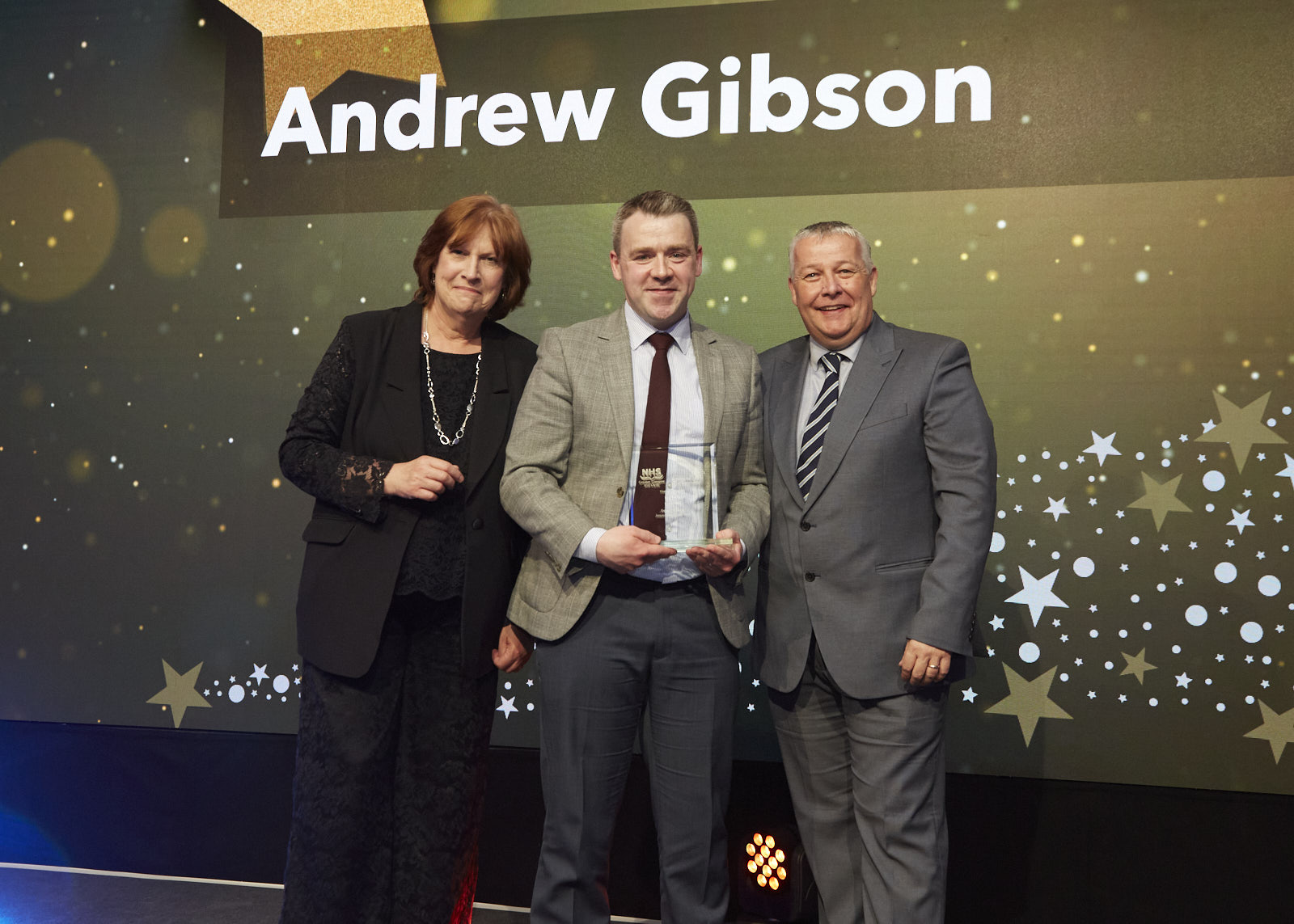
Overall Winner Nominees
Team of the Year
Family Health Services Team
This is a very small who team who have experienced an increase in the demand for their services at the same time as having to deal with turnover in key roles over the past couple of years. The team supports Board services and the HSCPs and is a key component of the management accounts service within Finance.
They have gone above and beyond to keep work up to date throughout this period through reorganising tasks, improving the efficiency of their processes and doing all that was necessary to keep everything working well and up to date. They have also developed the reporting and increased the knowledge of stakeholders. Contributing to national groups on NHS GGC behalf.
Employee of the Year
Emma Smith
Emma completed her Modern Apprenticeship and has since progressed to new roles within Finance. Firstly in the regional directorate and more recently in North team.
In each of these roles Emma has done an amazing job, picking up new tasks quickly, being proactive and showing great enthusiasm to learn and develop.
Emma is someone who is always looking for ways to help and do more. She has demonstrated a really positive drive to develop herself and add value to the service and the organisation through her hard work and positive attitude.
Leader of the Year
Gillian McBride
Gillian is the Head of Finance for the South Sector. She is a shining example to her staff and colleagues through her professionalism, positivity and can do attitude.
Gillian holds the respect of her team, her colleagues and seniors within Finance and beyond.
She has embraced the challenges and opportunities of the past couple of years within the Finance environment and worked hard to support and develop her team. She has put herself forward to mentor junior members of the management accounts team as part of the newly developed finance mentoring programme.
She has supported the mangers within the South Sector with localised budget management training giving encouragement to ask for help. She takes the lead in developing the sectors financial improvement plan suggesting ideas and options for the General Managers and Director to consider.
Gillian takes a lead role in the Sustainability and Value work for procurement and pharmacy working closely with the teams considering options and best value.
Gillian is always willing to lead on new initiatives and work with and support her peers to drive forward changes. She is a dedicated member of the finance team and held in high regard.
Innovation of the Year
Andrew Gibson
Since joining the Board in January 2022, Andrew has overhauled how the Board manages Risk, successfully addressing identified weaknesses in our Risk Management arrangements. In doing so he has also widened knowledge and understanding of risk management across the Board.
He set up a Risk Champions network to support Risk Management work and ensure a consistent approach.
He has significantly improved the reporting formats for Risk Management and his introduction of the ‘Risk on a Page’ format directs focus to key areas and has supported effective risk management discussions taking place.
Fortunately, he has no intention of sitting on his laurels and has plans for further changes and enhancements over the coming years.
Glasgow City HSCP
Overall Winner – Older People Residential and Day Services and Care Home Liaison Psychology Service
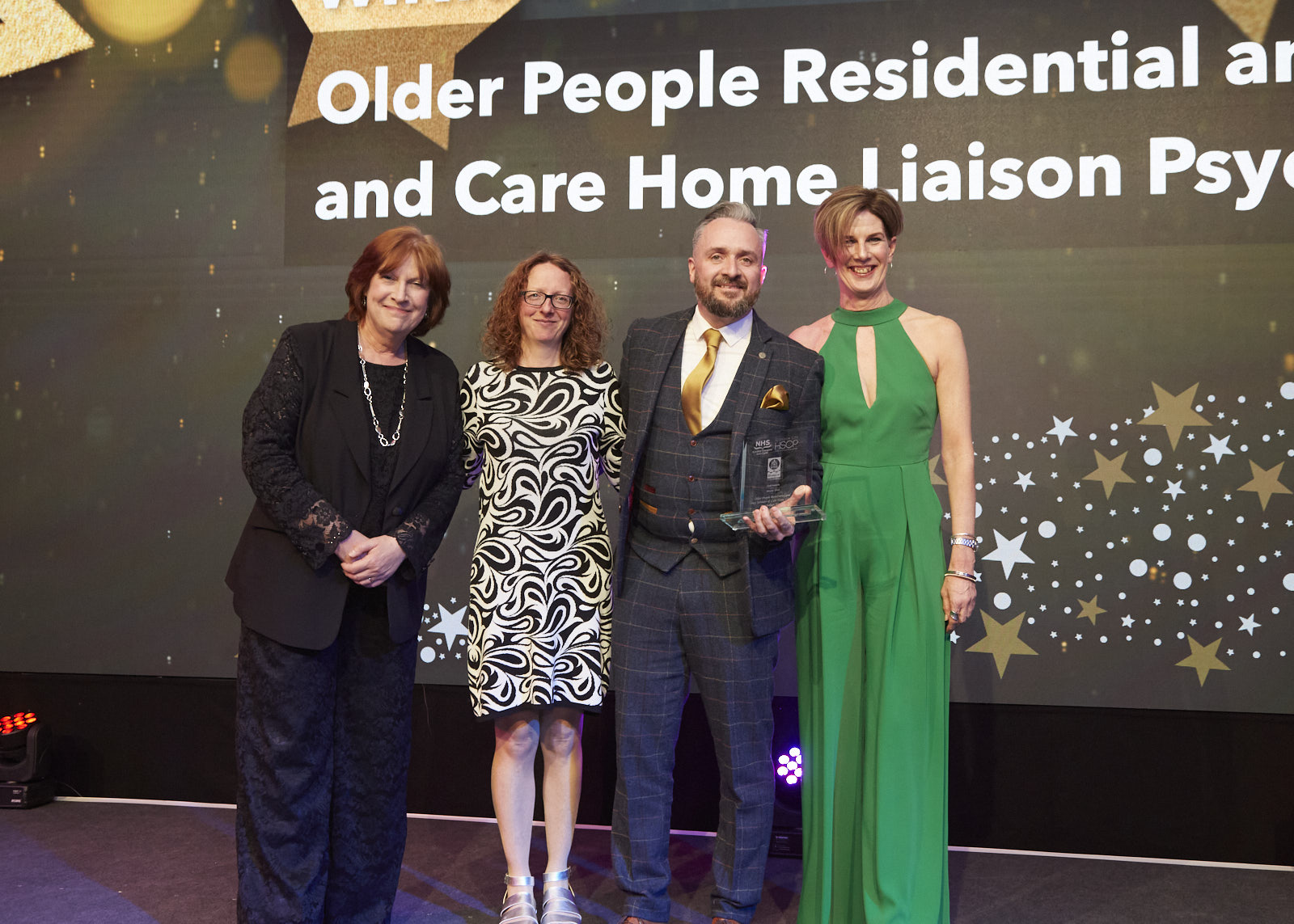
Overall Winner Nominees
Team of the Year
Ukrainian Crisis Response Team
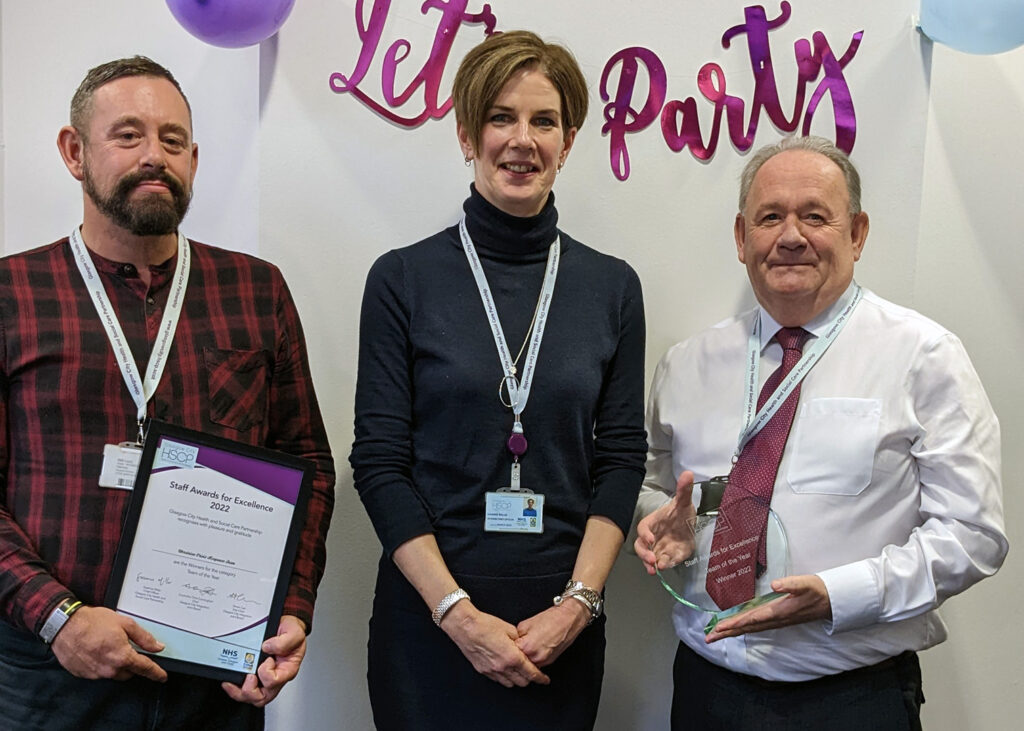
The team was assembled in rapid response to the Scottish Government’s commitment to support and resettle Ukrainians fleeing the ongoing war in Ukraine.
The team hit the ground running and have been responding and adapting daily to the everchanging situation where children and families are arriving in Glasgow with minimal possessions, often exhausted after long journeys.
The team have been successfully matching individuals to sponsors in the community who have stepped up to support Ukrainians in their own homes. As a very new team responding to a unique set of circumstances, staff have adapted and responded to emergency situations on a daily basis, providing an empathetic and sensitive response to people who have experienced extreme loss and trauma.
The team have been on hand daily as a point of contact to provide consistency and advice to help people adapt and integrate into life in Scotland.
Employee of the Year
Ian Ferguson
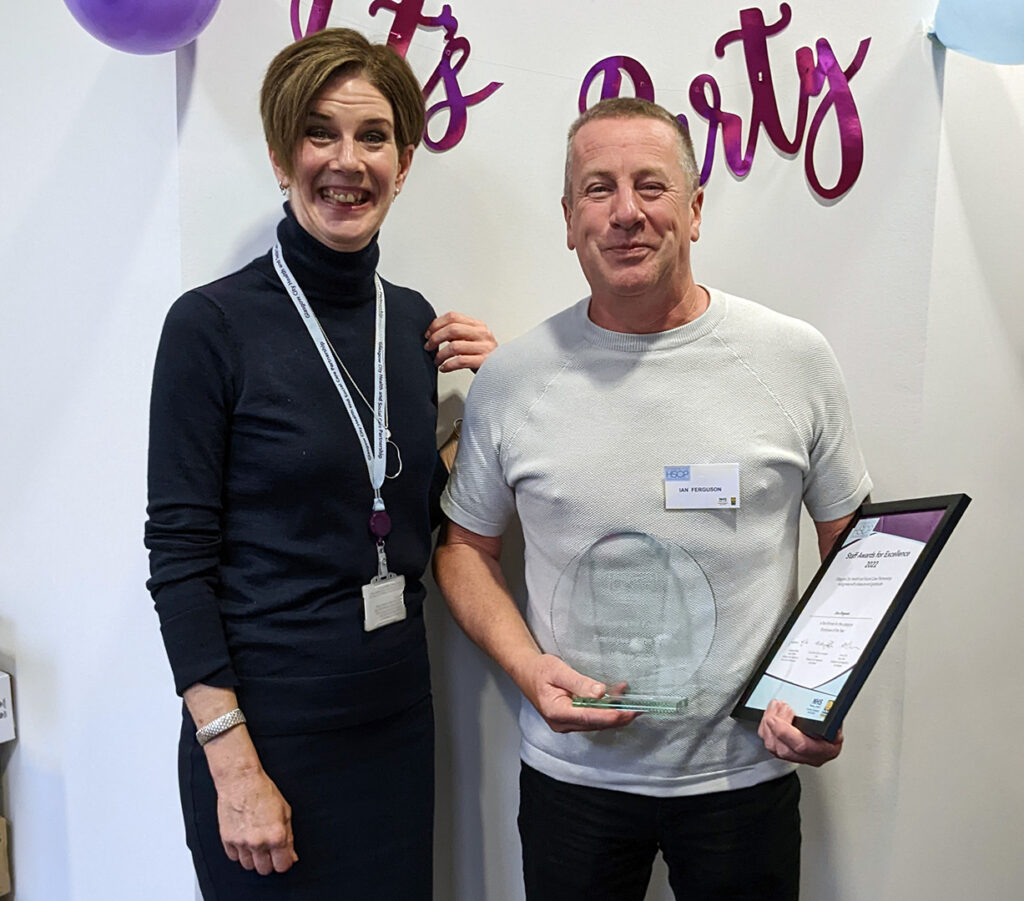
Ian is a longstanding member of the Mental Health Team at Florence Street Mental Health Resource Centre, providing social work services to the south of Glasgow.
It’s said he has a fountain of knowledge and is always willing to share this with others.
Ian, who has strongly retained his social work values, always makes himself available to service users in crisis, responding in a way that is supportive, considered and without judgement. He has an in-depth understanding of mental health and wellbeing.
Ian has not let increasing demands impact on the service he has provided and has even written poems and helped secure a university placement for a service user who has no family and has been impacted by deterioration in their mental health.
Leader of the Year
Anna Toland
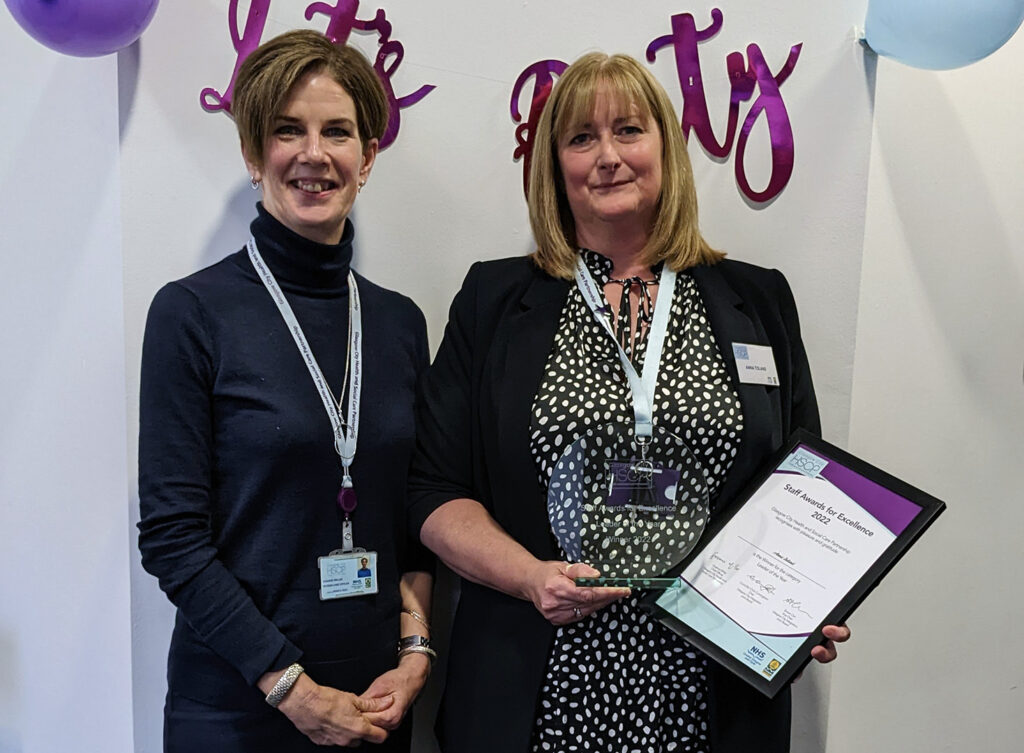
Anna’s support and enthusiasm has been inspiring to her team all through the pandemic, whilst ensuring vital services for service users continue. Her team say she has outstanding leadership qualities and is always able to offer appropriate and clear direction when its needed.
She organised an induction programme for colleagues who joined the team during the pandemic recognising how difficult it was for these new team members to integrate at a time where they were unable to physically shadow others; to build their networking; and to meet their peers.
Anna’s role as team leader has been a critical part of the business for strategic planning to promote transformation in shifting the focus to ensure partnership working and enabling and supporting older people to remain at home.
Innovation of the Year
Older People Residential and Day Services and Care Home Liaison Psychology Service
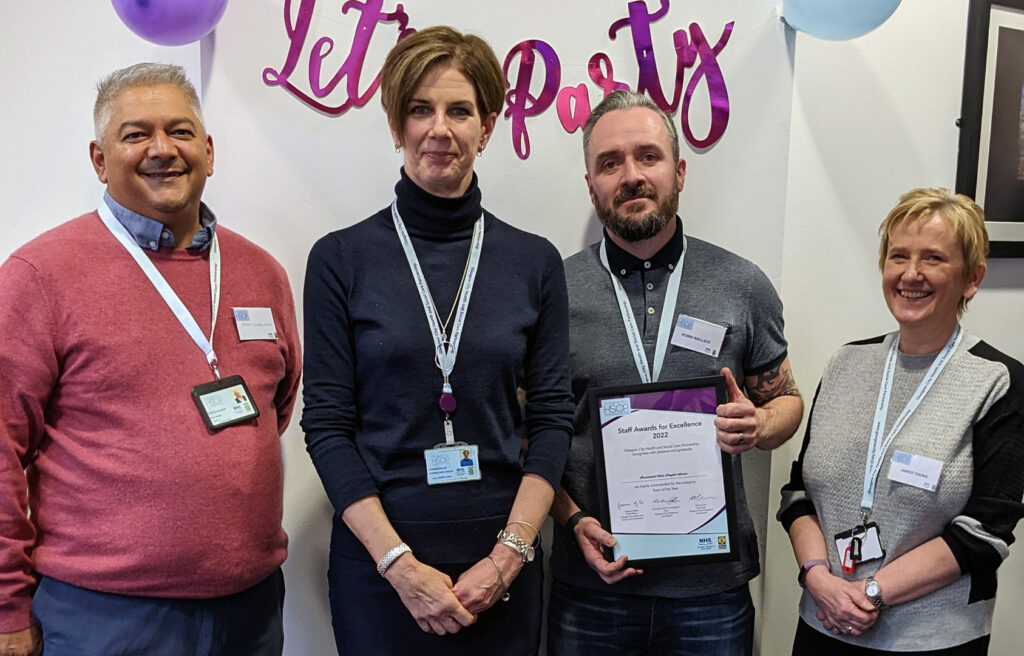
The COVID-19 pandemic had a significant impact on how our five residential care homes for older people delivered services.
A key priority for this critical care service has been our staff mental health and well-being and helping them remain both physically and psychologically well to cope with the extraordinary demands and pressures within a very stressful and often emotionally charged environment.
In collaboration with psychological services of NHS Greater Glasgow and Clyde, they developed a “20 Minute Care Space” which all 755 staff were able to access day and night – to reflect on lived experiences with colleagues. It’s since been recognised as an area of Excellence in Best practice by the Scottish Government and Care Inspectorate and rolled out across other Care Homes.
Volunteer of the Year
The Peer Naloxone Programme Team Champions
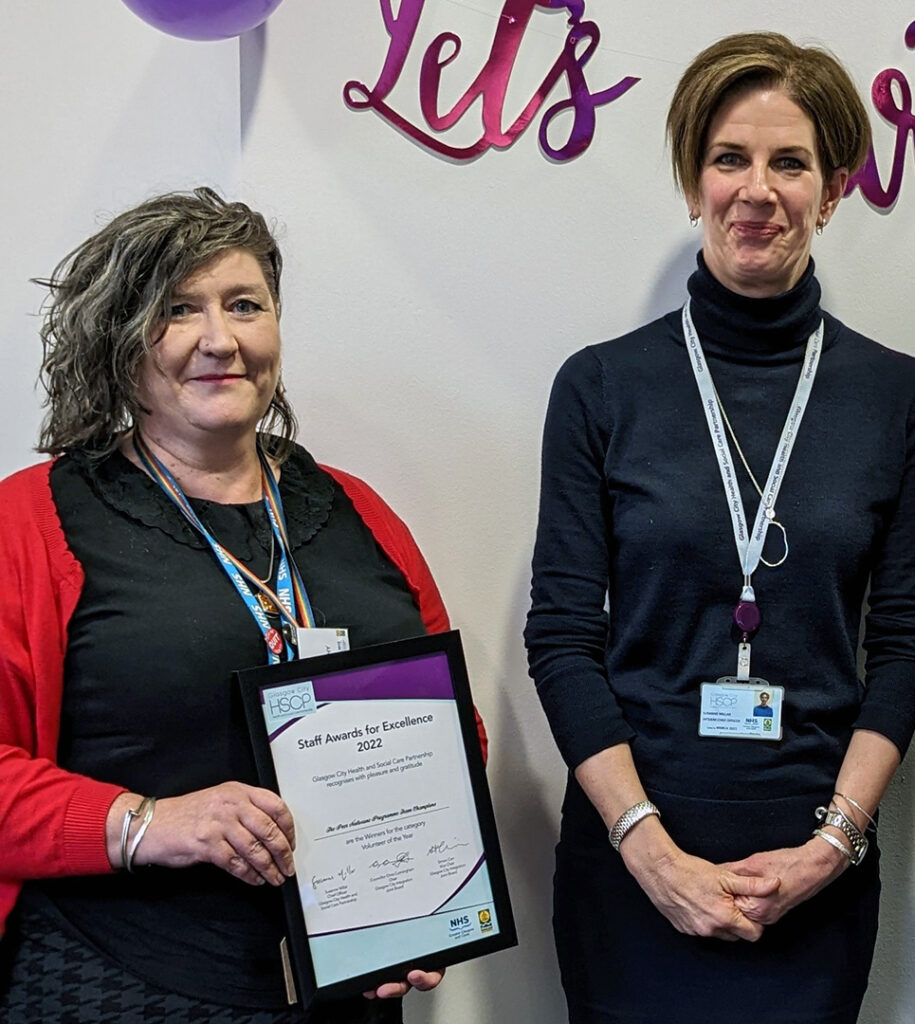
The Peer Naloxone Programme provides an opportunity for those who live in prison to participate in a coordinated and supported approach to a peer supply model of Naloxone. Peer mentors were recruited to support the peer delivery of Naloxone Training and distribution.
This service is unique, and the mentors have contributed to saving lives and reducing drug deaths recorded in Scotland.
Peer Champions participate in a number of training sessions. These training sessions equip the mentors with the knowledge and skills to carry forward their peer mentor role.
Peer Champions provide evidence-based overdose prevention messages, help to dispel myths and encourage safer drug using practices. Peer Champions offer Naloxone training and issue Nyxoid (Nasal Spray Naloxone) to their peers the night before liberation.
Human Resources & Organisational Development
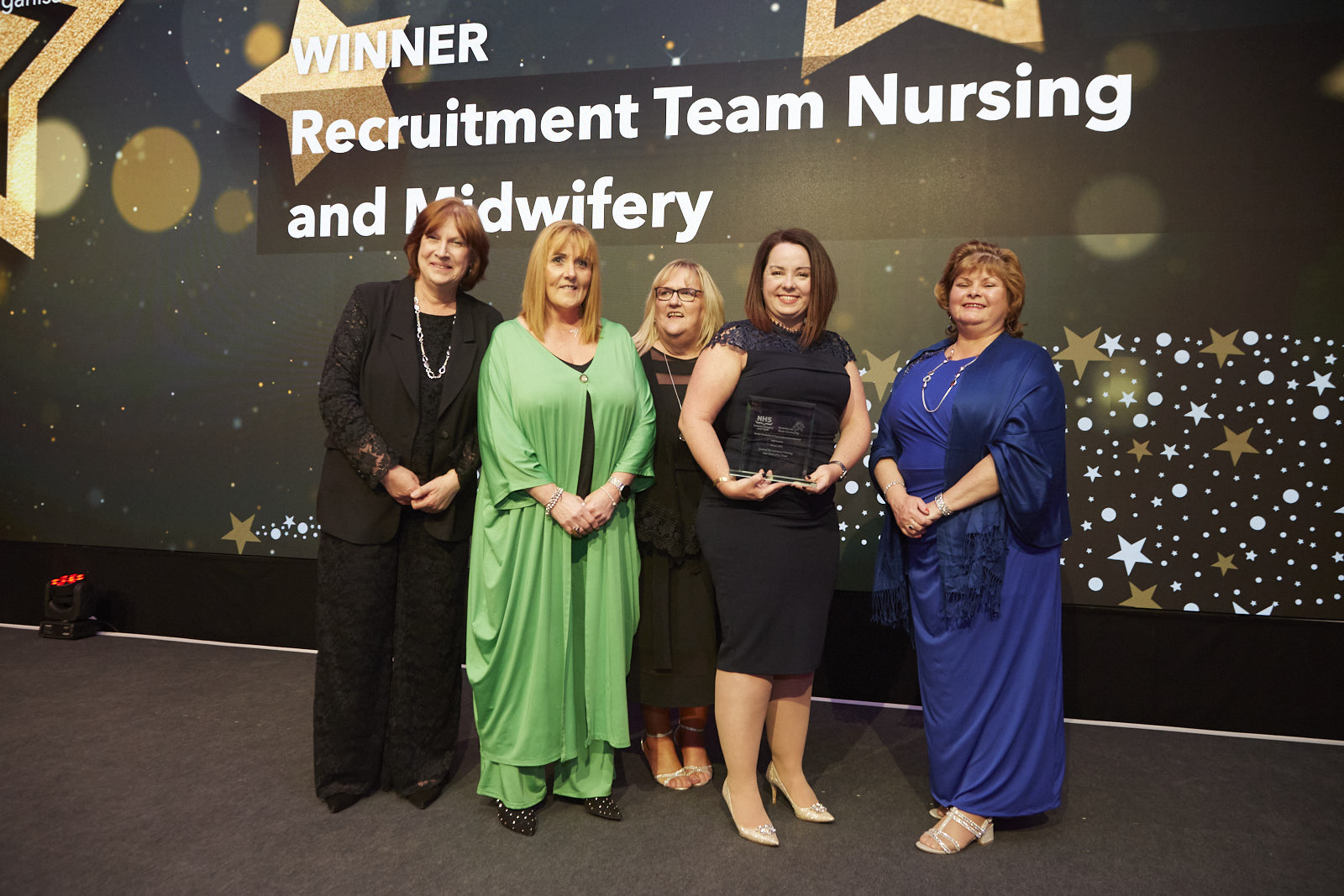
Overall Winner – Recruitment Team, Nursing and Midwifery
Overall Winner Nominees
Team of the Year
Recruitment Team – Nursing and Midwifery
The NHSGGC Recruitment Team have put into action a new approach to increasing candidate engagement for registered and non-registered Nursing/Midwifery staff.
This work was necessary to find a solution to expand the current recruitment pathways to address the recruitment challenges that have surfaced particularly over the pandemic period and post pandemic. Most specifically those challenges in either ’hard to fill’ nursing /Midwifery specialties or geographic locations.
We have had the opportunity to share our skills with other NHS Boards either through helping them use our expertise in the Job train recruitment system reporting functionality, and the great success achieved through supporting the Scottish Ambulance Service, realigning their Mobile Testing Unit Staff to HCSW Roles with GGC.
Employee of the Year
Nicola Purdon
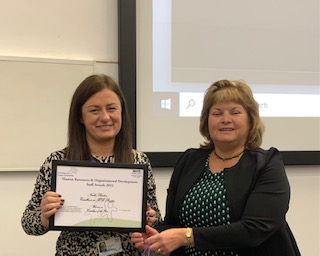
Nicola has demonstrated outstanding support to the Test and Protect Transition Workforce Group enabling NHSGGC to effectively manage a range of complex workforce issues involved in the cessation of a significant temporary service under a high level of public and political scrutiny.
The scale of the task, along with the range and complexity of employee relations issues involved, was at times challenging. She showed great resilience, dealing confidently and competently with all stakeholders, building strong relationships with staff partners and supporting local managers, as well as dealing sensitively with staff facing the prospect of their GGC employment coming to an end.
Nicola has shown excellence in HR practice which is worthy of recognition.
Leader of the Year
Lisa Reilly
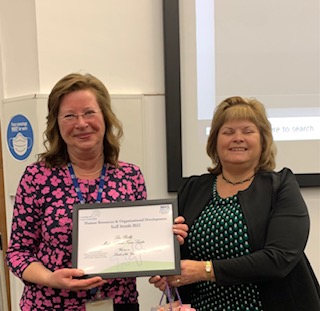
Lisa takes complete ownership of the medical bank. She knows virtually every doctor on the bank individually, and equally knows every service manager and roster co-ordinator.
Lisa makes it her responsibility to recruit additional medical staff regularly, in particular enrolling new junior doctors when they rotate into GGC, encouraging them to join directly with us, rather than work via an agency.
She is hugely passionate about her job, quietly driven to fill shifts, with an unparalleled set of moral and ethical standards.
Lisa’s approach to her work, the manner in which she conducts herself and perhaps most importantly the quiet way in which she leads, encourages, coaches, motivates and supports her team is remarkable.
Innovation of the Year
International Recruitment Team – Mathew Pay, Heather Lang, Fergus McIntosh
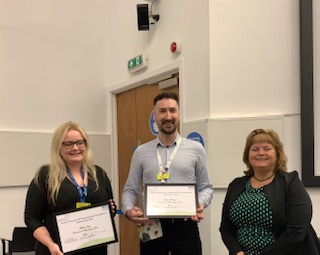
Mathew, Heather and Fergus approached international recruitment by providing a bespoke service attracting candidates from identified talent pools, providing person centred support and guidance to successful candidates through interview, and on boarding and induction.
The team successfully advertised, registered interest, arranged and supported interviews, and on boarded 50 internationally trained nurses.
The team provided an immense amount of support to the nurses, helping to arrange air travel, airport transfers, accommodation, training, etc. The team also provided support to the services who received the new recruits.
NHSGGC were the only Board to successfully recruit internationally trained nurses.
Inverclyde HSCP
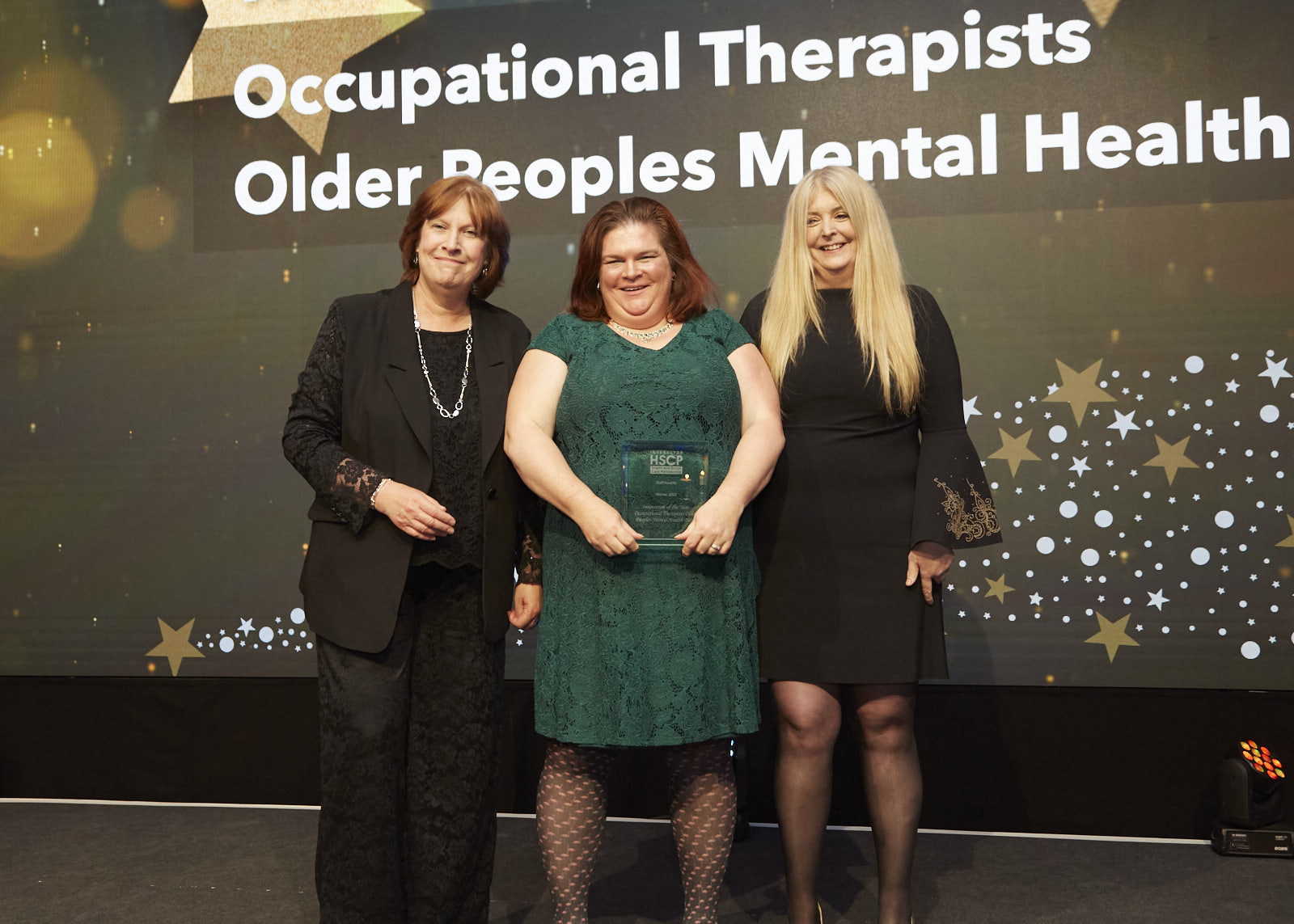
Overall Winner – Occupational Therapists Older Peoples Mental Health Team
Overall Winner Nominees
Team of the Year
Learning Disability Day Opportunities Staff Team and Service Users at Fitzgerald Centre
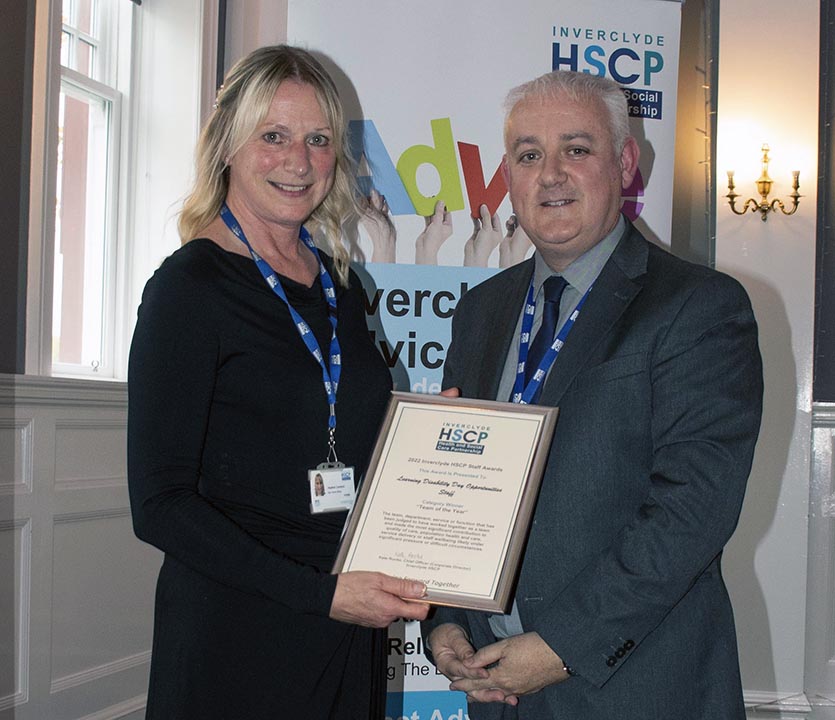
During Winter Wellness Week staff/teams were encouraged to take part in various health and wellbeing competitions.
The team and those they support, virtually travelled to Japan to accomplish the Mount Fuji challenge. This took the staff and service users on a 46-mile (74km) journey around the Fuji Five Lakes and up to the peak. Their steps and distance were calculated including swimming, walking and carrying out physiotherapy exercises.
Over the week the team completed the challenge twice, on the third attempt they made it up, but didn’t manage to come back down, but felt that this was okay as the views are magnificent!
Everyone enjoyed it so much that they have decided to keep going over the coming months!
Employee of the Year
Fiona Carrol
Fiona has demonstrated exceptional commitment to the children and young people of Inverclyde through her hard work in speaking to children and young people where welfare and/or child protection concerns have been raised and completing assessments that keep their voices at the centre.
She has supported many families through extremely difficult and complex circumstances, always demonstrating empathy and patience.
Fiona’s standard of report writing, assessment and analytical skills are consistently of an excellent standard.
Fiona’s contribution in her role has been outstanding and is difficult to summarise the positive impact she has in the Service.
She is a highly valued member of the team who has always contributed positively and with empathy and careful consideration as to the best interests of the child.
Leader of the Year
Loranda Guinea
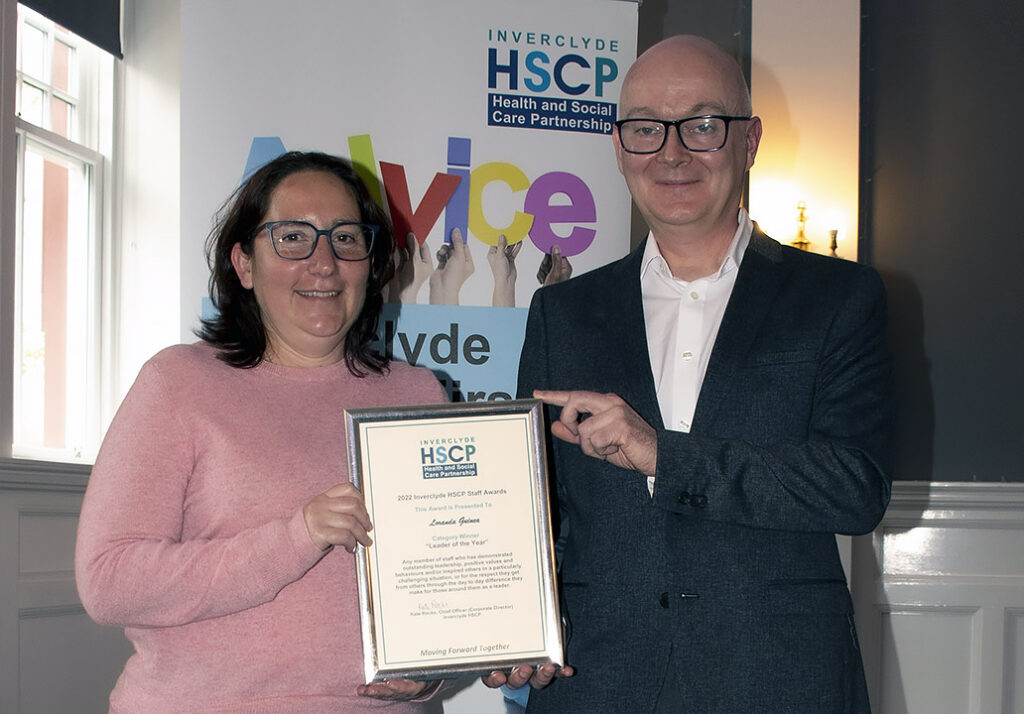
Loranda has worked within the Inverclyde Community and Specialist Community Paediatric Team for 20 years she has shown her ability to be a flexible, dependable, innovative leader who grows and develops to meet the changing needs of the population of Inverclyde and the service.
She has worked and excelled in compassionate leadership as role model and influencer on community children nursing, supporting children in their homes with complex needs, including palliative care at home, to integrated working with acute sector, with ambulatory care and outpatient provision at L North, Inverclyde Royal Hospital, to disability nursing services for new and review referrals for children with complex needs in school and community clinics, to laterally neuro diversity and childhood autism assessments.
Innovation of the Year
Occupational Therapists Older Peoples Mental Health Team – Michelle Murray, Sharon Logan, Paula Graham
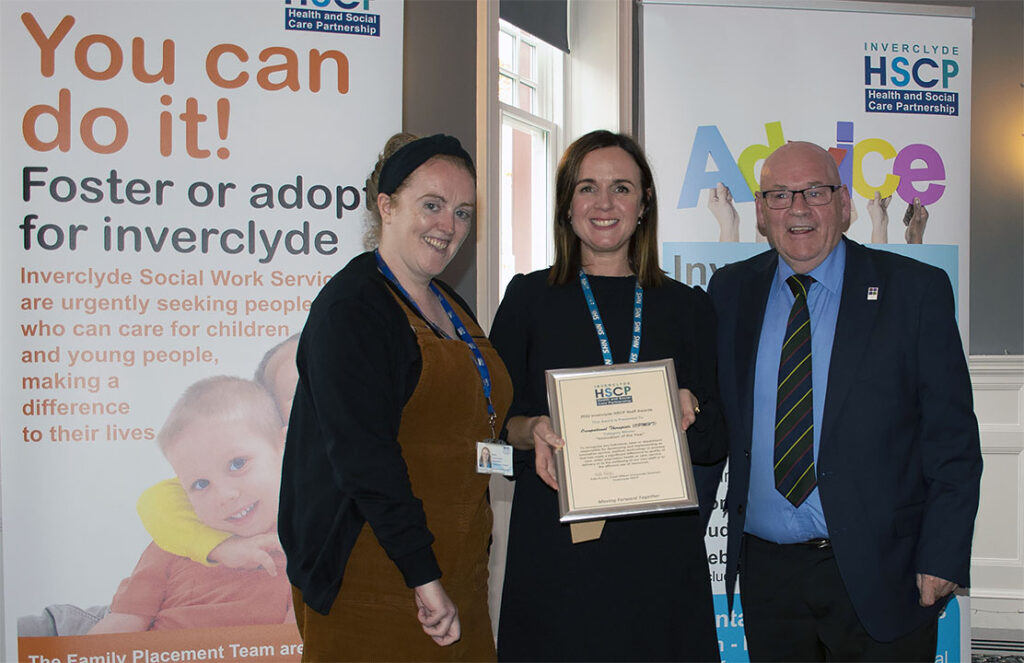
Despite the restrictions and adversities of the pandemic, the occupational therapy service has demonstrated resilience, ingenuity and determination to successfully achieve a new face-to-face group for people living with dementia.
Journeying through Dementia is an occupation-based group programme that aims to support people at an early stage of their dementia journey, to engage in meaningful activities and maintain community connectedness.
Throughout all the co-creation activities, people with dementia were clear that they wanted to have the opportunity to access groups that offered practical advice and support of how to continue to live well with the condition. The aim of the program is to promote continued engagement in meaningful activity by equipping individuals with the knowledge, skills and understanding of ways to do the things they enjoy for as long as possible.
Volunteer of the Year
Port Glasgow Voluntary Transport Group
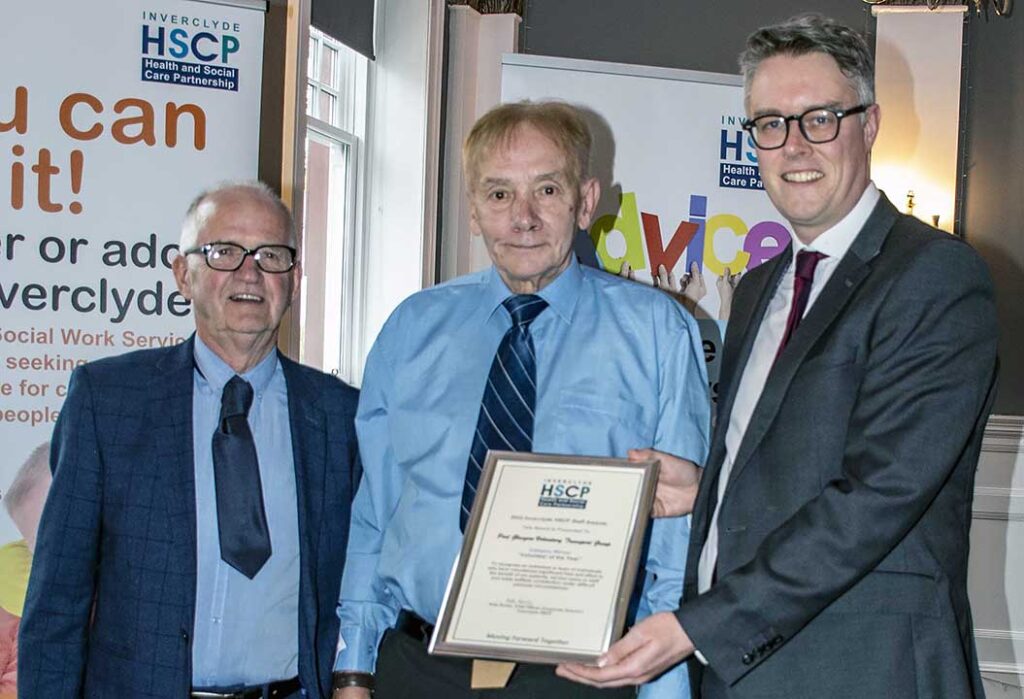
This group of volunteers selflessly gave their time in very difficult circumstances during COVID lockdown when many stayed at home.
Throughout, the volunteers worked closely with HSCP Learning Disability service to deliver hot meals to isolated and vulnerable people in the community, this complimented HSCP staff and other groups of drivers.
They continued to transport service users, HSCP, and third sector staff to locations where they would be supported during the day, while adhering to infection control measures.
From March 2020 the volunteers and escorts have been integral to the delivery of the HOME1st Transport pilot and have transported patient’s home from hospital, to and from care home respite, and other locations.
They have never refused a Transport request from the HSCP Dispatcher and have worked hard throughout, often at short notice and weekends, without hesitation.
Pharmacy Services
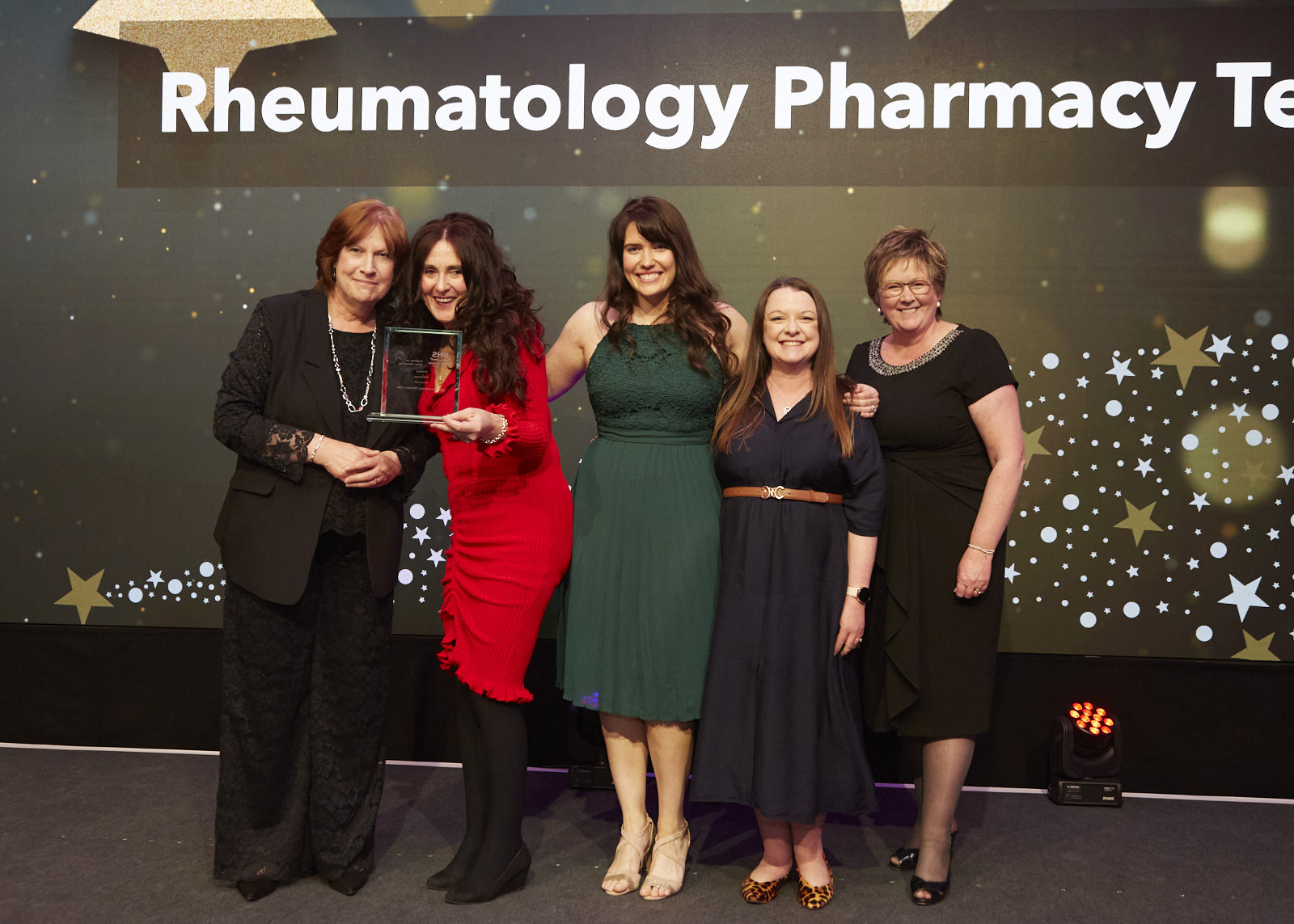
Overall Winner – GGC Rheumatology Pharmacy Team
Overall Winner Nominees
Team of the Year
GGC Rheumatology Pharmacy Team
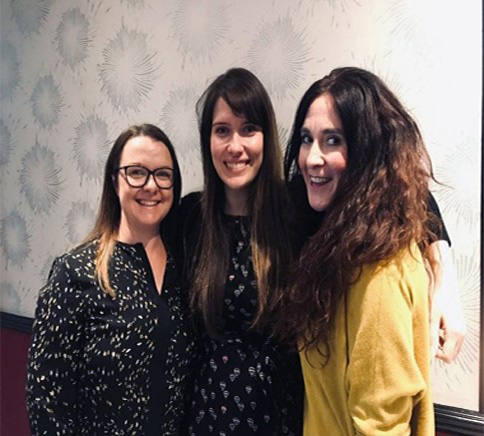
All three team members provide a mixture of in-patient and out-patient support at clinics to relieve consultants and waiting list pressures for rheumatology patients.
They have changed patient pathways to make drug delivery easier, give regular advice to the nurse specialist team for help line enquiries and home care issues, and responding to anxieties over COVID, vaccines and the many other issues that accompany immunosuppression and biologic drug therapy.
They perform clinical assessments of joints and skin and prescribe biologics and adjuvant therapies. One team member is now also doing joint injections to ensure a “one stop” clinic. In addition the team have made significant financial savings in medicines through biosimilar switching and tapering of biologics.
Employee of the Year (Joint Winners)
Amanda Hepburn

Amanda is dedicated to her profession as a pharmacy technician. Her constant drive to improve the department is inspiring.
She has lead on projects including near miss recording and education and training of new staff.
Amanda is the main link between pharmacy and specialist consultants and has ensured continuity of supply of medicines throughout the pandemic.
She is a fantastic example of a patient centred pharmacy technician with a passion for quality improvement.
Nathan Burley
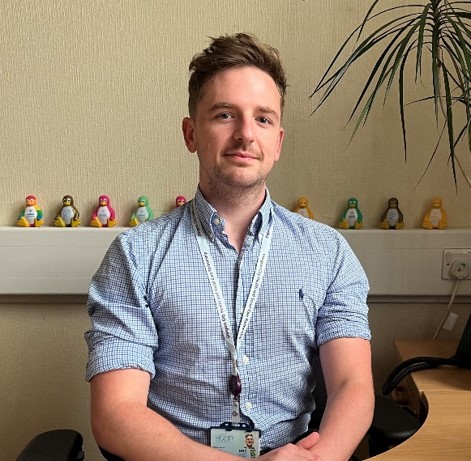
Nathan provided pharmacy input to the Monkeypox outbreak and vaccination programme.
He implemented medicines governance processes within Sandyford.
Nathan explores ways for Pharmacy Public Health to develop into other priority areas.
He is an elected president of GHP, a true team player, and an emerging leader.
And always with a smile!
Leader of the Year
Jenny Stirton
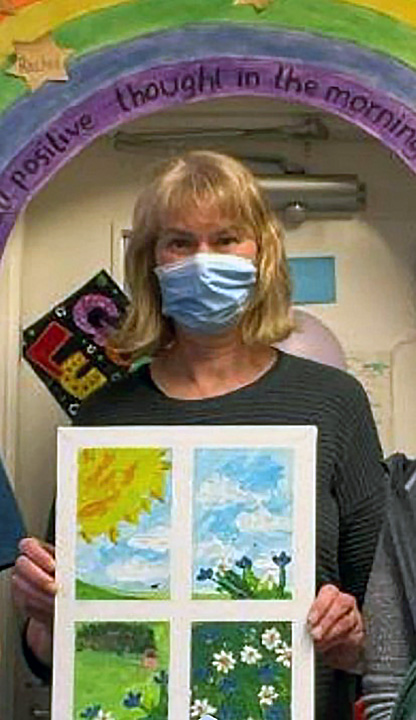
Jenny is a brilliant leader who truly cares about her team. She has pushed us all to develop further and made sure we have learning opportunities available. She undertakes a massive amount of work for one person. She is kind and considerate and makes us all feel supported at work.
She has been involved in developing new heart failure clinics and encouraging all of us to upskill ourselves to be involved in these so we are more visible to the patients. This has also helped us get more variety to our working week.
Jenny always leads by example. She supports all individuals in their development, encourages us to participate in decision making and is currently progressing the team’s clinical roles.
Innovation of the Year
Pre Operative Pharmacist Review Service
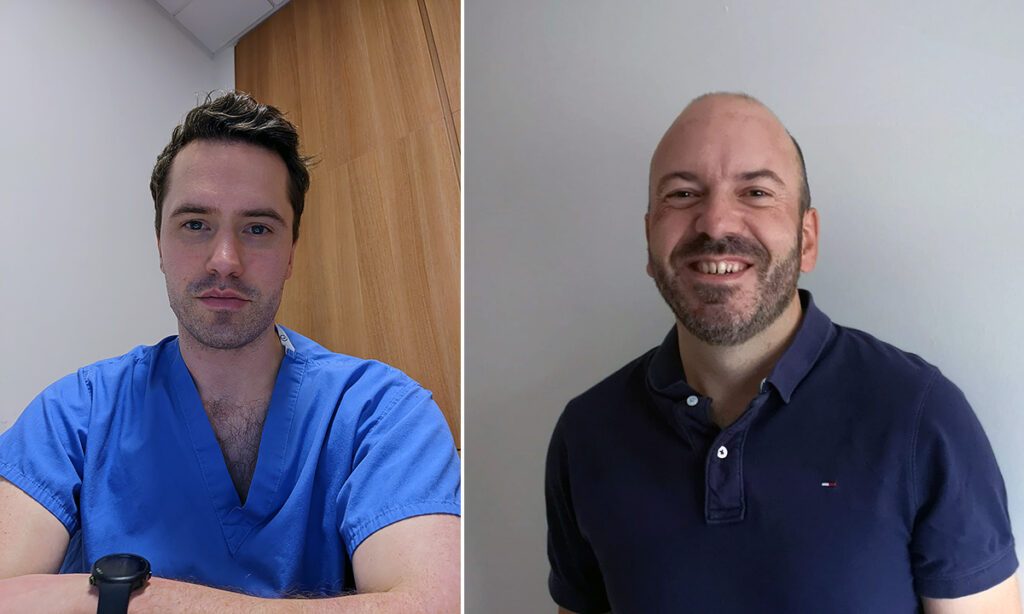
In February 2021, as part of the GGC Surgical Remobilisation Programme, funding was secured to trial a pathway of pharmaceutical care and medicine supply at selected sites.
This was undertaken by two experienced pharmacists and included development of an arthroplasty service at Stobhill and pre-operative review clinics for all sectors in GGC.
It utilises new ways of working, digital solutions, demonstrates advanced practice and has the patient at the centre of the process. The project has demonstrated improvement in patient care with significant reduction in post surgery healthcare encounters. This service is proactive rather than reactive, demonstrating cross boundary working and has improved job satisfaction for those undertaking this role.
Director of Pharmacy Award
COVID Anti-Viral Treatment for non-hospitalised patients
For delivering excellent patient care and leading the way nationally. This service is a government driven priority for NHSGGC and provides treatment for the patients at highest risk from COVID-19. Service pressures in all areas of healthcare and the complexity of the medication due to drug interactions meant other professions felt unable to take on this role safely.
The whole pharmacy team across acute care, primary care, community pharmacy, clinical trials, governance, PDC and specialist services came together to deliver a 7 day a week service assessing and treating patients with medicines delivered to their door under tight time pressures.
Patient feedback has been excellent.
Public Health
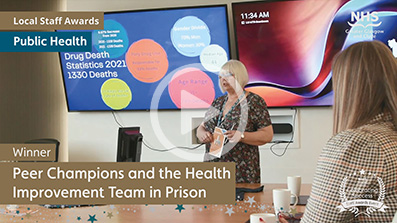
Overall Winner – Peer Champions and the Health Improvement Team in Prisons
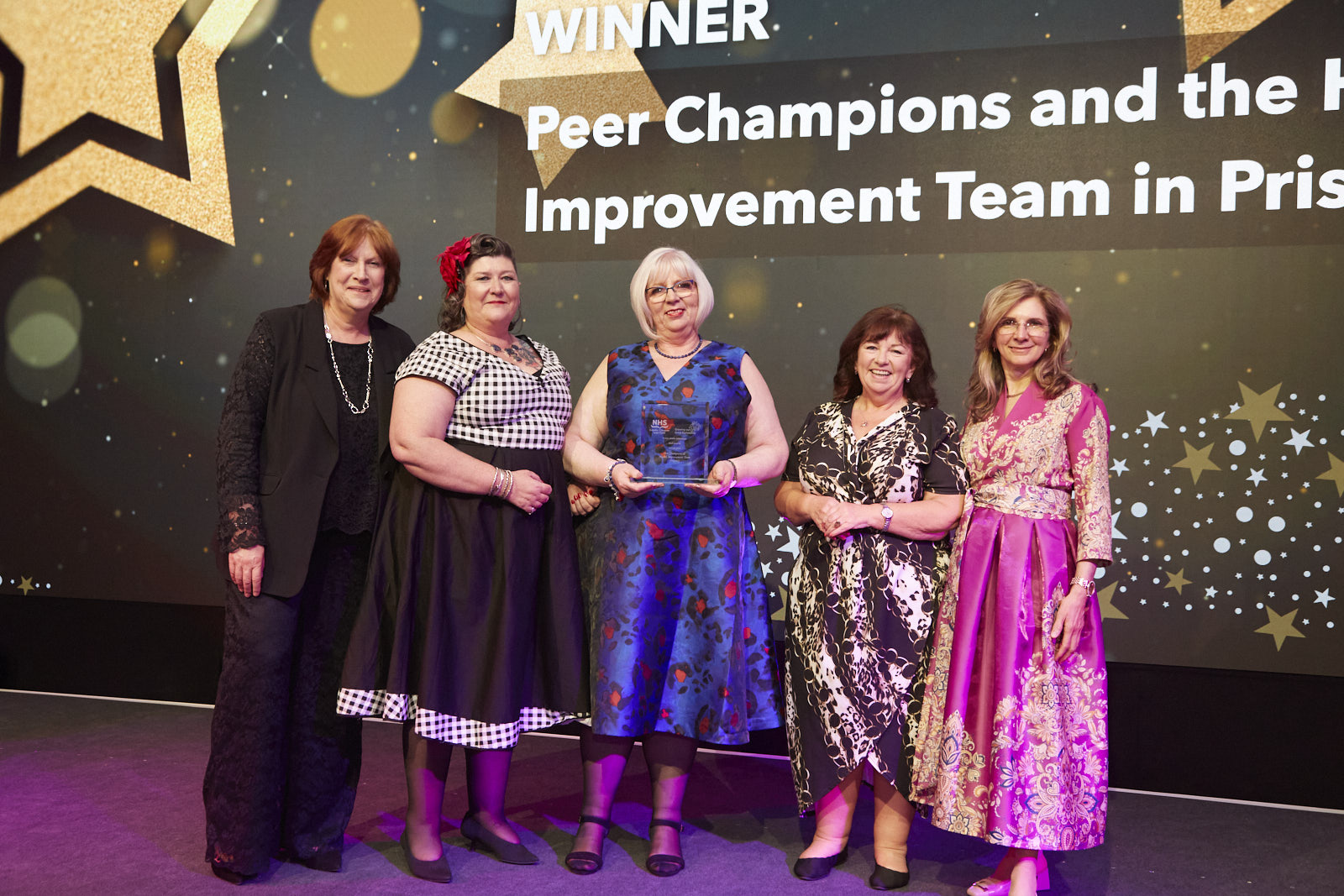
Overall Winner Nominees
Team of the Year
Type 2 Diabetes Hub
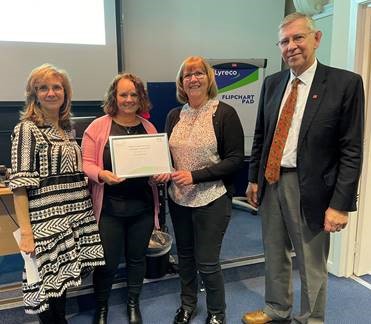
The T2D Hub supported the design and implementation of a pathway for newly diagnosed T2D patients into structured education, weight management, live active and smoking cessation support.
The hub contact all newly diagnosed patients and through motivational interviewing techniques, encourage them to engage with services. They have delivered an excellent quality of service to a large volume of patients. Since the launch of the pathway there have been approximately 90 new diagnoses each week. Alongside these patient contacts, the Hub staff work across a range of eHealth systems enhancing the Board’s use of Sci Diabetes, coordinate the T2D education programme timetable and respond to a range of queries from clinicians.
Award collected by Rose Scullion, T2D Pathways Facilitator and Marjorie Innes, Structured Education Training Coordinator on behalf of the T2D Hub.
Employee of the Year
Kirsty Howie, Team Lead of Immunisation
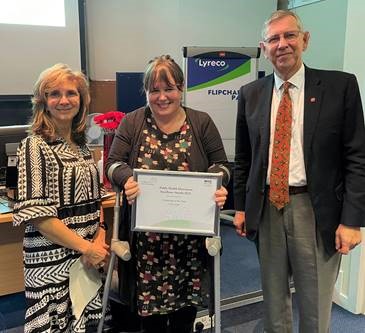
Kirsty has consistently gone above and beyond to ensure the staffing and smooth running of the busy vaccination clinics. She has been praised for her flexibility and hard work as well as her ability to cope with conflicting demands on her time.
Kirsty has been instrumental in ensuring the safe delivery of clinics, managing the many pressures placed upon the service – avoiding the potential cancellations of many appointments.
Kirsty demonstrates patient centred care, not only for any patient coming into a clinic but also for any staff member involved in the community vaccination programme.
In an ever changing landscape and with new guidance/challenges experienced frequently Kirsty has always been positive, inspiring and an excellent team player
Award presented to Kirsty Howie, Team Lead for Adult Immunisation.
Leader of the Year
Clair Marie Blair, Health Improvement Practitioner
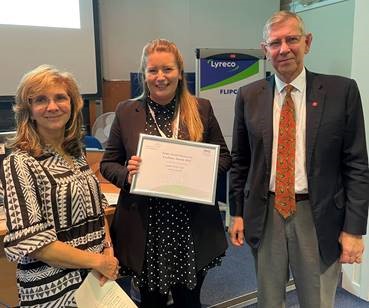
Claire Marie was key to the planning, preparation and delivery of the Naloxone Peer Mentor Programme in HMP Barlinnie and HMP Low Moss. The programme was developed to support the reduction in deaths in Scotland attributable to drug use and consists of people living in prison offering Naloxone training prior to a planned liberation date and issuing the individual with a supply of Naloxone Nasal Spray (Nyxoid).
Clair Marie demonstrated her compassion, empathy and enhanced emotional literacy through her communication with multiple stakeholders and engagement with the peer champions.
Peer Champions report that Claire Marie’s support made participating in the programme much easier and felt respected and valued as a mentor, a volunteer and a person.
Award presented to Clair Marie Blair, Health Improvement Practitioner
Innovation of the Year
Peer Naloxone Programme in Prisons
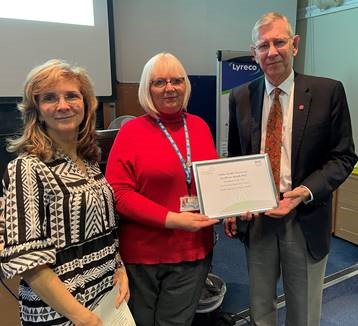
Naloxone Peer Champions were recruited by the Health Improvement Team in Prison with the support of the Scottish Prison Service.
The aim of the programme is to support the peer to peer delivery of Naloxone training and distribution to people about to leave prison. Developing and supporting peer to peer Naloxone supply is not new to NHSGGC, however it is an entirely new approach for people currently living in prison.
Peer Champions meet with everybody returning to community and not just those who are engaged with addiction services in prison. This increases the availability of Naloxone in wider communities.
People left prison more equipped to support others in their families and communities to be safer whilst engaging in drug use.
Volunteers of the Year
Naloxone Peer Champions
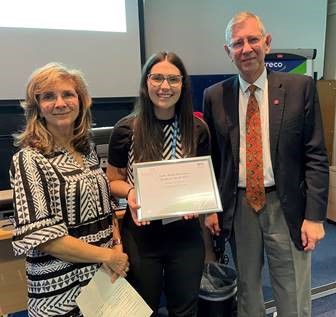
Naloxone Peer Champions were recruited to support the peer delivery of Naloxone training and distribution to people leaving prison. This service is unique and our mentors have had the opportunity to influence the number of deaths recorded in Scotland which are attributed to substance misuse.
We currently have 14 volunteers across Prison Health Care (PHC ) in HMP Low Moss and HMP Barlinnie. Since the project went live, we have delivered training in overdose awareness and the use of naloxone to 473 people leaving prison and returning to communities across Scotland. 83% of these people accepted Naloxone for the first time.
Award collected by Katie Yuile, Health improvement Assistant Practitioner on behalf of the Peer Champions
Regional Services
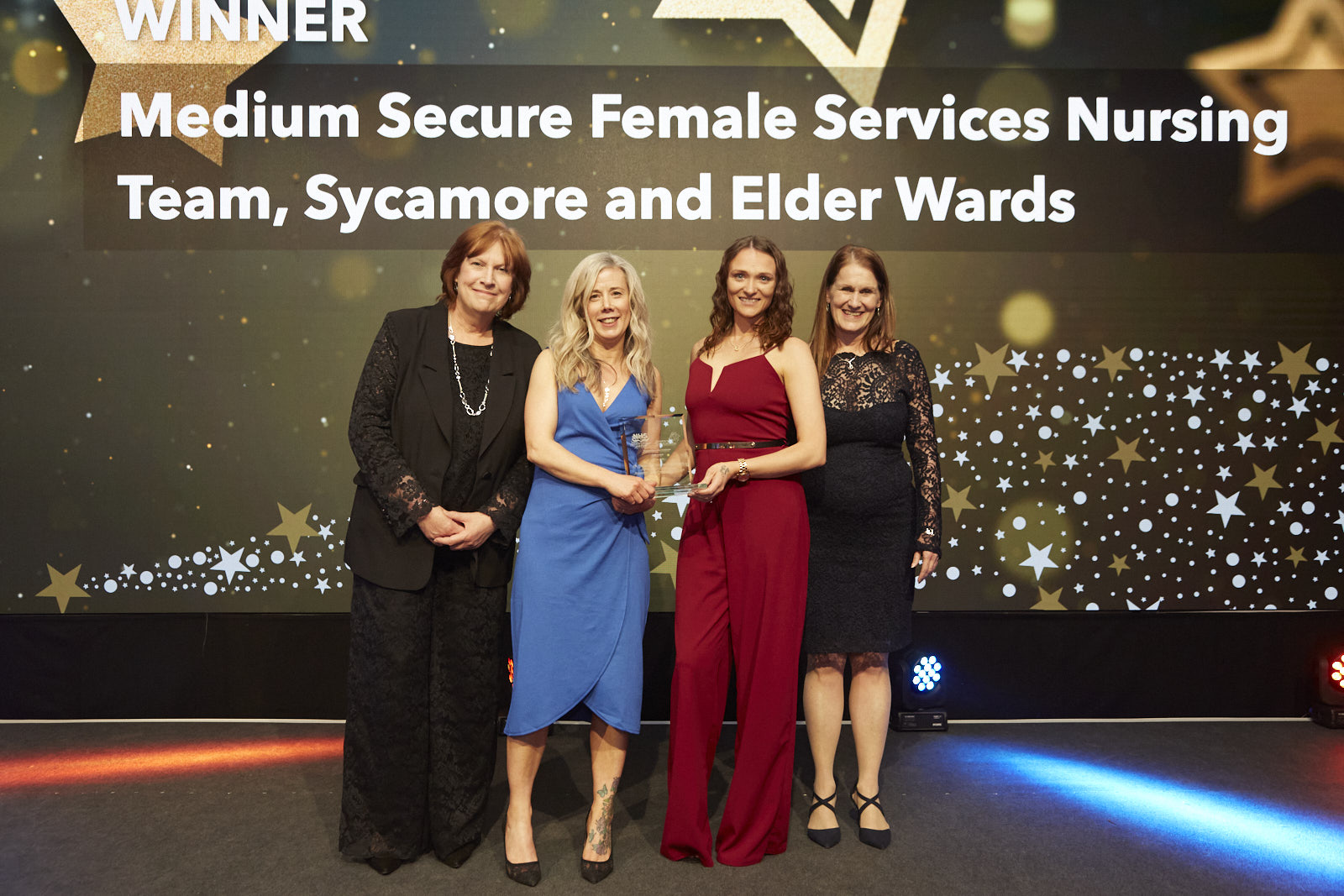
Overall Winner – Medium Secure Female Services Nursing Team, Sycamore and Elder Wards, Forensic Mental Health and Learning Disabilities
Overall Winner Nominees
Team of the Year
Medium Secure Female Services Nursing Team, Sycamore and Elder Wards, Forensic Mental Health and Learning Disabilities
Led by Senior Charge Nurses Kirsty Etherson and Theresa Shaw, these two medium secure female ward teams work tirelessly and compassionately to provide a safe, secure, person-centred and therapeutic environment and interventions for female forensic mental health patients.
Excellent high quality, non-judgemental care delivered jointly is the norm as a result of the desire to rehabilitate, care, think creativity, and risk manage on a consistent basis.
For our patients this means that they feel safe and secure and cared for, for some patients this is the first time they have received such care, compassion and emotional safety in their lives and for carers they feel reassured and supported that their loved one is receiving high quality care.
Employee of the Year
SCN Oudwin Griffith, INR
Oudwin is responsible for the Nursing Team in the Interventional Neuroradiology Service, and over the past year has taken on a number of additional responsibilities, including playing an instrumental role in integrating a seamless in-patient Mechanical Thrombectomy pathway, and coordinating training days for all staff.
This has resulted in increased awareness/engagement across multiple specialties and confidence within the INR team, providing great benefit to patients.
Every day, Oudwin goes above and beyond for our INR patients.
Having worked in a number of departments across the country, our patients are very fortunate to have an exemplary pathway, from the time they are seen in clinic, pre-assessment, procedure day, and post-operative care extending to meticulous checks when our patients are discharged home.
Leader of the Year (Joint Winners)
Lynsey and Leann are two examples of highly motivated and compassionate nurse leaders who strive to deliver the highest standards of person centre care for patients within their respective services.
SCN Leann Fenton, Elm Ward, Rowanbank Clinic, Forensic Mental Health
Leann is known throughout Rowanbank for her outstanding commitment to her patients, her team, and wider services every day, but, most of all, throughout the pandemic. Colleagues who worked with Leann during COVID-19 speak about the absolute joy and delight of working with her due to her tenacity and strength of character.
SCN Lynsey Watt, Ward B5 Beatson Centre
During the pandemic, Lynsey and her team went above and beyond to ensure that care was exemplary, person centred, safe and effective during the unprecedented situation that they and their patients and families faced. As a result, many patients and family members have positively acknowledged the highly valued care and attention that they received on the Care Opinion web platform.
Innovation of the Year
Dr Audrey Morrison
Audrey works in a research role as part of the Beatson Practice Development, Education & Research Team.
Following an external assessment process to retain a national quality standard, she received a small grant from MacMillan Cancer Support for a Creative Arts Project in the Macmillan Day Bed Unit, with the aim of producing a relaxing and comfortable environment for patients, whilst engaging patients and staff in the development and use of art.
The project resulted in a variety of wonderful art work being received from both patients and staff including drawings, paintings, poetry and collages, together with some lovely stories and inspirational messages which were displayed in the main waiting area.
A brochure was also prepared for World Art Day and the project featured in the What Matters to You day.
Renfrewshire HSCP
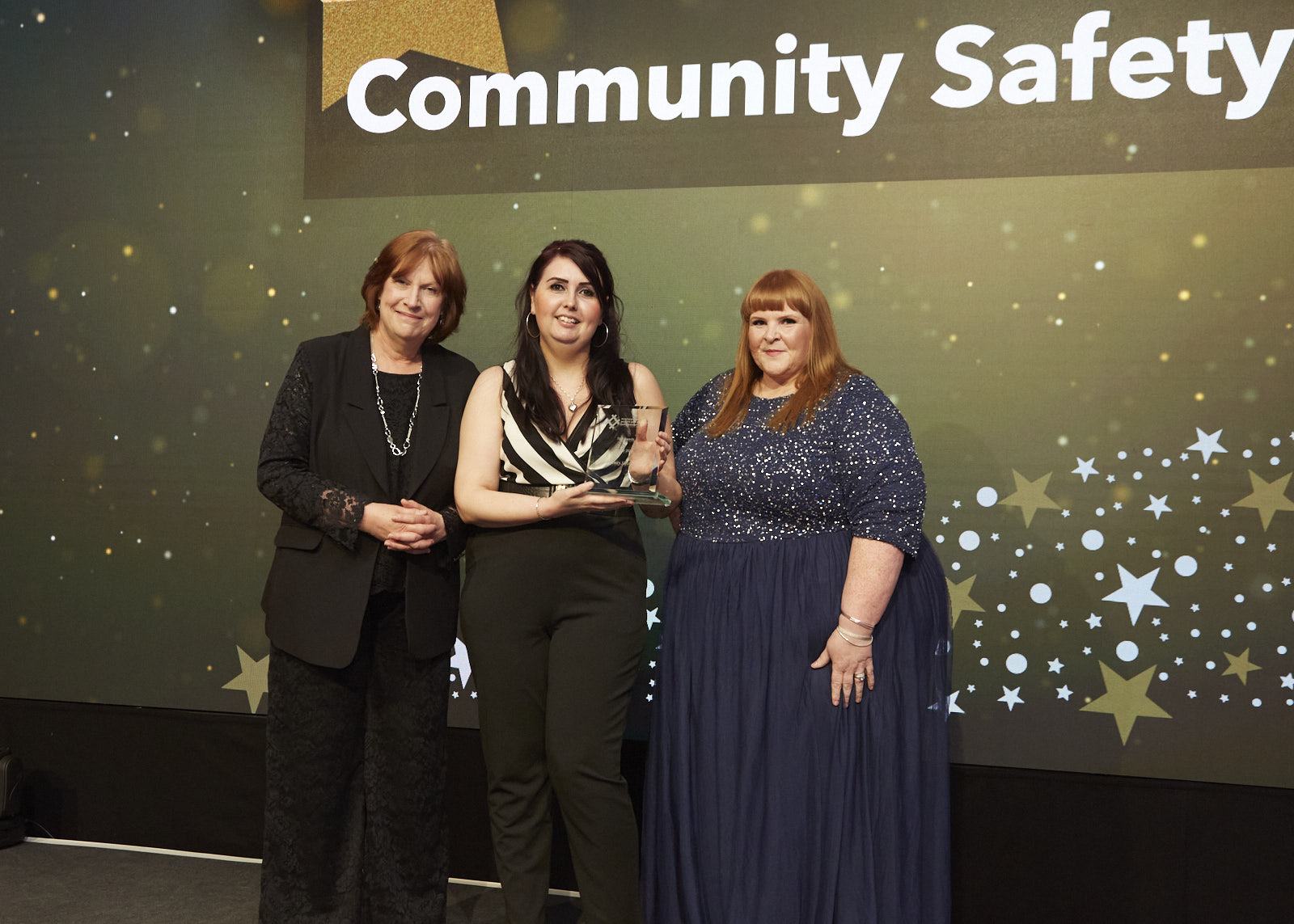
Overall Winner – Community Safety Service (Community Mental Health)
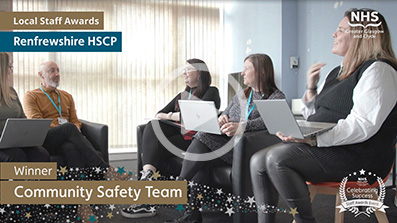
Overall Winner Nominees
Team of the Year
The Mirin and Milldale Day Opportunities (Adult Learning Disability Day Services)
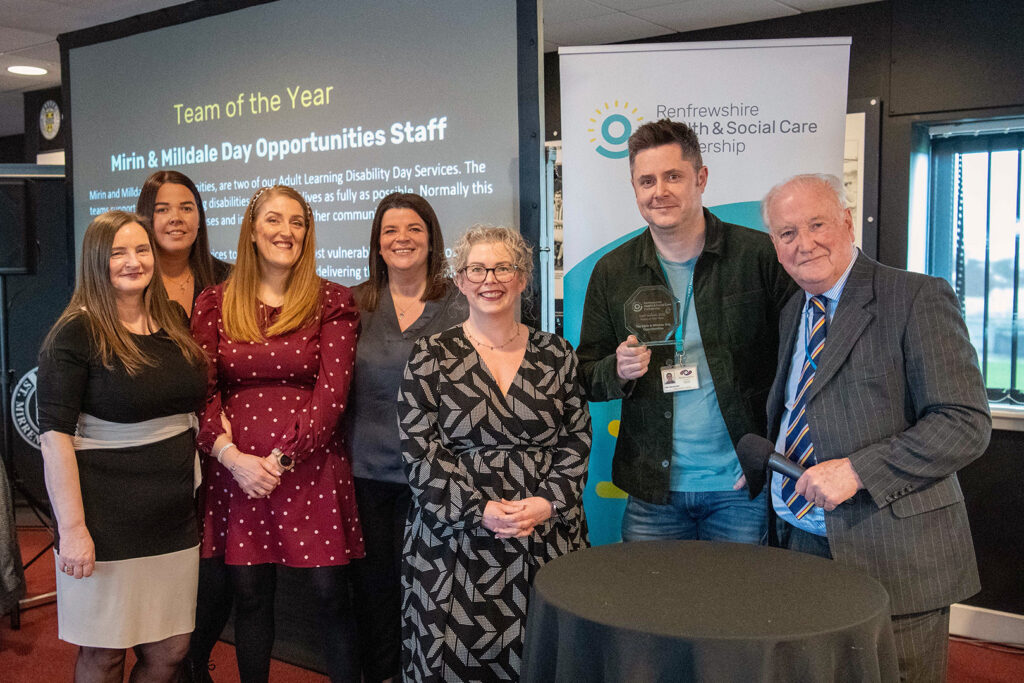
Mirin and Milldale Day Opportunities, are two of our Adult Learning Disability Day Services. The teams support adults with learning disabilities to live their lives as fully as possible. Normally this is facilitated using their building bases and integrating with other community groups.
The Teams continued to deliver services to Renfrewshire’s most vulnerable residents throughout the pandemic all while creating and adapting to new ways of delivering the service including technology.
They enabled service users to enjoy something akin to their normal service while allowing their parents/carers to maintain some of their routines. Staff were constantly providing reassurance, counselling and promoting a positive atmosphere to allow the lifeline service to continue.
Employee of the Year
Douglas Johnston, Suicide Prevention Coordinator
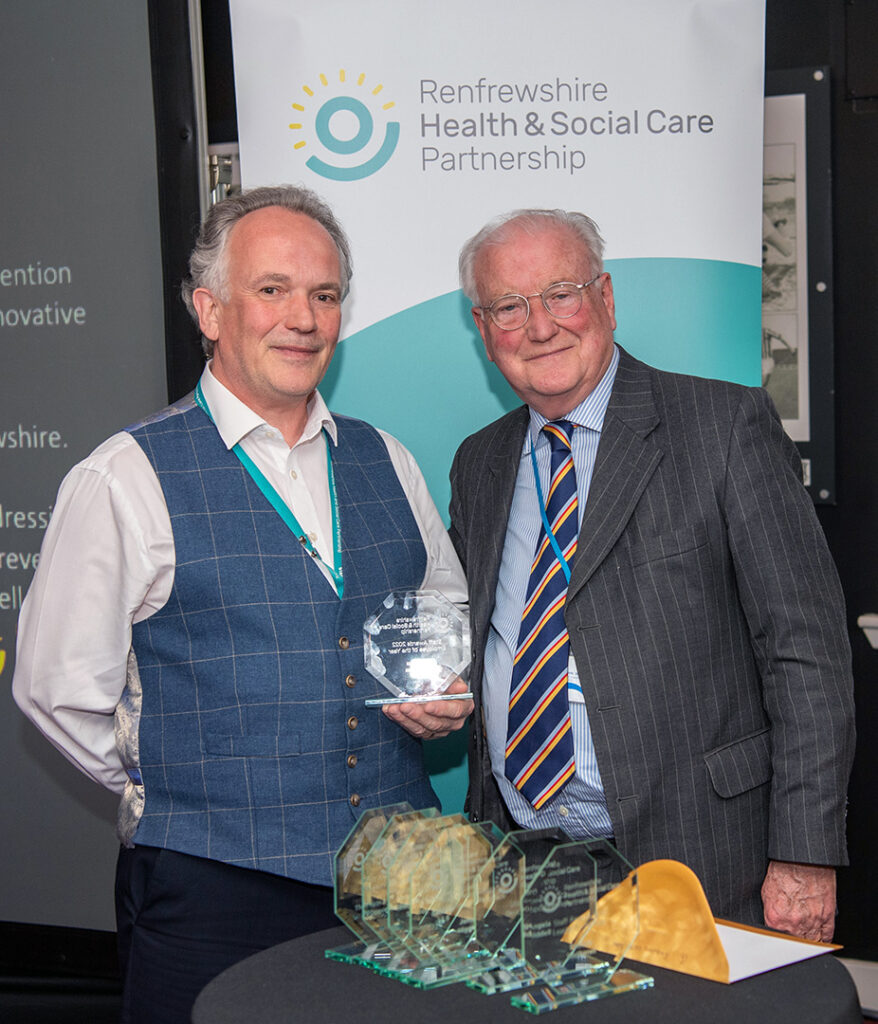
Douglas has worked for Renfrewshire HSCP since 2009 as the Choose Life Suicide Prevention Coordinator. His personal attributes include hard working, proficient, and dynamic innovative and demonstrates this within his day to day work.
Douglas makes a significant difference to not only the staff, but the people of Renfrewshire.
As an organisation, we are lucky to have Douglas lead on Suicide Prevention for us.
Douglas recognises that suicide prevention is a community issue, therefore when addressing this he reaches beyond mental health services. This is achieved by offering suicide prevention training programme to “anyone who lives and/or works within Renfrewshire”, as well as engaging community groups and other wider initiatives.
Leader of the Year
Patricia Wetherall, Renfrew Care Home Manager
Patricia is a remarkable individual. During the pandemic, she put in long hours supporting staff, families, and residents by listening to their concerns, emotions at a time that was very distressing.
She is a dedicated manager who gives every task 100% and more. Patricia ensures staff have the opportunity to re-evaluate practice skills so that going forward they excel in their job.
Patricia broke her foot last year, but still came to work so that she could support the staff in any way that she could.
Admiration is a word many would use, she is a hard worker, reliable, honest and nothing slows her down.
Innovation of the Year
Community Safety Service (Community Mental Health)
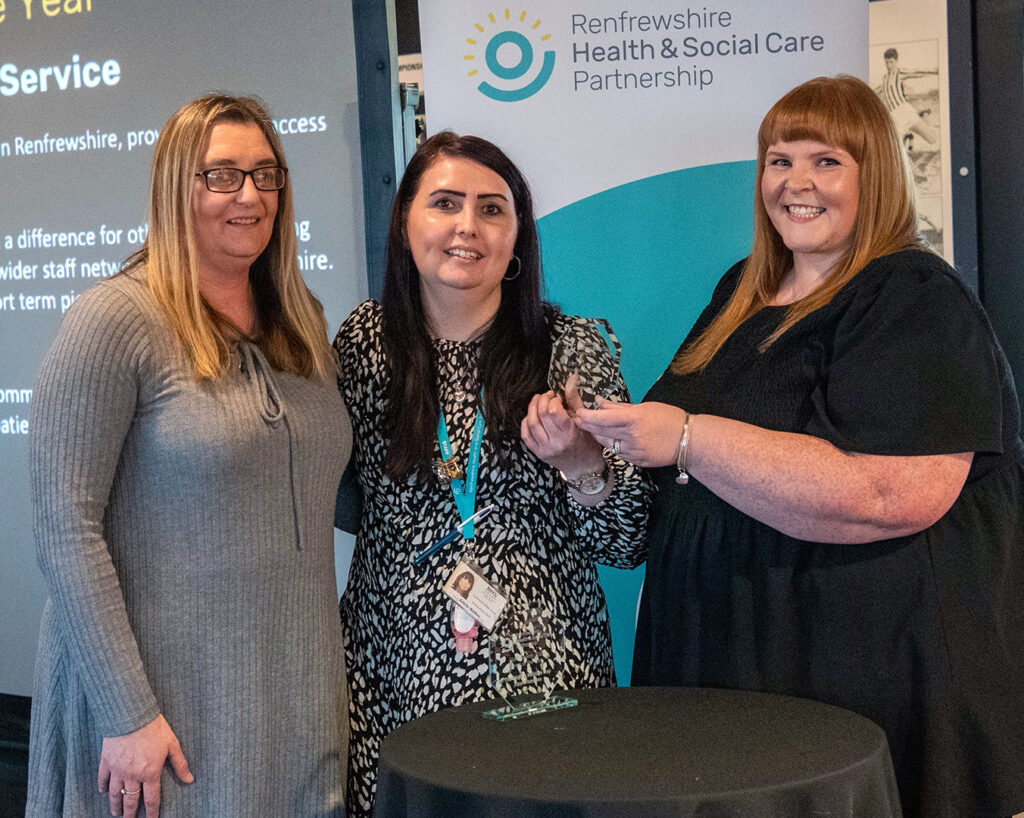
The Community Safety Team support wider agencies within Renfrewshire, providing easier access to mental health services.
As a team of Mental Health Nurses, they have made such a difference for other services having access to a mental health resource, providing support to wider staff network within Renfrewshire. They also hold a caseload for individuals to complete short term pieces of work and support individuals in mental health recovery.
Together they demonstrate great teamwork, effective communication, expertise and decision making whilst providing high quality recovery focused patient care and interagency working.
Community Involvement
Gateway ISS (Intensive Support Service), Learning Disabilities
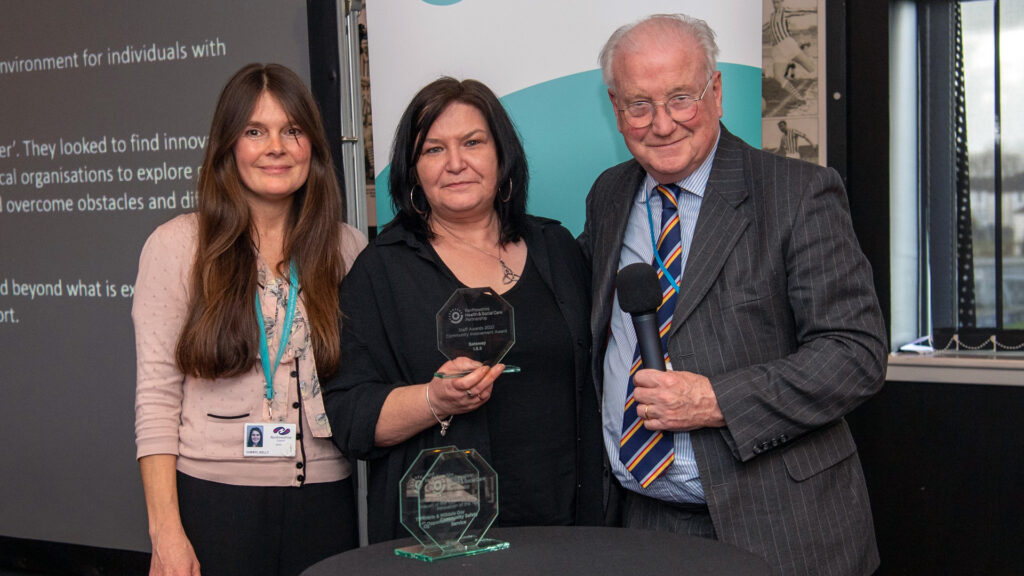
Gateway is a registered service which offers a therapeutic environment for individuals with Autism, complex needs and learning disability.
Gateway introduced an initiative called ‘It’s a Game Changer’. They looked to find innovative and creative ways to link up with council lead initiatives and local organisations to explore greater community involvement. They aim to remove barriers and overcome obstacles and difficulties with inclusion.
Gateway boasts a dynamic staff team that goes above and beyond what is expected of them, to meet high outcomes and goals for the people they support. They are highly skilled, trained, motivated, creative and innovative team.
Best Supporting Role
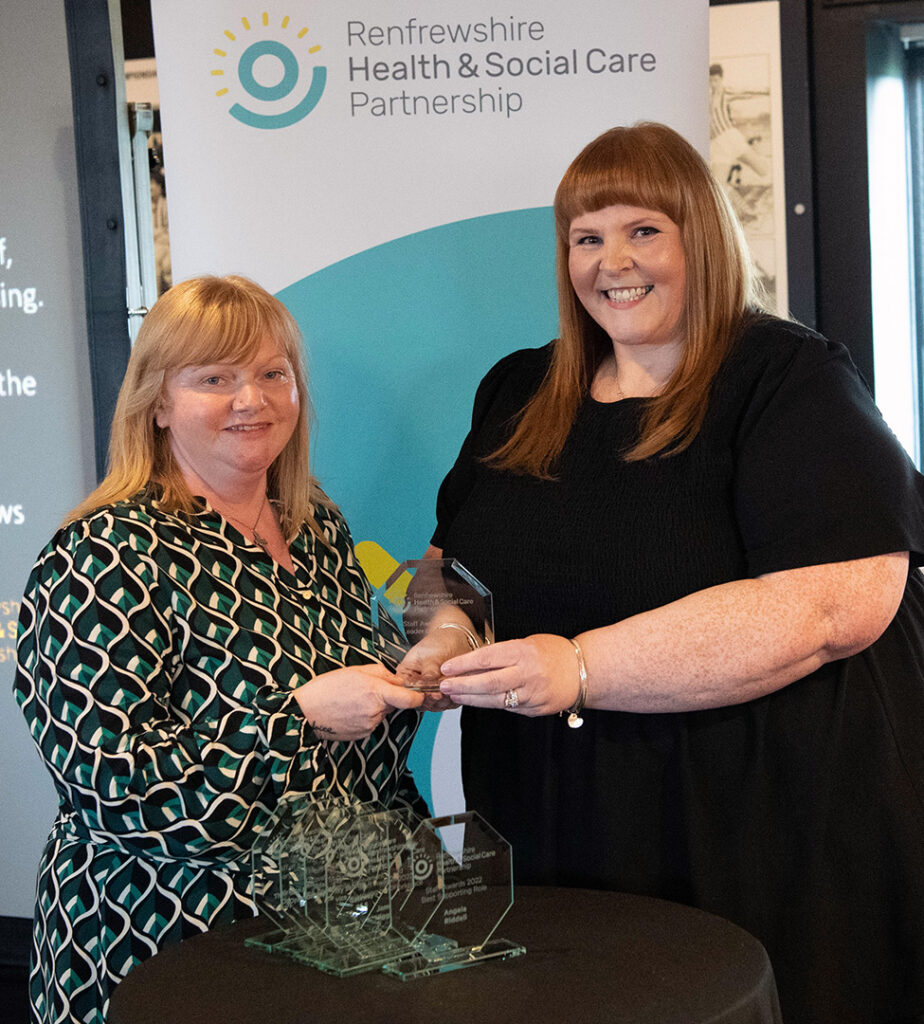
Angela Riddell, Change and Improvement Officer
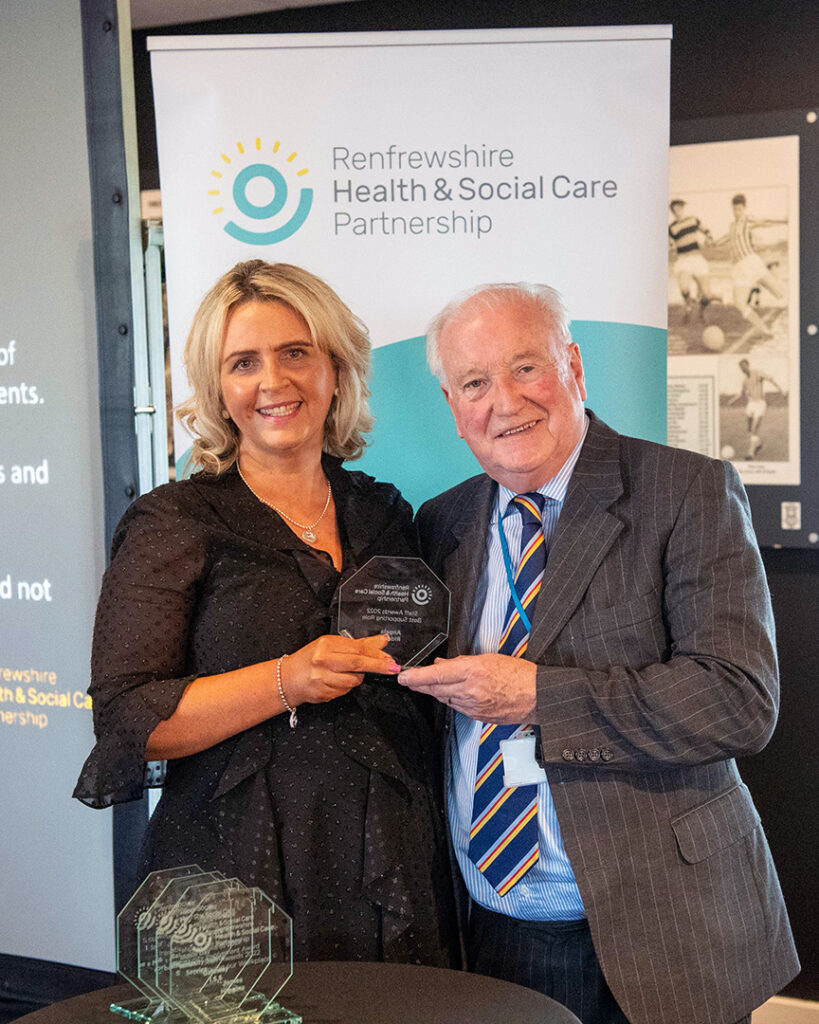
Angela is an asset to the HSCP. She shows drive and commitment every day in the delivery of Renfrewshire’s Primary Care Improvement Plan and our clinical care governance arrangements.
She consistently goes above and beyond to provide the best possible support to colleagues and GPs, with a consistent focus on improving outcomes for local people.
All of Angela’s colleagues continue to praise her contribution and recognise that they could not do their own jobs without her input.
We cannot praise Angela’s approach highly enough through her commitment to getting the job done, often working long hours to do so, and her ability to find innovative and pragmatic solutions to really challenging issues for our frontline and community-based services.
Improving Our Workplace
James Higgins, Corporate Business Officer
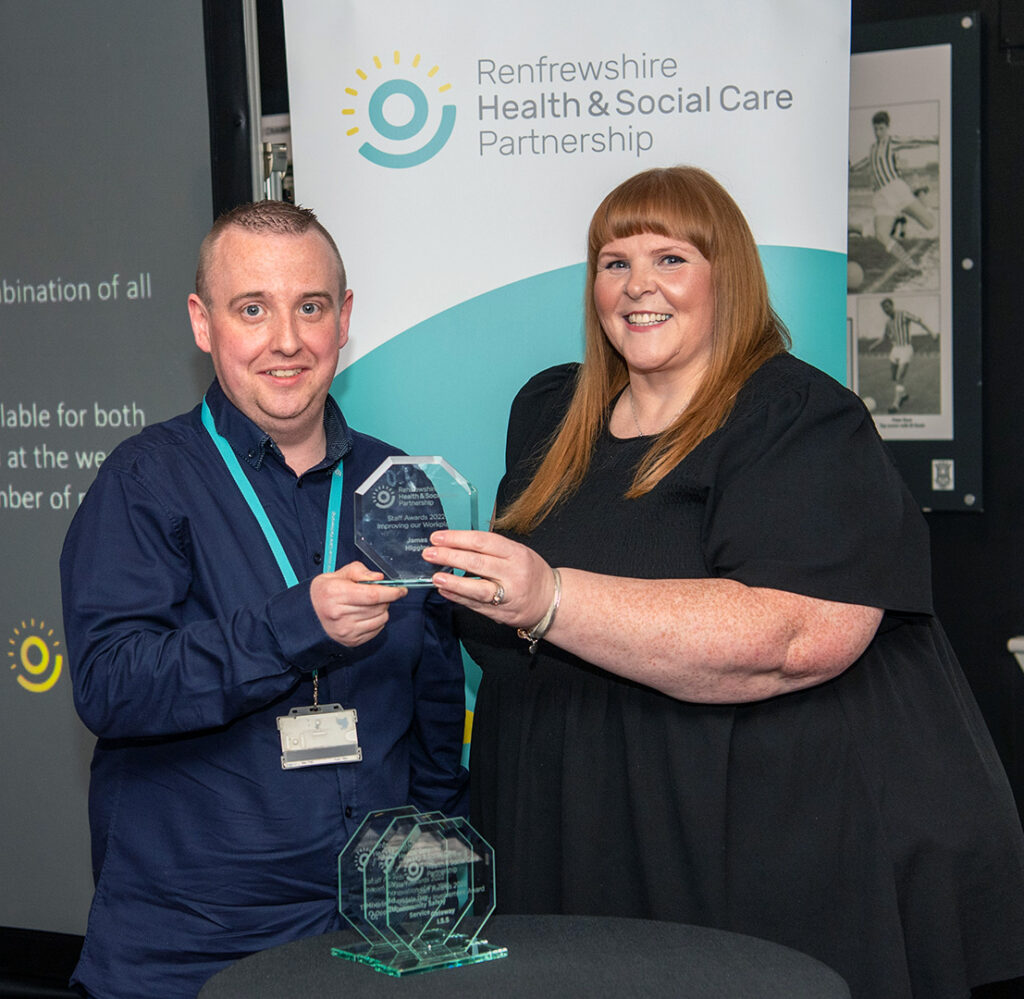
Everyone speaks highly of James, and are in awe of his knowledge and expertise, and his ability to know the right person to contact for any issue big or small.
It’s hard to explain the difference James makes, as it isn’t just one thing, it’s a combination of all that he does and how he does it.
Over the past couple of years he has been instrumental in ensuring PPE was available for both our own staff and our external providers – including phone calls late at night and at the weekend to source supplies when they were at risk. He has also stepped in to cover a number of roles over the period as well as still managing to do his day job.
West Dunbartonshire HSCP
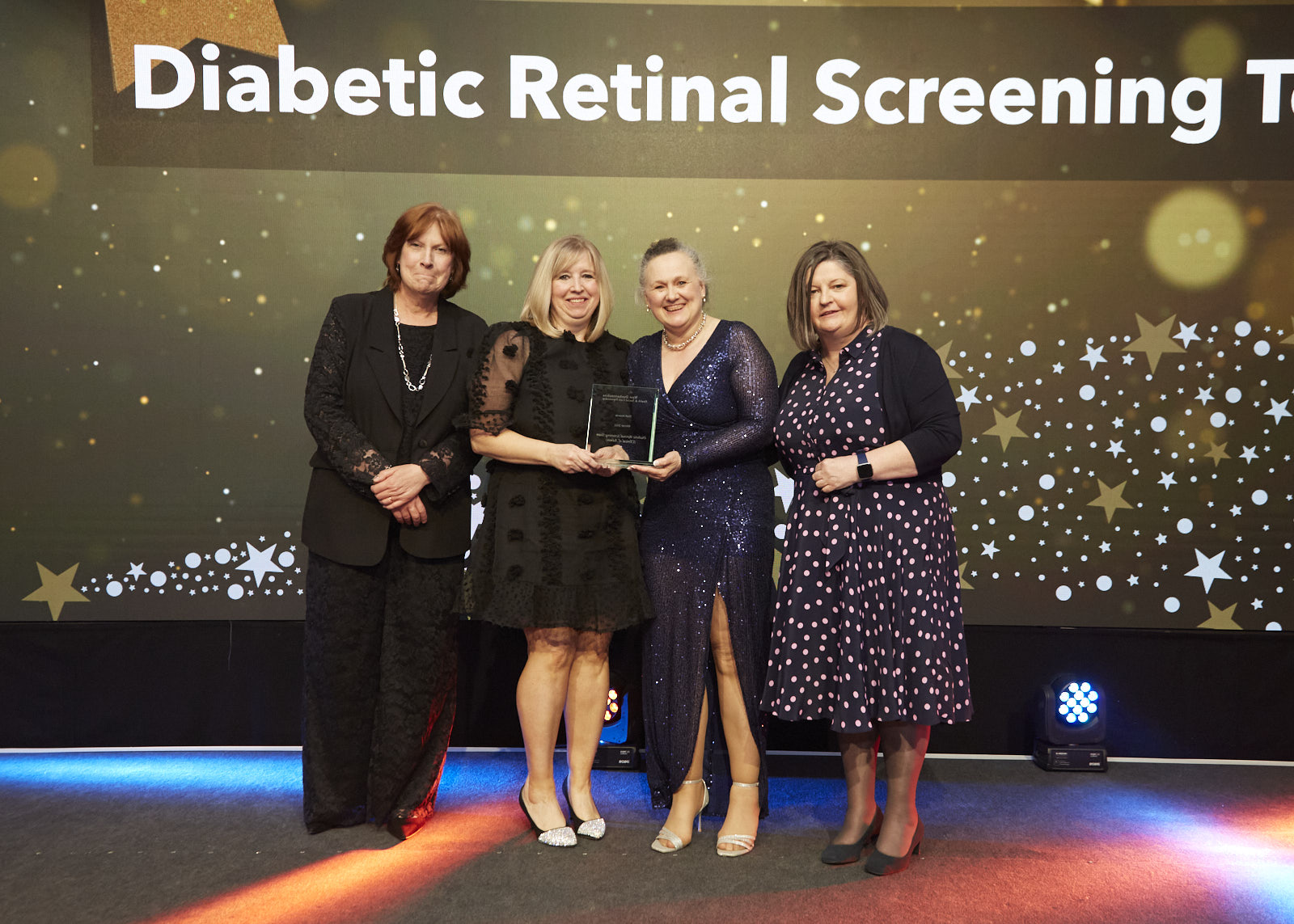
Overall Winner – Diabetic Retinal Screening Service (Administrative & Clinical Staff)
Overall Winner Nominees
Team of the Year
Diabetic Retinal Screening Service (Administrative & Clinical Staff)
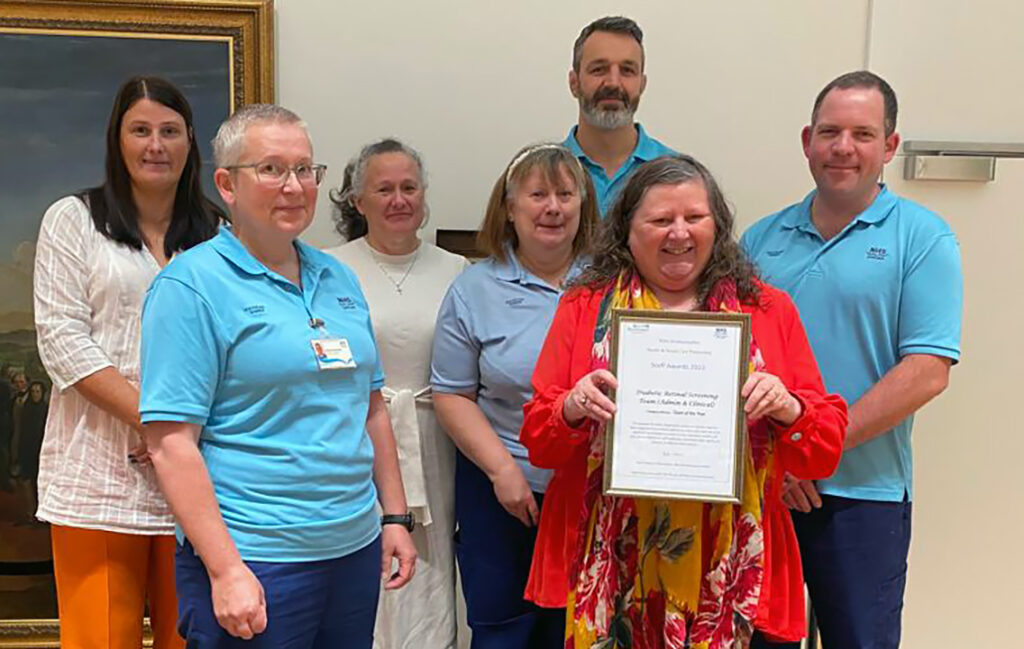
This Team has shown remarkable adaptability and resilience during a very challenging 2 years.
Early in the pandemic, they volunteered to work in front line roles in the COVID Assessment Centres, and Track & Trace.
However, Diabetic Eye Screening is a national service and, when it recommenced in June 2020, there was a considerable backlog of patient appointments.
The Team’s response was to go above and beyond what was expected of them, introducing innovative solutions which resulted in almost double the number of appointments available to patients each month.
This amazing effort involved the whole team – both administrative and clinical staff – who showed passion and pride in their Service, and proved that working together really does make a difference.
Employee of the Year
Liz Kerr, Business Manager, Community Admin Team
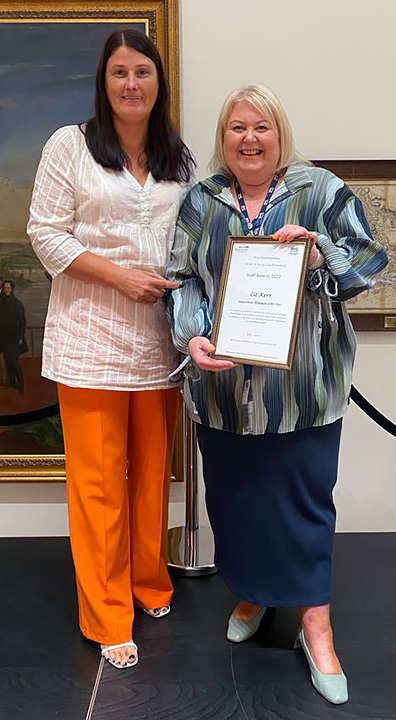
Liz Kerr was an integral member of the project team during the planning, construction, commissioning and move to the new Clydebank Health & Care Centre – even collaborating with the build team to choose the colour schemes, flooring and furniture to create a pleasant work environment.
Liz’s commitment, decision-making and hard work all contributed to the build completion. During the commissioning of the building, she led by example, often taking a very hands-on approach to ensure that everything was where it needed to be. Given that much of this took place during the pandemic, the challenges were huge.
And all of this was achieved whilst still doing her “day job” of managing and supporting the very busy HSCP Community Admin Team.
Leader of the Year
Alexis Mulvenna, Manager, Blairvadach Children’s House
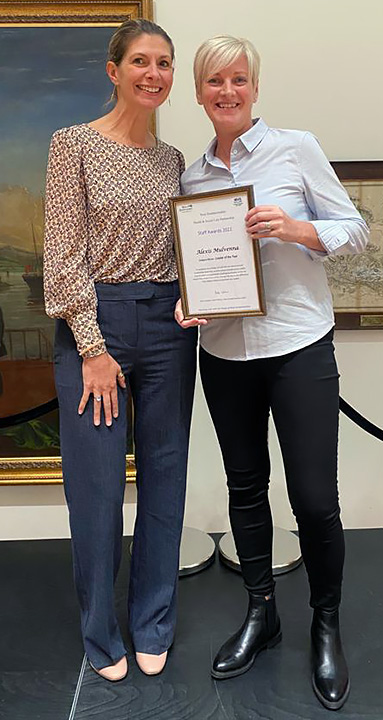
As the Manager of Blairvadach Children’s House, Alexis has demonstrated great strength and resilience during the challenges of recent years.
She leads by example and has the ability to inspire and motive her Team to reach their full potential. The result is an environment where the young people have the opportunity to thrive – an achievement acknowledged by the Care Inspectorate who gave Blairvadach the highest award, citing it as an ”exceptional model of practice”.
Alexis is regarded by her colleagues as a caring, respectful and approachable manager whose motivation has always been the high quality care for the young people.
Her success is based on a philosophy of “giving” and she consistently invests her time and skills in supporting others.
Innovation of the Year
Occupational Therapy Early Years Transition – Elaine Allan
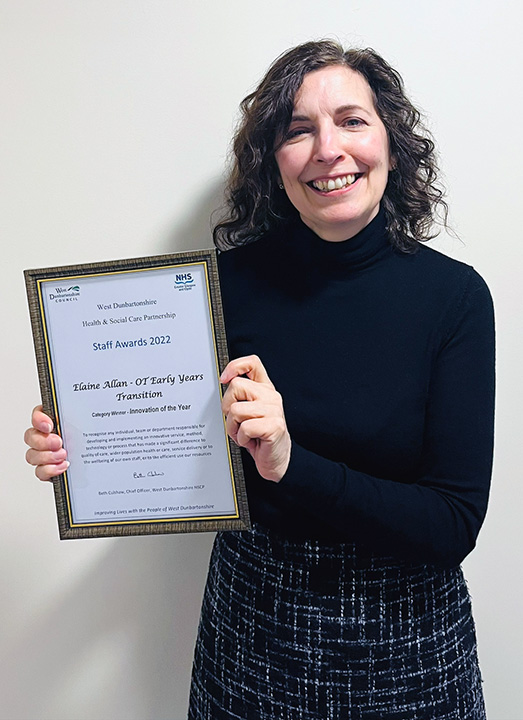
Elaine Allan, a Senior Paediatric Occupational Therapist, was concerned at the impact of “Lockdown” on children. She recognised that young and vulnerable children with significant additional support needs had not been able to prepare for the transition from Early Years to Primary School.
Working with Kilpatrick Primary School and Early Years’ Service, she secured funding and collaborated with parents, Nursery and Primary 1 staff, to develop resources to support the children. In addition, she created a “passport” style document to share the information with their new schools.
Positive feedback from all those involved demonstrated the value of this initiative to the children, their families, and Education professionals – and the tools and resources can be used again, year after year.
Women & Children’s Services
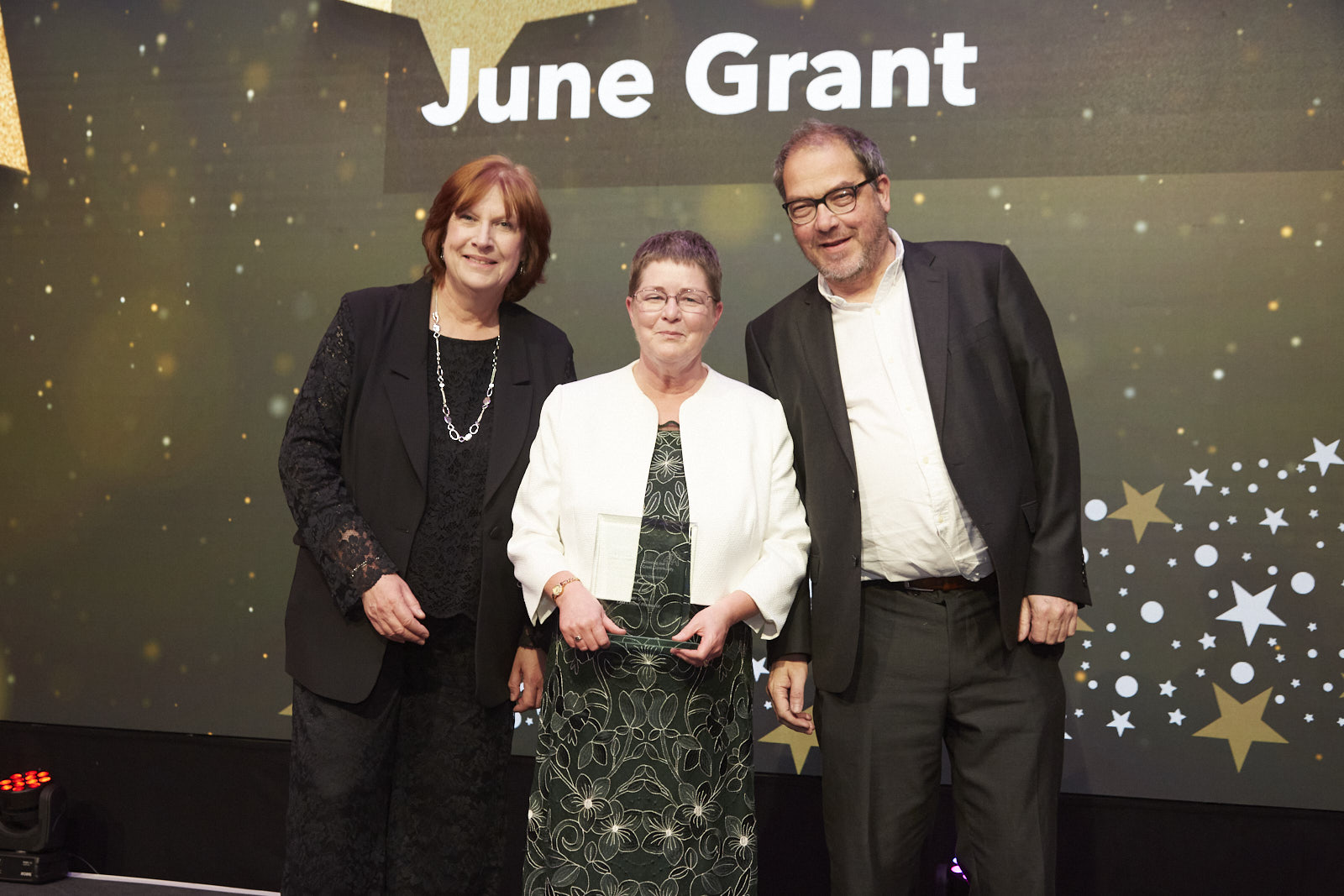
Overall Winner – June Grant
Overall Winner Nominees
Team of the Year
Ward 3C Orthopaedic, RHC
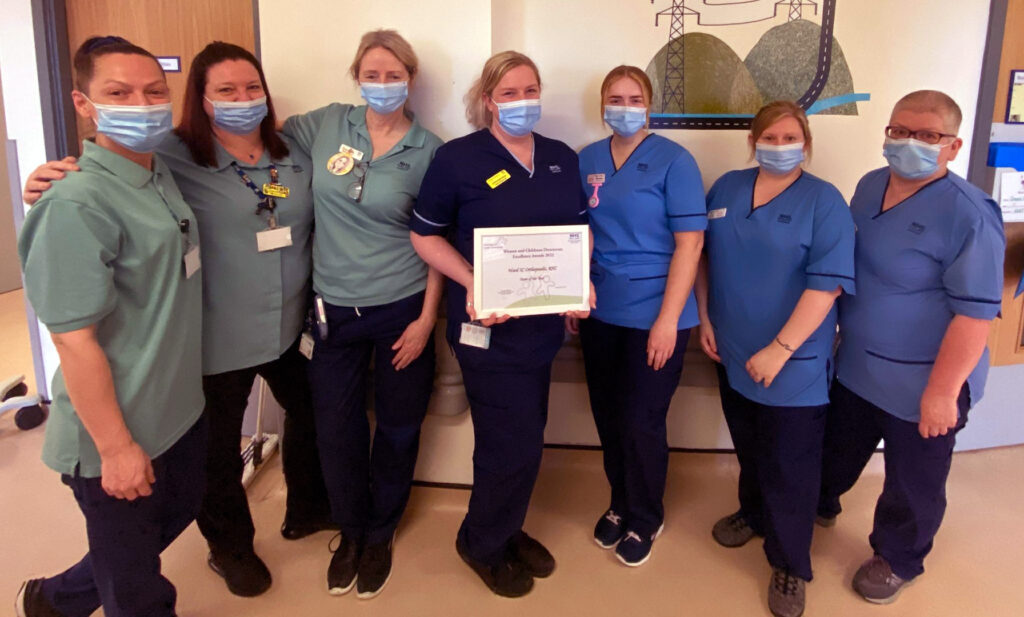
This team, when faced with an atypical and challenging delayed discharge demonstrated even more care and compassion than usual and collaborated with other teams and colleagues to provide care above and beyond their abilities by adapting to the situation and learning new skills. They provided impeccable care for a CAMHS patient, with significant additional needs, aggressive behaviour and no family engagement, who due to social circumstances could no longer be cared for at home.
Thanks to their flexibility, resilience and teamwork, the patient remained in a safe environment, with all needs being met, while trying to find an appropriate placement, as well as advocating for the patient.
Thank you for going above and beyond to ensure high quality patient care.
Employee of the Year
Stevie Begley
Stevie is a Health Care Support Worker in Children’s Theatres, who is considered the backbone to the team for their positive work ethic and expertise, forward thinking and planning, supportive teamwork values, extensive equipment knowledge, good sense of humour and reliability.
Stevie’s equipment knowledge is so good it often surpasses the knowledge of consultants and really supports the newly qualified nurses with as well. Stevie’s work ethic, values and knowledge create a positive environment and good “karma” in Theatre, which contributes to the whole team functioning better and everything flowing well, which is of huge benefit to the team and to our patients.
Thank you Stevie, for everything you do for the team and our patients.
Rights of the Child Award
Anne McGowan
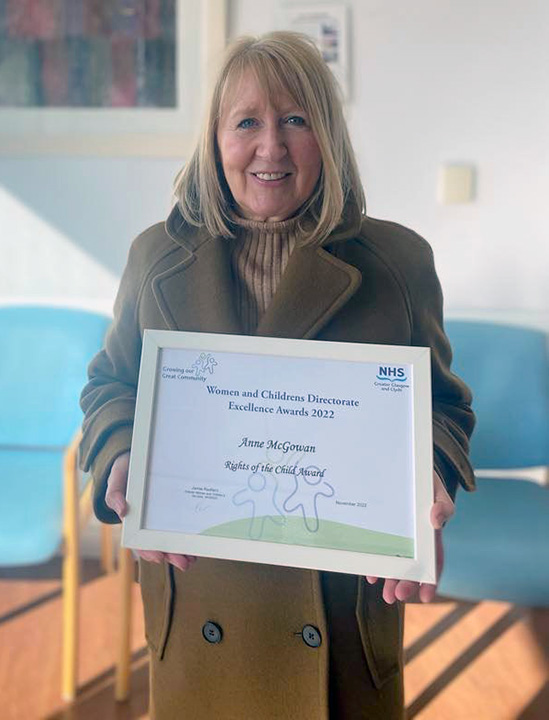
In the roles of Gender Based Violence (GBV) and Social Work Liaison midwife, Anne has worked to reduce the impact of vulnerability on the unborn child.
Ann has an amazing manner when liaising with police, collaborating with multidisciplinary health professionals, the special needs in pregnancy team, patients themselves and updating on child protection issues. Her efforts and focus on early intervention result in higher quality care plans that meet vulnerability needs, robust documentation and awareness that result in improved outcomes for mums and babies.
Thank you Anne for safeguarding our patients, cultivating and maintaining great relationships with child protection and social work stakeholders, upholding information sharing and data protection, and for being a pillar and role model for the team.
Leader of the Year
Christine Dunn
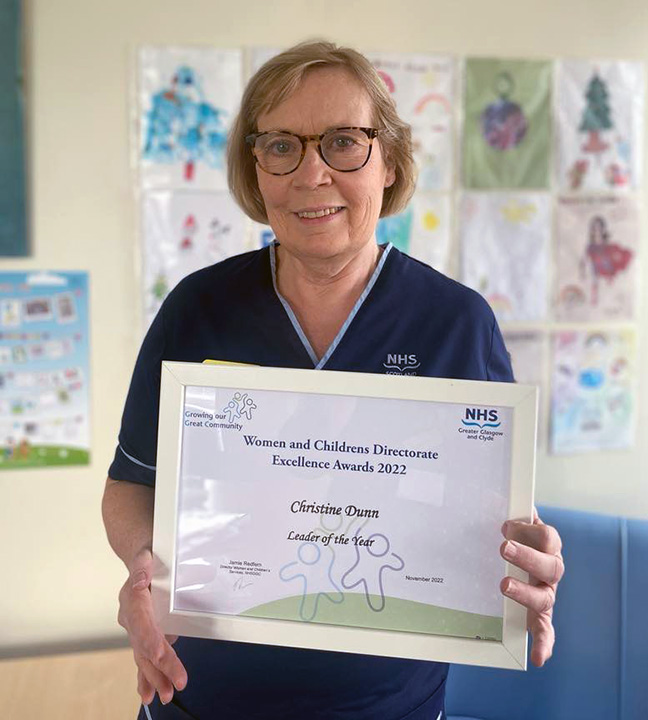
Christine is an experienced Senior Charge Nurse and a fantastic role model in leading Gynaecology Ward 49 at QEUH, especially through some challenging periods.
As well as ensuring that all elective and emergency Gynaecology patients receive high quality care, Christine has worked closely with DME colleagues to ensure that DME patients receive a high standard of care.
In addition to ensuring that all patients, carers and relatives are treated with care and compassion, Christine has also maintained a focus on the wellbeing of staff and ensuring that everyone is fully supported.
Thank you Christine for enhancing patient experience on a day to day basis, and for engraining care and compassion for our patients, and each other, within Ward 49’s culture.
Innovation of the Year
SMART Kids – MIBG Service by Ward 2A
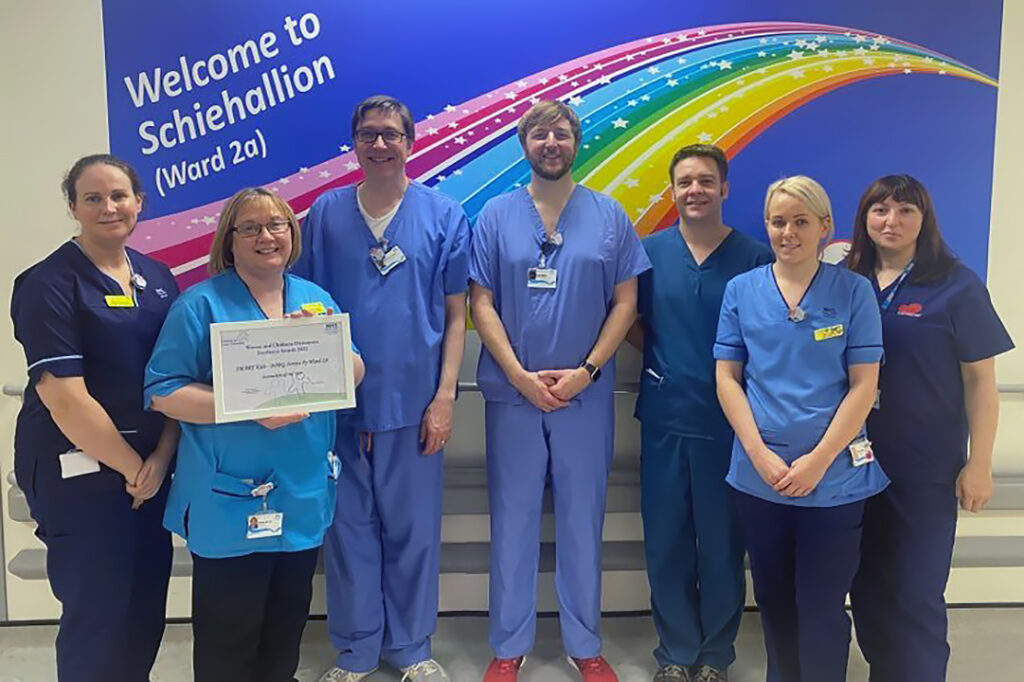
This team have successfully delivered a new i131 MIBG ionising radiation service in Scotland, where patients can receive treatment closer to home and no longer have to travel to England for treatment.
This involved a multidisciplinary team working effort, sharing expertise and knowledge to ensure that all safety needs were met to deliver this care to patients within Schiehallion Ward 2A at the Royal Hospital for Children in Glasgow. This included developing Standard Operating Procedures, Health and Radiation Safety, Debrief processes and a massive training programme run by the Ward 2A Educator.
Thank you to the team for working together to develop this new service in Scotland, with the best patient experience and patient and staff safety top of mind.
Volunteer of the Year
Glasgow Children’s Hospital Charity (GCHC) Volunteers
The support provided by the GCHC Volunteers is both seen and unseen, and provides such a vast coverage of assistance many will never be aware of the help gifted.
Our team of Volunteers step up to help our patients, their families and our team whenever called upon. With tasks such as, collecting and delivering, keeping our patient gardens and parent facilities in tip-top condition, supply of essential refreshments, play support to our patients both in hospital and at awareness events and in supporting fundraising that allows the Charity to gift so many benefits to the hospital.
We thank each and every one of our Volunteers from the bottom of our heart, you represent the heart and soul of our hospital.
Directors Award
June Grant
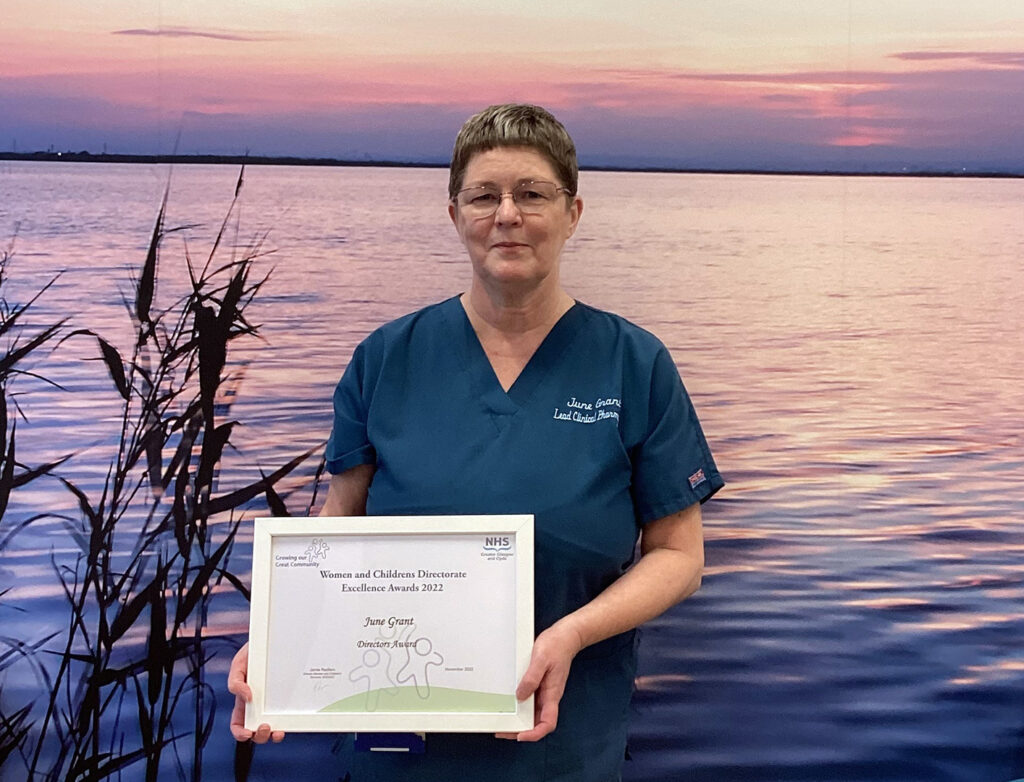
June is a Lead Clinical Pharmacist and her work on the management of clinical guidelines has been outstanding.
Obstetrics, by nature has a vast amount of guidelines, that need to be available for staff at any time and the archiving process of guidelines is particularly important as when looking back at care, staff need to be able to access the appropriate guideline of the time.
June has been instrumental in the process of organising, archiving and maintaining accurate guidelines. Thank you June for going above and beyond your role to clear the backlog of paper guidelines that needed archived, ensuring that our staff have easy access to new guidelines and ensuring that old ones are taken down and filed appropriately.
Further information on the main award categories
Team of the Year
The team, department, service or function that has been judged to have worked together as a team and made the most significant contribution to quality of care, population health and care, service delivery or staff wellbeing likely under significant pressure or difficult circumstances.
Employee of the Year
Any member of staff who has stood out as an exemplar of care giving, service delivery or who has made a major difference for colleagues around them or the delivery of a key objective for their department or wider NHSGGC/HSCP.
Leader of the Year
Any member of staff who has demonstrated outstanding leadership, positive values and behaviours and/or inspired others in a particularly challenging situation, or for the respect they get from others through the day to day difference they make for those around them as a leader.
Any member of staff can demonstrate leadership, not just those who formally manage people.
Innovation of the Year
To recognise any individual, team or department responsible for developing and implementing an innovative service, method, technology or process that has made a significant difference to quality of care, wider population health or care, service delivery or to the wellbeing of our own staff or to the efficient use our resources.
Volunteer of the Year
To recognise an individual or team of individuals who have volunteered significant time and effort to the benefit of our patients, service users or staff and made selfless contribution perhaps under difficult personal circumstances.