
Skip to content
Home > Your health > Heads Up

Heads Up

Mood changes are a necessary part of human functioning. It’s natural to feel anxious, worried, sad or low sometimes. But when mood changes become severe, persistent and interfere with normal life, we need to take notice. 

The persistent low mood of depression is deeper, longer and more unpleasant than the short periods of unhappiness we all have from time to time. Similarly, persistent anxiety is more than just feeling worried.  Many people experience symptoms of depression and anxiety at the same time. Significant depression or anxiety affects more than one in ten people during their life. 

More Information

Depression – Introduction

Depression is a very personal experience.  Symptoms can vary from person to person but usually include changes to your: 

  • Thoughts (for example feeling worthless or to blame, hopeless and incapable)
  • Mood (feeling persistently down, anxious, or numb)
  • Behaviour (for example losing interest or pleasure in previously enjoyed activities). 

You may also notice physical changes such as loss of appetite, tiredness, or aches and pains.

Depression can come on gradually so it can be difficult to notice something is wrong. 

Many people continue to cope with their symptoms without realising they are ill. It can take a friend or family member to suggest that something might be wrong. 

The most common symptoms of depression are:  

  • Little interest or pleasure in life
  • Feeling down, hopeless, numb or empty
  • Sleep disturbances. Difficulty falling or staying asleep. Sleeping too much
  • Tiredness and lack of energy
  • Appetite disturbances. Not eating enough, or overeating
  • Feeling bad about yourself. Feeling like a failure, believing that you have let other people down
  • Difficulty concentrating on things like reading or watching television
  • Moving or speaking much more slowly. Or becoming fidgety or restless
  • Thinking about death and dying. Thinking about harming yourself. Wondering if you would be better off dead.

People may find themselves worrying excessively over the smallest things, blaming themselves for everything that goes wrong, and feeling irritated by those around them.

Depression has been described as a “heavyweight” “a state where nothing tastes, smells or feels right” or “being in a world without colour or laughter”. 

Depression can cause bleak and distressing thoughts, including suicidal thinking and planning. With support and treatment, the negative feelings often pass.

If you are unsure whether what you are experiencing is depression, the following questionnaire might help you decide whether you should get help PHQ9.

Anxiety – Introduction

Anxiety is a feeling of unease, worry, or fear. Everyone feels anxious sometimes, but for others, it can be an ongoing problem. A bit of anxiety can be helpful; for example, anxiety before an exam can keep you alert and improve performance.  Too much anxiety, however, affects focus and concentration. 

Some of the most common symptoms of anxiety are:

  • Feeling uneasy a lot of the time
  • Having difficulty sleeping, feeling tired
  • Poor concentration
  • Being irritable
  • Being extra alert
  • Feeling on edge, not being able to relax
  • Needing lots of reassurance from others
  • Tearfulness

When you’re anxious or stressed, your body releases stress hormones, such as adrenaline and cortisol. These cause the physical symptoms of anxiety which include:

  • A pounding heartbeat
  • Breathing faster
  • Palpitations (an irregular heartbeat)
  • Feeling sick
  • Chest pains
  • Headaches
  • Sweating
  • Loss of appetite
  • Feeling faint
  • Needing the toilet
  • “Butterflies” in your stomach.

Anxiety symptoms can happen occasionally or regularly. They may start suddenly or come on gradually. They can be a nuisance or extremely disabling.  Specific anxiety disorders include:

  • Panic disorder (when you have panic attacks)
  • Post-traumatic stress disorder
  • Generalised anxiety disorder
  • Social anxiety
  • Specific phobias 
What helps

Regular exercise can be very effective in lifting mood and increasing energy levels. Exercise can help improve appetite and sleep. The research behind this shows that physical activity stimulates chemicals in the brain called endorphins, which can help you to feel better. Inactivity can cause a vicious circle: the less you do, the less you want to do.  It is also important to eat well. If you aren’t eating regular healthy meals, your body won’t have enough energy, leaving you lethargic and slow.  

Although you may not feel like it, keeping in touch with people can help you feel a bit more grounded and sometimes put things in perspective. Try a short phone call to a close friend or relative, or an email or text.

Try to avoid too much stress, including work-related stress. If you’re employed, you may be able to work shorter hours or work in a more flexible way, particularly if job pressures seem to trigger your symptoms.

Be kind to yourself! Depression and anxiety can make you feel inadequate or worthless. It’s hard to do nice things for yourself when you feel like that. As soon as you feel able, do something enjoyable for yourself or someone else. 

Depression and anxiety can make everyday tasks overwhelming. It can help to break things down into smaller, more manageable steps. Set yourself a goal each day, starting with something small and working up to bigger tasks that you may have been putting off.

When you feel ready, you may find it helpful to do something to help other people, as this may help overcome feelings of isolation, take your mind off your own problems and make you feel better about yourself. The Scottish Recovery Network encourages people to share their personal journeys to recovery. Reading and sharing stories of hope, optimism, and strength can help balance the negativity of depression and can help an individual feel more in control of their own life again.

Learning how to relax and be mindful can also be helpful in your recovery.

Overcoming depression and anxiety can take time but there is treatment available. Most people recover. Understanding yourself helps – learning to recognise your own ‘warning signs’ of how you react under stress, or when things become difficult, is an important part of staying well in the future.

Find out more

There are times in our lives when many of us will experience feelings of low mood and anxiety.

There is more information about the symptoms on MyApp: My Mental Health and NHS Inform.

The Scottish Association for Mental Health offer community-based services for people with mental health problems and has a role in policy development and campaigning on mental health issues.

Helping someone else

There is helpful information on the NHS Inform webpage on supporting someone with Depression if you’re worried about someone you care about or care for who is depressed.

If you’re caring for someone with a mental health difficulty these organisations can offer support:

Self Help Resources

Self-help guides are also available on MyApp: My Mental Health, NHS Inform and Get Self Help

Looking after someone with…Depression & Anxiety

Depression and anxiety cause feelings of sadness, guilt, despair and hopelessness. Self- esteem and confidence can be badly shaken.

People with depression or anxiety may avoid their friends and relatives rather than ask for help or support. This is often when they need your help and support most.

How do you help someone who may not want your help, or feel they deserve help? You can help by just being there. Showing a real interest in them, not just their problems. Be prepared to listen, and to spend time with them. This can help counter the unpleasant, negative thoughts they will have about themselves.

Someone who is depressed may need a lot of encouragement to get help. You could find out about local support groups, relaxation classes, or self-help literature. You could offer to go with them to a group or doctor’s appointment.

Sometimes it can feel that the person you know and love has changed so much, you find it hard to recognise them. If you have serious concerns about their well-being or think they may be suicidal urgent help is needed. You can call their GP or go to accident and emergency.

Supporting a friend or relative who is depressed or anxious can be an opportunity to build a closer and more satisfying relationship. However, it can be hard work and frustrating. You might feel helpless or annoyed if the person won’t accept your help. Unless you pay attention to your own needs, it can make you feel unwell too. Finding a support group and talking to others in a similar situation might help.

Further information for carers is available on the NHS Greater Glasgow and Clyde carers site.

BSL – Depression & Anxiety

NHSGG&C BSL A-Z: Mental Health – Depression

Depression is a mood disorder that causes a persistent feeling of sadness and loss of interest. it affects how you feel, think and behave and can lead to a variety of emotional and physical problems. You may have trouble doing normal day-to-day activities, and sometimes you may feel as if life isn’t worth living.

NHSGG&C BSL A-Z: Mental Health – Anxiety

Anxiety is a feeling that we can all get but sometimes it can become excessive and stop you from doing the things you want to. These feelings can become a problem when they cause distress or make us feel uncomfortable. There are various types of anxiety disorders depending on how often they occur or if they are triggered by certain things. Examples might be when the feelings of anxiety can occur all the time for no apparent reason with lots of worrying thoughts and physical symptoms such as a racing heart, feeling breathless, knot in your stomach, increased sweating. This is called Generalised Anxiety. Sometimes these symptoms can occur without warning for short periods of time for no apparent reason. These are called Panic attacks. Sometimes the feelings of aniety can be brought on by specific things such as a fear of heights or crowded places or spiders etc. These are described as Phobias.

Please note that this video is from a range of BSL videos published by NHS Greater Glasgow & Clyde.
Was this helpful?

Yes
No
Thanks for your feedback!
Mental Health teams across Greater Glasgow and Clyde

In the mental health services you may be invited to meet with people in a variety of different settings or teams. Services are organised to be able to provide varying levels of intensity of intervention depending on how severe or complex your condition may be.

Here are some of the teams you may be invited to attend, what do they do and which ones are in your area: 

Primary Care Mental Health Teams (PCMHT)

PCMHTs work with people who may be experiencing common mental health problems such as mild to moderate depression, anxiety or phobias. PCMHTs are usually staffed by mental health nurses, mental health practitioners and psychologists, and have strong links with GP surgeries. These teams usually provide psychological therapies, and work with people for up to a few months.

Access into a PCMHT can be through your GP or you could refer yourself.

East Dunbartonshire PCMHT

10 Saramago Street

G66 3BF

Tel: 0141 232 8203

East Renfrewshire (Bridges) PCMHT

Eastwood Health and Care Centre

G76 7HN

Tel: 0141 451 0590 (general enquiries only)

Glasgow North East PCMHT

1251 Duke St, Parkhead

G31 5NZ 

Tel: Main Switchboard 0141 531 9000 

Glasgow North West PCMHT

12 Sandy Road

G11 6HE

Tel: 0141 232 9270

Glasgow South (Wellbeing) PCMHT

26 Florence Street

G5 0YX 

Tel: 0141 232 2555

Inverclyde (PCL) PCMHT

Crown House

30 King Street

PA15 1NL

Tel: 01475 558 000

Renfrewshire (Doing Well) PCMHT

12 Seedhill Road

PA1 1JS

Tel: 0141 849 2208

West Dunbartonshire PCMHT

Main Street

G83 0UA

Tel: 01389 828203

Community Mental Health Teams (CMHT)

CMHTs (also sometimes named resource centres) work with individuals experiencing mental health problems such as bipolar disorder, depression, severe anxiety or psychosis. CMHTs are staffed by mental health nurses, occupational therapists, psychiatrists and psychologists. These teams provide a variety of interventions, care and treatments, and can work with you as required to meet your needs. 

Access into a CMHT comes by referral from your GP or Social Services.

East Renfrewshire Adult CMHT

Eastwood Health and Care Centre

Drumby Crescent

G76 7HN

Larkfield Centre (East Dunbartonshire)

10 Saramago Street

G66 3BF

Arran Resource Centre (Glasgow North East)

121 Orr Street 

G40 2QP 

Auchinlea House (Glasgow North East)

11 Auchinlea Road 

G34 9QA 

Springpark Resource Centre (Glasgow North East)

101 Denmark Street 

G22 5EU

Arndale Resource Centre (Glasgow North West)

80-90 Kinfauns Drive 

G15 7TS 

Riverside Resource Centre (Glasgow North West)

547 Dumbarton Road 

G11 6HE 

Shawpark Resource Centre (Glasgow North West)

Maryhill Health and Care Centre

51 Galbraid avenue

G20 8FB

Brand Street Resource Centre (Glasgow South)

Festival Business Centre 

G51 1DH 

Florence Street Resource Centre (Glasgow South)

26 Florence Street 

G5 0YX 

Rossdale Resource Centre (Glasgow South)

12 Haughburn Road

G53 6AB

Stewart Centre (Glasgow South)

5 Ardencraig Road 

G45 0EQ

Inverclyde Adult CMHT

Crown House

30 King Street

PA15 1NL

Paisley CMHT (Renfrewshire)

49 Neilston Road 

PA2 6LY 

West Renfrewshire CMHT (Renfrewshire)

12 Seedhill Road

PA1 1JS

Goldenhill Resource Centre (West Dunbartonshire)

199 Dumbarton Road 

G81 4XJ 

Riverview Resource Centre (West Dunbartonshire)

Dumbarton Joint Hospital 

G82 5JA 

Older Adult Mental Health Teams (OAMHT)

OAMHTs work with people who experience a range of mental health problems that are, by and large, associated with the later years in life such as dementia or depression that results from experiencing other problems such as loss (although in reality these problems can affect people throughout their lifespan). OAMHTs are largely staffed by mental health nurses, dementia care co-ordinators, psychiatrists, psychologists and occupational therapists.

Access to an OAMHT is by referral from your GP or a psychiatrist.

Woodlands Resource Centre (East Dunbartonshire)

15-17 Waterloo Close

G66

East Renfrewshire OAMHT

Eastwood Health and Care Centre

Drumby Crescent

G76 7HN

Belmont Centre (Glasgow North East)

300 Balgrayhill Road 

G21 3UR 

Parkview Resource Centre (Glasgow North East)

152 Wellshot Road 

G32 7AX

Shawpark Resource Centre (Glasgow North West)

Kelvindale Road

G20 8JU

Glenkirk Resource Centre (Glasgow North East)

129 Drumchapel Road

G15 6PX

Shawmill Resource Centre (Glasgow South)

Pollokshaws Clinic

G43 1RR

Elderpark Clinic (Glasgow South)

20 Arklet Road

G51 3XR

Inverclyde OAMHT

Crown House

30 King Street

PA15 1NL

Renfrewshire OAMHT

Renfrewshire Older Adults Team

12 Seedhill Road

PA1 1JS

Cairnmhor Resource Centre (West Dunbartonshire)

Cardross Road

G82 5JA

Goldenhill OAMHT (West Dunbartonshire)

199 Dumbarton Road 

G81 4XJ

Alcohol and Drugs Recovery Services

Alcohol and Drug Recovery Services work with people who are experiencing problems related to their alcohol and/or drug use. These specialist services aim to help people reduce the harm of their experiences and to control their alcohol and/or drug use, and they also understand the kind of difficulties that often go hand in hand with an alcohol or drug problem. They offer a range of health and social care services including practical support, advice and care and treatment. The services you will be offered will be tailored to your particular needs and goals and may include: information and harm reduction advice; detoxification programmes and medication to assist with alcohol or drug dependency; mental health assessment and intervention; physical health assessment; psychological therapies; recovery-focused services; and access, where appropriate, to residential services. Staff working in the Alcohol and Drug Recovery Services includes nurses, social care workers, doctors, psychologists and occupational therapists.

You can access Alcohol and Drug Recovery Services by referring yourself directly or by being referred by your GP.

East Dunbartonshire Alcohol & Drugs Service

Kirkintilloch Health and Care Centre

10 Saramago Street

Kirkintilloch, G66 3BQ

Tel: 0141 232 8211

East Renfrewshire Addiction Team

St Andrews House

113 Cross Arthurlie Street

Barrhead, G78 1EE

Tel: 0141 577 4685

Glasgow North East Drug & Alcohol Recovery Services

The Newlands Centre

871 Springfield Road

Parkhead, G31 4HZ

Tel: 0141 565 0200

Glasgow North East Drug & Alcohol Recovery Services

Westwood House

1250 Westerhouse Road

Easterhouse, G34 9EA

Tel: 0141 276 3420

Glasgow North West Drug & Alcohol Recovery Services

7 Closeburn Street

Possil, G22 5JZ

Tel: 0141 276 4580

Glasgow North West Drug & Alcohol Recovery Services

7-19 Hecla Square

Drumchapel, G15 8NH

Tel: 0141 276 4330

Glasgow North West Drug & Alcohol Recovery Services

Possilpark Health & Care Centre

99 Saracen Street

Possil, G22 5AP

Tel: 0141 800 0670

Glasgow South Drug & Alcohol Recovery Services

Twomax Building

187 Old Rutherglen road

Gorbals, G5 0RE

Tel: 0141 420 8100

Glasgow South Drug & Alcohol Recovery Services

Pavilion One, Rowan Business Park

5 Ardlaw Street

Govan, G51 3RR

Tel: 0141 276 8740

Glasgow South Drug & Alcohol Recovery Services

130 Langton Road

Greater Pollok, G53 5DP

Tel: 0141 276 3010

Glasgow South Drug & Alcohol Recovery Services

10 Ardencraig Place

Castlemilk, G45 9US

Tel: 0141 287 6188

Inverclyde Integrated Alcohol Service

Wellpark Centre

30 Regent Street

Greenock, PA15 4PB

Tel: 01475 715 353

Inverclyde Integrated Drug Service

Cathcart Centre

128 Cathcart Street

Greenock, PA15 1BQ

Tel: 01475 499 000

Renfrewshire Integrated Alcohol and Drug teams

Back Sneddon Centre

20 Back Sneddon Street

Paisley

PA3 2DJ

Tel: 0300 300 1380

West Dunbartonshire Community Addiction Team (Clydebank)

New address:

Goldenhill Resource Centre

199 Dumbarton Road

Clydebank

G81 4XJ

New telephone: 0141 941 4400 – option 3

West Dunbartonshire Community Addiction Team (Dumbarton)

Dumbarton joint Hospital

Cardross Road

Dumbarton

Tel: 01389 812 018

Specialist services

There are a range of services that provide care for specialised presentations, these include psychotherapy, forensic services, trauma services, child & adolescent mental health services, and eating disorders service. Most of these services require a specialist assessment before a referral can take place.

Inpatient services

For some people, admission to hospital will aid their recovery. In this case, hospital staff will work closely with you, your family and community services to ensure that your stay in hospital is as beneficial and as short as possible. The majority of people will not need hospital admission.

Some of the people you may meet in the mental health services

In the mental health services you may meet with a variety of people from a range of professions who all work together to provide the best quality of care to you or someone you care for or care about.

Here are some of the people you might meet, and what they do:

Mental Health Nurse

Mental health nurses are there to get to know you and understand your needs. Their role is to offer you advice and support. They will work closely with you, your carers and other members of the team to plan your care. Their training covers the whole range of mental health issues across all ages. They can help you to set goals and plan for the future, assist you to manage your medication or provide brief psychological interventions.

The mental health nurses in the community is often referred to as a Community Psychiatric Nurse or more commonly as a CPN.

Psychiatrist

A psychiatrist is a doctor who specialises in mental health. A consultant is the most senior psychiatrist. In order to assess your mental health, they will ask you about your background and previous treatment, as well as your current situation. They will discuss the results of your assessment and diagnosis with you. They will discuss with you what tests or treatments you might need, and can prescribe medication if required. They may also want to meet with you again to review the effects of any treatments.

Psychologist

Psychologists are trained to understand how people think, feel and behave. They have knowledge and experience of a range of psychological therapies. The role of the psychologist is to help you to improve your mental health, wellbeing and quality of life. If you are referred to a psychologist, they will talk with you about your feelings, thoughts and behaviour. They will help you to understand the problems you are experiencing, and work with you to identify ways you can deal with these problems. A psychologist does not prescribe medication.

Occupational therapist (OT)

An occupational therapist will help you to overcome physical and psychological barriers, enabling you to carry out daily activities and tasks that maintain health and wellbeing. This might include preparing meals, visiting the shops, or continuing with a favourite leisure activity. An OT can assist you with learning new skills to help you to get the most from life.

Social worker

A social worker will find out what your welfare needs are and tell you how they can help. They can give you and your family the information and support that you may need to deal with a range of issues such as housing, benefits, education, child care and respite care. They can also assist with assessing a variety of social, accommodation and financial needs.

Types of mental health interventions you may be offered

In the mental health services, you may be offered a range of interventions to meet your particular needs and circumstance.

Here are some of the interventions and treatment approaches you might be offered:

Behavioural Activation

A structured approach that encourages you to take part in activities you feel are positive rather than withdrawal and inactivity. It aims to increase how constructive you feel in your life and also how much pleasure you experience as a result of activity.. Behaviour is learned and behavioural activation therefore aims to change the way you feel by changing what you do.

Cognitive Behaviour Therapy (CBT)

CBT is a treatment that focuses on our emotions, thoughts and behaviours. How we think and behave has an effect on their emotions and vice versa and so changing ways of thinking and behaving will help you to change how you are feeling. Your therapist will work with you to identify and alter your negative thoughts, assumptions and beliefs so that you are able to have a more balanced perspective on yourself, others and your life. As a result your difficulties will be significantly improved.

Interpersonal Psychotherapy (IPT)

IPT is a therapy that works by discussing difficulties you are having in the light of key relationships in your life. It is especially effective for those suffering from depression where the trigger may be in the interpersonal world and can include transitions; significant losses and interpersonal conflict. The IPT therapist will help you discover key elements of your relationships that may benefit from some changes and in turn you will see an improvement in your mood and general well-being.

Mindfulness Based Cognitive Therapy (MBCT)

Mindfulness has been defined as paying attention in a particular way: on purpose, in the present moment, and non-judgmentally (in contrast to being absorbed in ruminating on the past or future). It helps us learn how to bring awareness to our thoughts, emotions, physical sensations and behaviours; encouraging us to recognise and respond to early signs of difficulties. It has been shown to be particularly helpful for those who have suffered from depression in the past. MBCT is often taught in a group course format.

Motivational Interviewing (MI)

Motivational Interviewing is a style of interaction based upon psychological principles that aim to help you to change particular behaviours that will help your health, such as stopping drinking or improving your way of managing how you deal with a chronic health problem e.g. asthma or diabetes. Your therapist will work with you to explore various motivational aspects of current and potential future behaviours and actions.

Psycho-education

These approaches involve helping you learn about your difficulties and some straightforward steps you can take to improve things for yourself. Psycho-education is delivered to an individual or in a group approach like a ‘training course’. It is also available as a self-help resource online. The courses and resources may provide all the help you need or may be the first part of a broader treatment programme.

BSL – Mental Health Teams

Mental Health – Primary Care Mental Health Team (PCMHT)

NHSGG&C BSL A-Z: Mental Health – Primary Care Mental Health Team (PCMHT)

PCMHTs work with people who may be experiencing common mental health problems such as moderate to severe depression, anxiety or phobias. PCMHTs are usually staffed by mental health nurses, mental health practitioners, and psychologists, and have strong links with GP surgeries. These teams usually provide psychological therapies, and work with people for up to a few months.

Access to a PCMHT can be through your GP or you could refer yourself.

Community Mental Health Team (CMHT)

NHSGG&C BSL A-Z: Mental Health – Community Mental Health Team (CMHT)

CMHTs work with individuals experiencing significant mental health problems such as bipolar disorder, depression, severe anxiety or psychosis. CMHTs are staffed by mental health nurses, occupational therapists, psychiatrists and psychologists. These teams provide a variety of interventions, care and treatments, and can work with you as required to meet your need.

Multi-Disciplinary Team

NHSGG&C BSL A-Z: Mental Health – Multi-Disciplinary Team (MDT)

A range of health and social care staff who work together in providing the necessary care and treatment. This can be either in the community or in hospital. It can include nurses, psychologists, doctors, occupational therapists, dieticians, physiotherapists and social workers

Please note that this video is from a range of BSL videos published by NHS Greater Glasgow & Clyde.

BSL – Mental Health Workers

Psychiatrist

NHSGG&C BSL A-Z: Mental Health – Psychiatrist

Consultant psychiatrists have the overall responsibility for diagnosing a mental health condition and prescribing treatment. Psychiatrists are qualified medical doctors who specialise in mental health conditions.

Social Worker

NHSGG&C BSL A-Z: Mental Health – Social Worker

A professional who can help to assist with practical aspects of life and may have had training in providing psychological assistance. Social workers work collaboratively with various organisations, such as local authorities and the NHS, who provide support.

Community Psychiatric Nurse (CPN)

NHSGG&C BSL A-Z: Mental Health – Community Psychiatric Nurse (CPN)

Registered nurses who are trained in mental health and can give long-term support to those living in the community.

Counsellor/Psychotherapist

NHSGG&C BSL A-Z: Mental Health – Counsellor/Psychotherapist

Counselors or Psychotherapists work with individuals, couples, families and groups to help them overcome a range of psychological and emotional issues. They use personal treatment plans and a variety of non-medical treatments to address the client’s thought processes, feelings and behavior, understand inner conflicts and find new ways to alleviate and deal with distress.

Occupational Therapist

NHSGG&C BSL A-Z: Mental Health – Occupational Therapist

Occupational Therapists help people of all ages who have physical, psychological or social problems. This could be help with shopping, brushing their teeth, or helping to assist with a person’s child care, professional development or attending social activities

Keyworker

NHSGG&C BSL A-Z: Mental Health – Keyworker

A ward nurse who is responsible for implementing the care plan and often develops reports regarding your progress.

General Practitioner (GP)

NHSGG&C BSL A-Z: Mental Health – General Practitioner

GPs are family doctors who provide general health services to a local community. They are usually based in a GP surgery or practice and are often the first place people go with a health concern.

Please note that this video is from a range of BSL videos published by NHS Greater Glasgow & Clyde.

BSL – Mental Health Interventions

Art Therapy

NHSGG&C BSL A-Z: Mental Health – Art Therapy

A form of psychotherapy that uses art media as its primary mode of communication.

Assessment

NHSGG&C BSL A-Z: Mental Health – Assessment

When someone is unwell, health care professionals meet with the person to talk to them and find out more about their symptoms so they can make a diagnosis and plan treatments. This is called an assessment. Family members should be involved in assessments, unless the person who is unwell says he or she does not want that.

Care Plan

NHSGG&C BSL A-Z: Mental Health – Care Plan

Mental health professionals draw up a care plan with someone when they first start offering them support, after they have assessed what someone’s needs are and what is the best package of help they can offer. People should be given a copy of their care plan and it should be reviewed regularly. Service users, and their families and carers, can be involved in the discussion of what the right care plan is.

Care Programme Approach (CPA)

NHSGG&C BSL A-Z: Mental Health – Care Programme Approach (CPA)

A way of co-ordinating the care and treatment that a person with significant mental health problems receives from various health and social care services. This is used in specific circumstances for a small number of individuals with complex needs when there are several agencies involved in their care.  

Cognitive Behavioural Therapy (CBT)

NHSGG&C BSL A-Z: Mental Health – Cognitive Behavioural Therapy (CBT)

Is a type of psychological or talking therapy. It can be a treatment for different mental health problems. It is usually structured and time-limited. It aims to help you understand how your problems began and what keeps them going.  CBT works by helping you to link the way that you think (your thoughts, beliefs and assumptions), with how you feel (your emotions) and what you do (your behaviour). CBT has been shown to help with many different types of problems. These include: anxiety, depression, panic, phobias, stress, bulimia, obsessive compulsive disorder, post-traumatic stress disorder, bipolar disorder and psychosis. CBT may also help if you have difficulties with anger, a low opinion of yourself or physical health problems, like pain or fatigue.

Counselling

NHSGG&C BSL A-Z: Mental Health – Counselling

Counselling is a type of talking therapy that involves a trained therapist listening to you and helping you find ways to deal with emotional issues.

Group Therapy

NHSGG&C BSL A-Z: Mental Health – Group Therapy

Group therapy is a form of talking therapy where a group of individuals meet regularly with a therapist to help each other to discuss their individual struggles and ways to tackle them.

 Inpatient

NHSGG&C BSL A-Z: Mental Health – Inpatient

Most people with mental health problems receive the care and treatment they need while living in the community. But sometimes when a person is very unwell or is potentially at risk to themselves or to others, they may need treatment in hospital for a period of time.

Wellness or Recovery Plan

NHSGG&C BSL A-Z: Mental Health – Wellness or Recovery Plan

A mental health recovery plan is a way to be actively involved in recovering from mental health problems and take control of your mental health, so you can work toward achieving treatment and recovery goals. It helps you look at ways of staying well and make best use of your supports.

Please note that this video is from a range of BSL videos published by NHS Greater Glasgow & Clyde.

Was this helpful?

Yes
No
Thanks for your feedback!

There are six Health and Social Care Partnerships (HSCP) across the Greater Glasgow and Clyde area, who manage a wide range of local health and social care services delivered in health centres, clinics, schools and homes.

  • East Dunbartonshire HSCP – Bearsden, Milngavies, Torrance, Cadder, Campsie Glen, Kikintilloch and Twechar
  • East Renfrewshire HSCP – Neilston, Uplawmoor Newton Mearns, Barrhead, Giffnock, Stamperland,Clarkston, Eaglesham
  • Inverclyde HSCP – Greenock, Inverkip, Gourock, Port Glasgow, Kilmacolm, Quarriers Village, Wemyss Bay
  • Glasgow City HSCP – Linn, Newlands, Greater pollok, Craigton, Govan, Pollokshields, Langside, Southside, Calton, Anderston, Hillhead, Partick, Scotstoun, Anniesland, Drumchapel, Maryhill, Kelvin, Springburn, Shettleston, Bailleston, Provan, Easterhouse
  • Renfrewshire HSCP – Paisley, Renfrew, Erskine, Bishopton, Lochwinnoch, Johnstone, Bridge of Weir
  • West Dunbartonshire HSCP – Balloch, Renton, Bellsmyre, Alexandria, Gartochan, Bowling, Old Kilpatrick, Clydebank

Was this helpful?

Yes
No
Thanks for your feedback!

Was this helpful?

Yes
No
Thanks for your feedback!

(Formerly Computerised Cognitive Behavioural Therapy, cCBT)

Welcome to Digital Therapies

Our Team of Clinical Psychologists, Administrators and Assistant Psychologists cover all of NHSGGC which includes all 6 HSCPs: – Glasgow; East Dunbartonshire; West Dunbartonshire; Renfrewshire; East Renfrewshire; Inverclyde.

Our range of Digital Interventions offer support for those experiencing mild to moderate Mental Health conditions

We have a series of both supported and un-supported Digital Therapy programmes.

For further information, our Team can be contacted via email at ggc.DTT@nhs.scot or by telephone to 0141 287 0295 Monday to Friday: – 9am to 4.30pm 

We average approximately 50 daily referrals and aim to process all inbound referrals within 5 working days of receipt for our referred Supported SilverCloud programmes.

Digital Therapy – What to expect

  • Structured Modules – Most of the programs are organised into structured modules, each addressing specific aspects of the user’s difficulty.
  • Interactive Exercises – Users engage in interactive exercises and self-assessment tools to build skills and track progress.
  • Support and Feedback – For our supported programmes a member of our Team will provide support and feedback during a set time period.
  • Evidence-based techniques – Our Digital Therapies programmes use a Cognitive Behavioural Therapy (CBT) approach, this employs proven techniques like cognitive restructuring, exposure therapy and behavioural activation.
  • Progress tracking – Users can track their progress and monitor improvements in their mental well-being over time

Digital Therapy – Free Access – No wait times

  • When you’re struggling with your mental health, every day can feel like a challenge. 
  • Some days are good, but on others, even small daily tasks seem overwhelming. 
  • Perhaps you feel out of control, constantly worried, or like you are carrying around a weight that no-one else can see. 
  • In fact, most patients showed improvements in just three months. 
  • We’d love to get you started as soon as possible, please speak with your GP or dedicated Health care Specialist 
  • The programmes are available at any time of day and from any device, including a tablet or your mobile phone. 
  • And because every person’s situation is unique, each programme can be personalised. 
  • Contact your GP/Health Care Professional and ask for a referral to NHSGGC Digital Therapy for SilverCloud, or you can access our Self-Help programmes.
Long Term Conditions – Digital Interventions

Information on Digital Interventions for Long Term Conditions can be found by clicking on the buttons below.

Digital Therapy – Self Help Programmes

We have a range of Self-Help programmes for you to choose from.

These vary from help with anxiety and disturbed sleep patterns, to stress, resilience and Mental Health and Wellbeing.

You do not need a referral from your GP/Health Care Professional to access any of these self-help programmes.

Self-Referral Digital Therapy Interventions (Un-Supported)

  • Space from Stress
  • Space for Resilience
  • Space for Positive Body Image
  • Space from Money Worries
  • Supporting an Anxious Child
  • Supporting an Anxious Teen

https://wellbeing.silvercloudhealth.com/signup (Access code: ‘Scotland2020’)

Sleepio – is an NHS recommended digital treatment, which uses Cognitive Behavioural Therapy (CBT) to address poor sleep and insomnia and is free to everyone aged 18+ across Scotland. Click on Get Started. Complete the questionnaire then follow the instructions to set up your account.

Daylight – is a fully automated digital worry and anxiety improvement program based on techniques from cognitive behavioral therapy (CBT) for worry and anxiety. Click on Get Started. Complete the questionnaire then follow the instructions to set up your account.

More information on Sleepio and Daylight can be found at Big Health

Who can refer to Digital Therapies
  • GPs (via SCI Gateway) and Clinicians within NHS who have an agreed secondary care pathway with the Digital Therapies Team
  • We would recommend viewing our videos (to be uploaded in the near future) for further information, these have been prepared to offer guidance to ensure suitable referral to our Digital Therapies Team.
Mental Health Conditions – Digital Interventions

Digital Therapy for Mental Health Conditions

We offer a range of dedicated Digital Therapy Interventions for patients suffering from mild to moderate Mental Health Issues.

These range from Anxiety; Depression to Health or Social Anxiety; OCD; Panic or Phobia.

Was this helpful?

Yes
No
Thanks for your feedback!

Mental health difficulties affect many of us. A good estimate is that one in four of us will experience such problems in our lives.

Well done, you have made the first step in your recovery by recognising you need help. Coming forward for help is not always easy but it is always helpful. It can take time to recover but there are many treatments and people available to make this happen as swiftly as possible.

Talking to your GP

For many of us our GP is the easiest person we can speak to and is the fastest at getting us to the right help. You may wish to make an appointment with your GP to chat with them about what you need.

Your GP knows about the services in your area and will be able to link you into those very quickly.

Statutory Mental Health Services (NHS and Social Care)

The Health and Social Care Partnerships (HSCPs) across NHS Greater Glasgow and Clyde (NHSGGC) each have a range of teams that will be able to help you. Remember most people recover from mental health problems without needing to ever go into hospital.

Primary Care Mental Health Teams (PCMHT) help people who are often having mental health problems for the first time, whilst Community Mental Health Teams (CMHT) work with people with more complex or longer lasting mental health issues. There are a range of specialist services to meet the needs of a variety of specific issues including crisis, trauma, drugs and alcohol, eating disorders, and psychotherapy.

Working within these teams are mental health practitioners from a range of professional backgrounds, each with their own skills to provide you with the best chance to recover. 

These services provide a wide range of interventions or types of treatment that include psychological “talking” therapies, medication review, support, carers support, help with housing, financial guidance and links to employability.

Other services available to you

The Samaritans – offering support 24 hours a day in full confidence.

Call for free: 116 123

Breathing Space – offer a free, confidential, phone service for anyone in Scotland experiencing low mood, depression or anxiety. They provide a safe and supportive space by listening, offering advice and providing information

Breathing Space is funded by the Scottish Government’s Mental Health Unit. The service is managed by NHS 24.

Call: 0800 83 85 87

Further Information

Was this helpful?

Yes
No
Thanks for your feedback!

Dementia is an illness that affects the brain, making it harder to remember things or think as clearly as before. Dementia can affect every area of human thinking, feeling and behaviour, but each person with dementia is different – how the illness affects someone depends on which area of their brain is damaged. 

There are different kinds of dementia. The most common are Alzheimer’s and Vascular Dementia

In Alzheimer’s disease brain cells deteriorate through the build-up of a protein; vascular dementia is caused by problems in the supply of blood to brain cells. Many cases of dementia are caused by a mix of vascular damage and Alzheimer’s disease. Lewy body dementia is the next most frequently occurring illness, with fronto-temporal dementia then more commonly occurring in younger people.

Dementia is a common condition and there are around 90,000* people living with dementia in Scotland (*Alzheimer Scotland estimate for 2017). The older you are, the more chance there is of you getting dementia. When dementia occurs under the age of 65 years it is commonly referred to as Young Onset Dementia.

More Information

Worried About your Memory

Sometimes people are afraid that forgetfulness is the start of something else, like dementia. This can worry older people especially. People who have had a relative with dementia may also be particularly anxious about memory problems. Your memory may be nothing to worry about, as forgetfulness can be caused by a number of things such as chest or urinary infections, depression and the side effects of some medication. However, it is also important to seek help if you think you or someone you know may have dementia.

The booklet Worried About Your Memory and the leaflet Feeling Well will help you decide if you should visit your doctor. 

The Alzheimer Society also have useful information here.  If you have concerns then you should phone your GP surgery to make an appointment. People with symptoms of dementia will receive a number of tests, which will be carried out by your GP, specialists and/or a Psychiatrist.

If you are diagnosed with dementia, your future health and care needs should be assessed and a care plan developed with you. It is important to remember that this is your care plan and should be used to find out what is important for you and what helps to keep you well and active. You should ask as many questions as you want and make sure that your wishes are known.

For more information about different ways in which dementia affects a person, you can look at Alzheimer Scotland’s leaflet 5 things you should know about dementia. This leaflet provides an overview of how dementia is caused as well as what options are available to support you or a relative to live well with dementia.

Many people live active and fulfilling lives with dementia, and more information from the Scottish Dementia Working Group can be found here. 

If you receive a diagnosis of dementia you will be supported by a dementia link worker for at least a year to help you. This is called post-diagnosis support.

The Scottish Government have introduced a Five Pillars Model for post-diagnostic support which includes:-

  1. Understanding the illness and managing symptoms
  2. Planning for future and decision making
  3. Supporting community connections
  4. Peer support
  5. Planning for future care

Your dementia link worker will work with you, your carers and/or family to help provide practical and emotional support following a diagnosis of dementia and help to link you into the services you may need and help plan for the future. Everyone experiences dementia differently and your link worker will provide person-centred support that suits your own individual needs.

Living well with Dementia

Living a healthy lifestyle is important for everyone, including people with dementia, and is the best way to continue to live well with dementia. Eating well and exercising are important for everyone. When you visit your GP, you should ask for advice on self-care; this should also be included in your care plan.

Keeping in contact with friends and family is important. It is also good to keep doing the things we enjoy and which make us unique individuals, whether gardening, walking or watching the football. With a little bit of support or adaptation, people with dementia should continue to enjoy their hobbies and interests.

You can live a good life with dementia – putting your affairs in order early on, and keeping well and as active as you can will help you live independently for as long as possible.  If you need help, don’t be afraid to ask for it – from family and friends, professionals like doctors, nurses, and social workers, and organisations like your local council or Alzheimer Scotland.

As your needs change and when you require more help, additional support can be provided through services such as your local Social Work office or Older Adults Mental Health Team (see Find out more). Services such as home care, respite, community psychiatric nurses or occupational therapists will work with you to keep you as independent as possible.

Dementia Friendly Exercises

NHSGGC Mental Health Physiotherapists, with funding from Alzheimer Scotland, have developed two resources on dementia friendly exercises for strength and balance.

Physiotherapists say these exercises can help improve co-ordination and balance.

Dementia Friendly Standing Exercises for Strength and Balance – Magenta (pdf)

Dementia Friendly Seated Exercises for Strength and Flexibility – Blue (pdf)

Just Move – Physical Activity and Exercises Ideas for People Living with Dementia (pdf)

Alzheimer Scotland’s Living with dementia webpage has further information and resources.

Symptoms of dementia

There are varying symptoms across the different types of dementia; however, you should look out for declining ability in:

  • Thinking
  • Memory
  • Understanding
  • Judgement
  • Behaviour
  • Language.

The symptoms of dementia often develop slowly over time and can cause increased difficulty in doing everyday activities such as cooking, shopping or handling money. Each person living with dementia is unique and will experience the illness in their own way. Different types of dementia tend to affect people differently, especially in the early stages. Dementia can also affect how we feel about things. This includes changes in mood, becoming become anxious and withdrawn, frustrated or irritable, easily upset or unusually sad.

Looking after someone with…Dementia

If someone you know is becoming increasingly forgetful or showing symptoms of dementia, you should encourage them to see their GP to talk about the early signs of dementia. If you, or a family member, has dementia, you may find it difficult to stay positive. Remember that you are not alone, and that help and support is available from local carers’ services. Support can include:

  • Income maximization
  • Emotional support
  • Short breaks
  • Advocacy
  • Training
  • Information and advice
  • Peer support
  • Health checks for carers.

Dementia link workers will work with you and the person you are caring for together.

The video below tells you more about the types of help that are available.

The It’s Ok to Ask DVD was produced by NHS Greater Glasgow and Clyde, Glasgow City Council, The Alliance and Alzheimer Scotland in 2014.

Further information for carers is available on our Looking After Someone page and from the NHS Greater Glasgow and Clyde carers site

Going into Hospital with dementia

People with dementia may find themselves admitted to hospital. If you are coming into hospital there are a few things you can do to make your admission and stay easier, this video may help.  

A useful document called Getting to Know Me has been developed by Alzheimer Scotland’s network of Dementia Nurse Consultants and the Scottish Government.  It aims to give hospital staff a better understanding of patients with dementia who are admitted either for planned treatment, such as an operation or in an emergency.

The document should be filled in by the person with dementia as much as possible, or by a family carer or relative, with the help of hospital staff if necessary. It is then held with the person’s notes so it is readily accessible to all staff working with that individual.

It asks for brief information about the person: their likes and dislikes, their background, what they like to be called, the important people or places in the person’s life, what helps them relax, how they take their medication, their normal routines, if they wear glasses or a hearing aid, what they like to do for themselves and what they need help with.  There is also space for the carer to add in the relevant information they think the staff should know to help them provide the best care possible and to understand any behavioural issues the person might have.

Further information and support

There are different types of dementia.

It is important to organise your legal and financial affairs by applying for a Power of Attorney.

Your Health and Social Care Partnership may also hold local / locality specific information on dementia help. Links to their main websites are listed below.

Was this helpful?

Yes
No
Thanks for your feedback!

Help with these feelings

At times in our life, we can all find it difficult to cope, sometimes we harm ourselves or think of ending our lives.

Self-harm is a way of coping with very deep distress. The ways in which people harm themselves vary and can be physical such as cutting or less obvious such as putting themselves in risky situations or not looking after their physical or emotional needs.

There are many different ways people can intentionally harm themselves. These include:

  • Cutting or burning their skin
  • Punching or hitting themselves
  • Poisoning themselves with tablets or toxic chemicals
  • Misusing alcohol or drugs
  • Deliberately starving themselves (anorexia nervosa) or binge eating (bulimia nervosa)
  • Excessively exercising.

People often try to keep self-harm a secret because of shame or fear of discovery. For example, if they’re cutting themselves, they may cover up their skin and avoid discussing the problem. It’s often up to close family and friends to notice when somebody is self-harming, and to approach the subject with care and understanding. 

Self-harm is not about trying to get other people’s attention. Usually, self-harm comes from feeling numb or empty, or wanting some relief. It might be linked to feeling depressed or anxious, low self-esteem, drug and alcohol abuse, relationship problems, bullying or worries about sexuality.

There are many reasons people engage in self-harm. If you are self-harming it may be because:

  • You want to feel in control in response to overwhelming feelings inside, low self-esteem or a feeling of powerlessness
  • You feel you need to punish yourself because you feel “bad” inside or guilty or ashamed about something
  • You feel numb or empty inside and want to feel something “real” or “physical”
  • You experience difficult memories or flashbacks of past abuse and harming yourself is a way of bringing yourself back to the present.

Self-harm is not a mental health problem in itself, but it is a behaviour, which is often linked to the experience of mental health problems, whether that is depression, anxiety, personality disorder or trauma.

If you are self-harming, you should see your GP for help. You can also call the Samaritans on 116 123 for support.

Suicide is the act of intentionally ending your life. Many people who have had suicidal thoughts say they were so overwhelmed by negative feelings they felt they had no other option at the time. However, with support and treatment they were able to allow the negative feelings to pass.

There is no single reason why someone may try to take their own life, but certain things can increase the risk. A person may be more likely to have suicidal thoughts if they have a mental health condition, such as depressionbipolar disorder or schizophrenia or if they have experienced abuse or trauma in their past. Misusing alcohol or drugs and having poor job security can also make a person more vulnerable.

More Information

What helps

Many people experience thoughts of suicide or self-harm. You are not alone in feeling like this.  People struggle to cope at one point or another and going through a range of emotions during this time is common.

Self Harm

There is no magic solution or quick fix for self-harm, and making changes can take time and involve periods of difficulty. It is common to make some progress and then get back into old behaviours again. If this happens to you, remind yourself that this is all part of the process.

It can help to:

  • Work out your patterns of self-harm. Are there certain times of the day or week when you are more likely to self harm? It might help to keep a diary to chart this.
  • Learn to recognise triggers – What situations are likely to trigger the urge to self harm?
  • Learn to recognise urges – What feelings do you have before you self harm? Whereabouts in your body do you feel them?
  • Distract from the urge to self-harm –You will often find that the urge will reach a peak and then pass.  Listen to music, do housework, exercise, cook a meal, phone a friend.  Relaxation techniques like yoga or meditation can help.
  • Build your self-esteem –You might want to seek counselling or support for this or use a self-help book or website.
  • Look after your general wellbeing – eat regular healthy meals, ensure you get enough sleep, take regular exercise.
  • Reach out for support– If you are self-harming regularly it is important to get help.  You can speak to your GP or call a support helpline such as the Samaritans (116123 freephone) or Breathing Space (0800 838 587 freephone)
  • Do something creative this can help you to express your feelings. For example, write a song, story or blog, paint or draw.
  • Spending time every week doing things that you enjoy, such as seeing friends or going for a walk, is also important. Try to make time to do this, no matter what else is going on.

Suicide

Thoughts of killing yourself can be complex, frightening and confusing. Many people have thoughts of suicide at one point or another.   Not all people who die by suicide have mental health problems at the time of death. However, many people who kill themselves do suffer with their mental health, typically to a serious degree.  

Sometimes, if a person has been feeling low for a long time, suicide can seem like the only logical way to stop feeling like that. However, feeling actively suicidal is often temporary, even if someone has been feeling low, anxious or struggling to cope for a long period of time. This is why getting the right kind of support at the right time is so important.

If you’re reading this because you have, or have had, thoughts about taking your own life, it’s important you ask someone for help.  It’s probably difficult for you to see at this time, but you’re not alone and there is help available.  

  • Samaritans 116 123
  • Breathing Space 0800 838 587 (Freephone)
  • If you find yourself in an emergency please call NHS 24 on 111.
Living with thoughts of self-harm or suicide

Thoughts of harming yourself can be deeply distressing.  Having these thoughts and urges can make you feel isolated from other people as you don’t want to worry them or burden them with your difficulties.  This can make it difficult to be supported by others at the time you need it most.  It is important to remember that feeling actively suicidal is often temporary, even if you have been feeling low or struggling to cope for a long time.  The urge often reaches a peak and then passes.  This is why getting the right kind of support at the right time is so important. 

The same applies to living with the urge to harm yourself. Self harm often develops as a way of managing difficult feelings.  Once you become dependent on it as a way of managing these feelings, it can be difficult to stop.  Again, it is important to remember that the urge often reaches a peak and then passes.  Acknowledging that you are struggling and seeking help and advice is an important first step towards recovery.

If you’re reading this because you have, or have had thoughts about taking your own life, it is important you ask someone for help.  It’s probably difficult for you to see at this time, but you are not alone and there is help available.  

If you find yourself or someone you know in an emergency please call NHS24 on 111

These are free phone numbers, which offer confidential listening, advice and support: 

Samaritans 116 123

Breathing Space 0800 838 587 (Freephone)

Looking after someone who has suicidal or self harming thoughts

It can be very upsetting to be close to someone who self-harms – but there are things you can do. The most important is to listen to them without judging them or being critical. This can be very hard if you are upset yourself – and perhaps angry or frightened – about what they are doing. Try to concentrate on them rather than your own feelings – although this can be hard. It is important to remember that most people who self harm do it as a way to cope and live with difficult feelings.  It does not mean that they are suicidal. However, self harm should always be taken seriously and it is important not to minimise or dismiss the behaviour.

Things that you can do to help include:

  • Let your friend or family member know that you are there, if and when they are ready to talk. It is common for people to worry that they will be judged for their self-harm or that they will be a burden on others, so it’s important to let them know you are there for them if they want.
  • Show concern for their injuries, but at the same time, relate to them as a whole person rather than just someone who self-harms.
  • Offer them a chance to talk about how they are feeling. Try to understand and empathise with what they are saying even when it is hard to hear.
  • Try to understand that they may be scared of stopping self-harm if they use it as a way of coping. If they are finding it hard to stop, try to help them find other ways of coping and to seek help if they need it.
  • Let them be in control of decisions about support and any plans to reduce or stop their self-harm.
  • Emphasise other parts of their life where they are doing well and the good qualities that they have.

Supporting someone who is self-harming can be a long process with many ups and downs. It’s important to take care of yourself– this will help you to be able to stay involved for longer and avoid becoming unwell yourself.

Supporting and caring for a person who is thinking about suicide, or may have attempted suicide previously can be very stressful and difficult.  You may feel alone and scared and not know how best to help the person in your life. There are organisations, which can help you.

One of the best things you can do if you think someone may be feeling suicidal is to encourage them to talk about their feelings and to listen with patience to what they say. Try to understand how they must be feeling and try to engage with any part of them that wishes to live.   

If there is immediate danger, make sure they are not left alone and contact NHS 24 (111) for advice

Further information for carers is available on the NHS Greater Glasgow and Clyde carers site

Further information and support

At times in our life we can all find it difficult to cope, sometimes we harm ourselves or think of ending our lives, for help with these feelings please try the following sites.

Self Harm

There is more information about self harm from MIND

The Royal College of Psychiatrists provides a helpful leaflet with information about seeking help for your self harm.

MIND provides information about what family and friends can do to try to help someone who self harms.

If you feel you are drinking too much alcohol or taking illegal drugs these websites may be useful. 

There is more information if you are harming yourself through restricted eating or excessive exerciserestricted eating and then bingeing or if you are self harming through intentionally poisoning yourself.

Domestic Violence

Personality Disorder

There is information should you feel you may be experiencing a personality disorder

Survivors of Trauma

For survivors of trauma and abuse these websites may be helpful. 

There is information on improving your general self esteem and confidence.

If you have been bereaved or affected by suicide these websites may be helpful.

Self Help Resources

There are self-help guides from Get Self HelpNHS Inform and Help Guide

BSL – Suicide & Self-Harm

NHSGG&C BSL A-Z: Mental Health – Self-Harm

At times in our life we can all find it difficult to cope, sometimes we harm ourselves or think of ending our lives. Self-harm is a way of coping with very deep distress. The ways in which people harm themselves vary and can be physical such as cutting or less obvious such as putting themselves in risky situations or not looking after their physical or emotional needs.

NHSGG&C BSL A-Z: Mental Health – Suicide

Please note that this video is from a range of BSL videos published by NHS Greater Glasgow & Clyde

URGENT HELP

EMERGENCY – If you, or someone you know, need an immediate response call the emergency services on 999.

CONFUSED / DISTRESSED – If you are experiencing confusing or distressing thoughts, or if people around you have expressed concern about your well being, arrange an appointment with your GP or call NHS 24 on 111.

If you, or someone you know, are currently being seen by someone from a community mental health team and require urgent attention, please contact the Out of Hours Team by the number you will have been provided with.

SUPPORT – If you just need to talk with someone, then the following organisations are here to help:

Samaritans – 116 123 (freephone)

Breathing Space – 0800 83 85 87 (freephone)

Please note: if you go to an Accident and Emergency Department because of worries about how you are feeling or what you are experiencing, they will be able to assess your difficulties and arrange for you to see a specialist if needed. But Accident & Emergency is a busy and stressful place, and you may have to wait a long time. It can be quicker to phone NHS 24 on 111, as they can arrange for you to get to the right help.

Heads Up is not continuously monitored and is not able to provide direct advice or support to those in mental health distress.

Was this helpful?

Yes
No
Thanks for your feedback!

Stress is the experience of the feeling that the demands upon us are greater than our resources to cope. People can cope with many difficult tasks but when an extra task is added they feel stressed, one extra demand on someone’s resources can push them into feeling stressed, as described by the phrase ‘it was the straw that broke the camel’s back’.

Stress can be an overwhelming experience and can be understood as pressure from others or being put in situations that you find difficult to cope with. It can also occur when you feel that you don’t have much control over a situation.

More Information

Where does stress come from? The Flight or Fight Response…

The ‘Flight or Fight’ response

The ‘fight or flight response’ is our body’s own protective response to danger and, in essence, it is a mechanism designed to protect us, and not as it feels, destroy us.

Our bodies are designed to respond to danger; we have an inbuilt defence mechanism known as the ‘fight or flight response’, which triggers psychological and physical changes in our bodies.  The release of chemicals can give very real physical symptoms such as rapid heart rate and breathing. These symptoms are designed to give us the ability to ‘fight or flee’ a specific danger, however for a panic attack sufferer, someone who suffers from anxiety or someone experiencing stress, these feelings can feel intensified and with no present danger.

Why do we have the “Flight or Fight” response?

This sudden burst of adrenaline, the increased oxygen and heart rate, gives our bodies increased abilities and sensory perception – which if you need to flee a wild beast or save your family from a burning building will indeed be used to maximum effect. If however you are simply doing your grocery shopping, taking your child to school, or sat watching TV for example, these frightening feelings can be extremely difficult to cope with or explain.

If there is no need to use the excess chemicals; adrenaline or the increased oxygen supply, then our bodies begin to act against us, the decreased carbon dioxide levels in our lungs and blood causes us to feel dizzy and disoriented, we can begin to hyperventilate and a panic attack can ensue.

What can I do to help if I feel stressed?

There are a range of things you can do if you feel like you are stressed regularly. There are physical activities and mental tricks you can try to help; some are activities you can implement when you are in a stressful moment and others are things you can do to try and reduce your overall stress levels and prepare for future challenging times.

  • Be Active
  • Take Control
  • Connect with people
  • Have some me time
  • Challenge yourself
  • Avoid unhealthy habits
  • Work smarter not harder
  • Be positive.
Living with stress – how does stress feel?

Stress is frequently described as the feeling of being under pressure. Some people describe feeling under threat, anxious, tense, tearful or agitated. Often these feelings are accompanied by physical sensations. It is important to note that these reactions are normal but everyone experiences stress in their own way so your reaction may appear to be different from a friend or family member’s.

If stressful times pass, the body will usually return to normal functioning after a period of time. However if you feel that you have been stressed for some time you make be advised to seek support from your GP.

Looking after someone with…stress – how might we notice if someone is stressed?

When people are stressed they can make choices they would not usually make and behave in a way that is a little different from usual.  From the outside you might notice a person saying or doing things that are out of character, someone struggling to concentrate, physically appearing more tired than usual, eating and drinking more or less than usual, taking more or less time over their general presentation than usual and/or appearing to be rushing or forgetful.

Stress is something many people feel for short periods in life but difficulties arise if this experience persists.

Further information for carers is available on the NHS Greater Glasgow and Clyde carers site

How can I support someone else who seems stressed?

Whilst the above resources will be helpful for your understanding of stress, the award-winning Power of OK campaign from Scotland’s See Me programme gives some very practical advice and contains an accessible video resource to explain all (videos contains strong language)

Further information and support

One resource you may find helpful for coping with stress is the Glasgow Wellbeing resource, which includes a free guide to download, and relaxation videos. In addition, the website has a range of other support materials to help you think about the causes of stress.

Glasgow Wellbeing is full of helpful and informative resources

NHS Choices suggest 10 tips to beat your stress.

This is an NHS resource with instructions for breathing exercises, which are recommended to help ease the feeling of stress

Resources created specifically for young people

The Royston Stress Centre which offers an outreach service to 11–18 year olds in North Glasgow have made an excellent film to help young people understand stress:

Ayemind website contains child-friendly resources explaining stress and includes information on child-specific stressors such as school exam stress

The Royal College of Psychiatrists have a leaflet for young people who are managing stress

A free mobile application called SAM – Self Help for Anxiety Management – has some useful resources and can be carried around with you subtly on your phone

SafeSpot is a brand new app for iPhone and Android that promotes positive mental wellbeing in children and young adults. 

If you need someone to talk to

Breathing Space Scotland has a phone line and an associated therapy service called Living Life

Samaritans offer a 24/7 confidential support service which includes a phone line: 0141 248 4488, a freephone number: 116 123 and an email service: jo@samaritans.org

Childline

BSL – Stress

NHSGG&C BSL A-Z: Mental Health – Stress

Stress is normal and it affects everyone. It usually happens when you are in a situation that puts you under pressure. It can happen when you have lots to think about or do or when you don’t feel you have much control over a situation. It usually happens when you have things to do that you find difficult to cope with. Many situations can cause stress including relationships, work demands, financial worries and so on. It can have an effect on our emotions, thoughts, behaviour and physical wellbeing

Please note that this video is from a range of BSL videos published by NHS Greater Glasgow & Clyde

Was this helpful?

Yes
No
Thanks for your feedback!

What is low self-esteem?

Self-esteem is a term used to describe how you view or think about yourself and the value that you place on yourself.

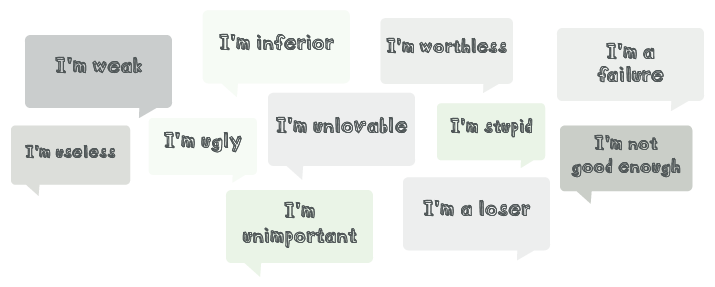
When faced with stressful or challenging situations, it’s common for people to use negative words to describe themselves, such as ‘I’m useless’, ‘worthless’ and ‘not good enough’. However, if you often think about yourself in these terms, then you may be experiencing low self-esteem. Someone with low self-esteem may have a generally negative opinion of themselves. Common thoughts that someone with low self-esteem may have are:

Do you have low self-esteem?

There are self esteem test that can be completed online or downloaded as a paper version

More Information

How does low self-esteem develop?

Often, beliefs about ourselves are conclusions we arrive at due to the things that have happened to us in our lives. If you’ve encountered negative experiences in your life, particularly in your childhood, you may hold very negative thoughts and beliefs about yourself.

If you have been neglected, mistreated, abandoned, abused or punished in extreme or unpredictable ways, you can come to believe very negative things about yourself and these experiences may cause you to develop low self-esteem.

Constantly being criticised can also cause you to develop negative beliefs about yourself. Your parents, carers or other family members making fun of you or highlighting your weaknesses instead of acknowledging your successes and strengths can also have a negative impact on your self-esteem.

Other factors that cause low self-esteem are:

  • Feeling as if you do not fit in anywhere (at home, at school)
  • Feeling intellectually inferior to or less talented than your siblings or peers
  • Feeling that you or your family is considered different or less socially acceptable by others
  • If your family was on the receiving end of prejudice or hostility
  • If you had an emotionally distant parent or carer
  • If you had a parent or carer who was not physically affectionate or able to spend time with you
  • If you did not receive enough attention, encouragement, warmth or praise as a child.

If your parents had to give their attention to dealing with stressful or difficult life events and were therefore unable to give you much attention.

What causes low self-esteem…

In young people?

In late childhood and adolescence, physical appearance and how you feel about your body may start to become very important. People around the same age can also influence how you see yourself. If the people around you say negative things about you or tease you about your physical appearance, you may start to feel you are ‘unlikeable’ or ‘ugly’. This is often made worse by messages conveyed by the media, for example, that we should be slim and physically attractive to be worthwhile.

Later in life?

Negative beliefs tend to develop in childhood. However, being bullied or intimidated at work, being in an abusive relationship, experiencing prolonged financial hardship, continuous stressful life events, traumatic events, or life-changing illnesses or injuries can trigger low self-esteem later in life.

What helps

What helps overcome low self-esteem?

Low self-esteem is underpinned by negative thoughts relating to how you view yourself and how you believe others view you. One of the main ways of dealing with low self-esteem is to try and work on these thoughts.

Ways to work on your thoughts

One way of overcoming low self-esteem is to appreciate yourself more and notice your own personal qualities, everyday. Record all the good things about yourself and ask others in your life for help.

At the end of each day, think about what you have done and what personal qualities you displayed. For example, if you went to work that day and arrived on time, the quality you showed was good time management. If you listened to a friend’s worries, then you display qualities such as kindness, empathy, being a supportive friend and a good listener, as well as many more.

The key is to continuously develop a record reflecting your worth so that you can look at this when the negative thoughts creep in.

When the negative thoughts about yourself creep in, challenge them, put them to the test, are they as true as you believe, would they stand up to scrutiny in court. Put your thought (not you) in the dock. Pretend that you are a lawyer paid lots of money to prove to a jury that the thought is true. What would you say? Remember the judge is watching. The judge will only allow evidence to be presented in court, not your opinion. Evidence from expert witnesses can be given, so who would you call to the stand? Next pretend you are the other lawyer, being paid lots of money to prove that the thought is not true and to contradict your fellow lawyer’s evidence. What would you say, what expert would you put on the stand?

You are now a jury member, you’ve heard what the lawyers and their expert witnesses have to say, what will you conclude?

There is more information on this technique and information about facts versus opinions.

Living with Low Self Esteem

Ways to work on your thoughts about your appearance

We are constantly being told if you want to be happy you need to look a particular way or fit a particular style of clothing. Try and see this for what it is, marketing to sell a product. You will never fit into clothes in all shops or match the ideal image that they are portraying because the shops on your high street originate from many different countries where the ideal image and body shape differs greatly.

Ways to work on your behaviour

Try to be assertive and project confidence as this will encourage others to treat you with more respect, which in turn will help you feel more confident and of greater worth. Even if you do not feel confident, you can “fake it until you make it” with some simple behavioural strategies to give the allure of confidence. The Centre for Clinical Interventions has information on the skills in assertiveness that everyone can do no matter how they feel inside.

People with low self-esteem tend to withdraw from the world in general. You may tend to do less of the things you find pleasurable. One way to improve your self-esteem and sense of achievement is to start doing things again a little at a time.  Try to make a list of the things you did previously but stopped or new things you would like to do.  Use this weekly planner to start reintroducing these activities.

Engaging in physical activities is a great way to build confidence. In fact, a recent study found that women aged 18 to 24 are twice as likely to be confident and have high self-esteem if they play sport. You can get a sense of achievement from physical activity. Due to the chemicals released during exercise, you can also experience an improvement in your mood. If you prefer to exercise alone, you may benefit from downloading an exercise app, such as Runkeeper or Nike+ Training club – workout & fitness plans. These allow you to track your achievements. You can also join the social media forums available so you can get encouragement from others.

Looking after someone with…Low Self-Esteem

How to support someone with low self-esteem

There are several ways to support people with low self-esteem. You can help by continuously pointing out their positive qualities and achievements.  You can encourage them to write these compliments down as a record of their own personal qualities.

There are several ways to support people with poor body image. You can point out what their body enables them to do rather than what their body looks like and highlight that everybody looks different.

Advice for parents trying to nurture self-esteem in their children:

As a parent you will be aware that young children are being bombarded with messages about how they should look and behave. Disney characters are often female and beautiful or male and strong. In teenagers there is often talk of the amount of muscles a boy has.

It is important to let our children know that everyone matures at a different rate and everyone has a different body shape, that your looks do not determine your value but rather it is what you achieve and contribute in life and the person that you are that counts.

The Amighty Girl Facebook page is also helpful, as each day information about inspirational girls and women is posted and not one is inspirational because of their looks but rather because they are different and have achieved something great.

Further information for carers is available on the NHS Greater Glasgow and Clyde carers site

Further information and support

If you would like to find out more about self-esteem and ways to improve low self-esteem either in yourself or others, there are several websites listed below that may be helpful.

Was this helpful?

Yes
No
Thanks for your feedback!