Skip to content
Home > Hospitals and services > Main Hospitals > Gartnavel Campus

Gartnavel Campus

The first Homoeopathic Dispensary in Glasgow was established in 1880 by a few doctors.

In 1909 a new Dispensary was opened financed by the Houldsworth family and in 1914 Houldsworth Hospital was started at 5 Lynedoch Crescent.

The hospital moved at 1000 Great Western Road in 1931, the premises at Lynedoch Crescent becoming the out-patient dispensary.

The Board of Management amalgamated with that of the Children’s Homoeopathic Hospital in 1944 and after the establishment of the National Health Service in 1948 both hospitals came under the Board of Management for Glasgow Homoeopathic Hospitals and within the NHS.

The out-patients dispensary was moved from Lynedoch Crescent to within the hospital at 1000 Great Western Road in 1987.

The Children’s Homoeopathic Hospital was closed in the late 1970s.

The hospital in 1999 moved to a new purpose-built hospital premises in the grounds of Gartnavel General Hospital, less than half a mile away. 

To read about it’s creation please read below. 

It was later renamed as the Centre for Integrative Care on the Gartnavel Hospital campus, and is part of NHSGGC.

The Creation of Healing Spaces

Creating Healing Spaces

“We wanted to create a place of beauty and healing” – Dr David Reilly

We all understand that the physical environment affects us, particularly if we are unwell or vulnerable. So what are we to do about our hospital? How can we offer patients and staff a more healing environment?

At the Glasgow, we set out to do just this – to create a place of beauty and healing, and in so doing offer a new model for a better healing environment.

The close-knit design team that brought together medics, administrators, architects and artists, has managed to create an award-winning functional hospital of singular beauty that complies with all NHS guidelines regarding quality standards, operating efficiency and cost.

Our achievement not only benefits the staff and patients at the hospital, but also offers a new vision for re-humanising care that can be readily applied elsewhere in the NHS and other care systems.

Creative Process

Our Vision – Creative Healing Spaces

A building sensitive to the direction of light and the seasons

“We were determined from the very beginning that the hospital would be art, not have art.” – Dr David Reilly, Project Director

We all understand that the physical environment affects us, particularly if we are unwell or vulnerable. So what are we to do about our hospital? How can we offer patients and staff a more healing environment?

At the hospital, we set out to do just this – to create a place of beauty and healing, and in so doing offer a new model for a better healing environment.

The close-knit design team that brought together medics, administrators, architects and artists, has managed to create an award-winning functional hospital of singular beauty that complies with all NHS guidelines regarding quality standards, operating efficiency and cost.

Our achievement not only benefits the staff and patients, but also offers a new vision for re-humanising care that can be readily applied elsewhere in the NHS and other care systems.

Architectural Competition

One of the earliest suggestions made by the NHS was that the Project Director should choose modular units from catalogues that could then be combined to form the finished hospital. Though this would have been easy to do, it would not result in a place of healing and beauty as intended, but nonetheless spurred on the Project Director to look for more creative solutions.

Dr Reilly approached Paul Anderson of the Glasgow School of Art who pointed him in the direction of the Deputy Director Jimmy Cosgrove who in turn guided him to Mike Haynes, Director of Planning for the City of Glasgow. Mike Haynes not only understood our vision for the hospital, but crucially recognised that the central role the future users of the building would play in the design process corresponded exactly with the aspirations of Glasgow’s European City of Architecture Year in 1999. Thus the new hospital became one of its first projects – and the first conceptual brick was laid.

The trail then lead to Neil Baxter Associates who recommended that we set up a design competition to find the right architects and steered us through this sometimes complex process, using the Royal Institute of Architecture of Scotland Guidelines.

The fantastic response resulted in 60 entries that were put on public display in Princes Square and a booklet which can be downloaded in PDF format by clicking here. If you need the Adobe Acrobat Reader and PDF viewer click here.

The judging process was extremely difficult given the very high quality of the entries and the need for input from patients and staff, as well as judges from both architecture and medicine. David Mackay of MBM Architects Barcelona provided critical input on how to best balance innovation and sensitivity against deliverability within budget and eventually a clear winner emerged.

The winners were Glasgow-based Macmon Architects who showed a vision for the building that excited the entire panel and showed a masterful handling of interior and exterior space. To find more out about the building follow the links to the next section.

“The central role of the users in the creation of the building corresponded exactly to Glasgow’s aspirations for its year as ‘European City of Architecture’ in 1999.” – Mike Hayes, Director of Planning for the City of Glasgow

Building – The Healing Space

At the hospital, patients are treated with the utmost respect and dignity. The building has been designed to meet both the physical and psychological needs of the patients, rather than forcing them to adapt to the operational needs of the hospital or any arbitrary architectural principles.

The exterior of the building is welcoming – not threatening – and is much larger than it first appears. The reception area is open, with a friendly interior, and bears a greater resemblance to a Scandinavian health spa than a fully functioning modern hospital capable of treating 10,000 outpatients and 500 inpatients every year.

The layout of the building offers a functional elegance to match first expectations. After discussion with staff and patients, the design was modified slightly so that ‘care’ spaces have a direct view and connection to nature and are protected from direct sound paths, while staff areas are located to the north and east of the building to avoid direct sunlight during working hours.

Roof/clerestory arrangements provide natural lighting for deep plan corridors, waiting areas and enhances, as well as enhancing natural airflow and ventilation throughout the building.

Since staff face the sometimes demanding task of dealing with some very sick patients, some of whom have been previously viewed as untreatable, the Design Team has placed an equal emphasis on ensuring that staff health and wellbeing is given a similar level of priority. Not only are the consulting rooms and therapeutic areas positioned and fitted in an attractive and functional manner, but the staff rest areas and dining room have also been constructed and decorated in the same fastidious manner.

“We have so much more space than we had before: it’s unreal. The building is rather deceptive because inside there is more space than light than you think from the outside.“ – Morag White, Physiotherapist

Building – The Future

The current building represents phase one of the project to replace the old 15 bed hospital from the 1930s. The only wholly new feature within the new hospital is a 40-seater seminar room.

A Phase Two is being considered, if the necessary funds can be raised, which will incorporate a range of new facilities, including:

  • a water therapy area
  • an academic area, for conferences, research and teaching
  • a multi-use space for therapeutic arts such as dance and music
  • a café-bistro and a retail pharmacy

The aim is to create a ‘wellness’ centre that breaks down the traditional barriers between the hospital and the outside world and the artificial divisions within medicine. Here people could come in the evening and have water therapy, massage and aromatherapy and enjoy great food in the café-bistro.

The Design Team were also very keen to consult and advise on best practice to improve the quality of health care provision in Scotland and the UK. Their experience showned that a modern hospital does not need to be a cold, threatening environment, but can be designed with the comfort of the patient uppermost in the mind – without any additional cost per square metre over a standard NHS hospital. Add to this the incalculable benefits to the patients in terms of improved health and well-being, and believe they can offer overwhelming arguments for change.

This desire seems to already bearing fruit with the local NHS Trust adopting as the new standard for future NHS building design in the area.

“The question of the effective therapeutic relationship is very important in all this. If there is a healing, constructive relationship between doctor and patient, the together we can go forward and look for answers.” – Dr David Reilly, Director

The Design Team

Design Team

Commissioned Artists

Photography

Mike Bolum – mikebolam@hotmail.com
Jane Kelly – kelly.keatley@virgin.net
Cameron McIlwham – cmcilwham@aol.com
David Griffith – david_griffith@btconnect.com
Macmon Architects – info@macmon.co.uk

The Building Vision

Building

The architectural competition to design the new hospital was launched in September 1995. Promoted by the Homoeopathic Hospital and West Glasgow Hospitals University NHS Trust, the competition was supported by the Royal Incorporation of Architects in Scotland, by Project Scotland and by the City of Glasgow in anticipation of its role as European City of Architecture and Design in 1999.

As a result the architects who applied were responding to the new vision of care put laid out in the brief by Dr David Reilly, Director of the new Homoeopathic Hospital Project and his colleagues. This stated: “Glasgow’s new Homoeopathic Hospital will serve as a focus of care which will draw upon modern and traditional approaches to create good medicine.” It went on: “This new hospital will signal its healing purpose to viewers from the outside. It will also create an harmonious interior environment that will help in the process of healing.”

A distinguished panel of judges was set up that included Jimmy Cosgrove Deputy Director of the Glasgow School of Art, Michael Hayes, Director of Planning and Development, City of Glasgow Council. Jane Herbert, CEO West Glasgow Hospitals University NHS Trust, David Mackay MBM Architects, Dr David Reilly and Christine Wolter, Treasurer of the Friends of Glasgow Homoeopathic Hospital. They decided that the entry submitted by Macmon Architects had most creatively fulfilled the brief. They proposed a building design of elegance and seeming simplicity that would not only satisfy the hospital’s meticulous operating requirements but also included best practice strategies for energy use and sustainable design.

The architects from Macmon also expressed great willingness and enthusiasm to engage with patients, carers, staff and Trust managers.

“We aim to help people self-heal – if possible from their disease, but always from their suffering. We wish to create a space, a place, an atmosphere, an approach and an experience that helps this healing happen.” – Dr David Reilly, Introduction to the Architectural Competition for GHH, 1995

Designing the Space

The design brief for GHH posed various challenges and opportunities, including prescriptive space standards, derived from NHS guidelines for all accommodation elements. It asked for:

A building form and layout that would facilitate extension yet retain visual excellence, extended or not.

Stringent cost limits, set within normal yardstick costs for accommodation of its type.

Macmon’s architects therefore set out to respond in a ‘holistic’ way to both the hospitals operating requirements and the significant environmental issues, posed by the shape of the site, and its proximity to a busy rail route. Their solution was to create a L-shaped building with defensible courtyard. In their design, the interior and exterior of the building would provide an integrated care and healing environment, where all patient rooms would have access to and could be accessed from the landscaped garden. The chosen layout also meant that the entrance could be located in the North East corner of the building so that it would be protected from prevailing south-westerly winds and driving rain.

Principle building elements have also been carefully planned within the structures efficient and affordable geometry. Reception and Dispensary elements are centrally located to optimize access and use, while accommodation elements that are of lesser significance in constructional terms are intended to reflect more directly natural forms and layout. Existing pedestrian routes have been respected and a new in/out vehicle ‘drop off/park’ arrangement has been created.

The general arrangement and juxtaposition of departments within GHH, creates provide a passive, low energy hospital environment that it highly functional and beautiful to behold.

“Thank you so much for everything you have created at the hospital. I wonder if you realise how important it is for those of us who depend upon it’s environment to calm us, strengthen us, and then send us out into the world to cope for another while.” – Patient.

The Healing Space

At Glasgow Homoeopathic Hospital, patients are treated with the utmost respect and dignity. The building has been designed to meet both the physical and psychological needs of the patients, rather than forcing them to adapt to the operational needs of the hospital or any arbitrary architectural principles.

The exterior of the building is welcoming – not threatening – and is much larger than it first appears. The reception area is open, with a friendly interior, and bears a greater resemblance to a Scandinavian health spa than a fully functioning modern hospital capable of treating 10,000 outpatients and 500 inpatients every year.

The layout of the building offers a functional elegance to match first expectations. After discussion with staff and patients, the design was modified slightly so that ‘care’ spaces have a direct view and connection to nature and are protected from direct sound paths, while staff areas are located to the north and east of the building to avoid direct sunlight during working hours. Roof/clerestory arrangements provide natural lighting for deep plan corridors, waiting areas and enhances, as well as enhancing natural airflow and ventilation throughout the building.

Since staff face the sometimes demanding task of dealing with some very sick patients, some of whom have been previously viewed as untreatable, the Design Team has placed an equal emphasis on ensuring that staff health and wellbeing is given a similar level of priority. Not only are the consulting rooms and therapeutic areas positioned and fitted in an attractive and functional manner, but the staff rest areas and dining room have also been constructed and decorated in the same fastidious manner.

“We have so much more space than we had before: it’s unreal. The building is rather deceptive because inside there is more space than light than you think from the outside.“ – Morag White, Physiotherapist

The Future

The current building represents phase one of the project to replace the old 15 bed hospital from the 1930s. The only wholly new feature within the new hospital is a 40-seater seminar room.
A Phase Two is being considered, if the necessary funds can be raised, which will incorporate a range of new facilities, including:

– a water therapy area
– an academic area, for conferences, research and teaching
– a multi-use space for therapeutic arts such as dance and music
– a café-bistro and a retail pharmacy

The aim is to create a ‘wellness’ centre that breaks down the traditional barriers between the hospital and the outside world and the artificial divisions within medicine. Here people could come in the evening and have water therapy, massage and aromatherapy and enjoy great food in the café-bistro.

The Design Team at GHH are also very keen to consult and advise on best practice to improve the quality of health care provision in Scotland and the UK. Their experience at GHH has shown that a modern hospital does not need to be a cold, threatening environment, but can be designed with the comfort of the patient uppermost in the mind – without any additional cost per square metre over a standard NHS hospital. Add to this the incalculable benefits to the patients in terms of improved health and well-being, and GHH believe they can offer overwhelming arguments for change.

This desire seems to already bearing fruit with the local NHS Trust adopting GHH as the new standard for future NHS building design in the area.

“The question of the effective therapeutic relationship is very important in all this. If there is a healing, constructive relationship between doctor and patient, the together we can go forward and look for answers.” – Dr David Reilly, Director

Art and Environment

Introduction

Making the building a work of art

“I love this building to bits. The first time I came here I cried. The patients loved the old hospital because it had a lot of character, but you can feel the atmosphere here starting to grow already.” – Sandra Smith

Healing is not only about remedies and cures; it’s also about stimulating the mind, body and the senses so that patients can better heal themselves. Since Glasgow Homoeopathic Hospital seeks to meet the physical, psychological and emotional needs of the patients and staff, it was always the intention that artists should be involved in developing the overall healing vision.

From early in the project, the Project Director, Dr David Reilly had determined there was a need for a Lead Artist who could collaborate with the Design Team to enhance the healing environment. To help him in this process Dr David Reilly sought out Elizabeth McFall of Healthcare Arts in Dundee to orchestrate the selection procedure.

She showed the Design Team a selection of artists work and from his responses set up a shortlist of around 50 artist’s work. A judging panel was then set up with David Reilly, Macmon Architects, Anne Harkness and Jimmy Cosgrove of the Glasgow School of Art.

From the hundreds of images presented to them over a day, a further shortlist was compiled and the chosen artists presented their visions for the hospital in a series of interviews in the inspirational environment of the Mackintosh Boardroom.

Jane Kelly stood out from the moment she entered carrying a heavy load of bricks, tiles, leaves and many other materials from which she proceeded to construct a mosaic of possible ingredients and relationships. Her ability to move across media, to be at ease both indoors and outdoors, to work with fine arts, or décor and finishes, coupled with her capacity to actively listen to people’s needs and hopes and back their vision, made her an enormous asset to the team.

“The lead artist applied her creativity to helping us choose everything from wall paint colour to furniture and fittings. Much later she would also guide the process of commissioning pieces of ‘art’ in the traditional sense.” – Dr David Reilly

Design Team

“Patients find the atmosphere soothing and relaxing – an ideal setting for people who have suffered physical and emotional stress and pain…” – Stephanie, Physiotherapy Dept

The Lead Artist’s proposal responded to both the client’s vision for the design of the new hospital to be a healing force itself and to the architect’s response to that vision, evident in the form, flow and illumination within the built environment.

Drawing upon her extensive experience in this field, inspired by the sources and processes of homoeopathy, and following in-depth consultation with the architects, artists and carers, Jane Kelly defined a restricted colour and materials palette of white, ochre, lavender and terracotta for use on walls, floors, furniture and details, using natural and organic materials whenever possible. Her proposal also set out to identify opportunities for the role of artworks that would reinforce the building’s healing philosophy.

The chosen colours along with their dilutions supported the healing atmosphere created by Macmon’s award-winning architectural design. By using the weakest dilutions of colour on the largest surfaces of walls and floors, a light and airy interior was enhanced. This was embellished at key points by concentrations of stronger hues on smaller surfaces – the soft hint of lavender in the linoleum, the mid lavender on the exterior render seen and the deep violet leather coverings to chairs and sofas.

In journeys around the building, colour palette tints and shades echo repeatedly, creating a sense of continuity and harmony. Across the white grey walls, a subtle range of reflected colour and shadow change slowly as day progresses into night. These are orchestrated by the changing natural light, both direct and reflected, and the use of complementary electric light from specially chosen lamps and fittings. All these design elements combine to create a soothing feeling of calm and refuge.

Making the Building a Work of Art

The Lead Artist’s proposal responded to both the client’s vision for the design of the new hospital to be a healing force itself and to the architect’s response to that vision, evident in the form, flow and illumination within the built environment.

Drawing upon her extensive experience in this field, inspired by the sources and processes of homoeopathy, and following in-depth consultation with the architects, artists and carers, Jane Kelly defined a restricted colour and materials palette of white, ochre, lavender and terracotta for use on walls, floors, furniture and details, using natural and organic materials whenever possible. Her proposal also set out to identify opportunities for the role of artworks that would reinforce the building’s healing philosophy.

The chosen colours along with their dilutions supported the healing atmosphere created by Macmon’s award-winning architectural design. By using the weakest dilutions of colour on the largest surfaces of walls and floors, a light and airy interior was enhanced. This was embellished at key points by concentrations of stronger hues on smaller surfaces – the soft hint of lavender in the linoleum, the mid lavender on the exterior render seen and the deep violet leather coverings to chairs and sofas.

In journeys around the building, colour palette tints and shades echo repeatedly, creating a sense of continuity and harmony. Across the white grey walls, a subtle range of reflected colour and shadow change slowly as day progresses into night. These are orchestrated by the changing natural light, both direct and reflected, and the use of complementary electric light from specially chosen lamps and fittings. All these design elements combine to create a soothing feeling of calm and refuge.

Commissioned Artworks

Working in close collaboration with the Design Team, the Lead Artist guided a commissioning process that identified key places within the building where artwork would enhance its environment and would itself be enriched by the healthcare context.

At GHH the artworks are at one with the building itself and journeys around the new hospital by patients, staff and visitors offer carefully created moments of interest and delight. In keeping with this philosophy, the choice of artists and their work did not aim always for instant impact, or even entertainment, but instead aspired to long term appreciation that would contribute to the healing process.

Through discussion, the Design Team agreed early on in the commissioning process to avoid overtly representational works which might have the potential for negative connotation or leave themselves open to ambiguously disturbing interpretation. Instead, it was decided that artworks should be in keeping with the overall aesthetics of the interior and exterior environment and a particular accent was placed on the use of natural materials. Since the underlying idea of the hospital and the design process was linked to the notion of combining separate elements to create a whole, weaving became a metaphor for healing – paper in translucent layers, fabric layered and stitched, copper strands woven with silk, and willow entwined with ash.

After a long process of visiting exhibitions, trawling artist data bases and group deliberation, a small team of artists based in the west of Scotland were commissioned to create artworks for the new healing environment – Kirsty Aitken, Jim Buchanan, Jill Blackwood, Elaine Clarke, Lizzie Farey and Jane Kelly herself. Andrew McIntyre later joined the Design Team to design and implement original stainless steel and Perspex cases and fixings for the presentation of the finished pieces. In addition, Mike Bolum was commissioned to photograph the project and Cameron McIlwham was commissioned to create this website.

“’Paradox’ and ‘God Shouting’ are intensive areas of colour and texture. They are vibrant and rich, they require the viewer to return again and again to the works in order to fully absorb the energy and joy that these textiles radiate.” – Jilli Blackwood

Garden

Introduction – A Garden at the Heart of the Healing Process

A garden has always been at the heart of the vision for the new hospital’s healing process. It has been shown time and again through independent research that a person’s awareness of changing light and proximity to the natural world has a remarkable effect on their sense of well-being and recuperative ability.

At hospital we have therefore designed the building so that every patient has direct access to the garden from their room via a wooden deck.

Here, the landscaped garden forms the focal point of the hospital; an inviting outdoor extension to the indoor healing environment. The garden affords a different view from every window and suffuses the hospital with reflected natural light.

The garden itself was designed and built by Jane Kelly and a small, highly skilled team of builders. It comprises a series of sculpted earth mounds and beds that brim with rare flowers, wild grasses, trees and shrubs. Wide stone paths lead through the inner garden towards the perimeter path.

Beyond this are the grassy mounds that now provide a home to a family of foxes.

The landscaped garden is protected by a 25m long living wall of willow, curved raised beds built of blue glazed brick and, of course, seating. To find out more about how the garden was conceived and constructed, follow the navigation links on the left or top of this page.

”One evening, when, as often happens I couldn’t sleep I stepped out into the garden, and into another world. The paths were ribbons of earth captured moonlight…” – Hospital Patient

Designing the Garden

The main structural foundation of the garden design is a wide silvery path which flows through the full length of the grounds and is a symbol for water and the ‘life force’, linking all the wards and patient spaces and helping define five distinct areas of the landscape: a paved and gravelled courtyard with architectural planting, a herb garden which thrives in the south-west facing aspect, a lawn surrounded by flowering perennials and shrubs, a terrace edged with raise beds and trees, a woodland edge boundary, and a protective long living wall of willow.

The planting colour palette aims to glow through all seasons, and offers a wide variety of forms and textures, from trees and shrubs, to exotic wild grasses, rare flowers and aromatic herbs. The gardens greens particularly sing seen from the warm hues inside and against the vibrant lavender walls outside.

In addition to the many shades and ‘dilutions’ of green in the garden, the planting colours strengthen from north to south. Whites and lavender in the gravel courtyard are enlivened by the ochres and blues in the adjacent herb garden. The perennials around the lawn range through yellow, orange and pink shades which move into a warm mix of crimson, red and violet around the terrace and raised beds of deep lavender blue glazed bricks.

The colour scheme for planting is inspired by the principles of homeopathy: subtle dilutions of white, ochre, lavender and terracotta, and echoes the artist’s use of colours and shades for the interior environmental design.

“You get encouragement to be yourself here. I can’t think of the words, it’s not like being out of your body but there is a sensation of looking down on yourself and beginning to see what others are seeing.” Hospital Patient

The Healing Garden

“The peace and tranquillity here is wonderful. It’s more restful than a holiday.” – Patient

The choice of plants seeks to provide year round beauty of bark, bud, leaf and flower. Many of the plants are also the ingredients of traditional herbal medicines – fennel, comfrey and eucalyptus in the herb garden, echinea and yarrow around the raised beds. Others are used in Homoeopathic remedies – back bamboo in the gravel courtyard, rhododendrons along the woodland edge – and even the honey bees themselves who love to feast on the eupatorium!

Patients have repeatedly described how the hospital garden has a calming, healing effect. Recounting their recuperative experiences, almost all refer directly to the garden, and some attribute the main benefit to it.
Indeed patients like to sit out in it, even the Scottish rain.

Especially important has been the effect on terminal patients and their families. The architectural full wall of glass, with sliding door access to nature has a powerfully comforting and balancing effect. Staff too sing its praises …. And a wildlife of foxes, robins, bees and butterflies have started to colonise it.

The Future

The project not only provides a practical demonstration of how contact with nature can help people to recover more quickly and regain their health, but also has been seen as a model and inspiration for future hospitals and health care centres.

The new garden at the hospital is in constant flux and growth. It is now important to protect this essential therapeutic facility through sustainable maintenance and development.

“The grounds of many existing hospitals could be greatly improved to the benefit of patients families and staff by adopting a more green and leafy approach within and around the building.” – Urban Forestry in Practice, ‘Hospital greenspace as an aid to healthcare’

Was this helpful?

Yes
No
Thanks for your feedback!

Interventions offered in individual care plans will vary but may include the following:

Mindfulness Based Cognitive Therapy

Mindfulness means 

  • paying attention,
  • in a particular way,
  • on purpose, 
  • in the present moment, 
  • without judgement (Jon Kabat-Zinn)

The Mindfulness Based Cognitive Therapy Course teaches a number of Mindfulness Meditation Practices with elements of traditional CBT, helping participants to learn to bring awareness to their experiences, their thoughts, their body, their senses and emotions, in a compassionate and non-judgemental way. This can allow the development of a different, more helpful relationship to life and difficulties. The course is 8 weeks long, each session lasting 2 and a half hours. At the NHS Centre for Integrative Care we have added an introduction week to allow a taster of the practices and a chance to find out more about the course before committing and a mid-course silent practice session to deepen the experience of the practices.

Our MBCT course teachers are fully trained. They meet the UK Good Practice Guidelines for Mindfulness-Based Teachers, i.e. they are suitably trained, committed to continuous professional development, are appropriately insured, and are receiving supervision for their teaching.

MBCT is useful in long term chronic conditions, anxiety and depression, and addiction.

Heartmath-based cardiac coherence

More info coming soon…

Counselling

NHS Centre for Integrative Care offers a counselling service for those who need longer or more frequent appointments to talk about their problems.

Counselling involves one to one sessions of about 50 minutes, usually on a weekly basis for between 8 and 20 weeks.

Our counsellors are placement Counselling Psychologists who are in their final year at Caledonian University and have been trained in person centred counselling, CBT, and other techniques designed to support people to improve their mental health and wellbeing. They can help people work with issues like anxiety, depression, bereavement, coping with physical health challenges, eating disorders, anger management, obsessive compulsive disorder. They can also help when someone needs time and space just to be listened to as they explore challenging life events.

Art Therapy

Art therapy is a form of psychotherapy that uses art making to engage and enable people in developing a greater understanding of themselves and their life circumstances. Using art materials to create images or objects offers another way of communicating feelings and expressing ideas that does not rely on putting thoughts into words.

Art therapy offers a tangible way to explore connections between experiences, thoughts and feelings in a safe, confidential and non-judgemental therapeutic relationship. This process can enable individuals to find new perspectives on challenging issues in their lives and aims to encourage wellbeing, increase autonomy, raise self-esteem and self-awareness.

Do you have to be good at art?

No artistic ability is needed for people to participate and benefit from using the art materials in art therapy sessions and the art therapist does not make any judgements on whether an artwork is good or bad. A wide range of art materials are made available within the art therapy room, such as paints, pastels, clay and fabrics, as well as having access to CICs inspiring garden space.

Who can benefit from Art Therapy?

Having a creative, safe and non-judgemental space to express and reflect can benefit people who are experiencing change in their lives connected to physical, emotional or relationship difficulties. For some people the opportunity to find new perspectives on past experience may enable beneficial change and growth in the lives they are living now.

The artworks made in sessions can enable a more objective way of thinking about emotions, as the imagery can become a safe place to externalise feelings. The physical artwork can hold or contain feelings in its creation that can then be shared and reflected on together with the art therapist. In a group setting this process extends to include sharing and reflecting with other group members.

Outpatients

Referrals to art therapy can be made by any of the doctors or health care professionals at the Centre for Integrative Care. At an initial assessment meeting with the art therapist the individual will be able to discuss how art therapy may be beneficial for them and think together about whether individual or group art therapy sessions may be suitable. Individual art therapy sessions take place weekly with the art therapist in one to one sessions of 1 hour, that allow for the individuals creative processes to develop over a number of weeks. Group art therapy takes place in a small group of around 6 people, weekly for sessions of 2 hours.

Music Therapy

Music is one of the creative and natural expressions of being human and can have a multitude of purposes, can stir memories and resonate with our feelings, helping us to express them and to communicate with others.

Music Therapy uses many musical components and the above qualities to provide a way to relate within a therapeutic relationship, hopefully allowing for people to build connections with their inner selves and with others around them.

Clients are seen as part of the integrative care approach on an individual or group basis, depending on individual needs.

Physiotherapy

The Physiotherapy Team at the Centre takes a ‘whole person’ approach to health and wellbeing. At the core will be your involvement in the supported management of your health to help you to cope better and do more of what you enjoy.
With a long term condition it is easy to become focused on your physical difficulties. We hope to be able to work with you to support your well being as a whole, looking at solutions for difficult issues and helping you to;-

  • Manage your energy well to reduce the impact of fatigue.
  • Move as freely and much as possible for all the benefits that will bring.
  • Help you to increase your levels of physical activity.
  • Address issues of pain management in the most appropriate way.
  • Look at lifestyle issues such as coping with stress and managing your sleep patterns.

We will take some time to get to know you and the demands of your life. After this we can help you set some realistic goals and decide on where you can begin to make helpful changes in order to build better all round health and wellbeing.

If you are experiencing a new and unfamiliar episode of pain this is best dealt with by a specialist musculo-skeletal Physiotherapist who can assess and treat that specific issue. You can self refer to Physiotherapy of this type through your GP Practice.

Although ‘hands on therapies’ can often provide relief for some of the issues relating to a long term condition this effect is often short term. The most significant benefits often come from the skilful changes you can make to your lifestyle and coping strategies, and this is the focus and aim of the Physiotherapy service at NHS C.I.C.

Your Physiotherapy Appointments

Your first appointment will last for up to an hour. You do not need to wear sports gear! We will begin to look at the issues that affect your health and create a self management plan with you. We may offer you more one to one appointments, a place on our Moving into Balance Programme, or a combination of both.

Therapeutic Massage

More info coming soon…

Allergy Service

Out-patient clinics seeing adults and children – accepts referrals direct or from the in-house team.

Allergies are increasingly common and the integrity of the individual is affected. This leads often to a profound impact on the person and may limit their life greatly and cause anxieties and related stresses. Skin Prick Testing may give further diagnostic help.

Therapeutic options are individually tailored and include isopathy (to individual allergens, such as pollens), homeopathy, anthroposophic medicine, nutrition, movement therapy and Acupuncture.  From this, a focus on health and restoring a healthy relationship to self and environment evolves.

Anthroposophic Medicine

This is an integrative medical approach. It starts with a conventional diagnosis but includes in its assessment of the patient the imbalances of the body and a psychological, mental and spiritual dimension. In particular, the practitioner works with the patient in a creative way with their life situation and illness, to appreciate the challenges of the illness and potential for growth and change. At the centre of this is an appreciation and valuing of the person in their complexity. It takes a holistic approach to health including looking at body and life rhythms such as movement, sleep and breathing.

Therapies may include homeopathy, plant and mineral-based medicines enhanced according to anthroposophic principles, and artistic therapies.

Referral can be made directly or in-house to Out-Patient clinic.

Anthroposophic Medicine considers primary prevention through education as the highest priority eg. via lifestyle counselling and nutrition for the presentation of allergies and obesity. Anthroposophic Medicine takes account of the biographical and social aspects of illness aiming to aid personal development and patient autonomy and empowering patients to share responsibility for the healing process.”

Complimentary Services

Acupuncture

Acupuncture is a treatment that can provide short-term relief from the symptoms of some physical conditions. The practitioner will assess each patient’s case and treatment will be tailored to the individual and their needs. Typically, fine needles are inserted through the skin and left in position briefly, sometimes with manual or electrical stimulation. The number of needles varies but may be only two or three. Treatment might be once every two weeks to begin with, then at longer intervals as the condition responds. A typical course of treatment lasts 6 sessions.  

For further information http://www.medical-acupuncture.co.uk//

Homeotherapy

When a patient first comes to us for a consultation, an integrative care assessment takes place and following this they may or may not receive a recommendation for homeopathic treatment. If a recommendation is made for homeopathic medicine, the patient is then free to purchase this privately or attend their GP. 

Homeopathy is a very gentle system of holistic medicine, used by over 200 million people worldwide. It uses dilute versions of substances from the natural world. More information can be found here:

Mistletoe Therapy

Mistletoe therapy is an anthroposophical medicine and can be integrated with conventional cancer treatment. It involves the prescribed use of mistletoe by qualified doctors and nurses. The mistletoe is obtained from the European mistletoe plant (Viscum album L.) and is pharmaceutically prepared.

Mistletoe is available as ampoules for injection or drops to be taken by mouth. Mistletoe therapy does not replace recommended cancer treatment. 

References

  • The Cochrane Collaboration: Mistletoe Therapy in Oncology (Review) (2010) Troger W. et al., Viscum album (L.) extract therapy in patients with locally advanced or metastatic pancreatic cancer.
  • A randomized clinical trial on overall survival.Eur J Cancer (2013)

For further information on mistletoe please visit: http://www.mistel-therapie.de

Patient referrals for mistletoe are from registered health professionals involved in the care of patients with cancer.

Further Information

Was this helpful?

Yes
No
Thanks for your feedback!

The NHS Centre for Integrative Care, situated on the Gartnavel Hospitals site, offers people with long term conditions a wide range of opportunities to enhance their health and quality of life. Most patients referred to the Centre are experiencing chronic pain, chronic low energy, and/or chronic low mood or anxiety. However, any patient with a long term condition may benefit from the care provided here.

What is integrative care?

Integrative is a term which refers to increasing the harmony and coherence of your whole being. Integrative care therefore focuses on the person, not on either the disease or a particular therapy. The intention with integrative care is to promote and enhance wellbeing, resilience, and the realisation of an individual’s potential capacities for self-care, self-regulation and self-healing.

  • ‘Integrative medicine is healing-oriented medicine that takes account of the whole person (body, mind, and spirit), including all aspects of lifestyle. It emphasises the therapeutic relationship, is informed by evidence, and makes use of all appropriate therapies, both conventional and alternative.’ Dr Andrew Weil Arizona Center for Integrative Medicine https://integrativemedicine.arizona.edu/
  • Integrative Medicine, “is the practice of medicine that reaffirms the importance of the relationship between practitioner and patient, focuses on the whole person, is informed by evidence, and makes good use of all therapeutic approaches, healthcare professionals and disciplines to achieve optimal health and healing.” (as defined by the American Board of Integrative Medicine and the Consortium of Academic Health Centers for Integrative Medicine)

The Centre for Integrative Care practices a unique form of Integrative Medicine, which is healing-oriented, whole person-centred integrative care, which respects individual autonomy, whilst offering appropriate support, and incorporates extensive skills and experience of practitioner, evolving in innovative ways to meet the challenges of complex multi-morbidity and long-term conditions in the varied population it serves. The service is recognised as a centre of excellence in person-centred care and award winning, including the prestigious ALLIANCE Best Self Management Resource in 2016.

What can I expect if I am referred?

All patients are seen in an Outpatient Clinic by either a doctor or an advanced specialist nurse practitioner who will seek to achieve a comprehensive, holistic understanding of your illness and its context in your life. We think the relationship between the patient and their health care practitioner is a crucially important part of their care so we will establish a therapeutic alliance with you based on trust, non-judgemental listening and empathy.

Health care is a relationship, not an event, so you can expect continuity of care. Although we have a multidisciplinary team and we will create an individualised care plan for you, the practitioner you see initially will be your main carer throughout.

What might be involved in an individualised integrative care plan?

Integrative care involves

  • a co-ordinated mix of health and wellness coaching,
  • advice and information,
  • the teaching of health-making practices and techniques,
  • the delivery of specific non-drug, non-surgical therapeutic interventions, which are intended to facilitate greater vitality, resilience and growth in the person who presents with the illness.

In addition to one-to-one consultations, there are groups and classes to teach a holistic understanding of health and to enable individuals to increase their self-compassion and their ability to self-manage their condition. There is also a Holistic Day Service which is a four day programme delivered by a multi-disciplinary team.

Interventions offered include Mindfulness Based Cognitive Therapy, Heartmath, Counselling, Art and Music Therapy, Physiotherapy, and Therapeutic Massage, and complementary therapies such as Acupuncture, Homeopathy and Mistletoe Therapy. Relaxation, Stress Management, Yoga and Tai Chi may be included in the some of the group programmes we offer. You can find out more in Groups and Classes and Therapies.

Referrals

The NHS Centre for Integrative Care accepts referrals from all health care professionals in exactly the same way as all other hospitals and clinics. Normally your GP will refer you, but you may also seek a referral from another hospital specialist, a specialist nurse, or specialist physiotherapist.

The service is recognised as a centre of excellence in person-centred care and award-winning, locally and nationally, including the prestigious ALLIANCE Best Self Management Resource in 2016 and Scottish Health Award 2017 in Healthier Lifestyle Category.

The team were also finalists in the Care for Long Term Illness category of the Scottish Health Awards in 2016 and 2017, and have received many other nominations and awards, including finalist for Inspiring City 2018 awards in Carer(s) category, and Community Champions awards. The Centre for Integrative Care Nursing team were finalists for the 2018 Nursing Times Awards in the Managing Long-Term Conditions category with their Holistic Day Service model supporting self-management.

More Information

Day Service

The Holistic Day Service offers small groups of patients, (who have been previously assessed at an Integrative Care consultation in the out-patient clinic), the opportunity to take part in an innovative and specially-adapted evolving programme, in a trauma-aware and beautiful, supportive therapeutic healing environment. This includes clinical nurse specialist-led education classes, such as group work including gentle body and stress awareness classes, illness management classes, individual therapy sessions, facilitated peer support, 1:1 support, as appropriate. The aim is to help the person:

  •  find new ways of coping
  •  make positive changes in your life
  •  leave with skills you can continue to use at home
  •  move towards a better quality of life and increased well-being
  •  have a sense of greater coherence and integration (feel more ‘connected’ to yourself)

The 3 day programme runs on Monday, Wednesday and Friday, 9.45am – 4.00pm with a follow-on session a few weeks later.

Groups and Classes

There are a number of groups and/or classes delivered and facilitated at the Centre for Integrative Care and it may be appropriate as part of the overall pathway for an individual to take part in one or more of these. Referral is by the clinician who does the Integrative Care assessment and sees the patient in the out-patient clinics.

Healing Steps Integrative Course

There is innate healing capacity within each individual. Recognising and keying into this is a main aim of this course, as well as central to everything that takes place at Centre for Integrative Care.

This interactive, person-centred course is intended to help develop interest and insights in health and well-being and self-care, and to encourage different strategies that may optimise self-management and enhance life and healing. It is appropriate for those with long-term conditions who are curious and open to exploring aspects of health from a wider perspective.

Themes of the groups are developed in 2 and a half hour sessions (including half an hour break) weekly over 4 weeks: ‘Health and Well-being’, ‘Food as Medicine’, ‘Rhythms and Connection’ and ‘Feeling Well’. There is a further follow-up session ‘Review and Reflect’, usually six weeks later.

Discussion and peer support is facilitated and there is an opportunity to develop self-care and self-management strategies, practice some relaxation and breathing skills, and look at how long term ill health has affected you and how your healing capacities may be cultivated and enhanced, in a friendly and supportive environment.’

Moving into Balance

Moving into Balance is a six-week programme delivered by Senior Physiotherapists.

The programme is based on the evidence based models of care for managing long standing health difficulties and is aimed at helping people find new ways to:

  •  Reconnect with the principles of self care
  •  Balance their energy so as to better cope with pain or fatigue
  •  Begin to rebuild stamina and regain physical confidence
  •  Reduce the impact of stress on their physical health

Each week participants will learn gentle and safe stretches to help maintain flexibility, strength and balance. As well as offering simple information on pacing, sleep management, the physical impact of stress, and how to exercise safely, there will be opportunities to experience breath work, and relaxation training. The course is supported by a range of audio materials.

Although each class lasts for 2 hours, the programme is suitable for people of all levels of physical ability and a range of health issues.

Therapies
Referrals

The NHS Centre for Integrative Care accepts referrals from all health care professionals in exactly the same way as all other hospitals and clinics.

Normally your GP will refer you, but you may also seek a referral from another hospital specialist, a specialist nurse, or specialist physiotherapist. All patients are offered an appointment within nine weeks of the referral letter being received.

NHS Centre for Integrative Care History
Mindful Meditation Practices
Friends of the Centre

Friends of the NHS Centre for Integrative Care is a charity supporting the UK’s only purpose-built NHS facility offering person-centred holistic care for improved health and wellbeing. We’re focused on raising the visibility of the award-winning NHS Centre and ensuring people have access to its services through the NHS.

We do this by educating the public and health practitioners on the merits of Integrative Care, helping patients get referred to the NHS Centre, and voicing patient needs; whether that’s to their local MSPs, or to third-sector and government bodies involved in a dialogue for safer, more affordable and more sustainable health and social care. Friends is a long-standing member of The ALLIANCE for Health and Social Care, and our members are actively involved in a variety of other patient-focused and wellbeing organisations and endeavours.

Our volunteer-led charity, founded in 1995, offers a variety of activities including online classes, “Zoom Cafe” get-togethers, and a newsletter featuring patient stories and spotlights on NHS Centre staff. Membership is open to all, and affords further opportunities to connect and experience the complementary and alternative therapies practised at the hospital. These include face-to-face talks, discussion groups, classes, and social events. Individuals and organisations can join here and are welcome to serve on committees to support our mission.

Learn more at FriendsCIC.org, or contact us at hello@friendscic.org or 07532 619 335.

Was this helpful?

Yes
No
Thanks for your feedback!
hospital-images-gartnavel-royal

Getting Here

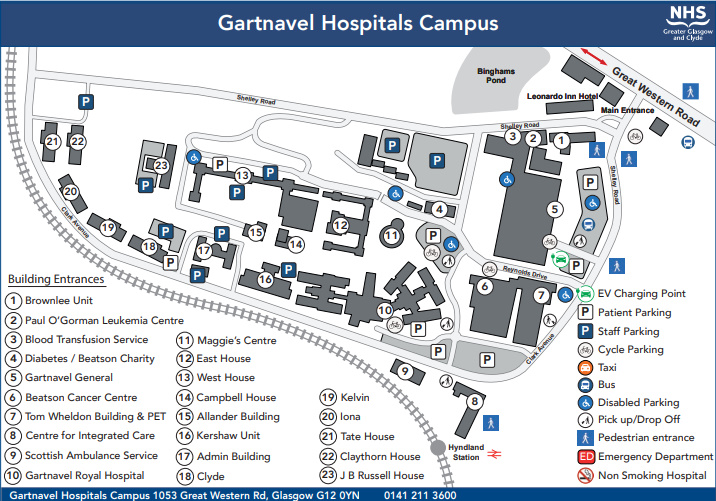
Getting Around Our Campus

Click the image below to view / download a PDF of the site map, which also includes travel directions.

Wards and Visiting

Claythorn House Ward

Call: 0141 211 3688

Claythorn House, inpatient learning disability service. It is part of our Learning Disability Services, which provides healthcare services for people with a learning disability..

In general people with a learning disability access healthcare in the same way as everyone else. Within NHS Greater Glasgow and Clyde there is an emphasis on ensuring equal access to all NHS services.

Claythorn has been developed to provide specialists in inpatient assessment and treatment for people with a learning disability who also experience mental ill-health and where these needs cannot be met safely within generic services.

Clyde Ward

Call: 0141 211 3604

Clyde ward provides continuing care/intensive rehabilitation, caring for patients with long-term mental health problems. The dual role of the ward is highlighted by the changing characteristics of the patients treated.

Cuthbertson House Ward – Elderly

Call: 0141 211 3645

Cuthbertson House is an acute admission/assessment ward for people whose mental illness has been caused by a brain impairment (also known as organic mental illness). This includes people who have developed dementia as a result of Alzheimer’s, Pick’s and Huntingdon’s disease. The ward aims to help patients achieve maximum independence and support relatives and carers through the assessment process. The ward has formed close links with Glenkirk Resource Centre.

Henderson House Ward – Adult

Call: 0141 211 3621

The ward provides care and treatment for individuals from 16-65 years of age who are experiencing wide-ranging mental health difficulties of a severe and/or enduring nature. The ward also provides a detoxification service for clients who have problems with substance misuse. Henderson has formed close links with Goldenhill Resource Centre and the Intermediate Services based in the resource centre.

Iona House Ward

Call: 0141 211 0316

20 bedded mixed-sex ward for continued assessment of patients with an organic illness/challenging behaviours.

IPCU Ward

Call: 0141 211 3601

The ward provides care and treatment for individuals who are in an acute phase of their illness and where their needs cannot be met in the open ward setting.

Kelvin Ward

Call: 0141 211 3608

The ward has a remit for providing a rehabilitation service for those experiencing long-term mental health problems and operates on a referral basis.

McNair House – Adult Ward

Call: 0141 211 3566

The ward provides care and treatment for individuals from 16-65 years of age who are experiencing wide-ranging mental health difficulties of a severe and/or enduring nature. McNair has formed close links with Riverside Resource Centre and the Intermediate services located at Whittingham Gardens.

Rutherford House Ward – Adult

Call: 0141 211 3619 or 0141 211 3620

The ward provides care and treatment for individuals from 16 – 65 years of age who are experiencing wide-ranging mental health difficulties of a severe and/or enduring nature. McNair has formed close links with the Arndale Resource Centre, Riverside Resource Centre and the intermediate services located at Whittingham Gardens.

Tate House Ward

Call: 0141 211 3640

Tate House is an acute admission ward for patients between the ages of 18 and 65. The ward aims to provide a safe, non-threatening environment whilst delivering a high standard of care, designed around the needs of patients, their carers and families. There are close links formed between Tate House and Shawpark Resource Centre.

Timbury House Ward – Elderly

Call: 0141 211 3643

Timbury House is an acute admission/assessment ward for persons aged 65 years and over who suffer from a functional mental illness. These are illnesses which are not caused by any obvious or detectable brain impairment. It includes conditions such as bipolar disorder, obsessive-compulsive disorder, depression and schizophrenia. The ward has formed close links with Glenkirk Resource Centre.

Services and Outpatients

Dietetics

Call: 0141 211 3657

Occupational Therapy
Physiotherapy

Call: 0141 211 3684

Podiatry

Call: 0141 211 3683

To self-refer and make an appointment call our Podiatry Appointment Hotline on: 0141 347 8909 Monday to Friday, 8:00am – 8:00pm or Saturday 9:00am – 1:00pm email: AHP.Appointments@ggc.scot.nhs.uk 

Public Dental Service

Call: 0141 531 8916

Quit Your Way

Call: 0141 211 6564

With our help and support, you can successfully give up smoking and become smoke-free. You can do it, we can help.

Smokefree Services are responsible for a wide range of tobacco projects aimed at reducing the damage from tobacco to people in and around Greater Glasgow and Clyde.

The Sanctuary

Call: 0141 211 3686

The Sanctuary is a multi-faith facility offering service users a quiet reflective space, at the heart of the new Hospital. It is situated in the Upper Hub in the new building, it is well-signed, wholly accessible and open at all times for anyone to use. The motif of the Sanctuary is a sunburst, and its windows overlook a quiet garden space. It is simply furnished and incorporates wooden items specially crafted by the Boomerang Project. One of these contains scriptures from different religious traditions and prayer-mats. A room for ablutions is available directly across the corridor.

If you have a general enquiry you can email us at chaplains@ggc.scot.nhs.uk and our patient leaflet can be accessed here NHSGGC Spiritual Care Team Patient Leaflet 2019.

An NHS Healthcare Chaplain is always on-call and ward staff can arrange for them to be paged.  A Roman Catholic Priest is also available at all times.

Spiritual Care

Call: 0141 211 3686

The Sanctuary – is situated in the Upper Hub in the new building, it is well-signed, wholly accessible and open at all times for anyone to use. It offers service users, visitors and staff a quiet reflective space and aims to be inclusive of all faiths and beliefs. Prayer mats are available and a room for ablutions is available directly across the corridor.

The Chaplaincy Service – delivers spiritual and religious care to all people. Spiritual care addresses the fundamental human need to have a sense of peace, security and hope particularly in the context of injury, illness or loss. Healthcare Chaplains do this by being attentive to the patient’s story, looking for sources of strength and resilience, and valuing the person and what is most important to them. Religious care can be a crucial aspect of this. Healthcare Chaplains work with other NHS staff to ensure that these needs are met and, where appropriate, in partnership with local faith and belief groups.

If you have a general enquiry you can email us at chaplains@ggc.scot.nhs.uk and our patient leaflet can be accessed here NHSGGC Spiritual Care Team Patient Leaflet 2019.

An NHS Healthcare Chaplain is always on-call and ward staff can arrange for them to be paged.  A Roman Catholic Priest is also available at all times.

Young Onset Dementia Service

Call: 0141 201 4805

Open: Monday to Friday, 9.00am – 5.00pm

Location: West House, Ward 4, Room 6.08

The Young Onset Dementia Service is a health board-wide service for adults aged under the age of 65 years old with a diagnosis of dementia. Patients can be referred to the service by clinicians in Adult and Older CMHTs, RES Teams, as well as other Secondary Care services.

The YOD service provides specialist psychosocial interventions to younger people with dementia, family members and carers. Patients are seen in their own locality. In addition to direct work, the YOD service can provide consultancy and training to clinicians and services across NHSGGC on working with younger people with dementia and their families.

Gartnavel General
“I attended the Endoscopy Clinic for a Colonoscopy at Gartnavel General Hospital. In the course of my visit I was attended to by a considerable number of staff all of whom were extremely focused on taking an interest in their patient and could not be more pleasant or caring. They represented a magnificent example of how to treat patients. My thanks goes to them and those who are responsible for staff training.”

Gartnavel General Hospital

previous arrow
next arrow

Was this helpful?

Yes
No
Thanks for your feedback!
Hospital-images_GG
previous arrow
next arrow

Getting Here

Getting Around Our Campus

Click the image below to view / download a PDF of the site map, which also includes travel directions.

Wards and Visiting

Ward 1C – Ophthalmology, Eye Surgery

Call: 0141 211 3238

Ward 2A and 2B – Orthopaedics

Call Medicine for the Elderly (Ward 2A): 0141 211 3172

Ward 2C – Geriatric Orthopaedic Rehabilitation Unit (GORU)

Call: 0141 211 3179

Ward 3A – Medicine

Call: 0141 211 3231

Ward 3C – Medicine

Call: 0141 211 0074

Ward 4A – Surgery

Call: 0141 211 3214

Ward 4C – Orthopaedics

Call: 0141 211 3450

Ward 6A – Geriatric Orthopaedic Rehabilitation Unit (GORU)

Call: 0141 211 0089

Ward 6C – Geriatric Orthopaedic Rehabilitation Unit (GORU),

Call: 0141 301 7981

Ward 7C – Respiratory Medicine

Call: 0141 211 6763

Ward 7B/D – Medical Day Unit

Call: 0141 211 3269

Ward 8A – Medicine for the Elderly

Call: 0141 301 9877

Ward 8C – Medicine for the Elderly

Call: 0141 301 9882

Wards and Services at the Beatson WoSCC

Services and Outpatients

Audiology

Call: Head Audiologist on 0141 211 3054

The Gartnavel department works closely with the other four audiology departments in Glasgow, as well as the paediatric service.

Day Surgery

Call: 0141 211 0019 or 0141 211 0020

Diabetes centre

Call: 0141 211 3136

Dietetics

Call: 0141 211 3130

Electrocardiogram (ECG) service
Endoscopy suite

Call: 0141 211 3101

GP service

Call: 111

General Practitioner (Family Doctor) Services.

When your GP surgery is closed call NHS 24 free on 111 if you are ill and it can’t wait until your regular NHS service reopens.

Gynaecology Pre-Operative Assessment

Location: The POA Clinic is located in the ground floor, Out Patient department

  • Charge Nurse: Debbie Dowdal
  • Telephone number: 0141 211 0033
Haematology and Blood Transfusion

Call:

  • General telephone and all laboratory enquiries: 0141 301 7721
  • Haemo-oncology enquiries: 0141 301 7707

Location: Department of Haematology or Haemato-oncology, Paul O’Gorman Building.

Haemato-oncology

Call: 0141 301 7302 or 0141 301 7308

Histocompatibility and Immunogenetics

Call: 0141 301 7755

Location: Level 1, Laboratory Medicine Building at Gartnavel General Hospital.

Imaging (X-ray including Fluoroscopy )

Call: 0141 211 3116

Open: Monday to Friday, 8:45am – 5:00pm

Location: Main x-ray, ground floor.

Imaging (CT)

Call Central Booking Office: 0141 347 8379

Open:

  • Monday to Thursday, 8.00am – 8.00pm
  • Friday to Saturday, 9.00am – 5.00pm

Location: Main x-ray, ground floor.

Imaging (MRI)

Call Central Booking Office: 0141 347 8406

Open:

  • Monday to Thursday, 8.00am – 8.00pm
  • Friday to Saturday, 9.00am – 5.00pm

Location: Main x-ray, ground floor.

Beatson opening hours:

  • Monday to Friday, 9.00am – 5.00pm
  • Saturday and Sunday, 8.00am – 8.00pm

Location: MRI department, level zero.

Imaging (Ultrasound)

Call Central Booking Office: 0141 347 8367

Open:

  • Monday to Thursday, 8.00am – 8.00pm
  • Friday to Saturday, 9.00am – 5.00pm

Location: Main x-ray, ground floor

Nuclear Medicine

Call: 0141 301 7900

Location: Gartnavel General Hospital, upper ground floor.

Occupational Therapy
Ophthalmology – Eye Services

Call:

  • Contact Lens: 0141 211 1043
  • Orthoptics: 0141 211 1042
Ophthalmology – Eye Assessment Unit

Call: 0141 211 2485

Ophthalmology – Outpatient Clinic

Call: 0141 211 1030

Ophthalmology – Acute Referral Centre (ARC)

Call: 0141 211 1030

Orthotics

Call: 0141 347 8909

Otolaryngology

Call: 0141 211 3000

Outpatients

Call:

  • Clinic 1 reception: 0141 211 3065
  • Clinic 2 reception: 0141 211 3066
  • ENT – clinic 3 reception: 0141 211 3070
  • Respiratory clinic reception: 0141 211 3072

Physiotherapy

Call: 0141 211 3021

Pre-Operative Assessment

Telephone Number

  • Call: 0141 211 0003

Opening Times

  • Monday to Friday – 9.00am – 4.00pm

Directions

  • Pre-op Assessment Department is situated within the main outpatient department. To access pre op assessment enter via the main entrance. Turn Right by the coffee shop and then turn left and you will come to the pre op assessment corridor.
  • There are 2 car parks within the hospital grounds. There is no charge for parking within the hospital grounds.

Public Transport

There are buses available with the bus stops being situated near the main entrance:

  • First Bus No 6, 6A, M11
  • Scottish Citylink 976
  • Scotrail – Nearest Train station – Hyndland, Anniesland

Cafés

  • Aroma Café/Staff Dining: Open Monday to Friday 8.00am – 2.00pm
  • Aroma Beatson: Open Monday to Friday 8.00am – 4.30pm
  • Deco Coffee Bar: Open Monday to Friday 7.30am – 8.00pm, Saturday and Sunday 10.00am – 5.00pm
  • RVS café: Open Monday to Friday 9.00am – 8.00pm, Saturday and Sunday 12.30pm – 4.30pm
Speech and Language Therapy
Spiritual Care

Call: 0141 211 3026

Location: The Chaplaincy Centre is on the ground floor, near the main entrance of Gartnavel General Hospital.

Travel Clinic at the Brownlee Centre

Call: 0141 211 1074 or 0141 232 2175

Location: The Travel Clinic is situated in the outpatients’ department at the Brownlee Centre, on the grounds of Gartnavel Hospital (opposite the pond).

Smokefree Zones and Information

It is now an offence for anyone to smoke within 15 metres of an NHS hospital building. This applies to everyone, including staff, patients and visitors to our hospital sites. 

The new law applies to all NHS hospital buildings in Scotland and includes all awnings, canopies, or other overhanging structures connected to an NHS hospital building (even if they extend further than 15 metres from an NHS hospital building). 

Watch the ‘No smoking within 15 metres of an NHS hospital building – explainer video‘ for more information.

Centre for Integrative Care

The NHS Centre for Integrative Care, situated on the Gartnavel Hospitals site, offers people with long term conditions a wide range of opportunities to enhance their health and quality of life. Most patients referred to the Centre are experiencing chronic pain, chronic low energy, and/or chronic low mood or anxiety. However, any patient with a long term condition may benefit from the care provided there.

Find out more about the NHS Centre For Integrative Care.

Maggie’s Glasgow

The Maggie’s Glasgow centre is located within the grounds of Gartnavel.

Gartnavel General Hospital News

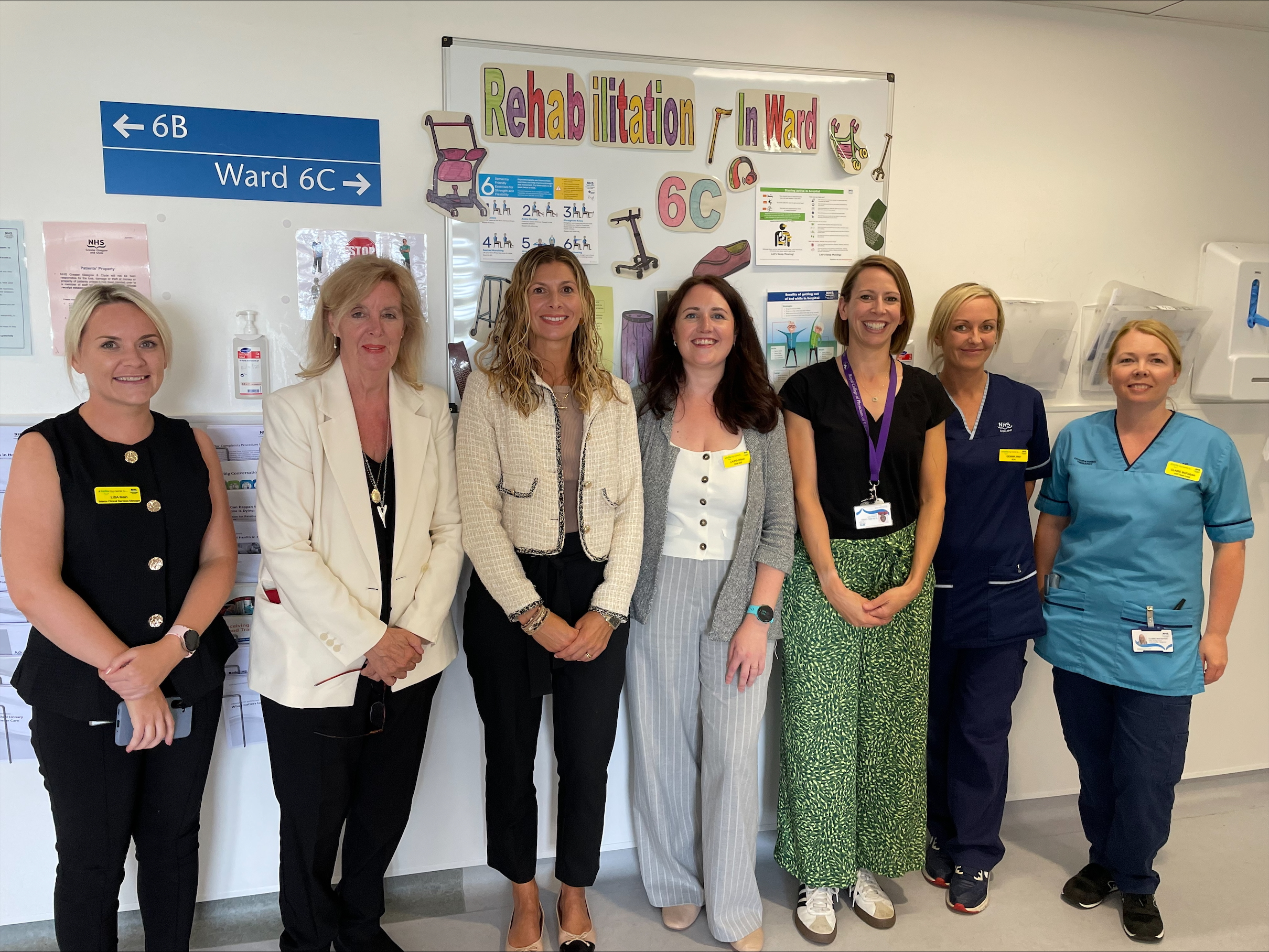
A collaborative journey of care at NHSGGC’s Geriatric Orthopaedic Rehabilitation Unit

A collaborative journey of care at NHSGGC’s Geriatric Orthopaedic Rehabilitation Unit

This week, NHSGGC Chair Dr Lesley Thomson KC and NHSGGC Non-Executive Board Member, Michelle Wailes …

Virtual appointment benefits explained by fracture clinic nurse 

Virtual appointment benefits explained by fracture clinic nurse 

A senior nurse who leads a virtual fracture clinic has explained the benefits of the service to pati…

Self-care 24/7 – the simple things you can do to help yourself, and the NHS

Self-care 24/7 – the simple things you can do to help yourself, and the NHS

NHS Greater Glasgow and Clyde (NHSGGC) is urging people to mark International Self-Care Day by think…

Gartnavel General
“I attended the Endoscopy Clinic for a Colonoscopy at Gartnavel General Hospital. In the course of my visit I was attended to by a considerable number of staff all of whom were extremely focused on taking an interest in their patient and could not be more pleasant or caring. They represented a magnificent example of how to treat patients. My thanks goes to them and those who are responsible for staff training.”

Gartnavel General Hospital

previous arrow
next arrow

Was this helpful?

Yes
No
Thanks for your feedback!