Please find some information below that may be helpful to manage your symptoms. If you need further advice please complete the self-referral form.
Pregnancy related Pelvic Girdle Pain (PPGP)
PPGP is a term used to describe aches and pains experienced during pregnancy or in the early post-natal period around pubic bone, groin, buttocks, hips and/or lower back.
Use the links below for advice on how to manage PPGP:
Reproduced with permission of Pelvic Obstetric and Gynaecological Physiotherapy (pogp.csp.org.uk) and the Chartered Society of Physiotherapy (csp.org.uk).
Pregnancy related Low Back Pain is pain experienced during pregnancy or in the early post-natal period around the bottom of your back. If you have pain in other areas around your back, this information will also be useful.
Use the links below for advice on low back pain during pregnancy or after having a baby:
DRAM is part of the normal changes that occur during pregnancy. It involves stretching of the tissues and muscles around your tummy to accommodate your growing baby. This can take up to a year to recover.
Factors that may increase the risk of developing DRAM are;
Multiple Pregnancy or larger babies
Stretching in previous pregnancies
Poor abdominal muscle tone
Genetics
A small amount of separation of the tummy muscles, 2-3 fingers width, is common after most pregnancies and likely to resolve with time. You can check your DRAM by following the steps below;
Lie flat on your back with your knees bent and your feet flat on the bed
Place 4 fingers across your tummy just above your belly button
Raise your head and shoulders slightly off the floor
You will feel the two tummy muscles coming together against your fingers
If you notice the following then you may require a specialist physiotherapist to review;
The space is more than 3 fingers wide
A visible bulge in your tummy
Your fingers sink deeply into your tummy
You can self refer for this up to 6 months after you have had your baby by completing the following form;
Reproduced with permission of Pelvic Obstetric and Gynaecological Physiotherapy (pogp.csp.org.uk) and SqueezyApp.com
Coccydynia
Coccydynia (tailbone pain) is pain experienced in and around the sitting bone, especially when sitting. This can appear during pregnancy or after birth.
Use the links below for advice about coccydynia or tailbone pain:
Reproduced with permission of Pelvic Obstetric and Gynaecological Physiotherapy (pogp.csp.org.uk) and the Chartered Society of Physiotherapy (csp.org.uk).
Carpal Tunnel Syndrome
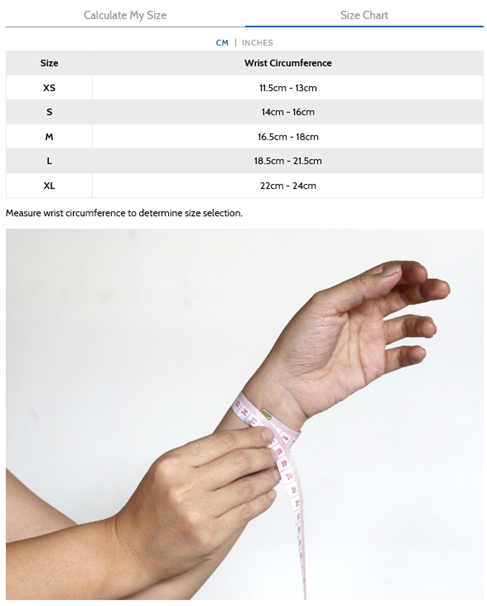
Carpal Tunnel Syndrome is pain, numbness, pins and needles and tingling of the fingers and hand(s). There may be also swelling of the hands and you might feel your hands are clumsy, weak and tire easily. This can appear during pregnancy or in the early post-natal period due to the changes happening to your body.
Use the links below for advice on how to manage carpal tunnel syndrome:
DeQuervains Synovitis is pain on the base of the thumb, swelling and reduced movement. This can appear during pregnancy or in the early post-natal period due to the changes happening to your body.
Use the links below for advice on how to manage DeQuervains Synovitis:
NHS Greater Glasgow & Clyde has 6 Health and Social Care Partnerships (HSCPs) within its area. You can find local contacts on their websites. Your HSCP
The ward team will discuss with you and your family to assess what services you need and the ward will organise these before you go home. These services can still be arranged when you are at home if required.
Palliative and End of Life Care services and resources for patients and carers living in the Greater Glasgow and Clyde area can be accessed through NHS Inform.
NHSGGC – Voices from NHSGGC Palliative Care Accelerated Design Event
This short video shares some of the hopes, aspirations and experiences of participants who attended an accelerated design event in NHSGGC to help develop a new strategy for palliative care across our whole system.
Our X account links palliative and end of life care news, resources & organisations across the Greater Glasgow and Clyde area, Scotland and the UK. www.twitter.com/palliativeggc
Additional Social Media on Palliative Care and Bereavement
CHAS – Twitter Account Children’s Hospice Association – ‘We care for children across Scotland with life-shortening conditions. Even in the pain of grief, we’re determined joy lives on’.
Adult Disability Payment, which replaces Personal Independence Payment (PIP), is launching nationally across Scotland on 29 August 2022.
This means Scotland’s new terminal illness definition, based on clinical judgement, will apply to adults (aged 16 to state pension age) who become terminally ill. This moves away from the current DWP time limited ‘6 month’ definition.
From 29 August 2022, BASRiS forms instead of DS1500 forms should be completed to support applications for disability assistance for the following groups:
Children: for all children living in Scotland age 0 to 16 years: complete a BASRiS form and return it to Social Security Scotland
Adults: age 16 to state pension age: complete a BASRiS form and return it to Social Security Scotland
Adults over state pension age: please continue to use a DS1500 and return to DWP. The date for when you will be able to use a BASRiS form for adults over state pension age is still to be announced.
Your Health Care Professional should be able to access the relevant resources to support applications.
NHSGGC Bereavement Support for Parents, Siblings and Staff
Child Bereavement UK has been commissioned by NHS Greater Glasgow and Clyde with funding from Glasgow Children’s Hospital Charity to provide bereavement support for families bereaved of a baby or child, and training to support NHSGGC staff.
Child Bereavement UK is a national charity which supports families and educates professionals when a baby or child dies or is dying, or when a child is facing bereavement.
Contact NHSGGC Service Telephone. 0141 370 4747 Email. GHsupport@childbereavementuk.org
This leaflet provides information to family and friends when someone is dying. It discusses food and fluids, medicines, breathing, communication and other changes.
The NHSGGC Booklet ‘When Someone Has Died, Information and Support for Relatives & Friends’ has been replaced by the new National Booklet ‘When someone has died – information for you’.
Lifelink offers a range of stress services for adults and young people in communities and schools across Glasgow City.
Living Life
Living Life is a free telephone service available to anyone over the age of 16 who is suffering from low mood, mild to moderate depression and/or anxiety.
NHS Inform
NHS Inform Bereavement area can help you find answers to your questions and guide you through the early days of your bereavement. It can also help you understand more of the experience of loss in the days that lie ahead.’
Good Life, Good Death, Good Grief
Good Life, Good Death, Good Grief is working to make Scotland a place where there is more openness about death, dying and bereavement so that:
People are aware of ways to live with death, dying and bereavement
People feel better equipped to support each other through the difficult times that can come with death, dying and bereavement
EQUIPU
EQUIPU is a service responsible for providing, delivering and installing a range of disability equipment supplied by health and social work services to disabled people living at home.
For further information or to arrange uplift contact:
Arrangements for Death Certification may have changed due to Covid-19. Local Authority websites linked below should have the latest information from your area. The latest National information can also be found on the following websites.
The Macmillan Information and NHS Bereavement Centre is based at Glasgow Royal Infirmary.
The Centre is located on ground floor of the centre block of Glasgow Royal Infirmary. You can drop in between 9.30am and 4.30pm Monday to Friday. For more information call 0141 451 5373 or email macinfoandnhsbereavement@ggc.scot.nhs.uk
The service provides patients, families, carers and staff access to information materials on various types of cancer, long term conditions and their treatment. The team can provide a listening ear and signpost you onto other support services such as benefits advice, a dedicated one-to-one support worker through Macmillan’s Improving the Cancer Journey, or help to get active. Please visit us and see if we can offer you any assistance. We can also visit you on the ward.
We can provide:
time to listen and talk in a comfortable, friendly environment
leaflets and booklets on all aspects of living with and beyond cancer
access to additional cancer support
leaflets and booklets about living with long term conditions
We also offer:
help to arrange counselling and free complimentary therapy appointments if you are affected by cancer
support to access practical help, such as help at home and travel insurance
referral to other available support services.
We will be working in partnership with Palliative and Spiritual Care to offer people the right support at the right time.
The team can also provide emotional and practical advice around end of life care, including information about power of attorney, wills and funeral planning. We also offer support with complex bereavement issues, bereavement counselling and benefits advice to help cover the cost of the funeral.
We can offer information and signposting including:
what you need to do when someone dies
information about carers support for people looking after someone for example a partner, a patient, a relative with cancer or another long term condition
access to other organisations that can help, including local support groups
assisting with repatriation
discussing organ and tissue donation
face to face training for staff
end of life care
Was this helpful?
Yes
No
Thanks for your feedback!
Our Pelvic Floor Physiotherapy service in NHS Greater Glasgow & Clyde supports people experiencing bladder and bowel problems, urinary incontinence, pelvic organ prolapse, pelvic pain and post-surgical issues.
All appointments are conducted by HCPC-registered Specialist Pelvic Health Physiotherapists with advanced training in pelvic floor assessment and treatment. Our approach follows evidence-based guidelines to ensure safe and effective care.
At your appointment, a Specialist Pelvic Health Physiotherapist will:
Take a detailed history
Discuss your symptoms and concerns
If appropriate, carry out an examination
Some questions may feel personal. However, your physiotherapist will explain everything clearly at the start of your consultation.
This page explains:
What the pelvic floor muscles are and how to exercise them
The conditions treated by pelvic floor physiotherapy
How pelvic health physiotherapy can help bladder, bowel and prolapse symptoms
How to access our pelvic floor physiotherapy service
Where our pelvic health clinics are located across Glasgow and Clyde
What are the Pelvic Floor Muscles?
The pelvic floor muscles are a hammock of muscles that lie beneath your pelvis. They support the bladder, bowel, and the uterus (in women). These muscles help keep the bladder and bowel openings closed to prevent unwanted leakage (incontinence) and they relax to allow normal bladder and bowel emptying.
How to Exercise your Pelvic Floor Muscles
To exercise the pelvic floor muscles, lie, sit or stand with your knees slightly apart. First, tighten your back passage as though you are trying to stop yourself from passing wind. Then, at the same time, tighten the muscles you would use to stop yourself from passing urine. As you do this, focus on the sensation of “squeeze and lift,” gently closing and drawing up both the back and front passages.
There are two ways to exercise your pelvic floor muscles:
Short Squeezes
Quickly tighten up your pelvic floor muscles
Hold for 1 second and relax
Repeat this up to 10 times
Long Squeezes
Tighten your pelvic floor muscles for up to 10 seconds
Relax fully for 4 seconds
Now tighten again for the same time
Relax fully for 4 seconds
Repeat this up to 10 times
Conditions Treated by Pelvic Floor Physiotherapy
Bladder Problems
Bladder dysfunction affects how urine is stored or passed. It can affect people of all ages and may significantly impact daily life.
Pelvic floor physiotherapy offers non-surgical treatment for many bladder problems. Physiotherapy can improve bladder control, reduce leakage, and restore confidence.
Common bladder issues include:
Stress Urinary Incontinence
Stress urinary incontinence is when urine leaks during activities like coughing, sneezing, laughing, or exercising. It happens when the pelvic floor muscles are weak and cannot fully support the bladder. Although more common in women, it can also affect men.
Urinary Urgency
Urinary urgency is a sudden, strong need to urinate that may be hard to control. It can be caused by overactive bladder muscles or nerve signals that trigger the bladder too often and may make you feel anxious about finding a bathroom in time.
Urinary Urge Incontinence
Urinary urge incontinence occurs when urine leaks due to a sudden, strong urge to empty the bladder. You may not reach the toilet in time. It is often caused by overactive bladder muscles that contract too frequently or without warning.
Overactive Bladder
Overactive bladder is a condition that may include:
A strong, sudden need to urinate (urinary urgency)
Going to the bathroom more than 6 to 8 times during the day (frequency)
Waking up more than once at night to urinate (nocturia)
Sometimes leaking urine before reaching the toilet (urinary urge incontinence)
Common Causes of Bladder Problems
Bladder problems can develop for many reasons. Understanding the cause helps your pelvic floor physiotherapist provide the right treatment. Common causes include:
Life stages: Pregnancy, childbirth, ageing, menopause.
Weight and lifestyle: Obesity, high-impact exercise.
Pelvic Floor Exercises: Strengthening the muscles that support the bladder can improve bladder control and help reduce leakage. These exercises are a core part of pelvic floor physiotherapy.
Bladder Training: Structured bladder training helps increase the time between toilet visits and reduces urgency, frequency and improves overall bladder function.
Lifestyle Advice: Guidance on fluid intake, diet, and healthy toileting habits can support long-term bladder health and complement pelvic floor exercises.
Electrical Stimulation: A gentle electrical current may be used to activate weak pelvic floor muscles, particularly when they are difficult to contract voluntarily. This can help improve muscle strength over time.
Biofeedback: Sensors provide visual or audio feedback on how your pelvic floor muscles are working. This helps you learn to contract and relax the muscles correctly, enhancing the effectiveness of your exercises.
Squeezy App for Women: This app guides you through pelvic floor exercises and tracks your progress. Using it regularly supports consistent practice and helps maintain long-term bladder control.
Bowel Problems
Good bowel function is important for overall health. When things aren’t working properly, it can quickly affect quality of life. Bowel problems affect around 10% of the population, and pelvic floor physiotherapy can help you manage these issues.
Common bowel issues include:
Constipation
Constipation occurs where there are changes to how you move your bowels. This may include not opening your bowels as often as normal and finding it hard to get your stool (poo) out. Often the stool is hard and lumpy and difficult to pass and most people will experience constipation at some point, but this is usually temporary. However, for some people constipation can become a long term issue.
What Can Help:
Stay Hydrated: Aim to drink 1.5–2 litres of water-based fluids each day.
Diet: Eating more fibre can help keep stools soft and easier to pass.
Toilet Positioning: Using the right posture can make bowel movements easier. Your physiotherapist can advise on this and watch this video for tips.
Faecal incontinence is the unwanted leakage of stool or wind from the back passage. This condition can be distressing and diarrhoea can make it worse. It can occur suddenly without any warning and may be linked to an urgent need to have a bowel movement which may lead to accidental leakage.
Toilet Positioning: Using the right posture can make bowel movements easier. Your physiotherapist can advise on this and watch this video for tips.
Medication: Some people may benefit from medication. Speak to your healthcare professional.
‘Just Can’t Wait’ Card: Gives quicker access to public toilets. Applications are available online here.
RADAR Key: Provides access to locked accessible toilets across the UK for people with mobility or continence needs. You can order one online via Disability Rights UK.
Obstructive Defecation
Obstructive defecation is a term used to describe having difficulty opening your bowels. It is often associated with frequent toilet visits and a feeling of being unable to fully empty the bowel. This can result in excessive straining, which can increase the risk of vaginal or rectal prolapse.
In a normal bowel movement, the muscles around the back passage relax to allow stool to pass. In obstructive defecation, these muscles may not relax fully or may even tighten, making bowel movements difficult.
What Can Help:
Fluids: Drink 1.5–2 litres of water-based fluids daily.
Holding On Programme: This programme trains your bowel to delay the urge to go. A healthcare professional can guide you through it.
Pelvic Floor Muscle Exercises: Strengthening the muscles around the back passage improves control and confidence, helping you reach the toilet on time.
‘Just Can’t Wait’ Card: Gives quicker access to public toilets. Applications are available online here.
RADAR Key: Provides access to locked accessible toilets across the UK for people with mobility or continence needs. You can order one online via Disability Rights UK.
Pelvic Organ Prolapse
Pelvic Organ Prolapse (POP) occurs when one or more of the vaginal walls, or the uterus, move downwards, causing a bulge or a feeling of heaviness in the vagina. This can lead to pressure or discomfort, and sometimes you may notice a bulge inside or at the vaginal opening. Prolapse can also affect bladder or bowel function, as well as sexual function.
What Can Help
Pelvic Floor Exercises: Strengthening the muscles can help support the pelvic organs and reduce prolapse symptoms. These exercises are a core part of pelvic floor physiotherapy.
Lifestyle changes: Maintaining a healthy weight, avoiding heavy lifting, and practicing safe toileting habits can support pelvic health.
Supportive devices: In some cases, a vaginal pessary may be recommended by a healthcare professional to provide additional support.
Pelvic pain can have many different causes. It is important to get the underlying cause checked by your GP, Advanced Nurse Practitioner, Sexual Health Clinic, or Consultant. Depending on the diagnosis, Pelvic Health Physiotherapy may help you manage and reduce your symptoms.
Common types of pelvic pain issues include:
Bladder Pain Syndrome
This condition causes pelvic pain and difficulty urinating. As there is no single test to confirm it, diagnosis can take time.
Vaginismus
Repeated difficulty allowing vaginal entry of a penis, finger, or other object. It may lead to involuntary tightening of the pelvic floor muscles, along with fear or pain.
Dyspareunia
Dyspareunia is painful sex. This can be pain or discomfort at the opening to the vagina or felt deeper into the pelvis.
Tight or Overactive Pelvic Floor Muscles
Pelvic floor muscles may be tense or overactive. This can contribute to pelvic pain.
After your prostate cancer diagnosis and the decision to have Robotic Assisted Removal of Prostate (RARP) surgery, your Urology consultant or clinical nurse specialist will inform the GGC Pelvic Health Team.
You will be invited to attend a pre-surgery appointment at one of the NHS GGC hospitals. This may be offered individually or as part of a group session. The appointment aims to provide information on:
How to stay comfortable during your hospital stay.
Hot to get up and move safely after surgery.
Education on pelvic floor muscle exercises to help manage any urinary incontinence after surgery
Ways to support your recovery and gradually return to your usual activities
Post-Surgery Follow-Up
A follow-up appointment will be arranged from six weeks after surgery to monitor your progress. Any additional appointments will depend on your recovery and symptoms.
What Can Help
Prostate UK: Information and support for men with prostate conditions.
Prostate Scotland: Support and guidance for people affected by prostate issues in Scotland.
Squeezy App for Men: This app guides you through pelvic floor exercises and tracks your progress. Using it regularly supports consistent practice and helps maintain long-term bladder control.
How to Access Our Pelvic Floor Physiotherapy Service
A referral letter is required from:
Your GP
A hospital consultant
Pelvic Floor Physiotherapy Clinic Locations and Contact Details
Inverclyde Royal Hospital – Pelvic Floor Physiotherapy
Physiotherapy Department Level C Inverclyde Royal Hospital Larkfield Road Greenock PA16 0XN
Call: 01475 504 373
New Stobhill Hospital – Pelvic Floor Physiotherapy
Physiotherapy Department Ground Floor The New Stobhill Hospital Balornock Road Glasgow G21 3UW
Call: 0141 355 1642
New Victoria Hospital – Pelvic Floor Physiotherapy
Physiotherapy Department Ground Floor New Victoria Hospital Grange Road Glasgow G42 9LF
Call: 0141 347 8685
Princess Royal Maternity Hospital – Pelvic Floor Physiotherapy
Physiotherapy Department Level 2 Princess Royal Maternity Hospital 16 Alexandra Parade Glasgow G31 2ER
Call: 0141 201 3432
At present we can only accept referrals from up to 12 weeks post-natal patients who have had their deliveries at this hospital.
Queen Elizabeth University Maternity Hospital – Pelvic Floor Physiotherapy
Physiotherapy Department Room 3, 1st Floor Admin Corridor Maternity Unit 1345 Govan Road Glasgow G51 4TF
Call: 0141 201 2324
Royal Alexandra Hospital – Pelvic Floor Physiotherapy
Physiotherapy Department Ground Floor Maternity Unit Royal Alexandra Hospital Corsebar Road Paisley PA2 9PN
Call: 0141 314 6765
Vale of Leven Hospital – Pelvic Floor Physiotherapy
Physiotherapy Department Vale of Leven Hospital Main Street Alexandria G83 0UA
NHS Greater Glasgow and Clyde’s Did Not Attend and Cancellation Policy
If you fail to answer a telephone or video appointment or fail to attend any face-to-face appointment and don’t contact us within 24 hours, we will discharge you.
If you cancel an appointment on more than 2 occasions, we will discharge you.
To cancel or change your appointment please contact your Obstetrics, Gynaecology and Pelvic Floor Physiotherapy Department with as much notice as possible.
We use cookies to analyse traffic to our site and to enable certain functions such as forms and YouTube videos. These do not collect personal information. By clicking "Accept All", you consent to our use of cookies, or you can customise the options.
This website uses cookies
Websites store cookies to enhance functionality and personalise your experience. You can manage your preferences, but blocking some cookies may impact site performance and services.
Essential cookies enable basic functions and are necessary for the proper function of the website.
Name
Description
Duration
Cookie Preferences
This cookie is used to store the user's cookie consent preferences.
30 days
CloudFlare provides web performance and security solutions, enhancing site speed and protecting against threats.
Sequence rules uses cookies to track the order of requests a user has made and the time between requests and makes them available via Cloudflare Rules. This allows you to write rules that match valid or invalid sequences. The specific cookies used to validate sequences are called sequence cookies.
session
cf_ob_info
The cf_ob_info cookie provides information on: The HTTP Status Code returned by the origin web server. The Ray ID of the original failed request. The data center serving the traffic
session
cf_chl_rc_m
These cookies are for internal use which allows Cloudflare to identify production issues on clients.
session
__cfruid
Used by the content network, Cloudflare, to identify trusted web traffic.
session
__cf_bm
Cloudflare's bot products identify and mitigate automated traffic to protect your site from bad bots. Cloudflare places the __cf_bm cookie on End User devices that access Customer sites that are protected by Bot Management or Bot Fight Mode. The __cf_bm cookie is necessary for the proper functioning of these bot solutions.
session
__cflb
When enabling session affinity with Cloudflare Load Balancer, Cloudflare sets a __cflb cookie with a unique value on the first response to the requesting client. Cloudflare routes future requests to the same origin, optimizing network resource usage. In the event of a failover, Cloudflare sets a new __cflb cookie to direct future requests to the failover pool.
session
_cfuvid
The _cfuvid cookie is only set when a site uses this option in a Rate Limiting Rule, and is only used to allow the Cloudflare WAF to distinguish individual users who share the same IP address.
session
cf_clearance
Whether a CAPTCHA or Javascript challenge has been solved.
session
cf_use_ob
The cf_use_ob cookie informs Cloudflare to fetch the requested resource from the Always Online cache on the designated port. Applicable values are: 0, 80, and 443. The cf_ob_info and cf_use_ob cookies are persistent cookies that expire after 30 seconds.
session
__cfwaitingroom
The __cfwaitingroom cookie is only used to track visitors that access a waiting room enabled host and path combination for a zone. Visitors using a browser that does not accept cookies cannot visit the host and path combination while the waiting room is active.
session
cf_chl_rc_i
These cookies are for internal use which allows Cloudflare to identify production issues on clients.
session
cf_chl_rc_ni
These cookies are for internal use which allows Cloudflare to identify production issues on clients.