
Please find some information below that may be helpful to manage your symptoms. If you need further advice please complete the self-referral form.
Pregnancy related Pelvic Girdle Pain (PPGP)
PPGP is a term used to describe aches and pains experienced during pregnancy or in the early post-natal period around pubic bone, groin, buttocks, hips and/or lower back.
Use the links below for advice on how to manage PPGP:
POGP Back and Pelvic Pain During Pregnancy
Pregnancy Related Pelvic Girdle Pain and other common conditions in pregnancy | POGP
Video with relevant exercises (Pelvic floor, pelvic tilting and deep abdominal exercise)
External Resources
Working from Home – Advice and Exercises: www.csp.org.uk/publications/do-you-sit-desk-all-day-leaflets
Reproduced with permission of Pelvic Obstetric and Gynaecological Physiotherapy (pogp.csp.org.uk) and the Chartered Society of Physiotherapy (csp.org.uk).
NHS Highland Pelvic Floor Muscle Exercise Information Video: https://www.youtube.com/watch?v=v731EXFR2k4
Pregnancy related Low back pain
Pregnancy related Low Back Pain is pain experienced during pregnancy or in the early post-natal period around the bottom of your back. If you have pain in other areas around your back, this information will also be useful.
Use the links below for advice on low back pain during pregnancy or after having a baby:
Diastasis Rectus Abdominus Muscles (DRAM)
DRAM is part of the normal changes that occur during pregnancy. It involves stretching of the tissues and muscles around your tummy to accommodate your growing baby. This can take up to a year to recover.
Factors that may increase the risk of developing DRAM are;
- Multiple Pregnancy or larger babies
- Stretching in previous pregnancies
- Poor abdominal muscle tone
- Genetics
A small amount of separation of the tummy muscles, 2-3 fingers width, is common after most pregnancies and likely to resolve with time. You can check your DRAM by following the steps below;
- Lie flat on your back with your knees bent and your feet flat on the bed
- Place 4 fingers across your tummy just above your belly button
- Raise your head and shoulders slightly off the floor
- You will feel the two tummy muscles coming together against your fingers
If you notice the following then you may require a specialist physiotherapist to review;
- The space is more than 3 fingers wide
- A visible bulge in your tummy
- Your fingers sink deeply into your tummy
You can self refer for this up to 6 months after you have had your baby by completing the following form;
External Resources
- POGP Fit for Future
- POGP After Birth – Your Stomach Muscles
- POGP: Post Natal Pilates
- Reproduced with permission of Pelvic Obstetric and Gynaecological Physiotherapy (http://pogp.csp.org.uk)
Bladder, Bowel and Pelvic Floor Concerns
You can find information on the Pelvic Floor Physiotherapy section of this website.
If you are seeking advice regarding symptoms following birth then you can contact your local department for advice.
External Resources
POGP Pelvic Floor Exercises video
POGP Constipation During and After Pregnancy
POGP Bladder and Vaginal Problems
POGP – Management of Continence
POGP – Pelvic Floor Muscle Exercises
POGP – Improving your bowel function
NHS Highland Pelvic Floor Muscle Exercise Information Video
SqueezyApp for Information Leaflets and Videos on Pelvic Floor Muscle Exercises
Reproduced with permission of Pelvic Obstetric and Gynaecological Physiotherapy (pogp.csp.org.uk) and SqueezyApp.com
Coccydynia
Coccydynia (tailbone pain) is pain experienced in and around the sitting bone, especially when sitting. This can appear during pregnancy or after birth.
Use the links below for advice about coccydynia or tailbone pain:
POGP Leaflet on Pregnancy Related Pelvic Girdle Pain and other common conditions
External Resources
Working from Home – Advice and Exercises
Reproduced with permission of Pelvic Obstetric and Gynaecological Physiotherapy (pogp.csp.org.uk) and the Chartered Society of Physiotherapy (csp.org.uk).
Carpal Tunnel Syndrome
Carpal Tunnel Syndrome is pain, numbness, pins and needles and tingling of the fingers and hand(s). There may be also swelling of the hands and you might feel your hands are clumsy, weak and tire easily. This can appear during pregnancy or in the early post-natal period due to the changes happening to your body.
Use the links below for advice on how to manage carpal tunnel syndrome:
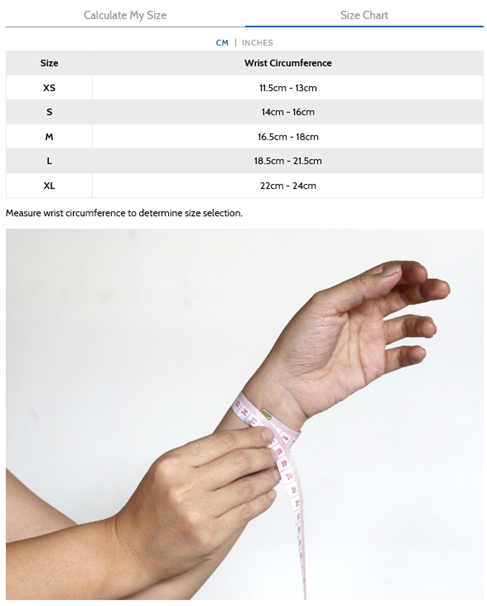
Wrist Splint Size Guide
DeQuervains Synovitis
DeQuervains Synovitis is pain on the base of the thumb, swelling and reduced movement. This can appear during pregnancy or in the early post-natal period due to the changes happening to your body.
Use the links below for advice on how to manage DeQuervains Synovitis:
Thumb Spica Size Guide
