You can use the form below to provide feedback on the Digital on Demand Strategy
Was this helpful?
Thanks for your feedback!
You can use the form below to provide feedback on the Digital on Demand Strategy
Lynne, 61, has widespread pain that has persisted for 5 years. Her situation was made much worse by the pandemic and subsequent restrictions. Lynne was referred to the pain service in early 2021 where she attended a Pain Early Info Session (PEIS) and was subsequently referred to the Greater Glasgow and Clyde Pain Management Programme (GGC PMP). All encounters within the Pain Management Service have been virtual. She has therefore not needed to travel to her appointments, avoiding the significant pain and discomfort from being in the car. GGC PMP uses an evidence based supported self-management approach to help people live a better life with pain.
Pre-pandemic all GGC PMP groups and assessments were face to face, which were much longer in duration, to make the most of the patient’s time when they visited. Due to COVID restrictions we reviewed the programme which wasn’t going to be appropriate for patients such as Lynne, to sit for 2.5 hours during an online group session.
GGC PMP moved to virtual assessments and virtual group delivery. This included assessments via Near Me (Attend Anywhere video consultation). We took this opportunity to create more preparatory resources which patients could complete in their own time, at their own pace. We used a YouTube channel to share videos, and created worksheets and manuals using MS Sway. Group sessions became more interactive as pre-group preparatory work allowed for more discussion and exploration of topic. The service was fully remobilised virtually, with the same capacity as before the pandemic. Lynne told us she liked the flexible options to work offline and view the videos several times. During the online sessions she enjoyed chatting with others who share similar symptoms and challenges.
Benefits for staff included retaining full clinical commitments whilst working at home due to restrictions with access to work bases. The change has allowed greater involvement from voluntary organisations, who can easily join a virtual meeting for a few minutes to promote their work in supporting people with pain, thereby reducing the burden on them to travel to face-to-face groups.
Marie is a young lady with a learning disability who was living at home with her mother when the pandemic began. She lost all of her social activities and was terrified of dying from COVID-19. Marie had been due to move into her own supported accommodation before the pandemic. This had to be put on hold, but she didn’t understand why, and blamed herself. Marie became increasingly anxious and low in mood, and by the time her mother contacted Specialist Learning Disability Services, she was not sleeping or leaving the house.
Marie was diagnosed with clinical depression and started treatment. Because Marie had Down syndrome, she was at high clinical risk from COVID-19 and that meant that every face-to-face contact put her at risk. Marie found it hard to express how she was feeling on the telephone, it was not possible to offer assessment or support by telephone.
After an initial face to face visit Marie, her mother and the Learning Disability Team were set up to use NearMe video consultation. This worked really well for Marie. She was comfortable talking over video consultation and the healthcare professional was also able to assess her mental health. Appointments were arranged via email with Marie’s mother, and the healthcare professional was able to coordinate times that worked around both of their diaries.
As the pandemic progressed, video consultation was gradually augmented by increased face to face contact with Marie, but the patient’s mother still found it easier to meet using video consultation. Marie was finally able to move into her own new home, and Microsoft Teams video was used to conduct multidisciplinary meetings between Marie, her mother, Psychiatry, Learning Disability Nursing, Psychology, Occupational Therapy, Social Services and her new support team. Marie is now on long term treatment and is no longer feeling depressed and anxious. Marie remains under review by the Learning Disability health team, and they are choosing to use a combination of video consultation, email and face-to-face contact.
Joe is a 57-year-old man with treatment-resistant epilepsy and organic psychosis who requires residential care due to severe and enduring difficulties with his day to day functioning. Joe loves computers and spends a big part of his day reading the news online and editing digital photographs that he takes. He can quickly become suspicious of people in new and unfamiliar situations and when under stress he is likely to react in an unpredictable manner. He has a good routine and works well with the staff at the home but finds formal appointments and settings very stressful. This makes going to medical appointments very difficult for him and those supporting him.
Due to his chronic condition and ongoing treatment with anticonvulsant and antipsychotic medication, Joe requires regular out-patient appointments. These appointments are centralised either in hospital or community clinics and require him to travel for a minimum of 30-45 minutes. To be able to react and manage his unpredictable behaviour, an escort of three workers is required for these appointments. Appointments can last 15-30 minutes, making travelling and preparation time longer than the intervention itself.
With the introduction of the NHS Near Me platform and with the support of the care home staff, we were able to introduce Joe to the concept of remote consultations. Joe already had a laptop, which he very much enjoyed using, and was guided on how to access the Near Me platform by his support staff as per clinic instructions. A mock appointment was set up in advance with admin staff to reassure him. A member of staff was present to help set up the connection but were no longer required once the appointment started. This was particularly useful as Joe feels comfortable in his home environment and the risks of unpredictable behaviours and agitation are minimised to his baseline. After a very successful first remote consultation where no escort or travelling time was required, it was Joe himself who asked if he could be seen remotely more often. He did however say that he was hoping to get a breakfast roll after them as he did at the clinic cafe after face to face appointments!
Across NHSGGC we have approximately 450 Acute Sector Physiotherapists. The onset of COVID-19 and the introduction of social distancing necessitated a shift in the way training was delivered. New training priorities were rapidly established during the pandemic to accommodate redeployment, newly qualified practitioners, and new knowledge on COVID-19 management.
Acute Physiotherapy Practice Development facilitated delivery of 49 sessions of virtual learning presented by expert clinicians from a wide variety of clinical areas. Throughout this process considerable learning was achieved about how to deliver training virtually and best practice was determined.
After eight months of Practice Development-facilitated sessions, the staff were invited to state their requirements and ideas using a survey, email, telephone or Microsoft Teams. This established learning needs towards improving their skills for independently delivering learning and development virtually. Band 6 (B6) staff are expected to deliver most In-Service-Training, and as a team we wanted 80% of B6 Adult Acute Physiotherapy Staff to be competent in using virtual methods to deliver essential learning and development.
Actions included creating and circulating resources, training & advice specific to the needs of the Physiotherapists. An improvement group was formed with 30 members and was supported by a Microsoft Teams page for resources & peer support. We arranged three training sessions from digital experts bespoke to the stated needs, created six short videos, arranged peer support practice groups and online events.
As a result, 81% of B6 staff reported competency in delivering training via virtual means. This is an improvement of 76.5% since March 2020. The most commonly reported actions that nurtured improvement were time to practice with the systems (83%) and opportunities to deliver virtually. They also needed appropriate infrastructure, support and resources to assist with their learning. The effort by the team meant that wide-scale face-to-face and on-demand learning and development could be achieved over our large, diverse and ever-changing workforce.
The Paediatric Respiratory Physiotherapy team had started to consider the use of NearMe remote video consultations, before the COVID-19 pandemic. This was mainly for patients and families who needed to travel a significant distance. The pandemic required the team to reconsider the use of the digital platform in order to maintain the service. The team reflected on the experience and how it has led to service change and how they have re-shaped their service for the future. PRP patients have complex needs which need a tailored therapy plan and close monitoring.
Some of the team were initially reluctant to use Near Me and worried about the technology and service quality. When the team met to discuss a plan of implementing Near Me, everyone got involved – from the service manager to students. A survey was undertaken to show success of a consultation from service user and physiotherapist points of view. This motivated the team even though it was daunting at first. They supported each other to make the calls work smoothly and overcome any technical concerns. The team asked their patients and families what they thought of virtual appointments. The feedback was overwhelmingly positive.
“So much easier, as it would take us 6 hours to travel to the hospital and this was instant.”
“I was much more relaxed than in the physio department.”
“Online meant we could both take part with our son.” Staff and students reported the platform was easy to use and gave a greater insight to the patient’s current condition than a phone call. The practice educator could join in the call with the student. Some appointments were organised to allow others from the multi-disciplinary team join in. The future holds much more appetite for a blended approach to patient consultations. The service recognises the role of Near Me in the delivery of patient care and will continue to use it.
Holoportation is a new type of 3D capture technology that allows high-quality 3D models of people to be reconstructed, compressed and transmitted anywhere. Real-time 3D telemedicine has previously been proposed within a laboratory setting only, with constraints on cost, complexity, bandwidth and technology.
NHSGGC have been working with Microsoft since 2019 to assess how health care could leverage Microsoft’s Holoportation technology, focussing on Plastic Surgery patients. In direct response to the COVID-19 pandemic, when most patient interactions shifted to remote platforms, the West of Scotland Innovation Hub worked with the project team to co-develop a solution where patient consultations could be carried out via Holoportation, without the requirement for them to be co-located.
Over 60 patients have taken part in the clinical trials, where participation in virtual consultations has demonstrated several benefits. Clinicians can move and manipulate images virtually, without the patient (who may be elderly or less mobile) having to move, and operations can be explained by drawing directly on a 3D model of the patient. Patient feedback has been overwhelmingly positive, with patient satisfaction and the realism and convenience of the consultation significantly improved with Holoportation technology.
The project is now expanding with a randomised control trial taking place in during 2022 to provide further evidence to support the implementation of Holoportation in health care. Alongside this work, the clinical team are continuing to support a scale-up in Ghana, where the technology will be used to offer mobile consultations to patients in locations without easy access to healthcare facilities.
Chronic obstructive pulmonary disease (COPD) affects approximately 120,000 citizens in Scotland and is the second most common reason for emergency hospital admissions. Since May 2020, NHSGGC patients with COPD have been given the opportunity to monitor their symptoms at home by registering to use the NHSGGC COPD Digital Service.
Using their smartphones or other devices, patients have direct access to a range of self-management tools as well as notifications for daily patient reported outcomes. This enables the clinical team to proactively monitor patients remotely. It also enables patients to message their clinician and community respiratory response team in real-time, improving efficiency of daily care, particularly during COVID-19. The Dynamic Scot project is a collaboration between NHSGGC, the West of Scotland Innovation Hub, Digital Health & Care Innovation Centre, Scottish Government and NHS National Services Scotland and has already seen success in NHSGGC, with over 550 patients regularly using the service and rollout planned for further Boards. Evaluation results have shown a marked decrease in the number of hospital admissions and attendances, as well as improved efficiencies for the clinical service.
In July 2021, the project was awarded the Artificial Intelligence in Health and Care Award by the UK Government. This aims to accelerate the testing, evaluation and increase the impact of AI-driven technologies to help solve clinical and operational challenges across the NHS and care settings, allowing innovation to remain at the heart of improving COPD treatment in Scotland.
Neurological diseases affect over 1 million people in Scotland. The impact on quality of life and productivity exceeds any other disease group. Videos, recorded by patients or their carers can improve speed and accuracy of diagnosis but there was no established means of quickly and securely sharing these with clinical teams.
vCreate Neuro was developed to address this challenge, creating a secure, cloud-based web-app for patients and carers to share video and associated clinical data remotely. vCreate Neuro is a collaboration between Paediatric Neurology Services in NHSGGC and vCreate Ltd, supported by the West of Scotland Innovation Hub.
vCreate Neuro was piloted in 18 Scottish and 7 English paediatric and adult neurology services during the COVID-19 pandemic. The service has been used for >12,700 remote interactions by >5,000 patients, and by >500 clinicians.
Evaluation demonstrated benefits in speed and accuracy of diagnosis, substantial cost, and environmental savings. The service is scaling rapidly into new clinical services across the UK and internationally. The project received a Scottish Health Award and Digital Health and Care Award and has been featured in national media.
vCreate Neuro is just one example of the capability and experience of NHSGGC teams in co-developing clinically relevant innovations with global potential.
During the COVID-19 pandemic, the introduction of iPads into hospital wards to support person centred virtual visiting was hailed a success by patients, families, and staff across Greater Glasgow and Clyde. When news of a lockdown and consequent visiting restrictions first emerged, the Clinical Governance Support Unit’s Person-Centred Health and Care team sprang into action, sourcing almost 650 iPads for use across 314 hospital wards and departments.
An evaluation found person-centred virtual visiting enabled patients and their families to ‘feel closeness and connection, especially through a challenging time of separation’. One family member said: “They were my family’s lifeline. We would have been lost without the calls and I cannot express how much they meant to us and how grateful we were for them.”
A staff member said: “It’s been quite emotional at times. Two of my patients were smiling for the first time in weeks! The impact of not being able to see a familiar face is so huge.” Setting up the virtual visiting service required a significant collaboration which included the nursing and clinical teams, Clinical Governance, eHealth, Infection Prevention and Control, Information Governance, Knowledge Services, Equality and Human Rights, the Public Health Team, and Endowments Management Committee.
During 2021/22, Glasgow Royal Hospital for Children successfully received funding to develop a Virtual Reality (VR) application, to provide theoretical and practical dialysis training. The Kidney Research UK/Stoneygate innovation grant was awarded to facilitate research to advance education and make dialysis more tolerable and effective.
Families with a child in end-stage kidney disease, and adult patients, often have a decision about the dialysis modality they wish to pursue, with an increasing emphasis on shared decision-making with clinician support. Patients and families may not have sufficient knowledge of what dialysis modalities involve or what they ‘feel like’ so a solution was needed to aid shared decision making to ensure they are more fully informed of their options.
Training opportunities for staff can be limited due to small patient numbers, and training for patients often requires an in-patient stay or multiple hospital attendances.
The VR tool is designed to support patients, families and staff. The VR solution seeks to shorten patient admissions, provide a simulated experience of each dialysis modality to inform patient choice, increase confidence before performing dialysis ‘for real’, and to allow simulated training of potential complications and troubleshooting to emulate real-world situations, which was previously limited.
The nature of VR allows multiple forms of feedback including visual and auditory signals, and haptics. There is no time limitation for set-up, or adverse consequences to training errors in VR. The VR-based model pilot is currently for peritoneal dialysis (with hope to expand to home haemodialysis). Further funding is currently being sought to expand development.
Virtual reality (VR) is an artificial environment that the user experiences as if they were really there. It has been reported that VR may help with physiotherapy by improving patient motivation and personalising rehabilitation (CSP 2020).
Immersive VR is a form of VR in which the user can explore and interact with a 3D, computer-generated environment. They become part of this virtual world and are able to manipulate objects or perform a series of actions.
In the summer of 2022, the RHC Physiotherapy service started a trial of using immersive VR using hardware (headset and tablet) and software from SyncVR Medical. The use of VR was aiming to enhance current therapy options for Children and Young People (CYP) accessing physiotherapy at RHC.
Adherence to healthcare therapy can be a crucial factor in influencing overall outcomes. Physiotherapists working with CYP need to use a variety of skills and modalities to maintain motivation to keep them engaged with therapy. This can be challenging in the hospital environment where opportunities to vary therapy can be more limited. Consequently, VR was thought to be a potential useful adjunct for physiotherapy to increase motivation at RHC.
All inpatient CYP receiving input from the physio service were considered for VR as part of their rehabilitation. Inclusion was dependent on therapists’ clinical reasoning and consent from CYP. Predominantly, VR was used to promote ‘low-level’ physical activity (i.e. sitting out of bed, standing exercises).
The VR system was used to promote physiotherapy through the participation of immersive games. Patient/parent and physiotherapy questionnaires were collected as part of the trial. We found that Immersive VR could be positively used within our population group. It was particularly beneficial for CYP that were limited to moving beyond their room environment. This group included those on ventilators and those restricted due to isolation restrictions.
Patient and parent feedback was very positive. One parent commented, “My son loved using the VR, more than doubled his physio time from the day before without even realising. Amazing!” While one child said, “I loved playing the football game and being the goalkeeper. I really enjoyed the tennis game too! Oh, and the boxing. I think it’s very good for our physio activities and more enjoyable. I’d like to see some more games added like rugby”.
The physiotherapy service at RHC are now looking to have VR as a permanent option to positively impact therapy within the hospital.
The NHSGGC Biorepository is an invaluable resource for clinical research, providing access to a wide range of human tissue samples including surplus materials from diagnostic and surgical procedures. We can also provide access, with appropriate governance in place, to pathology archive specimens.
Through close collaboration with all clinical departments we source fully-consented surplus tissue and other materials in order to fulfil the need for these in studies requiring human tissue.
Each anonymised sample is associated with a limited set of clinical and demographic data held by the Biorepository. If necessary the scope of these data can be expanded upon through our close collaboration with the NHSGGC Safe Haven.
The Biorepository is accredited by the United Kingdom Accreditation Service (UKAS) to ISO 20387:2018 standards. The scope of accredited services are listed within our UKAS schedule of accreditation.
As part of the NRS Biorepository network we provide streamlined access to anonymised samples and associated data Scotland-wide.
The NHSGGC Biorepository, as part of the NRS Biorepository Network, aims to provide researchers with efficient access to a wide range of high-quality and well-characterised tissue for use in research. You can download our latest user manual here (pdf).
We are independently accredited to oversee governance on collection, storage and release of biological materials obtained from informed, consenting patients for use in medical research.
A streamlined pathway supports researchers in obtaining tissue samples and discussing the design and costing of projects across a range of clinical specialties:
Please note that the Biorepository operates a cost recovery model for provision of tissue under our delegated Tissue Bank ethics. All applications are subject to a project set-up fee and additional costs are dependent upon level of activity required.
It is important that you contact us as soon as possible at the start of your research discussions to ensure that we can assist you with your requirements and deliver on time for your needs, and to ensure that appropriate costs are included in any funding applications.
Click here to access the application website or find our contact information below.
We endeavour to provide a good service. Our complaints policy and procedure reflects NHS Greater Glasgow and Clyde’s commitment to welcoming all forms of feedback, including complaints, and using them to improve services, to address complaints in a person-centred way and to respect the rights of patients, families and staff involved. It will support our staff to resolve complaints and to conduct thorough and fair investigations so that we can make compassionate, yet evidence-based decisions, on the facts of the case.
Should you have any comments, suggestions, cause for concern or complaints about the service you receive from the Biorepository, please contact the Biorepository Manager.
First, it is important for you to know that when we talk about surplus tissue we mean anything that is left over from your routine medical care – no extra procedures are ever involved in obtaining ‘surplus tissue’.
Doctors and scientists need human tissue for medical research. Research is any activity that aims to discover new facts about a disease. It includes things like looking down a microscope and analysing proteins, DNA and other molecules in the tissue.
The tissue you donate may be used in all these aspects of research. In addition your tissue may be used in research with animals to model disease processes and in the creation of cell lines where your cells could be grown and cared for in a laboratory for multiple experiments possibly over months and years.
If samples are collected at different stages of a disease, it helps to understand how a disease or problem starts or develops. Researchers can try out different drugs and tests on the tissue. They may find new medicines or treatments. They may also find new ways of diagnosing a disease earlier.
It is important to highlight to you that any research that uses this tissue will conform to strict UK guidelines and regulations.
The research on your tissue will normally have nothing to do with your own care or treatment. However, if any information might be of use in your current care or treatment, the doctors looking after you may discuss with you how it could be used to guide your treatment. This may include inviting you to join a medical research trial of new treatments. You would be provided with full information of any new treatments and free to decide whether or not to take part.
When you come into hospital or attend a clinic you will be asked if you agree to let your surplus tissue to be used for medical research. Your wishes will be recorded electronically. In some cases, this may involve surplus tissue taken earlier in your care.
You can change your mind at any time. You don’t need to give a reason. However, if you change your mind after your operation, some of your tissue may already have been used for research.
If you need more information you can ask your doctor or nurse, or find our contact information below.
We endeavour to provide a good service. Our complaints policy and procedure reflects NHS Greater Glasgow and Clyde’s commitment to welcoming all forms of feedback, including complaints, and using them to improve services, to address complaints in a person-centred way and to respect the rights of patients, families and staff involved. It will support our staff to resolve complaints and to conduct thorough and fair investigations so that we can make compassionate, yet evidence-based decisions, on the facts of the case.
Should you have any comments, suggestions, cause for concern or complaints about the service you receive from the Biorepository, please contact the Biorepository Manager.
In the first instance please contact:
NHSGGC Biorepository
Level 3, Laboratory Medicine Building
Queen Elizabeth University Hospital
1345 Govan Road
Glasgow, G51 4TF
Information on NHSGGC Digital Services Engagement can be found by accessing the below links.
WE HAVE MOVED HOME! This page is no longer updated, please visit the new Sharepoint Community Nursing Webpage.
To access the New Community Webpage simply CLICK HERE
please click below to access the presentation
We have launched a new initiative for all of our District Nursing staff to React to RED. What this means is that if you see any of the following, you should report this immediately to your Nurse Team Leader (NTL):
What your NTL will then do is have a discussion with the DN Caseload holder, and take a look at current care plans and actions, and make suggestions on additional measures that should be put in place or considered.
The aim is to have a Multidisciplinary approach to patient care, reduce any unintentional patient harm, distress or stress.
Remember – preventing pressure ulcers is everyone’s business Let’s all work together to improve patient care!
New Presentations now available to our Pressure Ulcer Prevention awareness session
At first you must do the following:
Use link below to access the new Red Day Review Tool (RDRT).
Please access the Annual competency tool here. This tool must be completed with support form your line manager. Once completed supplied copy to your Nurse Team Leader as this must be retained. This should be completed every year to maintain your competency in Pressure ulcer Prevention
To support your learning please use the TVN link below for their voiced over presentation.
The Medical Education Team is dedicated to supporting doctors in training to stay happy and healthy at work and at home. Within this section of the website you will find information relating to different services, clubs and external organisations that operate in and around our NHSGGC Hospital sites.
If you have a concern about Patient Safety:
If you have concerns about your training:
Useful links:
| Staff Relaxation & Recuperation (R&R) Hubs | Space for staff to relax and recuperate away from their clinical work environments. The hubs are designed to offer Café space for eating & drinking and quiet space for reflection/relaxation. They are accessible 24/7 and are open to all members of staff. |
| Acute Psychology Staff Support Service (APSSS) | Designed for hospital-based staff wishing to access psychological first aid as a result of their challenging work circumstances. Offering 30 minutes individual sessions that can be arranged using ‘Attend Anywhere’ technology via the COVID-19 Acute Care Line. The service also offers group/team wellbeing & resilience sessions that can be booked via application form with General Manager support 0141 277 7623 Weekdays: Monday – Friday, 9am – 5pm |
| COVID-19 Staff Support Line | Confidential Support line staffed by clinical psychologists and psychological therapists available for all staff The service offers emotional and psychological support developed to respond to the emotional needs that staff may have at this time. 0141 303 8968 Weekdays: Monday – Friday, 8am-6pm www.nhsggc.org.uk/covid19/staffsupport |
| Occupational Health Counselling Services | Listening ear service – Providing support for staff that have queries about their physical and mental health in relation to their fitness to work 0141 201 0600 Weekdays: Monday – Friday, 8am – 6pm |
| Spiritual Care Service | Chaplaincy service now offer a 7 day telephone service for patients, relatives and staff 0141 887 9111 Weekdays: Monday – Friday, 9am – 10pm Most Chapels and Sanctuaries will remain open as normal and these spaces are available for everyone to use. Staff Listening Service is open to all staff and offer person centred, confidential, non-discriminatory sessions with a trained listener 0141 201 1100 Weekdays & Weekends 9am – 10pm |
| HR Connect | Staff Self Help: https://www.nhsggc.org.uk/working-with-us/hr-connect/self-help-for-staff/ Useful Guides: https://www.nhsggc.org.uk/working-with-us/hr-connect/staff-self-help-mh-quick-guides/ HR Support & Advice Unit: 0141 278 2700; hr.support@ggc.scot.nhs.uk |
| Mindfulness Based Stress Reduction (MBSR) | Existing MBSR services are now available online, drop-in sessions are delivered by experienced mindfulness tutors using the Mindfulness Scotland Zoom account |
| BME Staff Network | The BME Network provide a safe, supportive and confidential forum for sharing experiences. BME Staff Network – NHSGGC If you would like to join our forum please contact: ggc.bmestaffnetwork@nhs.scot |
| Equality, Diversity and Inclusion | GGC information on Equality, Diversity and Inclusion policies, forums, data and further contact details. Equality, Diversity and Inclusion – NHSGGC NHSGGC – Equalities in Health |
The Scottish Cytology Training School (SCTS) is a National Health Service Cervical Screening Programme (NHSCSP) Accredited Training Centre. The SCTS provides training and continuing professional development (CPD) for relevant professional staff in cervical cytology screening and associated work areas as part of the Scottish Cervical Screening Programme.
Please send completed application forms to: ggc.scts@nhs.scot
Trainee Cytoscreener – 4 GCSE’s
Trainee Biomedical Scientist – ‘A’ levels or equivalent to allow entry to a Health Profession Council (HPC) approved degree course or a recognised HPC/Institute of Biomedical Science (IBMS) approved degree.
Eligibility – All students must be employed in an NHSCSP Cytopathology department, as a trainee to undertake this course as part of the 2 year UK registration training.
Length of time in post: Learners should attend the introductory course ideally within the first 6 months of employment. Learners should spend a minimum of 6 weeks in the home laboratory learning how to set up as well as use a light microscope to visualise cells for interpretation and be familiar with normal cell morphology and basic infections.
NHSCSP – Registration: Prior to starting the introductory course pre-registration students must be registered by their employers with the NHSCSP Education office. The laboratory training officer (assessor) must also be registered prior to learners commencing their portfolio. This course is the first part of an intensive two year training plan for registration in Cytology which includes written portfolio work, slide logbook and attendance at compulsory courses at the training centre with a final one day external examination.
Course for candidates who have previously attended the NHSCSP Introductory Course in Gynaecological Cytology. This normally takes place between 6 to 12 months after the Introductory Course.
The introductory and follow up courses are supported by a pre-examination course. This normally takes places between 3 months and 3 weeks before the examination.
Update course to refresh qualified screeners knowledge and inform them about developments in Cervical Cytology and the NHSCSP.
Cytology Laboratory, Laboratory Medicine Building, Level 3,Queen Elizabeth University Hospital, 1345 Govan Road, Glasgow G51 4TF
Contact Numbers: 0141 354 9548 or 0141 354 9547
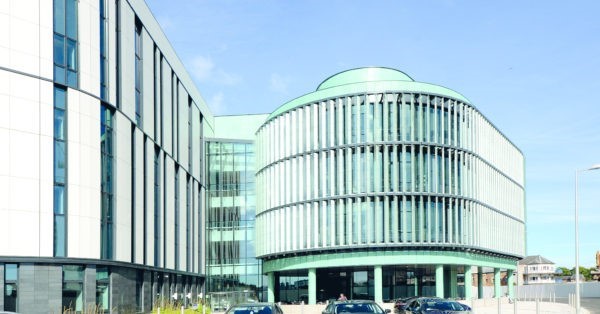
Transport & Travel Information: Transport, Travel and Parking – Information for Patients and Visitors
This section helps you get started, be more efficient with your computer or laptop, connect with patients, and use electronic patient records
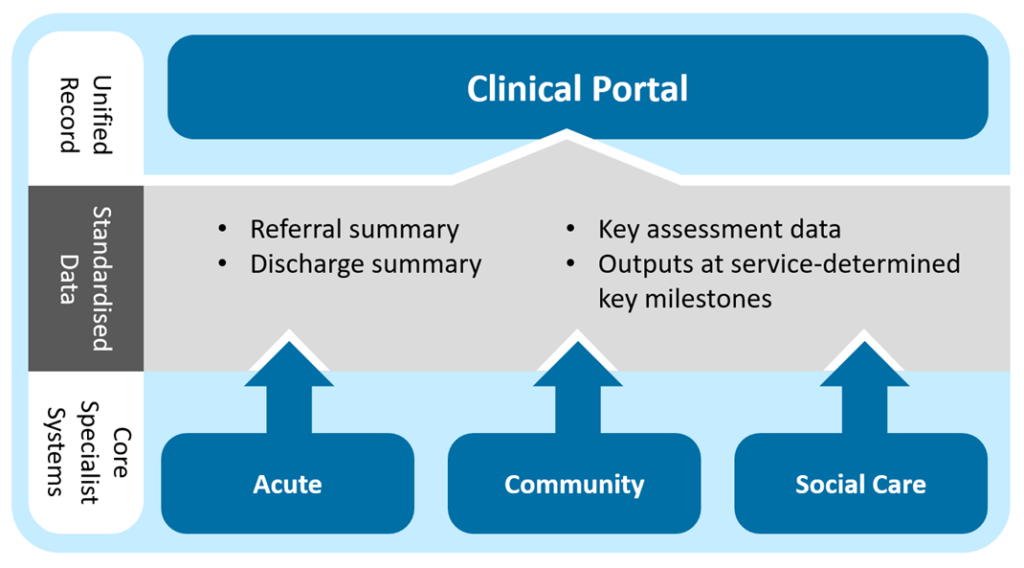
There are 3 ‘cornerstone’ systems used in NHSGGC:
The diagram below illustrates the NHSGGC strategic plan of how they integrate:
Connecting with our patients remotely is easy with Near Me. Speak with you manager to see if it is available in your service.
A recent patient feedback survey showed over 90% of patients that had used the video call service would use it again if offered. It has many benefits both to the patient and the clinician.
The Telerehab Toolkit is an excellent resource to help you feel more confident with video calls as well as some other really useful info and links.
NHS Greater Glasgow & Clyde (NHSGGC) is the largest health board in Scotland, serving a diverse population across vibrant urban, suburban, and semi-rural communities. We offer a wide range of opportunities for GPs at all career stages. From newly qualified doctors to experienced GPs, in both traditional practice settings and innovative service models.
GP Registrars, if you are completing your training, you should apply to join the NHS Primary Medical Services Performers List at least three months before CCT. 📩 Contact our team for advice and the application pack: ggc.gp.pcs@nhs.scot
There are fourteen Health Boards in Scotland, and you should apply to the board, where you intend to undertake the majority of your work for appraisal/revalidation purposes. If this is NHS GG&C,📩 Contact our team for advice and the application pack: ggc.gp.pcs@nhs.scot
You’ll need to prove your right to work in the UK to allow you to provide general medical services within Scotland.
Prove your right to work to an employer: get a share code – GOV.UK (www.gov.uk)
The share code should be generated and sent along with your Performers List application.
Share Codes/ Sponsorship/Visas
Visa and immigration rules changed in 2022. In the past, workers on Tier 2 visas could work only for the sponsoring employer. Following the rule changes, skilled workers are now entitled to work either unlimited hours with their sponsoring employer, or to work up to 20 additional hours with another employer (or for the worker’s own business) as long as the worker is still being sponsored for the original job.
In addition to the sponsored job, a skilled worker GP could now work:
The responsibility of any individual employer is only to monitor the hours done by the employee if they have employed the GP as a Partner or a Salaried and to report any breaches of the Regulations
The GP has personal obligations to ensure that they do not exceed the 20-hour additional work limit.
Please find below a sample application form. Please note that this sample application form cannot be used to apply and is for information only.
NHS GG&C Performer’s List Application Form
Once you have been approved on the Performer’s List you will be able to apply for jobs. The NHS Scotland GP Jobs Site advertises GP vacancies by region, and you will be able to find the Greater Glasgow & Clyde Vacancies : https://jobs.scot.nhs.uk/ and/or Vacancies | Glasgow Local Medical Committee Ltd (glasgowlmc.co.uk) and NHS Scotland Jobs – Greater Glasgow & Clyde
Why Choose Greater Glasgow & Clyde?
Choosing to work in NHSGGC offers more than just a rewarding career, it’s also about the lifestyle:
• Vibrant City Life: Glasgow is Scotland’s largest city, known for its friendly people, thriving cultural scene, world-class music, shopping, and dining.
• Affordable Living: Lower cost of living compared to many UK cities, with affordable housing and excellent public transport.
•Outdoor Access: Within 30 minutes, you can reach Loch Lomond, the Clyde coast, and the Scottish Highlands, perfect for walking, cycling, and outdoor adventures.
• Education and Family Life: Excellent schools, universities, and family-friendly communities make the area ideal for settling long term.
• Professional Support: Strong educational links, peer networks, and opportunities to develop specialist interests.
Additional Resources : Explore the new NHS Scotland GP Workforce Centre a national online hub offering tools, guidance, and examples of best practice to support GP recruitment, retention, and sustainability.
For an informal discussion about GP opportunities in NHSGGC, contact: ggc.gp.pcs@nhs.scot