Click on an analyte name below for further information:
Adrenocorticotrophic Hormone (ACTH)
Adrenocorticotrophic hormone (ACTH) is a 39 amino acid peptide hormone secreted by the anterior pituitary, under the control of the hypothalamic peptide, corticotrophin-releasing hormone (CRH). ACTH secretion is pulsatile and exhibits diurnal variation, with highest plasma concentrations around 8am and lowest levels at midnight. It stimulates glucocorticoid (cortisol) production in the adrenal cortex.
ACTH measurement is only useful as a second line investigation following the finding of either cortisol deficiency or excess.
In cortisol deficiency due to primary adrenal failure, ACTH will be raised due to lack of negative feedback. ACTH will be low in adrenal insufficiency secondary to pituitary failure (hypopituitarism).
Excessive production of cortisol accompanied by suppressed ACTH may be seen in Cushing’s syndrome due to adrenal tumours/hyperplasia, and with exogenous glucocorticoid administration. Cortisol excess with raised ACTH may be seen in ACTH-producing tumours of the pituitary (Cushing’s disease) or other tissues e.g. lungs (ectopic ACTH production).
NB. ACTH secretion may be increased by stress.
Sample Requirements and Reference Ranges
Sample Type: Plasma
Container: EDTA
Precautions: Separate and freeze plasma within 4 hours of sample collection. Transport frozen. Timing of collection important. Avoid stress. Haemolysed specimen unsuitable.
Minimum Volume: 1 mL
Reference Range: Not applicable
Turnaround Time: 7 days
Method: Siemens Immulite
Quality Assurance: UK NEQAS
Anti-Mullerian Hormone (AMH)
Anti-Mullerian hormone (AMH) is a protein produced by granulosa cells of the ovaries in females and by Sertoli cells of the testes in males.
In women serum AMH concentration increases with age up until the mid-twenties, after which it begins to decline. AMH correlates well with the number of follicles in the ovary (as measured by ultrasound) in women over the age of 25 and its measurement is used to individualise fertility treatment.
In men serum AMH concentration tends to be high in childhood, then declines through puberty to low levels in adulthood. It is used in the investigation of cryptorchidism and anorchidism.
AMH is elevated in the majority of patients with granulosa cell tumours and may be used to monitor disease progression or recurrence. AMH is also useful in the investigation of disorders of sex development as a marker of testicular activity.
Sample Requirements and Reference Ranges
Sample Type: Serum
Container: SST
Precautions: Separate serum and send via first class post. If there will be >48 h before sending store the specimen at -20°C. Sample can be sent at ambient temperature.
Minimum Volume: 2 mL
Reference Range:
Females: <50 pmol/L in young adults (falls steadily towards menopause where it becomes undetectable)
Males (Levels fall at puberty. These ranges were derived from a study where stage of puberty was not determined):
0-1yr 390-1300 pmol/L
1-4yr 300-1700 pmol/L
5-8yr 260-1200 pmol/L
9-12yr 100-1000 pmol/L
13-16yr 40-560 pmol/L
17-20yr <520 pmol/L
Adults <100 pmol/L (literature value)
Turnaround Time: 14 days
Method: Beckman Access
Quality Assurance: UK NEQAS
Growth Hormone (GH)
Growth hormone (GH) is a peptide hormone secreted by the anterior pituitary. Its main action is to stimulate the production and release of insulin-like growth factor 1 (IGF-1) by the liver. Excessive secretion causes acromegaly, while deficiency causes failure of growth in children and metabolic problems in adults.
The secretion of GH is very episodic, so random measurement is rarely useful diagnostically.
Failure of GH to suppress during a glucose tolerance test is diagnostic for acromegaly.
Stimulation tests, such as an insulin tolerance test (NB. potentially dangerous, should only be carried out in centres experienced in it) or stimulation with arginine, GHRH/arginine or glucagon, can be carried out to test for insufficiency. GH deficiency may occur as part of a more general deficiency of pituitary hormones, so other hormones are often measured at the same time.
Sample Requirements and Reference Ranges
Sample Type: Serum
Container: SST
Precautions: None
Minimum Volume: 2 mL
Reference Range:
Random GH:
> 10 μg/L excludes GH deficiency
< 0.4 μg/L excludes acromegaly
Severe Growth Hormone Deficiency:
Adults Peak GH during ITT < 3 μg/L
Adults Peak GH with GHRH/Arginine < 4 μg/L
Children Peak GH during provocation < 6.7 μg/L
GH Excess:
Failure to suppress during OGTT < 1 μg/L
Mean integrated 24hr GH > 1.7 μg/L
Turnaround Time: 7 days
Method: IDS iSYS
Quality Assurance: UK NEQAS
Insulin-like Growth Factor 1 (IGF-1)
Insulin-like growth factor 1 (IGF-1) is a peptide hormone, very similar to insulin. It is a major growth factor, which is synthesised by most cells and tissues. Circulating IGF-1 is produced by the liver in response to growth hormone (GH). IGF-1 concentration is increased in acromegaly, decreased in growth hormone deficiency and altered in systemic illness and malnutrition.
It is often measured along with growth hormone in the investigation of disorders of GH secretion. It is also used to monitor patients with acromegaly and those on growth hormone therapy.
Sample Requirements and Reference Ranges
Sample Type: Serum
Container: SST
Precautions: None
Minimum Volume: 2 mL
Reference Range:
Age (yr) Males (μg/L) Females (μg/L)
<2 15 – 157 17 – 151
2 – 4 28 – 247 25 – 198
5 – 7 46 – 349 39 – 272
8 – 10 67 – 442 59 – 371
11 – 13 89 – 503 82 – 465
14 – 16 104 – 510 97 – 502
17 – 25 105 – 410 96 – 417
26 – 39 81 – 249 72 – 259
40 – 54 63 – 201 57 – 197
55 – 65 49 – 191 43 – 170
65+ 39 – 186 35 – 168
Turnaround Time: 7 days
Method: IDS iSYS
Quality Assurance: UK NEQAS
Insulin
Insulin, produced by pancreatic beta cells, regulates glucose uptake and utilization and is involved in protein synthesis and triglyceride storage. It is often measured alongside C-peptide.
Clinical uses of insulin measurements:
Evaluation of possible insulinoma: In cases of hypoglycaemia, diagnosis of insulinoma relies on proving inappropriate secretion of insulin during a hypoglycaemic episode.
Hypoglycaemia of infancy due to hyperinsulinaemia.
Diagnosis of factitious hypoglycaemia together with measurement of C-peptide.
Discrimination of type 1 and type 2 diabetes mellitus: Insulin and C-peptide concentrations are generally low in patients with type 1 diabetes mellitus, and either normal or elevated in early type 2 diabetes, and decreased in later stages.
Sample Requirements and Reference Ranges
Sample Type: Plasma
Container: Lithium heparin
Precautions: Collect after overnight fast or during symptomatic hypoglycaemia, together with glucose sample. Separate and freeze plasma within 4 hours of sample collection. Transport frozen. Haemolysed specimens unsuitable. For hypoglycaemic screen, only measure when hypoglycaemic (glucose <2.6 mmol/L).
Minimum Volume: 2 mL
Reference Range: Not applicable
Turnaround Time: 7 days
Method: Abbott Alinity
Quality Assurance: UK NEQAS
Insulin C-peptide
Insulin C-peptide (connecting peptide), a 31 amino acid polypeptide, represents the midportion of proinsulin. During insulin secretion it is enzymatically cleaved from proinsulin and co-secreted in equimolar proportion with mature insulin. The half life of C-peptide is significantly longer than insulin, so it is detectable in higher concentrations and the level less variable. C-peptide is often a more reliable marker than insulin. In addition, insulin is destroyed by proteases in haemolysed samples, while C-peptide is not.
Clinical uses:
Insulinoma: Elevated C-peptide levels from increased beta-cell activity.
Covert self-administration of insulin: Can be virtually ruled out as cause of hyperinsulinaemia by finding elevated C-peptide.
Type 1 diabetes mellitus: Low C-peptide levels due to diminished insulin secretion, or suppressed as a normal response to exogenous insulin. Patients on insulin can develop anti-insulin antibodies which can interfere with insulin assay, so C-peptide can be used instead to check residual beta-cell activity.
Sample Requirements and Reference Ranges
Sample Type: Plasma
Container: Lithium heparin
Precautions: Collect after overnight fast. Separate and freeze plasma. Transport frozen.
Minimum Volume: 1 mL
Reference Range: Not applicable
Turnaround Time: 7 days
Method: Siemens Immulite
Quality Assurance: UK NEQAS
Macroprolactin
Prolactin exists in various forms including the monomeric biologically active form (23kDa) and a higher molecular weight form, bound most commonly to IgG, known as macroprolactin (>100kDa). Macroprolactin lacks biological activity but can interfere in standard prolactin immunoassays and is a “common” cause of hyperprolactinaemia (overall prevalence 1.5%). Its presence is determined by recovery of prolactin following precipitation with polyethylene glycol (PEG screening test).
Macroprolactin should be requested in cases of persistently raised prolactin >700 mU/L (on two or more occasions) in euthyroid patients and after excluding drug associated hyperprolactinaemia. PEG screening can identify macroprolactin and determine the concentration of monomeric (bioactive) prolactin, as both may coincide.
Sample Requirements and Reference Ranges
Sample Type: Serum
Container: SST
Precautions: None
Minimum Volume: 2 mL
Reference Range:
Macroprolactin is reported as positive or negative based on percentage recovery of monomeric (bioactive) prolactin after PEG precipitation to remove macroprolactin:
Post-PEG recovery <40% – macroprolactin detected
Post-PEG recovery >60% – macroprolactin negative
Post-PEG recovery 40 – 60% – equivocal recovery
Turnaround Time: 7 days
Method: Polyethylene glycol (PEG) precipitation to precipitate macroprolactin followed by Abbott Alinity immunoanalyser to quantify monomeric prolactin.
Quality Assurance: UK NEQAS
Parathyroid Hormone (PTH)
Parathyroid hormone (PTH), a polypeptide containing 84 amino acids, is secreted by the chief cells of the parathyroid glands. It has a molecular weight of 9.4 kDa. PTH should be measured in the investigation of unexplained hypercalcaemia or hypocalcaemia. PTH should always be interpreted in light of the serum adjusted calcium concentration and the patient’s renal function.
Sample Requirements and Reference Ranges
Sample Type: Plasma
Container: EDTA
Precautions: Avoid haemolysis
Minimum Volume: 2 mL
Reference Range: 2.3 – 14.6 pmol/L
Turnaround Time: 1 day
Method: Abbott Alinity
Quality Assurance: UK NEQAS
Renin
Renin, a proteolytic enzyme, is synthesized by the juxtaglomerular cells of the kidney and released in response to decreased blood volume, decreased blood pressure and sodium depletion. Renin stimulates aldosterone release through angiotensin intermediates, resulting in the renal retention of sodium and the excretion of potassium.
Renin is measured with paired aldosterone to calculate an aldosterone/renin ratio in the investigation of hypertension.
Renin measurement may be useful in monitoring response to therapy in patients with Addison’s disease or congenital adrenal hyperplasia (CAH).
Beta blockers, diuretics, ACE inhibitors, angiotensin II receptor blockers, calcium channel blockers, a restricted salt diet and posture can all affect interpretation of renin results.
Sample Requirements and Reference Ranges
Sample Type: Plasma
Container: EDTA (Lithium heparin unsuitable)
Precautions: Do not collect on ice. Separate and freeze plasma within 4 hours of sample collection. Transport frozen. Grossly haemolysed or lipaemic samples unsuitable. Posture and relevant drug therapies (see above) may affect interpretation of results.
Minimum Volume: 500 μL
Reference Range:
Adults (upright): <52 mIU/L
Infants <1 year: <450 mIU/L
Children 1 – 5 years: <380 mIU/L
Children 6 – 15 years: <125 mIU/L
Turnaround Time: 14 days
Method: IDS iSYS
Quality Assurance: UKNEQAS
Sex Hormone Binding Globulin (SHBG)
Sex hormone binding globulin (SHBG) is a large 80-100 kDa glycoprotein that functions to transport sex hormones around the body. It has a high affinity for 17β-hydroxy steroids such as testosterone and oestradiol. Concentrations of SHBG are influenced by many factors. SHBG will be increased by elevated concentrations of circulating oestrogens (including the oral contraceptive pill), hyperthyroidism, liver disease and excess alcohol. SHBG will be decreased by increasing body mass index, polycystic ovarian syndrome and hypothyroidism.
Sample Requirements and Reference Ranges
Sample Type: Serum
Container: SST
Precautions: None
Minimum Volume: 2 mL
Reference Range:
Age Male (nmol/L) Female (nmol/L)
3 – 10 years 45 – 220 50 – 170
10 – 12 years 22 – 188 38 – 129
Adult 13 – 70 20 – 155
Turnaround Time: 1 day
Method: Abbott Alinity
Quality Assurance: UK NEQAS
Anti-Thyroperoxidase (TPO) Antibodies
Anti-thyroperoxidase (TPO) antibodies are present in 90-100% of patients with Hashimoto’s thyroiditis, the commonest cause of autoimmune hypothyroidism. Anti-TPO is measured in patients with subclinical hypothyroidism (TSH 5-12 mIU/L and FT4 within reference limits: 8-21 pmol/L) to identify those at increased risk of developing thyroid failure. The risk of developing hypothyroidism if anti-TPO is positive is approximately 5% per year.
Sample Requirements and Reference Ranges
Sample Type: Serum
Container: SST
Precautions: None
Minimum Volume: 2 mL
Reference Range: <6 IU/L
Turnaround Time: 1 day
Method: Abbott Alinity
Quality Assurance: UK NEQAS
TSH Receptor Antibody (TRAB)
TSH receptor antibody (TRAB) is measured if the cause of thyrotoxicosis is not clear. It is specific for Graves’ autoimmune disease of thyroid but is not present in all cases. It can be used to distinguish Graves’ disease from toxic multinodular goitre and postpartum or subacute thyroiditis. It is also measured in 3rd trimester of pregnancy, if there is a maternal history of Graves’ disease/thyrotoxicosis, to predict risk of neonatal thyroid problems. It may be helpful in cases of possible “euthyroid” Graves’ ophthalmopathy.
The laboratory is located in the MacEwen Building on Alexandra Parade (adjacent to A and E). It provides routine service Monday to Friday between 9.00am and 5.00pm and on Saturday between 9.00am and 12.00pm. An emergency service operates at all times.
Gartnavel General Hospital (GGH)
The main laboratory is at GGH (in the Laboratory Block of the GGH Complex). This laboratory provides routine and emergency services Monday to Friday between 9.00am and 5.00pm. Between 5.00pm and 7.30pm samples can be sent via the pneumatic tube system, these will be diverted to the porter’s room and sent regularly to GRI for analysis. This service stops at 7.30pm, all samples collected after this time should be sent via taxi to the laboratories at GRI. This taxi should be organised locally at ward level. Any samples sent in the pneumatic tube system after 7.30pm may remain un-analysed until the next day.
New Stobhill Hospital
A small satellite laboratory is located on Level 1 and operates Monday to Friday between 9.00am and 5.00pm.
Enquiries (9.00am until 5.00pm)
There is a central reporting office located at GRI which covers the three North Glasgow laboratory sites.
Contact the on-call biochemist via switchboard 0141 211 4000
Emergency Laboratories (24/7)
Glasgow Royal Infirmary call 0141 211 4487 (x.24487)
Accreditation and Quality
North Glasgow Biochemistry is a medical testing laboratory accredited to ISO 15189:2022 by the United Kingdom Accreditation Service (UKAS). Our UKAS Medical Accreditation number is 9572. A full list of accredited tests can be found on our schedule of accreditation. Tests not on this list are not accredited; please contact the laboratory for further information if required.
The laboratory participates in external quality assurance schemes where available. Performance details are available upon request. If you wish to provide feedback on the North Glasgow Biochemistry service, please contact our Quality Manager.
The Biochemistry department utilises the Telepath Laboratory Information Management System (LIMS) and TrakCare. Due to the limitations of this software, we are currently unable to fully meet the requirements of the UKAS publication GEN-6 – Reference to accreditation and multilateral recognition signatory status.
This publication sets out the requirements of reports/results released by the laboratory to contain the appropriate use of UKAS logos and identify any tests that are accredited and those that are not. The department have risk assessed this. Due to the number of analytes that can be listed on a Biochemistry report, the number of tests that are UKAS accredited and the number of auto comments already added, it is agreed by the laboratory management team that an additional auto comment would detract from the clinically relevant comments and potentially could push these onto a second page where they may be missed altogether. The risk is magnified by the way TrakCare displays results, as any result with a comment has an icon displayed next to it. If an icon is displayed next to almost every result, the alert loses its impact and may lead to clinicians missing critical icons and comments.
Although we are not able to present this information on our reports, the department’s user’s handbook and website provide full details of our accreditation.
During periods of Trakcare downtime, Biochemistry requests must be made on paper request forms. Request forms can be ordered through PECOS, however a pdf copy of the North Glasgow Biochemistry form is available for download and printing.
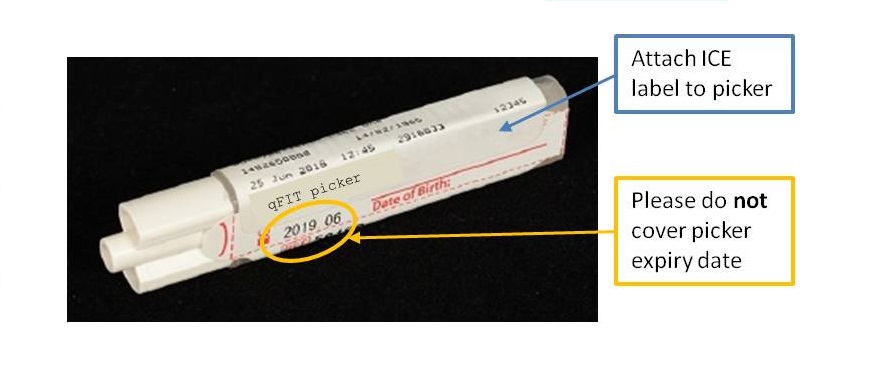
Since Monday 3rd September 2018, quantitative faecal immunochemical testing (qFIT) has been available to Primary Care in NHS Greater Glasgow and Clyde. The service is provided by the Biochemistry department in Glasgow Royal Infirmary. qFIT is designed to detect small amounts of blood in stool samples using antibodies specific to human haemoglobin. Analysis is carried out on the HM-JACKarc system (Alpha Laboratories), with a positive result being 10 µg Hb/g faeces and above.
The NHSGGC Colorectal Cancer Referral Guidance has the latest guidelines and information, along with qFIT patient information leaflets in a number of languages.
Only samples labelled with an ICE or Trakcare label will be analysed by the laboratory. Please see the attached memo for further information.
Was this helpful?
Yes
No
Thanks for your feedback!
The GRI Limb Reconstruction Service manages all local and tertiary referrals involving complex trauma, open fractures, non unions, deformity corrections and limb lengthening. There is a close link with the plastic surgery department and there is a joint clinic with orthopaedics and plastics once a month. The limb reconstruction team members are:
The South Glasgow Biochemistry service comprises a Clinical Biochemistry Laboratory at the Queen Elizabeth University Hospital campus (QEUH and Royal Hospital for Children, RHC) with a satellite Blood Science Laboratory at the Victoria ACH. The service operates from the QEUH Laboratory Building and includes specialist Metabolic and Toxicology Services for NHSGGC.
South Glasgow Biochemistry services are accredited by the United Kingdom Accreditation Service (UKAS). UKAS 9569 (ISO 15189:2022) Certificate of Accreditation issued 5th July 2025.
A list of tests in scope can be found on our schedule of accreditation. Tests not on this list are not accredited; please contact the laboratory for further information if required. Upon sending samples to the laboratory, please refer to our terms and conditions.
We are committed to providing a quality service to users. We welcome feedback and survey users on an annual basis to assess satisfaction with the service and highlight possible areas for improvement. For feedback on our service, please contact our Quality Manager, contact details for senior staff can be found in the laboratory handbook (below).
During periods of TrakCare downtime, Biochemistry requests need to be made on a paper request form. These can be ordered through PECOS and a pdf copy is available for download and printing
All Blood Gas analysers (GEM 5000) are now located solely within clinical areas within the main hospital campus, positioned according to current clinical need. A list of all locations is available at each blood gas analyser. We do not have the facility to carry out Blood Gas analysis within the laboratory
Contact Information
Telephone
The Main laboratory contact number is 0141 354 9060 (Internal Ext 89060) with an auto-attendant to direct your enquiry
Results and add on tests, select 1
Sample requirements, select 2
Blood Gas or Blood Glucose analysers, select 3
Interpretation of results, clinical advice and urgent requests, select 4
Email
For non-urgent requests email (Monday to Friday 9.00am – 5.00pm)
Department of Biochemistry, Level 1, Laboratory Medicine and Facilities Management Building, Queen Elizabeth University Hospital, 1345 Govan Road, Glasgow G51 4TF
Laboratory Opening Hours
The main service hours are 9am to 5pm Monday to Friday, 9.00am to 12.30pm Saturday, Sunday and Public holidays (9am to 5pm Monday to Friday only for satellite Blood Sciences Lab at New Victoria ACH). Outwith these hours a reduced analytical service is provided.
Out of Hours Service
For requests outwith the working day, a limited repertoire of urgent analyses can be undertaken as an emergency.
The BMS on duty can be contacted on Page 17684 (QEUH).
A consultant is always available for advice.
Outside working hours he/she may be contacted via the hospital switchboard.
Service Handbooks and Reference Ranges
In our Laboratory Handbook you will find comprehensive information regarding the use of the Biochemistry service, including information on test repertoire, specimen requirements, urgent requests and details of specialist assays available. Special advice on tests/investigations can also be found within our Metabolic Handbook. GP users across GG&C can find additional guidance in the General Practice Handbook.
We provide comprehensive reference ranges for our tests. These are available when accessing results via Trakcare and Clinical portal/SCI store and are also printed on Biochemistry Report forms. Information on reference ranges is also provided within our Laboratory Handbook. Interpretative comments are also provided on reports, where appropriate. For more detailed reference range data and for further interpretation of results, please contact the Department. Reference ranges will be regularly reviewed and amended as required.
Additional guidance on Tumour markers (guidance for the non specialist on the appropriate use of commonly requested tumour markers) is now available in the form of a ‘tumour marker bookmark‘. This has been recently released by the Scottish Clinical Biochemistry Network (SCBN), with the backing of the Royal College of Pathologists and the Realistic Medicine Program.
Information for patients on the personal information we request within the laboratory, how we obtain and store it, and how we protect it can be found on the NHS GGC Data Protection and Privacy page
Click on an analyte name below for further information:
Alpha-Fetoprotein (AFP)
Alpha-fetoprotein (AFP) is a 591 amino acid glycoprotein produced by the liver and yolk sac of a developing baby during pregnancy. Plasma concentrations begin decreasing at the end of the first trimester of pregnancy and fall rapidly after birth, with normal adult concentrations achieved by the age of 8 to 12 months. AFP is increased in neonates, during pregnancy and in some patients with benign liver disease. AFP is usually measured to assist with diagnosis of primary hepatocellular carcinoma or non seminomatous germ cell tumour (NSGCT) and to monitor treatment or detect recurrent disease in patients with these tumours. N.B. Send AFP for maternal screening to Medical Genetics, QEUH.
Sample Requirements and Reference Ranges
Sample Type: Serum
Container: SST
Precautions: None
Minimum Volume: 2 mL
Reference Range: ≤6 kU/L
Turnaround Time: 1 day
Method: Abbott Architect/Alinity
Quality Assurance: UK NEQAS
Carbohydrate Antigen 125 (CA125)
CA125 (carbohydrate antigen 125) is a glycoprotein MW >200 kDa. It is present in tissues derived from the foetal coelomic epithelium. In adults it occurs on the pleura and peritoneum, the gastrointestinal tract and female reproductive tract, including the endometrium. CA125 may be increased in women at the time of menstruation, in endometriosis, benign ovarian disease and renal or liver disease, and may be very high in early pregnancy. It is also elevated in patients with ascites, a pleural effusion or CCF. Measurement is usually restricted to monitoring the treatment of ovarian carcinoma.
Sample Requirements and Reference Ranges
Sample Type: Serum
Container: SST
Precautions: None
Minimum Volume: 2 mL
Reference Range: ≤35 kU/L
Turnaround Time: 1 day
Method: Abbott Architect/Alinity
Quality Assurance: UK NEQAS
Calcitonin
Calcitonin is a 32 amino acid peptide synthesised, stored and secreted by the C-cells of the thyroid. Measurement of calcitonin is useful in the diagnosis and monitoring of medullary thyroid carcinoma (MTC), a rare tumour, accounting for only 10% of all thyroid carcinomas. MTC can occur as a sporadic tumour or inherited as part of multiple endocrine neoplasia type 2 (MEN 2). C-cell hyperplasia can increase calcitonin concentration and response to calcium infusion can be used to distinguish hyperplasia from MTC. NB. Calcitonin is only useful as a screening test in patients where there is a known family history of MTC.
Sample Requirements and Reference Ranges
Sample Type: Plasma
Container: Lithium heparin
Precautions: Separate and freeze plasma within 4 hours of sample collection. Transport frozen.
Minimum Volume: 1 mL
Reference Range: <9 ng/L
Turnaround Time: 14 days
Method: Siemens Immulite
Quality Assurance: UK NEQAS
Carcinoembryonic Antigen (CEA)
Carcinoembryonic antigen (CEA) is a highly glycosylated cell surface glycoprotein involved in intercellular adhesion. Its size varies in different organs from 90 to 200 kDa, due to variable glycosylation. CEA may be elevated in smokers and a number of benign liver, renal, lung or gastrointestinal tract conditions. Therefore CEA is not a useful screening or diagnostic test. Its main role is to monitor response to therapy and detect recurrent gastrointestinal malignancy.
Sample Requirements and Reference Ranges
Sample Type: Serum
Container: SST
Precautions: None
Minimum Volume: 2mL
Reference Range: ≤5 μg/L
Turnaround Time: 1 day
Method: Abbott Architect/Alinity
Quality Assurance: UK NEQAS
Chromogranin A
Chromogranin A is an acidic 439 amino acid glycoprotein (48 kDa) originating from the chromaffin granules of most neuroendocrine cell types. In health, chromogranin A is released as a pro-hormone together with other peptide hormones in response to stimulation. Larger quantities of chromogranin A are produced by neuroendocrine derived tumours thus allowing it to be used as a tumour marker. Chromogranin A is the most commonly raised neuroendocrine tumour (NET) marker.
This guidance details which tumour markers to request during the diagnosis and monitoring of NETs.
Sample Requirements and Reference Ranges
Sample Type: Serum
Container: SST/Plain Serum
Precautions: Spin and separate within 8 hours. Store serum for up to four days refrigerated. Store frozen if longer term storage is required. Samples from referral laboratories can be posted at room temperature using 1st class post.
Minimum Volume: 1 mL
Reference Range: <95 µg/L
Turnaround Time: 28 days
Method: CisBio ELISA
Quality Assurance: UK NEQAS
Gastrin
Gastrin-secreting cells (G-cells) produce, store and release gastrin within the pyloric and upper duodenal mucosa. Gastrin stimulates gastric acid secretion by parietal cells and circulates in 2 active forms: gastrin-34 (G-34) and gastrin-17 (G-17). Determination of circulating gastrin concentrations can aid in the diagnosis of gastrinoma. Greater than 50% are malignant and approximately 25% occur as part of multiple endocrine neoplasia type 1 (MEN 1). The presence of gastrinoma and hypergastrinaemia resulting in severe refractory peptic ulcer disease is known as Zollinger-Ellison syndrome. Increased circulating gastrin concentrations can also occur as a result of reduced or absent gastric acid secretion e.g. H pylori infection, chronic atrophic gastritis +/- pernicious anaemia or long-term use of proton pump inhibitors (PPIs). This is due to the lack of inhibitory feedback of acid on the G-cells. Therefore elevated gastrin levels should be interpreted in relation to gastric acid secretion.
Sample Requirements and Reference Ranges
Sample Type: Plasma
Container: Heparinised plasma (EDTA unsuitable)
Precautions: Sample should be collected after an overnight fast. Separate and freeze plasma within 4 hours of sample collection. Transport frozen. Proton pump inhibitors should be discontinued for a week, and H2 blockers for 48 hours, prior to sampling. Icterus and lipaemia moderately reduce results.
Minimum Volume: 1 mL
Reference Range: <115 ng/L (fasting)
Turnaround Time: 28 days
Method: Siemens Immulite. This assay measures both the G-17 isoform and, to a lesser extent, the G-34 isoform.
Quality Assurance: UK NEQAS
Human Chorionic Gonadotrophin (HCG)
Human chorionic gonadotrophin (HCG) is a glycoprotein hormone produced by trophoblastic tissue. This is found in the placenta in normal pregnancy, in choriocarcinoma and in trophoblastic elements in germ cell tumours. HCG consists of two subunits (alpha and beta). When HCG is used as a tumour marker it is important that both free beta subunit and intact HCG are measured. HCG is used to diagnose, monitor or detect recurrent disease in germ cell tumours.
Sample Requirements and Reference Ranges
Sample Type: Serum
Container: SST
Precautions: None
Minimum Volume: 2 mL
Reference Range: As tumour marker ≤5 U/L
Turnaround Time: 1 day
Method: Abbott Architect/Alinity
Quality Assurance: UK NEQAS
5-Hydroxyindole Acetic Acid (5-HIAA) (Urine)
Metastatic carcinoid tumours arising from enterochromaffin cells produce excessive amounts of serotonin. The main metabolite of serotonin, 5-hydroxyindole acetic acid (5-HIAA) is excreted in urine and its measurement can be used to diagnose and monitor carcinoid tumours.
Sample Requirements and Reference Ranges
Sample Type: 24 hr urine (acidified)
Container: 24 hr urine container with 50 mL hydrochloric acid
Precautions: Elevated by dietary walnuts, bananas, tomatoes, avocado, kiwi fruit, pineapple, plantain, plums, pecan nuts. Avoid for 3-4 days prior to starting urine collection. Patient information sheet for urine collection
Minimum Volume: 10 mL
Reference Range: ≤ 42 μmol/24 h
Turnaround Time: 14 days
Method: Liquid chromatography-tandem mass spectrometry
Quality Assurance: UK NEQAS
Metadrenalines (Plasma)
The plasma free metadrenalines profile:
Metadrenaline
Normetadrenaline
3-methoxytyramine
Plasma free metadrenalines are used for the diagnosis of catecholamine producing tumours including phaeochromocytoma or paraganglioma (PPGL). Patients with PPGL may present with episodes of hypertension with palpitations, severe headaches and sweating. Patients may be asymptomatic but have an incidentally discovered adrenal mass.
Sample Requirements and Reference Ranges
Sample Type: Plasma
Container: EDTA
Precautions: Plasma must be separated from red blood cells within 2 hours of collection. Certain medications may cause false elevations of plasma metadrenalines. If clinically feasible, it is optimal to discontinue these medications at least 1 week before sample collection.
Minimum Volume: 500 µL
Reference Range:
Metadrenaline < 510 pmol/L
Normetadrenaline < 1180 pmol/L
3-methoxytyramine < 180 pmol/L
Turnaround Time: 14 days
Method: Liquid chromatography-tandem mass spectrometry
Quality Assurance: UKNEQAS
Metadrenalines (Urine)
The urine free metadrenaline profile:
Metadrenaline
Normetadrenaline
3-methoxytyramine
Urine free metadrenalines are used for the diagnosis of catecholamine producing tumours including phaeochromocytoma or paraganglioma (PPGL). Patients with PPGL may present with episodes of hypertension with palpitations, severe headaches and sweating. Patients may be asymptomatic but have an incidentally discovered adrenal mass.
Sample Requirements and Reference Ranges
Sample Type: 24hr urine
Container: Plain urine container (no preservative)
Precautions: Certain medications may cause false elevations of urine metadrenalines. If clinically feasible, it is optimal to discontinue these medications at least 1 week before sample collection. Patient information sheet for urine collection
Minimum Volume: 10 mL
Reference Range:
Metadrenaline < 350 nmol/24 h
Normetadrenaline < 650 nmol/24 h
3-methoxytyramine < 400 nmol/24 h
Turnaround Time: 14 days
Method: Liquid chromatography-tandem mass spectrometry
Quality Assurance: RCPA
Prostate Specific Antigen (PSA)
Prostate specific antigen (PSA), a protease, is a normal constituent of seminal fluid. It is produced by the secretory cells of the acini and ducts of the prostate and other cells expressing the nuclear androgen receptor. PSA is measured to aid the diagnosis and for monitoring of prostate cancer. PSA may be spuriously elevated in a number of situations: catheterisation; acute retention of urine; urinary infection; ejaculation or vigorous exercise; DRE; prostate biopsy. Where these may have contributed to an elevated PSA result, suggest repeat in 6 weeks.
Thyroglobulin (Tg), a protein produced by normal or malignant thyroid tissue, is used to monitor treatment of differentiated thyroid cancer and to detect recurrence. Tg measured a few months after total thyroidectomy for thyroid carcinoma provides valuable prognostic information. Please note that recent thyroid biopsy or surgery will cause an increase in Tg. 15-20% of thyroid cancer patients have thyroglobulin antibodies (TgAb). If present, TgAb can interfere with Tg measurements causing an artefactually low result. TgAb status may alter during treatment and TgAb should therefore always be measured on all Tg samples. Persistent or increasing concentrations of TgAb following thyroidectomy may indicate residual or recurrent tumour. Tg measurement is also of use in establishing the presence or absence of thyroid tissue in neonates with congenital hypothyroidism.
Sample Requirements and Reference Ranges
Sample Type: Serum
Container: Plain/SST
Precautions: None
Minimum Volume: 2 mL
Reference Range: Not applicable
Turnaround Time: 7 days
Method: Beckman Access
Quality Assurance: UK NEQAS
Was this helpful?
Yes
No
Thanks for your feedback!
We provide specialist Endocrine services for all Scottish Health Boards. Working collaboratively, we are actively involved in research and development projects and clinical audit.
Susan Johnston, Consultant Clinical Scientist: 0141 201 6434
Dr Maurizio Panarelli, Consultant Clinical Biochemist: 0141 242 9573
Donna Chantler, Principal Clinical Scientist: 0141 242 9525
Alison Fairservice, Principal Clinical Scientist:0141 242 9520
Amy Frank, Principal Clinical Scientist (USP): 0141 242 9534
Craig Livie, Principal Clinical Scientist: 0141 242 9518
Address
Department of Clinical Biochemistry Macewen Building Glasgow Royal Infirmary Glasgow G4 0SF
Accreditation and Quality
North Glasgow Biochemistry is a medical testing laboratory accredited to ISO 15189:2022 by the United Kingdom Accreditation Service (UKAS). Our UKAS Medical Accreditation number is 9572. A full list of accredited tests can be found on our schedule of accreditation. Tests not on this list are not accredited; please contact the laboratory for further information if required.
The laboratory participates in external quality assurance schemes where available. Performance details are available upon request. If you wish to provide feedback on the North Glasgow Biochemistry service, please contact our Quality Manager.
The Biochemistry department utilises the Telepath Laboratory Information Management System (LIMS) and TrakCare. Due to the limitations of this software, we are currently unable to fully meet the requirements of the UKAS publication GEN-6 – Reference to accreditation and multilateral recognition signatory status.
This publication sets out the requirements of reports/results released by the laboratory to contain the appropriate use of UKAS logos and identify any tests that are accredited and those that are not. The department have risk assessed this. Due to the number of analytes that can be listed on a Biochemistry report, the number of tests that are UKAS accredited and the number of auto comments already added, it is agreed by the laboratory management team that an additional auto comment would detract from the clinically relevant comments and potentially could push these onto a second page where they may be missed altogether. The risk is magnified by the way TrakCare displays results, as any result with a comment has an icon displayed next to it. If an icon is displayed next to almost every result, the alert loses its impact and may lead to clinicians missing critical icons and comments.
Although we are not able to present this information on our reports, the department’s user’s handbook and website provide full details of our accreditation.
We use cookies to analyse traffic to our site and to enable certain functions such as forms and embedded videos. These do not collect personal information. By clicking "Accept All", you consent to our use of cookies, or you can customise the options.
This website uses cookies
Websites store cookies to enhance functionality and personalise your experience. You can manage your preferences, but blocking some cookies may impact site performance and services.
Essential cookies enable basic functions and are necessary for the proper function of the website.
Name
Description
Duration
Cookie Preferences
This cookie is used to store the user's cookie consent preferences.
30 days
CloudFlare provides web performance and security solutions, enhancing site speed and protecting against threats.
Sequence rules uses cookies to track the order of requests a user has made and the time between requests and makes them available via Cloudflare Rules. This allows you to write rules that match valid or invalid sequences. The specific cookies used to validate sequences are called sequence cookies.
session
cf_ob_info
The cf_ob_info cookie provides information on: The HTTP Status Code returned by the origin web server. The Ray ID of the original failed request. The data center serving the traffic
session
cf_chl_rc_m
These cookies are for internal use which allows Cloudflare to identify production issues on clients.
session
__cfruid
Used by the content network, Cloudflare, to identify trusted web traffic.
session
__cf_bm
Cloudflare's bot products identify and mitigate automated traffic to protect your site from bad bots. Cloudflare places the __cf_bm cookie on End User devices that access Customer sites that are protected by Bot Management or Bot Fight Mode. The __cf_bm cookie is necessary for the proper functioning of these bot solutions.
session
__cflb
When enabling session affinity with Cloudflare Load Balancer, Cloudflare sets a __cflb cookie with a unique value on the first response to the requesting client. Cloudflare routes future requests to the same origin, optimizing network resource usage. In the event of a failover, Cloudflare sets a new __cflb cookie to direct future requests to the failover pool.
session
_cfuvid
The _cfuvid cookie is only set when a site uses this option in a Rate Limiting Rule, and is only used to allow the Cloudflare WAF to distinguish individual users who share the same IP address.
session
cf_clearance
Whether a CAPTCHA or Javascript challenge has been solved.
session
cf_use_ob
The cf_use_ob cookie informs Cloudflare to fetch the requested resource from the Always Online cache on the designated port. Applicable values are: 0, 80, and 443. The cf_ob_info and cf_use_ob cookies are persistent cookies that expire after 30 seconds.
session
__cfwaitingroom
The __cfwaitingroom cookie is only used to track visitors that access a waiting room enabled host and path combination for a zone. Visitors using a browser that does not accept cookies cannot visit the host and path combination while the waiting room is active.
session
cf_chl_rc_i
These cookies are for internal use which allows Cloudflare to identify production issues on clients.
session
cf_chl_rc_ni
These cookies are for internal use which allows Cloudflare to identify production issues on clients.
session
Statistics cookies collect information anonymously. This information helps us understand how visitors use our website.
We use Microsoft Clarity to understand how users interact with our website, including information such as clicks, scrolling and navigation behaviour, to help improve our services.
Microsoft Clarity uses cookies and similar technologies. These are only set if you accept analytics cookies.
If you choose not to accept analytics cookies, Clarity will operate in a limited mode using non-cookie-based data, which does not track users across pages or visits.
The data collected is behavioural and technical in nature and does not directly identify individuals. Sensitive information such as names, email addresses and form inputs is automatically hidden and not recorded or viewed.
Some information, such as device and approximate location data will still be collected and is treated as personal data in accordance with data protection legislation.
This will not be used for any purpose other than analytics and will not be used to identify you.
We use Microsoft Clarity to understand how users interact with our website, including information such as clicks, scrolling and navigation behaviour, to help improve our services.
Microsoft Clarity uses cookies and similar technologies. These are only set if you accept analytics cookies.
If you choose not to accept analytics cookies, Clarity will operate in a limited mode using non-cookie-based data, which does not track users across pages or visits.
The data collected is behavioural and technical in nature and does not directly identify individuals. Sensitive information such as names, email addresses and form inputs is automatically hidden and not recorded or viewed.
Some information, such as device and approximate location data will still be collected and is treated as personal data in accordance with data protection legislation.
This will not be used for any purpose other than analytics and will not be used to identify you.