
Looking after your health and wellbeing involves taking care of both your physical and mental health. This includes maintaining a healthy lifestyle, managing stress, and building strong social connections. Prioritising self-care, such as getting enough sleep, eating a balanced diet, and exercising, can significantly improve your overall wellbeing.
Doing activities you enjoy can further improve mental and emotional health. With the right information, support and tools you can take the first steps to a healthier lifestyle.
If you are attending one of our hospitals you can access our Support and Information Services. The centres are open to everyone, including patients, carers and family members. The Support and Information services offer support, including listening services, health and lifestyle advice and information about community support groups.
Looking after your health and wellbeing
The below provides information about the Community Health and Wellbeing Hub at your local library, as well as other local services and support available in your area.
We know that life events and circumstances can affect your health and wellbeing. If you need additional support or cant not find what you are looking for, NHS inform provides trusted information and links to services across Scotland, including support for bereavement, grief, domestic abuse and more.
Get Active
Are you looking to become more active?
Keeping physically active is good for your body and mind. Did you know you should be aiming for 150 minutes of moderate activity like walking or cycling or 75 minutes of vigorous activity like running every week or a combination of both moderate and vigorous activity?
Start with walking and get active outdoors
Walking is one of the simplest and most effective ways to improve your health. It boosts cardiovascular fitness, strengthens muscles and bones, supports weight management, and can reduce stress and improve mood. Regular walking also helps lower the risk of chronic conditions like heart disease and type 2 diabetes.
To get started, choose a comfortable pair of shoes, begin with short walks of 10–15 minutes at a pace that feels natural, and gradually increase your time and distance. Aim for consistency, perhaps a daily walk, and consider adding variety by exploring different routes or walking with a friend for motivation.
Or join one of our guided health walks
Everyone can take part in our walks. They’re easy, you don’t need fancy equipment and they won’t cost you a penny. Watch the video below to find out about our health walks.
There’s no need to book a place, simply call 0141 232 1860 and select the Walking option to find out more about your nearest walk.
Strength and Balance
Walking Scotland provide useful advice on strength and balance exercises to help you stay active.
Get Active at home – online fitness videos are a great way to start exercising
Get Active – there’s an app for that! Some tools to help you.

NHS Couch to 5K app
Millions of people have used Couch to 5K to start running. used Couch to 5K to start running.


NHS Active 10 app
Track and build up your daily walks – pop your phone in your pocket and off you go!
Need additional support?
If you’re currently not active and need support to become more active then please go to your health professional and ask for a Live Active referral or call us on 0141 232 1860 and select the Live Active option to discuss with the Live Active team.
Manage your weight
Are you looking to lose weight?
We have the information, resources and tools to help you start your weight loss journey.
Lose weight with NHS Inform Introduction
Dr Ross Shearer is a Consultant Clinical Psychologist specialising in obesity. Here he talks about the journey of losing weight.
Calculate your body mass index (BMI)
Body mass index (BMI) is the most commonly used way to assess whether you have a healthy weight. It uses your height and weight to give you a number.
Start your journey
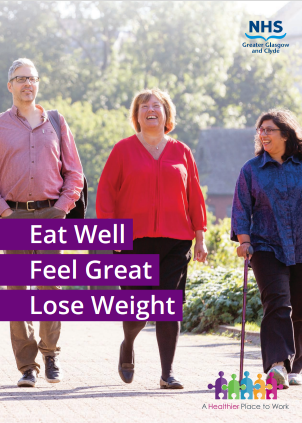
Download our free, practical guide designed to help get you get started and build the foundations for real and lasting weight loss that you can maintain with simple lifestyle changes.
Stay on track
Reaching and staying a healthy weight isn’t always easy. But small, realistic changes can make a big difference to your health and wellbeing. The NHS Inform Weight Loss site gives you trusted information and practical tips to help you:
- understand your weight
- lose weight safely and keep it off
Need additional support?
If you are overweight have diabetes, heart disease or you have had a stroke, you can self-refer to our Weight Management Service by and filling out the form.
If you are overweight and have other medical conditions, you can speak to your health professional (Nurse, GP, Dietician, or Physiotherapist) about a self-management or referral to the Weight Management Service.
You call the Weight Management Hub on 0141 211 3379 (Monday to Friday, 8.00am – 4.00pm).
Interpreters can be provided.
Stop smoking
Are you looking to stop smoking? Have you ever thought of stopping or tried to stop before?
The most effective way to quit smoking is with specialist support and the use of Nicotine Replacement Therapy (NRT) products or stop smoking medication; whether it is your first attempt or you have tried before, we are here to make your quitting journey as successful as possible.
- Studies show you are four times more likely to quit smoking if you do it through a specialist support service such as NHS Quit Your Way
- Local NHS stop smoking services are free and provide one to one support from expert advisers
- Services offer a range of proven methods and medications to help you quit
Your go to for Stop Smoking support
To find out more about what our services can offer call Quit Your Way on 0800 916 8858 or Click to Quit: Find a Stop Smoking Service in your area via Scotland’s Service Directory on NHS Inform:
Take the first steps to Stop Smoking – Quit Your Way
Quit Your Way offers stop-smoking support, including free stop smoking medication, to those who want to stop smoking.
Our team of trained advisors are friendly, knowledgeable and dedicated to supporting you through your quit journey.
Please take a look at the following clip which shows you what to expect.
Support to stop vaping
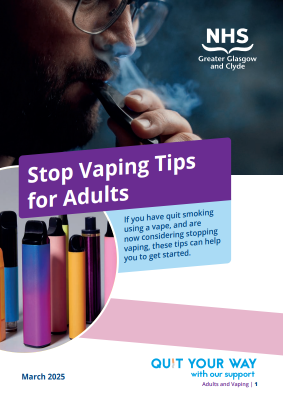
If you are thinking of stopping vaping, our stop vaping tips for adults leaflet can help you to get started.
What’s next?
To find out more about personalised appointments for face-to-face, telephone or online support, call our team on 0800 916 8858 to get started.
Do you have planned hospital admission?
Stopping smoking before a hospital procedure such as an operation greatly reduces the risks of complications and speeds up recovery. If you would like to stop smoking ahead of a planned admission you can use the postcode search on Scotland’s Service Directory to find our local stop smoking services near you, or simply call our team on 0800 916 8858.
Have you unexpectedly been admitted to hospital?
Please take a look at the following clip which shows you what to expect.
Alcohol and Drugs
Are you worried about alcohol and/or drugs?
Often alcohol and drugs are used as a way of coping with difficult situations and feelings. You can take steps to improve your health and wellbeing by stopping or reducing your alcohol or drug use.
Alcohol
NHS inform has information on drinking sensibly, knowing your limits and getting support for alcohol abuse.
Watch this video and find out if you are drinking too much alcohol.
Some tools and resources to help you
It’s recommended that you don’t drink more than 14 units of alcohol a week. How does your drinking add up? Use this interactive website to find out.
Want to cut down your alcohol consumption? – try the NHS Drink Free Days App
Drugs and drug use
NHS Inform provides important information about the substances you may be taking and how to get support.
Need additional support?
For alcohol and drug addiction problems you can either self-refer directly to the local specialist teams or contact your GP. Crisis services are also available at the Glasgow Alcohol and Drug Crisis Service.
Contact your healthcare professional or use the link below to:
- Find your local service
- Access more information
- Make a self-referral
Promoting mental wellbeing
Mental wellbeing describes your mental state – how you are feeling and how well you can cope with day-to-day life. Our mental wellbeing is dynamic. It can change from moment to moment, day to day, month to month or year to year.
MyApp: My Mental health is designed by NHSGGC for people looking for self-guided support for their mental health. You can find information for yourself or if you are worried about someone else.
You’re not alone and there’s support available when you need it. You can download the NHSGGC MyApp: My Mental Health app or visit the MyApp: My Mental Heath website.

Your go to guide to boosting your mental wellbeing – 5 simple tips to help you
Evidence suggests there are 5 steps you can take to improve your mental health and wellbeing. Trying these things could help you feel more positive and able to get the most out of life.
- Connect – connect with the people around you: your family, friends, colleagues, and neighbours. Spend time developing these relationships.
- Be active – you don’t have to go to the gym. Take a walk, go cycling or play a game of football. Find the activity that you enjoy and make it a part of your life.
- Keep learning – learning new skills can give you a sense of achievement and new confidence.
- Give to others – even the smallest act can count, whether it’s a smile, a thank you, or a kind word. Larger acts, such as volunteering at your local community centre, can improve your mental wellbeing and help you build new relationships.
- Be mindful – be more aware of the present moment, including your feelings and thoughts, your body, and the world around you. Some people call this awareness “mindfulness”, and it can positively change the way you feel about life and how you approach challenges. You can get further ideas here, with tips from Mind’s Five Ways to Wellbeing resource. Also, the Mental Health Foundation has produced a guide: “How to Look After Your Mental Health” which you can download for free. This contains 10 practical areas that you can take action on.
In a crisis or need urgent help?
If things feel overwhelming or you’re worried about someone else, here’s what you can do:
- Call NHS 24 on 111 Available 24 hours a day, 365 days a year for urgent mental health support and advice.
- Talk to your GP Your GP is a great first point of contact. They can listen, offer guidance, and refer you to local Mental Health Services if needed.
- If you feel you are in immediate danger, please call 999 for assistance
Support for your mental health
Healthy eating
Advice and support to help you eat well
The Eatwell Guide provides information and resources to help you eat a healthy balanced diet.
Eat well everyday – use the meal plan for a healthy balanced diet
Food and nutrition support
Access food and nutrition support in your area along with some helpful resources, hints and tips to help you make healthier choices.
Better sleep
Help yourself to a good night’s sleep
A good night’s sleep is important for your general heath and wellbeing. There are lots of things that you can do to improve your sleep and tackle some of the most common sleep problems.
Watch this video where GP Peter Chrun offers some tips to improve your sleep.
If you are experiencing insomnia or other sleep problems NHS Inform has a useful self-help resource.
Online tools and apps for better sleep
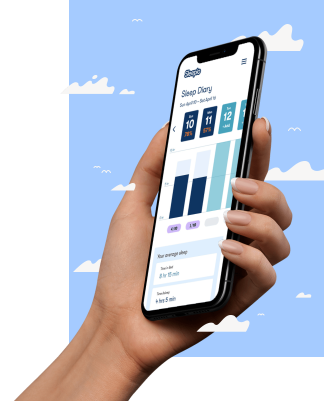
Sleepio is a digital sleep improvement programme based on Cognitive Behavioural Therapy (CBT.) It’s clinically proven to help address the root causes of poor sleep and insomnia.
Money worries
Support and information if you’re worried about money
A change in personal circumstances such as a change in health status, bereavement, birth of a new child, relationship breakdown or loss of employment can lead to money worries for a person or a household.
Any patients accessing our hospitals can access impartial and confidential help and support from one of our dedicated money advice partnership services.
Watch this video to find out more about our hospital-based money advice services.
Help with hospital travel costs
You may also be entitled to help with the cost of travelling to and from hospital if you receive NHS treatment under the care of a consultant and have a low income or receive certain benefits or credits.
Other sources of support with money worries
Money Advice Scotland believes everyone in debt deserves to be treated fairly. They provide a range of resources for people going through the debt advice process including debt terms explained, help accessing your income and expenditure report, and benefits calculator.
Debt Navigator provides information and advice on how to deal with debts including energy debts; mortgage, rent and council tax arrears; loans, credit cards and overdrafts; car finance and care costs. The website includes a web chat function.
Get creative
Would you like to get creative?
Getting creative and engaging with the arts, whether it’s painting, photography, writing, music, dance, or drama, can have a powerful impact on your health and wellbeing. Here are some of the key benefits:
- Mental Health and Emotional Wellbeing – reduce stress and anxiety
- Social Connection – meet people, reduce isolation and build communities
- Cognitive Benefits – enhanced memory and focus
- Physical Health – improved motor skills and coordination
- Builds confidence – sense of achievement and purpose
Would you like ideas for how to get involved in the arts locally?
Your local authority can provide access to a wide range of arts opportunities via their libraries, museums and community centres
Find out about creative opportunities online
Local and regional activities can be found via simple web searches such as ‘Where’s my nearest community art, dance or singing class”
There are many other organisations that can help you explore creative activities. Here are some ideas:
- Community centres: These often have a variety of classes and are more likely to be local.
- Colleges and universities: They may have continuing education programs or student-led activities that fit your needs.
- Local theatres and arts organisations: Check if there are any local theatres, dance or community groups in your area that offer workshops or lessons
ALISS – A Local Information System for Scotland
You can use ALISS to find health and wellbeing services, groups and activities in your area
Digital support to stay connected
Find out how to stay connected
Being connected, both digitally in the online world and in real life, can have a profound impact on your health, wellbeing, and sense of purpose. Here are some of the benefits:
Digital Connection Benefits
- Access to Information and Support
- Staying in touch
- Community Building
- Empowerment and voice
In-person and community connection benefits
- Improved mental health
- Sense of belonging
- Physical health boost
- Shared activities and learning
Blending both worlds
The most powerful approach often combines both digital and real-world connection. For example:
- Joining a local support group and staying in touch via a WhatsApp group.
- Attending in-person wellbeing event promoted through NHS or community Facebook pages.
- Participating in hybrid events that offer both online and face-to-face options
More information on some sources of support
Community Health and Wellbeing Hubs at your local library
Your Local Library Health and Wellbeing Hub
Every library in the Greater Glasgow and Clyde area is more than just books – it’s a welcoming space for everyone to get support for their health and wellbeing. Here are some of the services that you can access when you visit:
- Digital Support – Help with online health services and virtual appointments
- Health and Wellbeing Info – Trusted, easy-to-read resources
- Private Space for Near Me – Secure video consultations
- Staff Support – Guidance to the right health services
- Community Connections – Links to charities and local groups
Libraries
Find out your local library using the links below.
Women’s Health
What is women’s health?
Women’s health covers things like breast and cervical cancer checks, periods, contraception, and pregnancy. It also means keeping healthy by staying active, eating well, not smoking, and looking after your mental health and wellbeing.
The Women’s Health Platform on NHS Inform sets out information on women’s health at key stages of life, from puberty to later years.
Managing your Menstrual Health
Periods – What is normal?
Managing Menopause
Menopause is a natural part of a woman’s life and there’s a lot that can be done to help manage symptoms, including making healthy lifestyle choices, trying different treatments and seeking support from healthcare professionals.
Symptom questionnaire
You can use this menopause symptom questionnaire (PDF, 168KB) to keep a note of your symptoms and how you’re feeling. You can print it and talk about it with your healthcare professional to help them understand the different symptoms you’re experiencing.
Looking after your Sexual Health
Good sexual health is more than the absence of Sexually Transmitted Infections and contraception, but these are the foundations for good sexual health.
Find out more about STIs and where to get tested in NHSGGC.
Contraception Choices
Details on the types of contraception available and where to find it in NHSGGC, including Emergency Contraception andFree Condoms.
The Right Contraception for you
Contraception Choices Tool
Use this tool to help make decisions about which contraception might be best for you:
Planning a pregnancy?
Information on planning a pregnancy what to expect during pregnancy and childbirth, including common illnesses and conditions and how to access maternity care in NHSGGC.
Planning for Pregnancy Online Tool
The personalised tool will help you work out where to start with planning a pregnancy and how to get any information or support you might need.
Cancer Screening and Vaccination
Women are offered population-based screening at for key life stages for Breast, Cervical and Bowel cancers. It is important to attend for you screening appointments as early detection can save lives.
What to expect at your breast screening appointment
Breast screening aims to find cancer early so more people survive breast cancer each year.
Cervical Screening
Cervical screening is offered to women and anyone with a cervix who:
- lives in Scotland
- is aged between 25 and 64
What to expect at your cervical screening appointment
If you need additional support
Speak to your GP if you have:
- unusual discharge
- bleeding after sex, between periods or after the menopause
These are usually caused by something other than cancer but it’s important to have them checked.
Domestic Abuse
Domestic abuse is a crime in Scotland. It can happen to anyone and in all types of intimate relationships. It can happen to people of all different genders, sexual orientations, ages, and backgrounds. It is never your fault. Support is available if you are worried about your own relationship, worried about someone else, or unsure whether what is happening is abuse.
If you are in immediate danger, call 999. If you cannot speak, listen to the operator and follow their instructions. If it is safe to do so, you can also go to a safe place and ask someone you trust for help.
What is domestic abuse?
It can sometimes be hard to see the signs of domestic abuse. You might find it difficult to recognise when something you are experiencing or witnessing is domestic abuse. It does not always include physical violence. It is a pattern of behaviour by a partner or ex-partner that causes harm, whether emotional, sexual, physical, financial or psychological.
Understand the signs of domestic abuse
Additional domestic abuse information
Coercive control or controlling behaviour
Coercive control is when someone uses controlling behaviour to intimidate, threaten or isolate a partner. They may control what their partner does, who they speak to, where to go or what they wear. They may use threats or intimidation to make their partner afraid or humiliated. This is domestic abuse and is against the law.
What is Coercive Control
Scottish Women’s Aid / Scottish Government Video
Scottish Women’s Aid – What is Coercive Control Video – Shona’s Story
Scottish Women’s Aid – What is Coercive Control Video – Amira’s Story
Getting support
You do not need to be sure that something is abuse before asking for support. If something does not feel right, you deserve to be listened to and supported. If you are worried about someone else, you can seek advice without needing to know exactly what to say or do.
- For immediate danger, call 999.
- Scotland’s Domestic Abuse and Forced Marriage Helpline 0800 027 1234 Text / WhatsApp 07401288595 or email Helpline@sdafmh.org.uk or visit the Scotland’s Domestic Abuse and Forced Marriage Helpline website.
- Women’s Aid: information and support for women, children and young people affected by domestic abuse – Find your nearest women’s aid group.
- Men’s Advice Line: support for men affected by domestic abuse. Visit the Domestic Abuse Helpline for Men | Men’s Advice Line UK website or call Freephone 0808 8010327
- LGBT Domestic Abuse Scotland: support for LGBT+ people affected by domestic abuse. Voices Unheard – LGBT Youth Scotland
Putting advice into action
Found some advice but not sure where to start, or how to stick to it?
Whether you’re getting ready for appointments or managing your condition on your own just now, making some changes that help us manage our condition and feel our best can be important.
You may have read something in these pages which you would like to try.
Setting a small, realistic goal (even a tiny one!) and making a simple plan for how you’ll do it can make it easier to get started and stay motivated.
It can also help to think about what might get in the way and come up with a few ideas for how you could deal with those challenges.
Where can I find out more?
You can read more about the MAP (Motivation, Action and Prompts) approach to Health Behaviour Change, including a video which outlines the MAP approach.
You can edit and print the MAP planner to help set yourself goals and create a plan to keep you on track.