
As energy bills rise and winter approaches, NHS Greater Glasgow and Clyde (NHSGGC) is encouraging patients, families and staff to check what help may be available with heating and household costs.
The latest increase in the energy price cap took effect on 1 October with further rises forecast in the months ahead, and for many households that means another winter of worrying about the cost of keeping homes warm and managing everyday bills.
Money worries can affect anyone, but they can become particularly difficult when they’re combined with ill health, caring responsibilities or a sudden change in circumstances.
Across NHS Greater Glasgow and Clyde, patients, carers, relatives and staff can access confidential advice and support to help with energy costs, benefits, debt and other financial concerns.
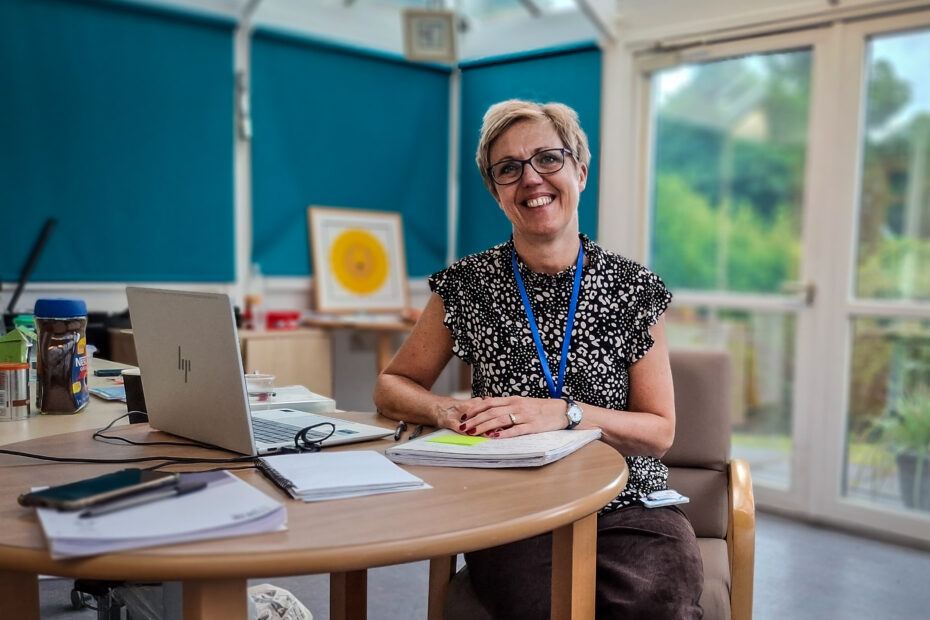
And to help people prepare for the colder months ahead Linzi Clingan, Welfare Rights and Energy Adviser with Drumchapel Citizens Advice Bureau’s Safe and Warm partnership service at Gartnavel General Hospital, has shared five simple things everyone should check this winter.
1. Check if you’re eligible for the Warm Home Discount
Many households across Scotland may be entitled to £150 off their electricity bill through the Warm Home Discount scheme.
Some people receive the discount automatically, but others may need to apply through their energy supplier. If you haven’t received information about the scheme, don’t assume you’re not eligible. It’s always worth checking.
2. Make sure you’re receiving all the financial support you’re entitled to
Changes in health, caring responsibilities, employment or household circumstances can affect what support is available.
Whether someone has experienced illness, become a carer, lost income or faced unexpected changes in their personal circumstances, there may be benefits, grants or other forms of assistance they do not realise they are entitled to.
3. Register for extra support from your energy supplier
The Priority Services Register provides additional support for people who are older, disabled, living with long-term health conditions or need extra assistance during power interruptions.
NHSGGC financial inclusion teams can help people understand whether they may be eligible and how to apply.
4. Don’t wait until energy debt becomes a bigger problem
If you’re struggling with bills or worried about keeping up with payments, seeking advice early can make a significant difference.
Support may be available through payment plans, grants, benefits or other forms of assistance that can help prevent financial difficulties becoming more serious.
5. If you’re worried, don’t struggle alone
Financial worries can affect anyone, whether you’re managing a health condition, caring for a loved one, raising a family or balancing household costs alongside work.
If you’re a patient, relative, carer or member of staff, financial inclusion services across NHSGGC can help you understand what support may be available. And if you’re a member of staff supporting patients, a simple conversation or referral could help connect someone with advice they may not know exists.
Linzi Clingan, Welfare Rights and Energy Adviser with Drumchapel Citizens Advice Bureau’s Safe and Warm project, said: “We’re hearing from more people who are worried about keeping up with energy costs as winter approaches and household bills continue to rise.
“Many people assume there is nothing available to help them or that they won’t qualify for additional support, but that’s often not the case.
“Whether it’s help with energy debt, advice on reducing bills, support to access grants and discounts such as the Warm Home Discount or checking that someone is receiving all the benefits they’re entitled to, a conversation can make a real difference.
“The important thing is not to wait until things reach crisis point. If you’re worried about your energy bills or other financial pressures, we’d encourage you to get in touch and explore what help may be available.”
Still worried about energy bills?
Financial pressure and health are often closely linked. Changes in circumstances such as illness, caring responsibilities, bereavement, relationship breakdown, reduced income or rising household costs can all create unexpected financial challenges.
Across NHSGGC, financial inclusion teams and partner organisations provide confidential support to help patients, carers, relatives and staff manage money worries and access the financial support available to them.
Support may include:
- Help with energy costs and heating bills.
- Benefits checks and social security advice.
- Debt advice.
- Support with council tax and housing issues.
- Hardship funds and grants.
- Access to wider financial support services.
Patients can access support through dedicated money advice services available across most NHSGGC hospitals, while staff can also make use of the help and advice on offer. Support is tailored to individual circumstances and can help people understand what they may be entitled to and how to access it.
The Safe and Warm partnership service at Gartnavel General Hospital is one example of this support, helping people access advice on energy costs and wider financial wellbeing. NHSGGC also works with financial inclusion partners across its hospitals and healthcare settings to ensure help is available when people need it most.
Julie Mcgahan (NHS Greater Glasgow and Clyde), Health Improvement Lead for Poverty and Financial Inclusion at NHSGGC, said: “Financial worries can have a significant impact on health and wellbeing, particularly when people are already coping with illness, caring responsibilities or other major life changes.
“Our hospital staff, as trusted sources of information and support for patients, are well-positioned to help tackle poverty by connecting people with financial inclusion services and community partners who can provide practical help.”
“In its role as an anchor institution, NHSGGC recognises the important role it can play in supporting the health and wellbeing of local people, staff and communities. Connecting people with advice, support and services is one of the practical ways we can help reduce the impact of poverty and financial insecurity.
“Whether you’re a patient, a family member, a carer or a member of staff, we’d encourage you to seek support if you’re worried about energy costs or wider financial pressures. Help is available, and getting the right advice can make a real difference.”
For more information about hospital-based money advice services go to: Hospital based money advice services – NHSGGC
For support through the Safe and Warm partnership service, email SafeAndWarmDCAB@DrumchapelCAB.casonline.org.uk.