NHSGGC has listed the top tips to help people get the most out of their healthcare this Health Literacy Month (October).
Many adults in Scotland find it hard to understand health information, while others are don’t know where to look, struggle using the internet, or simply lack confidence in discussing their healthcare.
Health Literacy is about making sure people can find, understand and use trusted health advice – and feel okay to ask questions when they can’t.
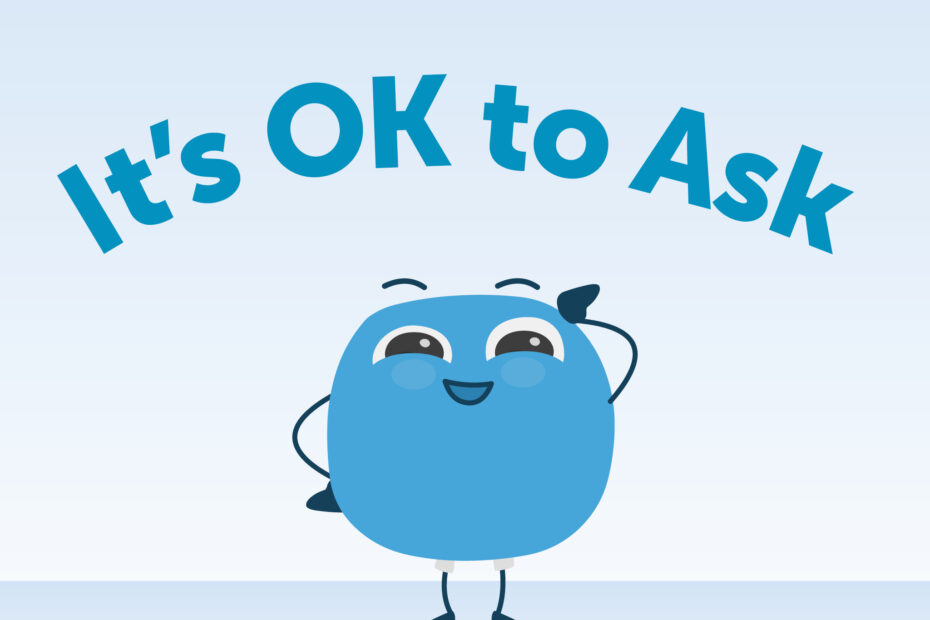
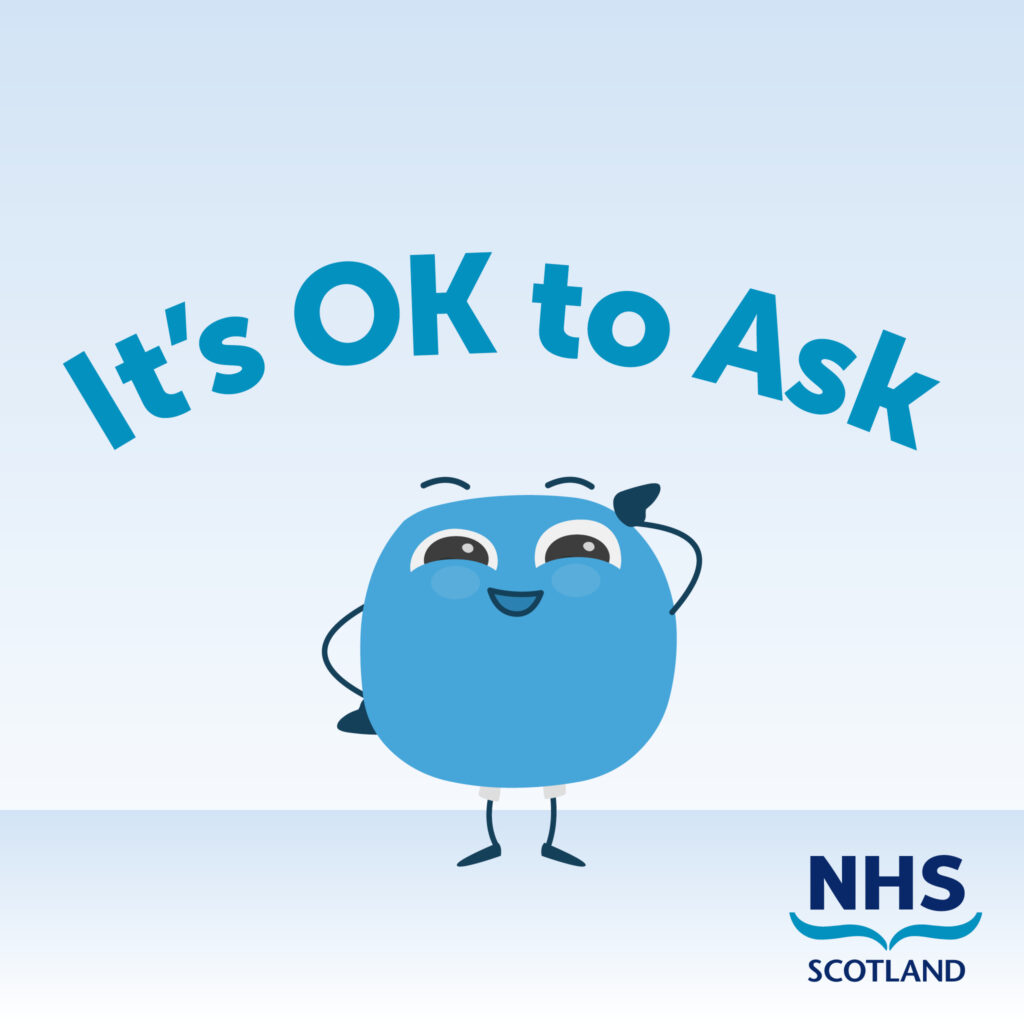
This October, we’re supporting Health Literacy Month by sharing simple tips from the It’s Okay to Ask campaign.
It’s Okay to Ask encourages patients to ask:
- What are the Benefits of my treatment?
- What are the Risks of my treatment?
- Any Alternative treatments I can try?
- What if I do Nothing?
Using the BRAN structure can help patients become more involved and able to make better decisions about their own care and treatment.
John O’Dowd, Director of Public Health at NHSGGC, said: “Helping patients to be more involved in decisions about their support and treatment is one of our priorities.
“Our staff have ways to support patient understanding but we also want patients to be part of the conversation, and knowing the right questions to ask is a large part of that.
“Using the BRAN questions can help, while our website, NHS Inform, and your local Council library can also guide you to finding the right information in the right way for you.”
Patients across Greater Glasgow and Clyde can use:
- The NHSGGC website for information on local health services
- My Health for something to read, watch or do to support better health
- Council-run libraries in their community for help finding trusted health care information and advice
- The Near Me video consulting service, supporting attendance at appointments digitally via local libraries
- The Realistic Medicine app which can support patients in making decisions about their healthcare.
Dr Malcolm Watson, Consultant Anaesthetist and Clinical Lead for Realistic Medicine at NHSGGC secondary care, said: “Health literacy aims to move patients from being a passive recipient of care to being active participants in their care.
“We don’t want people to just sit there and think ‘Doctor knows best.’ We want them to ask questions and be engaged.
“We encourage patients to ask the BRAN questions, and we want healthcare advocates to encourage patients to ask these questions. Once you know the BRAN about any health and care intervention, you really know all you need.”
For more information, visit: https://www.nhsinform.scot/campaigns/its-ok-to-ask/