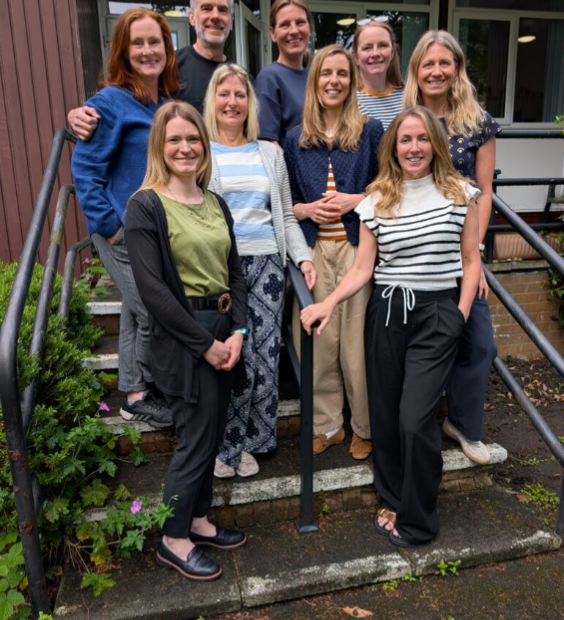
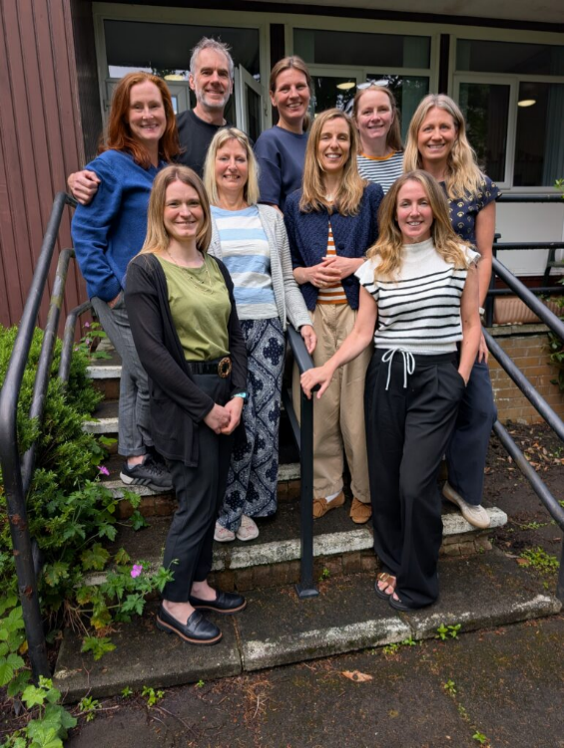
As part of Pain Awareness Month, NHS Greater Glasgow and Clyde is highlighting the work of a specialist national service that helps people from across Scotland rebuild confidence, reconnect with what matters most and live well alongside chronic pain.
Around 38% of adults in Scotland are living with chronic pain, a condition that can affect every aspect of daily life, from work and family life to sleep, relationships, confidence and mental wellbeing. Chronic pain continues beyond the normal time expected for healing and is recognised as a health condition in its own right.
Based at Allander House on the Gartnavel Campus in Glasgow, the Scottish National Pain Management Programme (SNPMP) has supported people from across Scotland since 2015.
The multidisciplinary team includes psychologists, physiotherapists, occupational therapists, a medical doctor, a clinical nurse specialist and administrative support. Referrals come from local secondary care pain management services across Scotland, and participants take part in intensive rehabilitation programmes designed to improve their quality of life and daily functioning.
The programme is underpinned by Acceptance and Commitment Therapy (ACT), an evidence-based approach that supports people to develop practical skills to live alongside ongoing pain and other challenges while reconnecting with the people, activities and goals that matter most to them.
Dr Anna Graham, Consultant Clinical Psychologist and Clinical Lead at the Scottish National Pain Management Programme, said: “Many people referred to our programme have experienced a significant impact on their lives because of chronic pain. Some have had to give up work, hobbies, exercise and social activities, while others may have become increasingly isolated over time. A common misconception is that pain management is solely about reducing pain. While pain remains a challenge for many people, our focus is on helping individuals develop the confidence, skills and understanding they need to live well and participate more fully in the activities that are important to them.”
Participants frequently report positive and lasting changes following the programme.
Feedback often refers to the benefits gained from the daily practice of building structure back into their routine, and how, with continued support, this can start to feel like the new normal. Graded approaches allow time for slow change and adaptation. Participants often say they feel the programme helped them feel as though they are living again and not just existing.
“The programme surpassed my expectations and gave me an empathetic and empowering space to work through how I would like to live my life differently to maximise my time with my family.”
The SNPMP team appreciate that living with chronic pain can sometimes feel isolating, which is why raising awareness and encouraging conversations about pain is so important. Understanding pain and recognising that support is available can be an important first step towards improving wellbeing and helping people regain confidence in their ability to live meaningful, connected lives.
Throughout Pain Awareness Month, NHS Greater Glasgow and Clyde has been supporting the national message that pain is common, but talking about it often isn’t. By encouraging greater understanding of chronic pain and promoting available sources of support, the aim is to help people feel informed, empowered and less alone.
To find out more about the Scottish National Pain Management Programme, including videos and participant stories, visit the SNRPMP – Scottish National Residential Pain Management programme.
People looking for information and support on chronic pain can also visit NHS inform, Pain Concern and Pain Association Scotland.