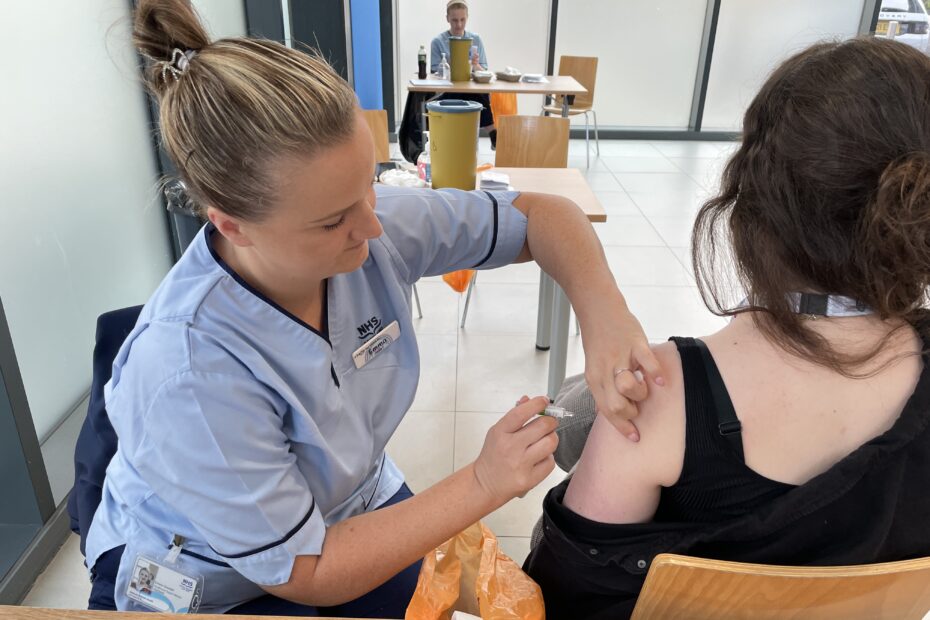
Can the flu vaccine give you flu? Is there any point getting vaccinated if you’re healthy? And are handwashing and good hygiene enough to protect you?
These are among the questions and misconceptions identified during research carried out by NHS Greater Glasgow and Clyde ahead of this year’s winter vaccination programme.
Now, as flu vaccinations get under way across Greater Glasgow and Clyde, and with more opportunities than ever for eligible people to get protected, public health experts are setting the record straight on some of the concerns and misunderstandings that may make people reluctant to come forward for vaccination.
The research highlighted a range of misconceptions about flu vaccination, from concerns about side-effects and effectiveness to confusion over how vaccines work and who is most at risk from the virus.
Here, NHSGGC’s Public Health team addresses five of the most common myths and explains why vaccination remains the best protection against flu this winter.
Myth 1: “The flu vaccine gives you flu”
What we heard: For many people, there is a fear that the flu vaccine will give them flu. Some people involved in the research also described feeling unwell after their vaccination and believed it had “given them flu”.
The truth: The vaccine helps protect you from getting flu. It works by teaching your body’s immune system how to protect itself against the virus.
It takes around 10 days for the vaccine to work, but the flu vaccine itself cannot give you flu.
Some people may experience mild side effects, including tenderness at the injection site, headache, muscle aches, a fever or feeling generally unwell. Generally any side effects are gone within 24 to 48 hours and should not stop you doing your usual activities – and they are a lot less severe than catching the flu.
Myth 2: “I don’t need the flu vaccine because I’m healthy and have a strong immune system”
What we heard: Some people felt vaccination was unnecessary because they were healthy and rarely became ill.
The truth: Flu does not discriminate, and people who are normally healthy can still become seriously unwell.
Some people who are vaccinated will still catch the flu, but if you do your symptoms will be milder. This reduces your risk of needing hospital care.
Vaccination also helps reduce the spread of flu and may protect those around you from becoming ill. It is not only about protecting yourself, but also about protecting your family, friends and people who may be particularly vulnerable to serious illness.
Myth 3: “Handwashing is enough”
What we heard: Some people said they relied on handwashing, masks or gloves to prevent transmission and therefore did not feel they needed the flu vaccine.
The truth: Handwashing is an important tool in the fight against infection, but vaccination remains the most effective way of limiting the spread of flu.
Flu is an infectious virus which can spread through the air when people cough or sneeze. It can also spread when someone touches a surface on which the virus has landed and then touches their eyes, nose or mouth.
Even if you would expect to recover quickly from flu yourself, someone you pass it on to may become more seriously unwell. Vaccination helps reduce the spread of flu and can offer protection for more vulnerable groups.
Myth 4: “The flu vaccine doesn’t work anyway”
What we heard: Some people questioned whether the vaccine was effective or felt there was little point in being vaccinated because they had never previously had flu.
The truth: The vaccine helps protect you from getting flu. It will prevent many people from getting flu at all, and when it does not, it can still reduce the severity and duration of symptoms and make you less likely to require hospital care.
It also helps reduce the spread of flu and may protect those around you from becoming ill.
Flu vaccines are designed to protect against the main types of flu viruses expected to circulate during winter. You need to be vaccinated each year because flu viruses are constantly changing, and the vaccine is updated each year to provide the best protection against the latest types.
Myth 5: “The flu vaccine is the same as the COVID vaccine”
What we heard: The research found that some people confused the flu and COVID-19 vaccines when discussing concerns about side-effects, safety and effectiveness.
The truth: Flu and COVID-19 are different viruses, and the vaccines used to protect against them are separate.
Two different vaccines are used, and eligibility for each is determined separately. Those eligible for the COVID-19 vaccine will be contacted separately about their appointment.
Get protected this winter
Last winter, flu arrived earlier than expected and placed significant pressure on health services across Scotland. People who are eligible are therefore being encouraged to take up their vaccination offer as soon as possible, before flu begins circulating widely.
John O’Dowd, Interim Director of Public Health at NHSGGC, said: “Flu can make people seriously unwell and, for some, it can lead to complications requiring hospital treatment.
“The best protection, for you and your loved ones, is vaccination and we would encourage everyone who is eligible to take up the offer as soon as they can.
“We know life is busy, which is why we’ve worked hard to make vaccination as accessible as possible this year. We’ve increased the number of clinics available and are offering more weekend drop-in sessions to help people find a time and location that suits them.
“Last year, flu arrived earlier than many people expected, so our message is simple: don’t wait until flu is widespread in the community. Get protected now and help protect your family, friends and those most vulnerable to serious illness.”
Eligible groups include older adults, pregnant women, people with certain health conditions, frontline health and social care workers and pre-school and school-aged children, and everyone who is eligible will be contacted by NHS Scotland with information about their vaccination.
People are asked to wait until they are contacted before trying to make an appointment, and those who receive an appointment are asked to attend at the time offered where possible. If you cannot attend, you can rearrange your vaccination appointment through at NHS Inform or by calling 0800 030 8013.
To find out more about flu vaccinations, go to: NHSGGC – Winter Vaccination Programme 2026/27.