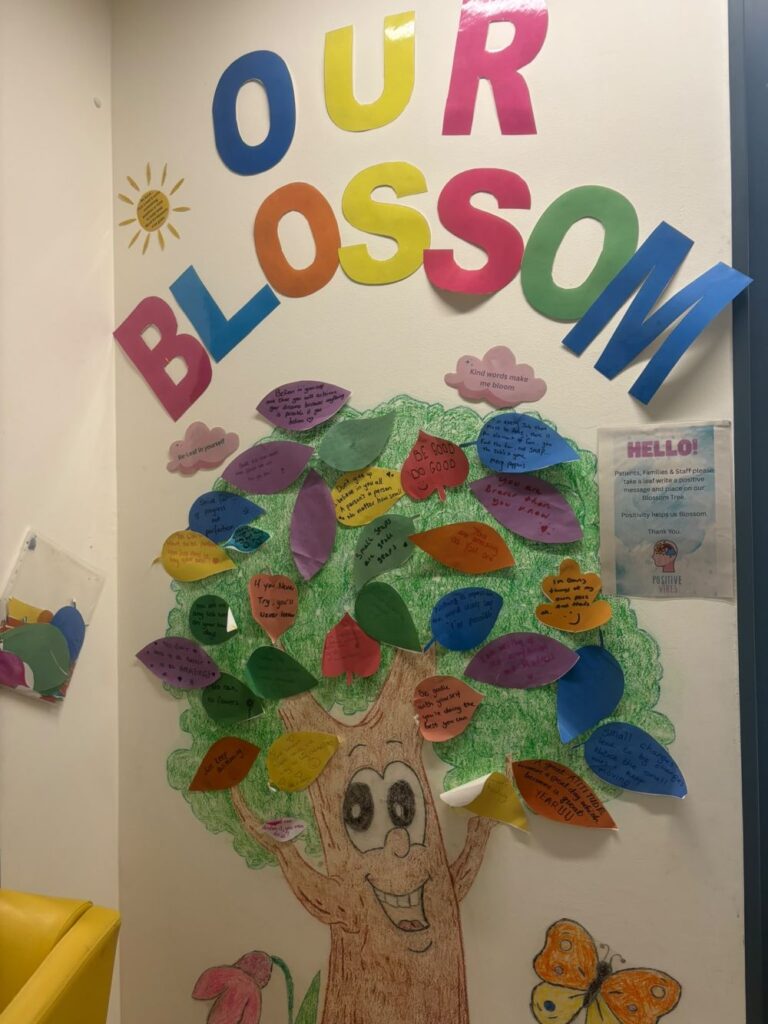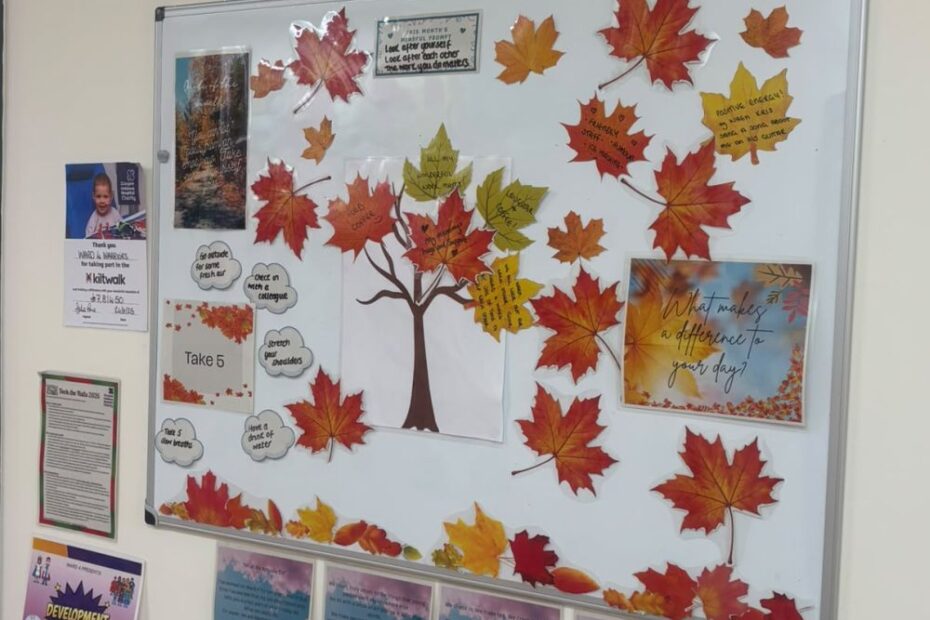
A recent visit by the Mental Welfare Commission for Scotland to the National Child Psychiatry Inpatient Unit (Ward 4) at the Royal Hospital for Children highlighted the outstanding commitment, compassion and teamwork that underpin the care provided to children and their families.
As Scotland’s nationally commissioned inpatient service for children with significant mental health difficulties, Ward 4 provides specialist care and support to children from across the country. During the visit, the Commission met with six children, their families and members of the multidisciplinary team, gaining valuable insight into their experiences.
One of the most encouraging findings was the positive feedback from children themselves. They described the ward as ‘fun’ and staff as ‘nice’, with children telling visitors that they felt safe. One child reflected on how their feelings had changed since admission, explaining that although they had initially not wanted to be there, they had settled in and now enjoyed the experience.
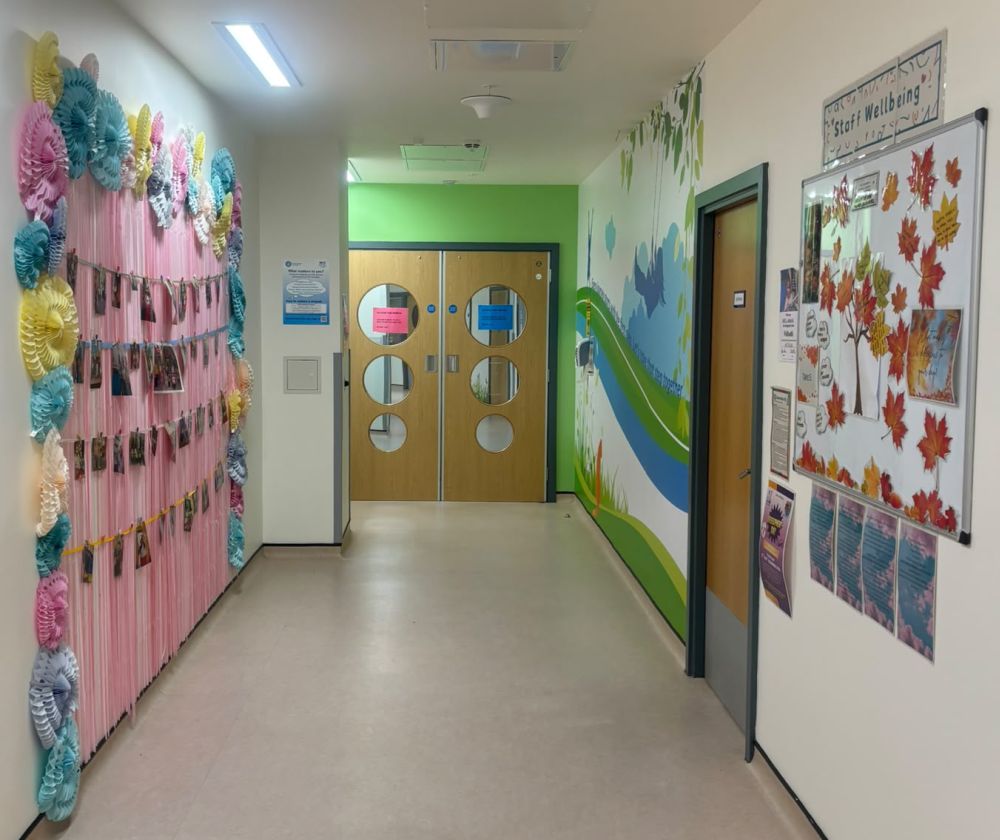
Parents and carers were equally positive, describing the care as ‘amazing’ and ‘phenomenal’ and highlighting the significant difference Ward 4 had made to their children’s experiences. They particularly valued being listened to, included in decisions and recognised as important partners in their child’s recovery.
The Commission was impressed by the strength of relationships across the ward. Staff demonstrated warmth, kindness and genuine commitment, creating an environment where children feel valued, respected and supported. A strong sense of teamwork was evident, with professionals recognising and appreciating each other’s contributions. Staff spoke proudly about their work and the positive culture created through visible and supportive leadership.
The quality of care planning was another significant strength. Plans were personalised, clearly written and focused on each child’s individual needs, goals and rights. Children were actively encouraged to express their views through accessible communication tools, visual timetables and regular opportunities to participate in decisions about their care.
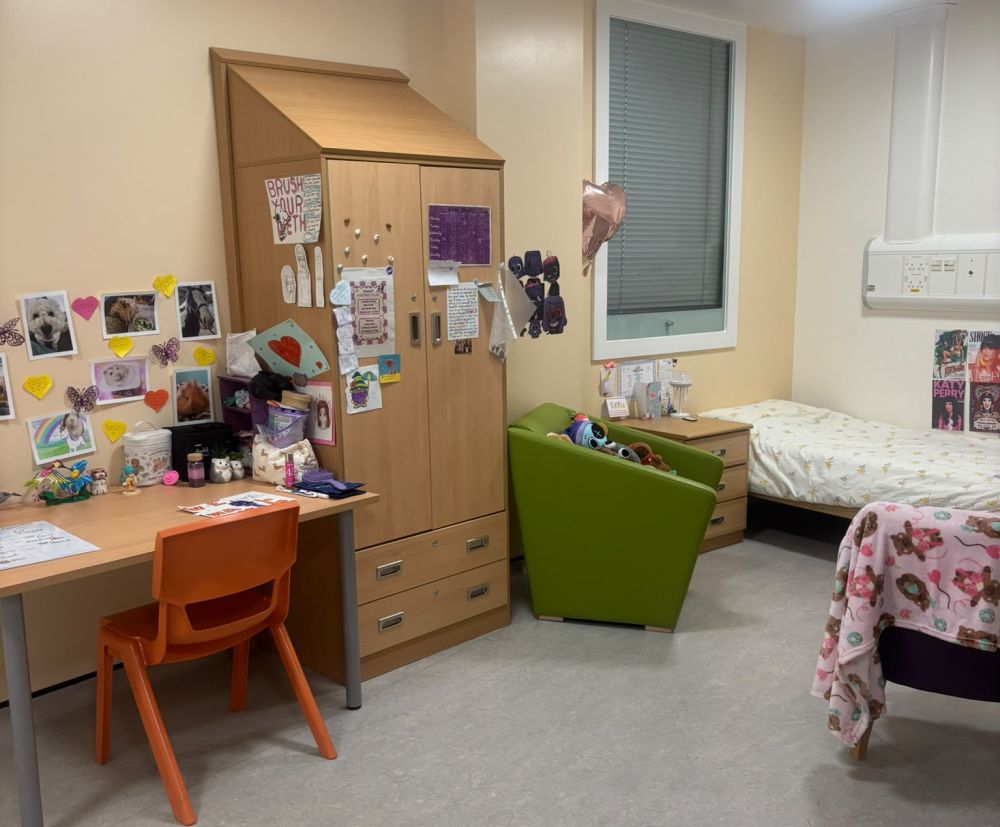
The physical environment also contributed to the positive experience. Bright, welcoming spaces, sensory and play facilities, a rooftop garden and personalised bedrooms helped create a homely and therapeutic atmosphere.
The visit also recognised progress in developing practice, including the introduction of an advance statements policy and continued work to strengthen safeguards and improve services. Opportunities for further improvement were identified, particularly around education access, communication and coordination.
Overall, the visit recognised Ward 4 as a dedicated, compassionate and supportive service where children and families are at the heart of care.