
The Staff Governance Standard for NHS Scotland requires all NHS organisations to prioritise the personal health and well being of staff and patients in the delivery of services. To ensure the provision of a continuously improving, safe and person centred working environment, all employees should undertake statutory and mandatory training appropriate to their role on entry to the organisation (Induction) and at regular intervals during their career.
What is Statutory and Mandatory Training?
Statutory
Statutory training and education is defined as training that is prescribed or authorised by a statute of law and is compulsory for all employees, at induction and at appropriate intervals during employment.
Mandatory
Training which NHSGGC has identified for all employees as a requirement to support the safe delivery of services and for the safety and well being of individual members of staff and patients. Mandatory training and education is deemed compulsory by the organisation and is commonly underpinned by statutory law, legislation, national guidance and recommendations. This training is delivered at induction and at appropriate intervals during employment.
Essential (Role Specific)
Profession specific mandatory training is the minimum standard of training – beyond core mandatory training for all staff – that a regulator, industry standards and/or health board considers to be necessary, for staff in a given job family, to deliver their role safely and competently, and allow the organisation to function effectively.
All NHSGGC Staff
All current employees of NHSGGC, regardless of their role or job location, must successfully complete specific training at regular intervals to ensure their compliance with the Statutory and Mandatory training requirements agreed for all NHS Scotland staff. In line with the 2023/2024 Agenda for Change pay agreement, staff should be allocated time during working hours to complete their Mandatory training. Your Line Manager will support you in achieving these requirements through activities agreed as part of your PDP discussion.
New Learn Pro accounts
- This can be created by filling out the below form.
- Please note it can take up to 5 working days to get log in details sent.
Mandatory LearnPro Modules
Once for Scotland – Fire Safety (Refresher period every 2 years)
The aim of this moudle is to ensure that all staff are aware of their duties and responsibilities regarding their workplace fire safety arrangements, and are able to act confidently in the event of a fire emergency.
On completion of this module, you should:
- Have an awareness of the legislation and mandatory obligations relating to fire safety.
- Have sufficient knowledge and training to enable them to raise and respond to an alarm of fire.
- Be able to participate safely in the evacuation of your workplace and provide assistance to others if necessary.
- Understand the nature of workplace fire hazards and the measures for their prevention.
Once for Scotland – Cyber Security (Refresher period every year)
This course will introduce the basics of cyber security to help you protect both yourself and the organisation.
Upon completion of this module you should understand:
- What cybersecurity means and why it matters to you.
- Common types of cybersecurity threats.
- How cybersecurity breaches can affect you and the organisation.
- How to spot, avoid, and report cybersecurity threats.
- Why using strong passwords and extra security steps (like multi-factor authentication) is important.
Once for Scotland – Safe Information Handling (Refresher period every year)
The purpose of this module is to make you aware of policy and procedures along with your responsibilities for safe information handling and data protection.
By the end of this module you will be able to:
- Understand individual’s rights under data protection such as the Data Protection Act 2018 and the UK General Data Protection Regulation (UK GDPR).
- Identify personal data that should be treated confidentially.
- Determine when sharing of information/disclosure is lawful.
- Understand the importance of storing personal data safely and effectively.
- Understand the responsibility of the organisation and staff to ensure safe and secure processing of personal identifiable data.
- Recognise the importance of information security.
- Recognise and comply with the seven Data Protection Principles.
- Recognise a Freedom of Information Request and your responsibilities.
- Recognise a Subject Access Request and your responsibilities.
- Comply with the Caldicott Principles.
Once for Scotland – Manual Handling (Refresher period every 3 years)
The aim of this module is to provide underpinning knowledge necessary to reduce the risk of musculoskeletal disorders caused by poor manual handling practice in the workplace.
By the end of the course delegates will be able to:
- Define the term “manual handling”
- Outline how legislation applies to manual handling activities at work.
- Outline the management of manual handling within the organisation.
- Describe the principles of ergonomics and risk assessment (formal and dynamic) in reducing the risk of manual handling injury.
- Identify the key areas and other related factors such as guideline weights to be considered when undertaking a manual handling risk assessment.
- Identify high risk activities and manoeuvres.
- Describe the potential impact on others of poor manual handling practice.
- Identify the risks involved in team handling.
- Describe the importance of good communication in relation to manual handling.
- Describe the causes and effects of musculoskeletal disorders (MSDs).
- Describe the principles of safer manual handling.
- State basic methods of promoting and managing your own musculoskeletal health both in and outside the workplace.
Once for Scotland – Understanding Equality, Diversity and Human Rights (Refresher period every 3 years)
The aim of this module is to raise awareness of equality, diversity and human rights and highlight key requirements relating to individual practice and service delivery within the NHS.
By the end of the module you will be able to:
- Explain what is meant by the terms equality, diversity and human rights and how they apply to you in your work.
- Understand the basis of prejudice and discrimination and identify discrimination, harassment and inappropriate behaviour in the workplace.
- Identify actions that you can take to challenge and prevent inappropriate behaviour, and know how to raise concerns about how you or others have been treated.
Once for Scotland – Why Infection Prevention Control Matters (Refresher period every 3 years)
This eLearning module will help you understand the important role you play in IPC and the support available to you no matter where you work – in an acute hospital, in primary care, care at home or a care home.
At the end of the module, you should be able to:
- Recognise terms used to describe infections in different care settings.
- Describe the impact of infections on the people we care for or support, their families and the staff.
- Describe the important part you play in preventing and controlling infections.
- Access current guidance and support teams to help prevent the spread of infection within the care setting.
Once for Scotland – Fraud Awareness (Refresher period every 3 years)
By the end of this course, the learner is expected to demonstrate an understanding of fraud in NHS Scotland, and should be able to:
- Define the term fraud, with reference to the three elements of fraud and the fraud triangle.
- Explain how fraud is investigated in Scotland and the consequences of committing fraud.
- Demonstrate an understanding of the scale and impact of fraud in NHS Scotland.
- Explain the two relevant principles of public sector fraud.
- Identify the three key areas of fraud and describe the key red flags that may indicate a higher risk of fraud.
- List the various options available to report fraud and find out more about Counter Fraud Services.
Once for Scotland – Prevention and Management of Violence and Aggression (Refresher period every 3 years)
Violence against staff is a significant issue in the NHS, with a high number of incidents reported every year. The course aims to equip you with the essential knowledge you need to help prevent and manage incidents and reduce risks.
By the end of the course delegates will be able to:
- Understand your role and responsibilities in preventing and managing work-related violence and aggression.
- Describe the key stages of the assault cycle.
- Identify triggers that can lead to a violent or aggressive incident.
- Recognise and respond to signs of escalation and imminent violence.
- Take action to keep yourself and others safe.
- Follow reporting procedures and know how to access post-incident support.
Once for Scotland – Child Protection and Adult Support and Protection (Refresher period every 3 years)
There are two modules to be undertaken.
Child Protection
The overall aim of the Child Protection part is to give you the information you will need to promote the protection and wellbeing of children. It will also highlight what to do should you become concerned that a child is being, or at risk of being harmed. This practice level 1 module is for all members of the health workforce, whether employed or volunteers.
By the end of the course delegates will be able to:
- Define what is meant by a ‘child’ in different legal contexts.
- Reflect on trauma informed practice and recognise the impact of adverse childhood experiences.
- Explain what child protection means, describe your role and how and when to raise a concern.
- Describe children’s rights and the principles of the Getting it Right for Every Child (GIRFEC) approach.
- Describe the indicators of abuse and neglect and identify the roles and responsibilities of you and the others in the protection of children.
- Recognise the importance of information sharing and reporting within your organisation.
Adult Support and Protection
The overall aim of this part is to give you the information you will need to ensure the protection and wellbeing of adults at risk of harm. It will also highlight what to do should you become concerned that an adult is being harmed or at risk of being harmed. This practice level 1 module is for all members of the health workforce, whether employed or volunteers.
On completion of this module you will be able to:
- Recognise human rights in the context of adult support and protection.
- Describe legislation to protect adults at risk of harm.
- Explain the key principles of Part 1 of the Adult Support and Protection Act (Scotland) (2007).
- Define adults at risk and recognise signs and indicators of harm and abuse.
- Describe your role in Adult Support and Protection, the importance of information sharing, and how to raise a concern.
GGC002 Health and Safety, An Introduction (Refresher period every 3 years)
The purpose of this course is to examine the key Health and Safety related legal duties of employers and employees and have an understanding of the organisation’s approach to managing Health and Safety.
By the end of the course delegates will be able to:
- Explain how key legislative requirements are implemented in the organisation via policy, risk assessment, incident reporting and training
- Understand their own individual responsibilities and what is expected of them in order to ensure they contribute to the safety of their workplace
- Describe potential hazards and associated risks in a range of healthcare settings
- Understand the importance of co-operation and communication on safety matters
- Describe how to seek further advice and guidance in relation to health and safety concerns
- Understand what to do if you receive an occupational exposure to blood or body fluids e.g. sharps injury.
Additional Information
Module access
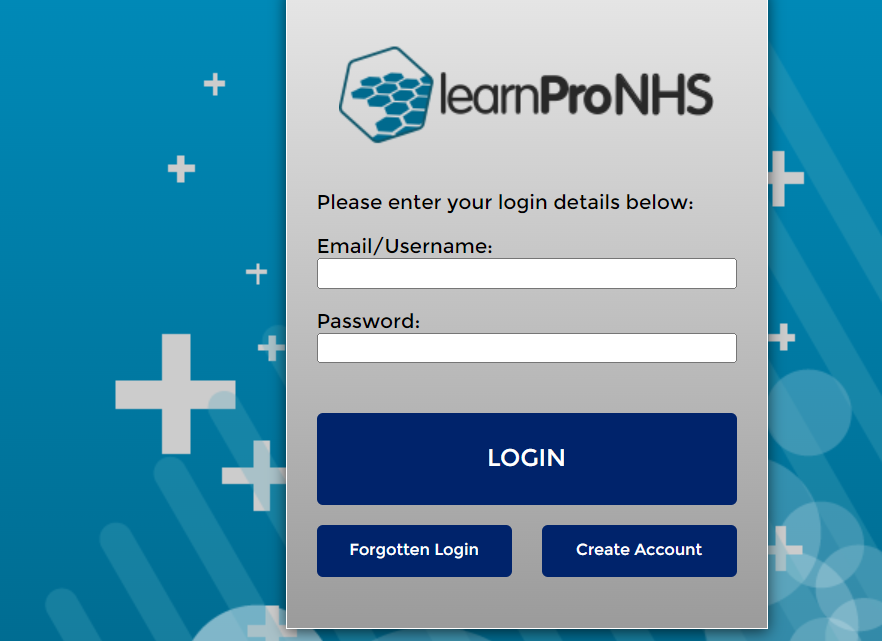
You can access all of the above modules on our online learning platform, Learnpro. To do this, please log on to LearnPro using the following link: LearnPro login page.
Forgotten passwords and Log in details reset Information
If someone has forgotten their password for the Learn Pro system and needs it reset, then they can do this quickly and easily themselves, without any need to contact the L&E support team. Simply follow the steps below:
- Click on the Forgotten password link
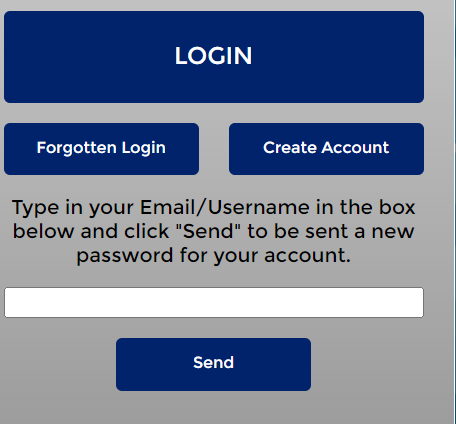
2- A box will appear below the password link for an email address to be added and send button clicked
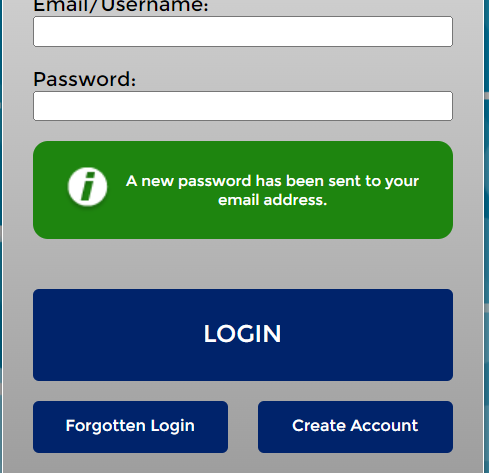
3- A reset link will be emailed to email added above for the password to be reset
Certificates
Once you have successfully completed a module you will be able to produce a certificate from Learnpro. You can save this as a document for upload to a learning portfolio to support professional requirements such as CPD or revalidation.
Support
If you have any difficulty accessing Learnpro or a specific module, please contact LE Support on the Enquiry Portal : HR Portal – NHS GGC HR (service-now.com) or 0141 278 2700 (option 3) and a member of our team will be pleased to help you.
If you have forgotten your sign in details then please follow the forgotten login link to reset.
We have designed the modules to be easy and simple to use however if you would like some support to develop your computer skills to access these modules please contact Debbie Thompson, Core Skills Tutor.
Monitoring
Your compliance with the above modules will be monitored by the Board using a workforce information tool called MicroStratgey.
Your Line Manager will be able to access reports for their area(s) of responsibility, highlighting what stage of compliance each member of their team is currently at. In order to ensure that the modules you have completed on Learnpro are included on compliance reports, you must check that your Identification Number on Learnpro is your current NHSGGC payroll number.
As part of a proactive programme of empowering staff to keep track of their own statutory and mandatory training progress, a monthly notification email has been designed for all staff which provides an easy and quick way to view the status of your training and will go amber when you have 3 months or fewer remaining for each of the topics.
Additional training
In addition to completing the core statutory and mandatory training modules required for all staff in NHSGGC, you may also be required to undertake Role Specific topics depending on your role.
Your Line Manager will advise you of any additional training requirements you may need to complete.