

A young girl has become one of the first children in Scotland to benefit from a pioneering heart valve procedure at Glasgow’s Royal Hospital for Children (RHC) – helping her avoid repeat open-heart surgeries and recover more quickly.
Alyssa Ferrie, 11, from Bargeddie, Lanarkshire, is one of the first paediatric patients in Scotland to receive a new self-expanding VenusP valve, inserted using a minimally invasive procedure.
The milestone marks the introduction of the new technology at the Royal Hospital for Children that allows cardiology specialists to replace a damaged pulmonary valve through a small tube inserted into a vein, rather than through open-heart surgery.
The valve is guided into position before expanding inside the heart and immediately taking over the function of the damaged valve.
For many children and young people living with congenital heart disease, the approach can mean shorter hospital stays, quicker recovery times and potentially fewer major operations throughout their lives.
Alyssa was born with severe pulmonary valve stenosis, a congenital heart condition that affected blood flow from her heart to her lungs and meant her heart had to work harder to pump blood around her body.
She has lived with multiple heart conditions since birth and has attended regular appointments throughout her life for ECGs and scans.
Three years ago, Alyssa underwent major open-heart surgery after developing an aneurysm in her aorta. Surgeons replaced her aorta and reconstructed her aortic arch, but her recovery was lengthy and challenging.
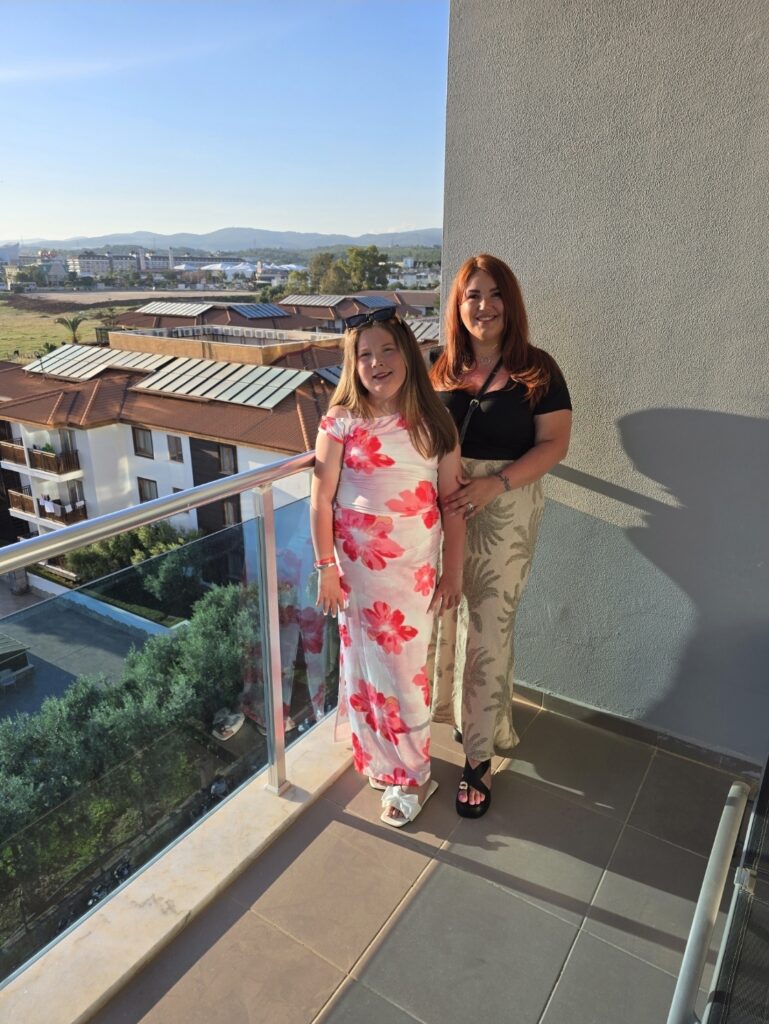
Her mum, Pamela Ferrie, said: “Alyssa had open-heart surgery three years ago and she ended up in hospital for five weeks afterwards.
“She was in intensive care for three and a half weeks, and in an induced coma for two weeks with two collapsed lungs and sepsis.
“This had led to Alyssa having lots of anxiety so when we heard she needed surgery again we were obviously very worried. I think we’ve got a bit of PTSD from the last open-heart surgery.
“So to find out we had the option of this new procedure, which is much less invasive, was just amazing. It has helped massively not just with her physical recovery but also mentally.”
When the family learned Alyssa could be considered for Scotland’s first paediatric VenusP valve procedure, they were initially apprehensive but reassured by the clinical team’s experience and the evidence behind the technology.
Pamela added: “The cardiac nurses gave me information about it and explained it had never been done on a child before or anyone in Scotland.
“I was worried that it hadn’t been done before, but they gave me a lot of reassurance that it had been through a lot of trials. I knew it would be safer than open-heart surgery.”
And Pamela explained the difference in Alyssa’s recovery was immediate.
She said: “She was home within two days. Even when she woke up after the procedure she was mobile straight away. It was a complete game changer, to be honest.
“She was out playing the week after her surgery, back out with her friends.
“She started high school this month. That had been a worry of ours – if she’d had open-heart surgery she probably wouldn’t have been able to start high school at the same time as all of her friends.
“It’s been completely different from the last time round.
“With her heart conditions, it comes with a lot of anxiety, but she’s getting there.”
The procedure represents an important advance for children born with congenital heart conditions who may require multiple interventions during childhood and adulthood.
By offering a less invasive alternative to repeat open-heart surgeries for suitable patients, clinicians can reduce the physical and emotional impact of treatment while helping young people return to normal activities sooner.
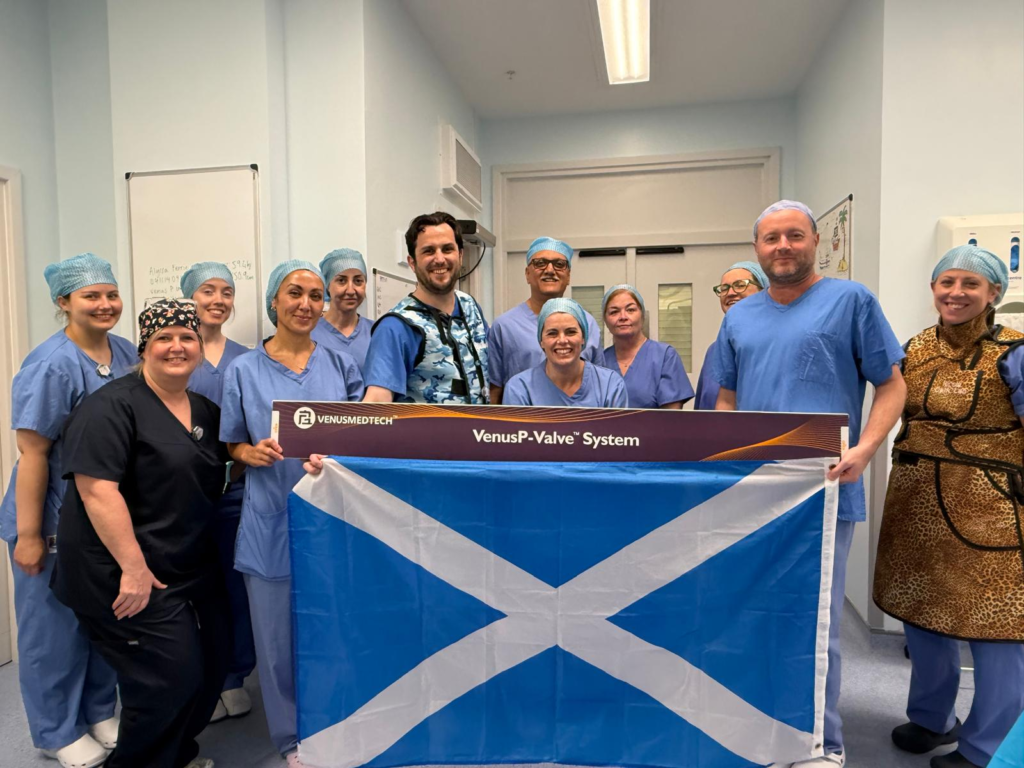
Dr Mohammad Ryan Abumehdi, Consultant Interventional Paediatric and Congenital Cardiologist for NHS Greater Glasgow and Clyde at the Royal Hospital for Children, said: “The introduction of self-expanding pulmonary valve technology is a significant step forward for children and young people with congenital heart disease in Scotland.
“For carefully selected patients, this procedure allows us to replace a failing pulmonary valve without the need for an open-heart operation. That can mean a much shorter hospital stay, a faster recovery and less disruption to family life.
“We’re delighted that Alyssa and Mason have both done so well following their procedures and are proud to have introduced this innovative treatment at the Royal Hospital for Children.”
Jamie Redfern, Director of the Royal Hospital for Children, added: “This milestone demonstrates our commitment to bringing the latest evidence-based treatments to children and young people across Scotland.
“By introducing new minimally invasive technologies, we can improve patients’ experiences while reducing the need for major surgery and lengthy hospital admissions.”