The Neonatal Unit at the Royal Hospital for Children (RHC), Glasgow has launched a new Hospital at Home service to allow newborn babies with jaundice to receive treatment safely and comfortably in their own homes.
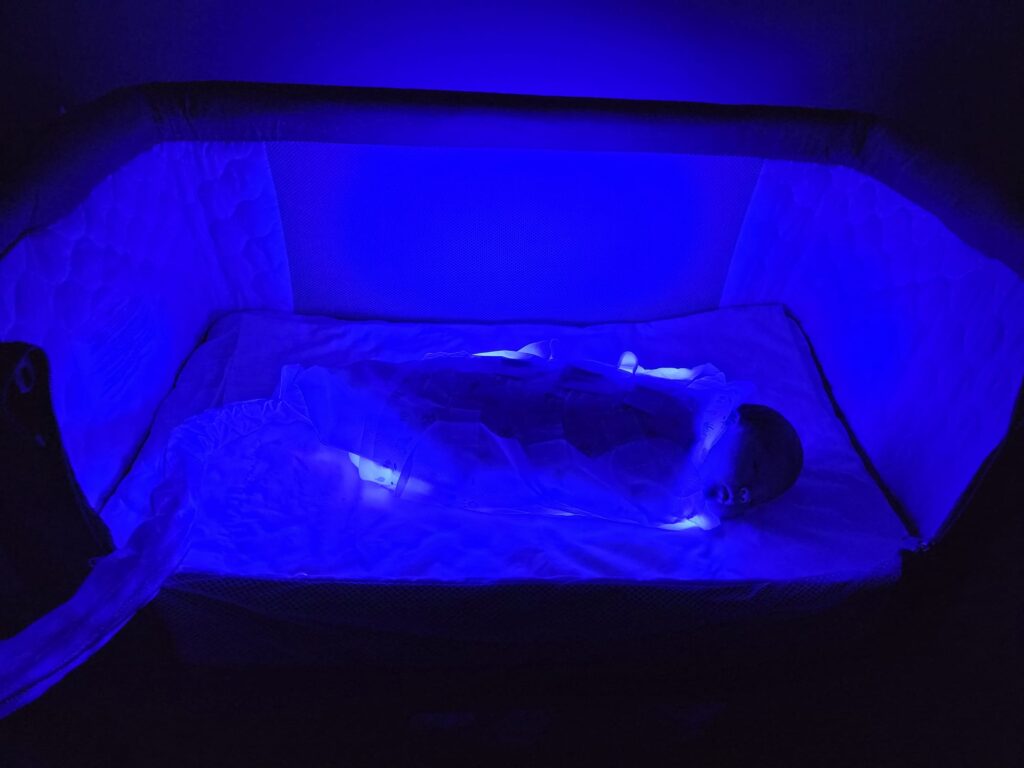
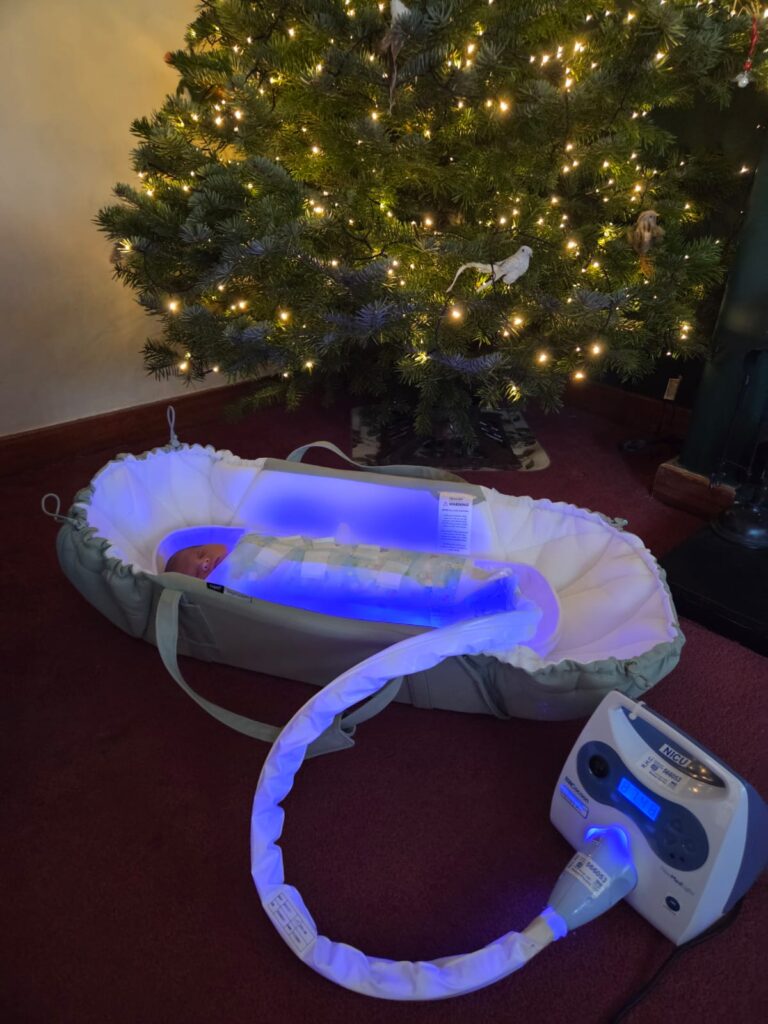
Through the new service, babies who meet the clinical criteria can now receive phototherapy at home using a specialised sleeping‑bag‑style garment that emits therapeutic light. Babies can be breastfed while wearing the device, enabling treatment to fit seamlessly around daily routines.
A Neonatal Senior Nurse visits each family at home every day to check bilirubin levels, assess progress, and determine whether treatment should continue. Someone is then contactable via phone if the families have any questions.
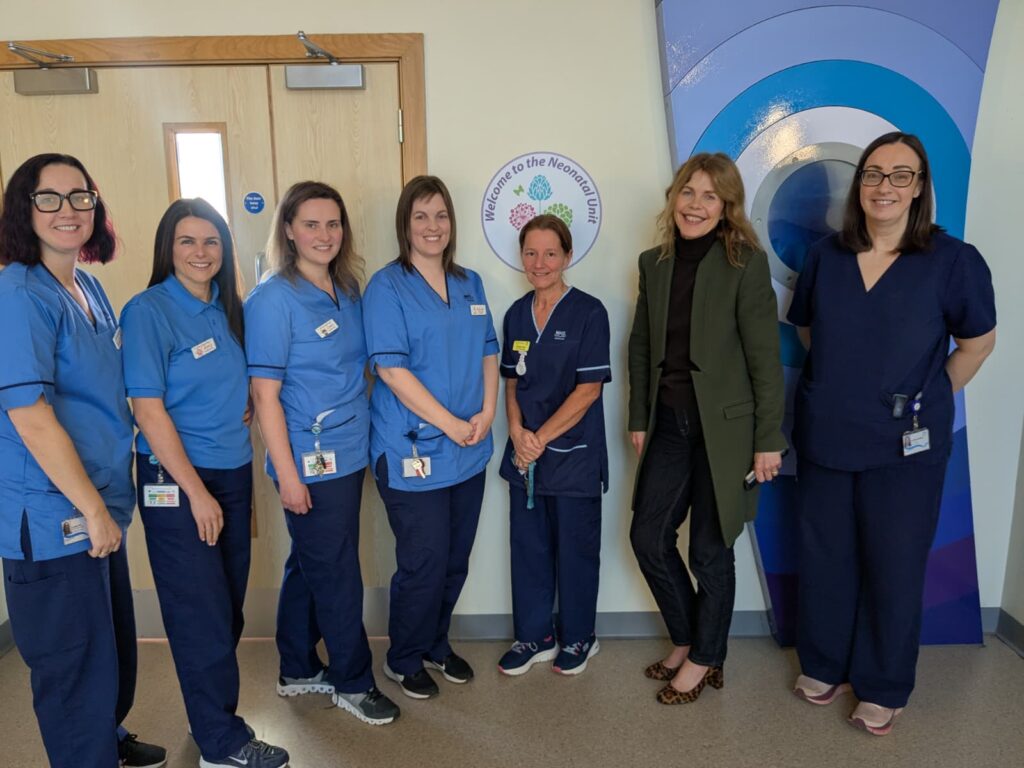
NHSGGC Neonatal Hospital at Home Senior Charge Nurse, Sandra Lowis who was part of this programme at pilot stage and imperative to driving the service forward explained:
“We give the babies the care they need and we’re there for the parents too. Bringing a new baby home can be overwhelming and so we’re also there for emotional support and reassurance for parents who are using the equipment at home.”
Sandra is part of a new, dedicated team, comprising four Neonatal Hospital at Home Senior Nurses, four Consultants and a Service Improvement Manager.
The service began work on the 24th of November 2025. Since then, 40 babies have received jaundice treatment at home (as at 8th Jan 2026), keeping families together and avoiding unnecessary hospital stays.
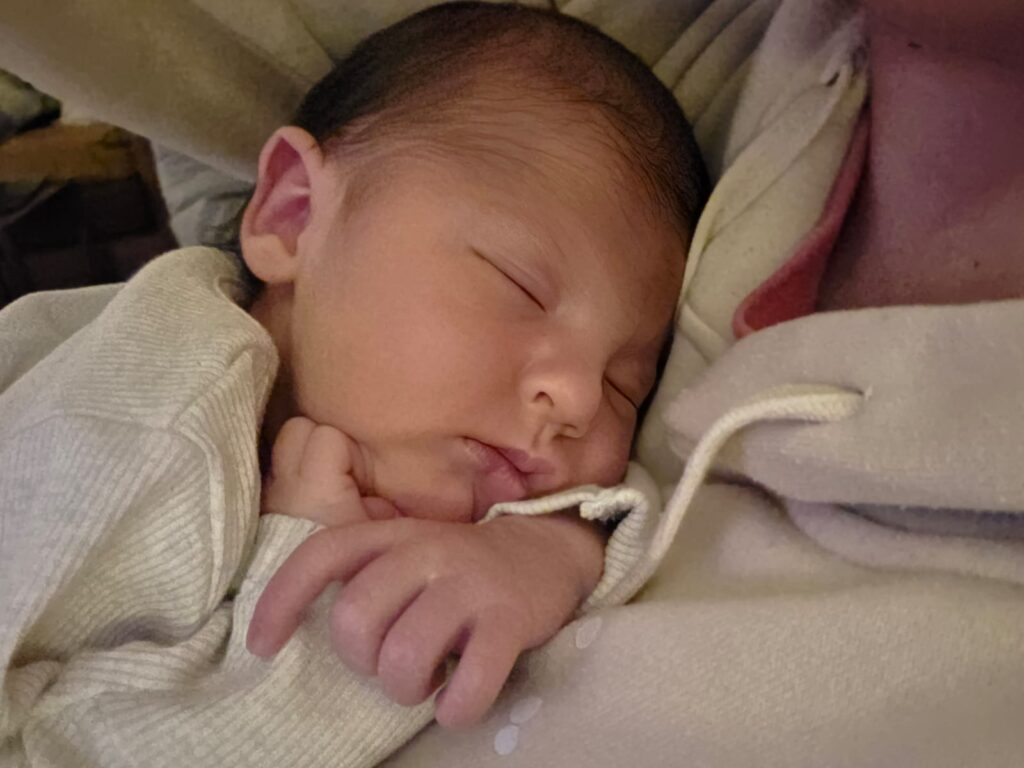
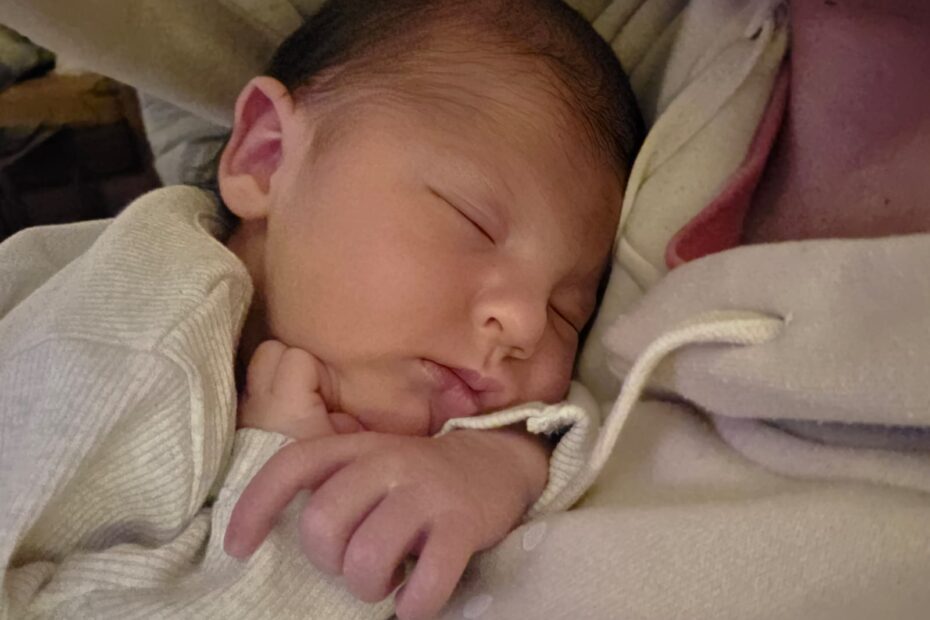
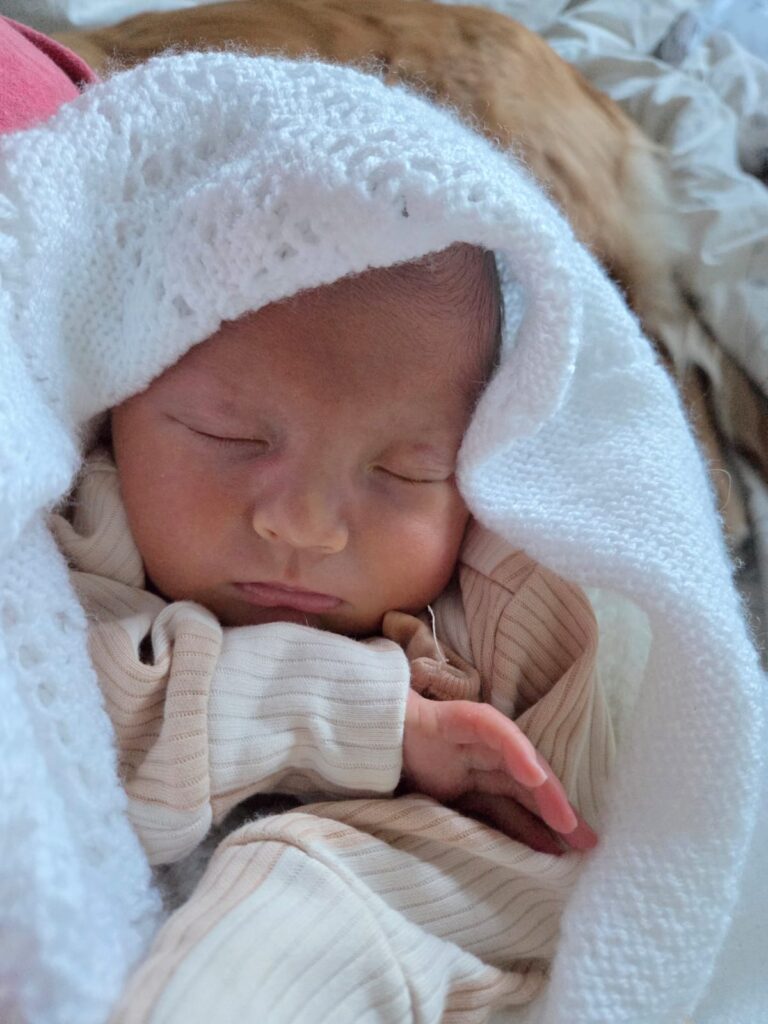
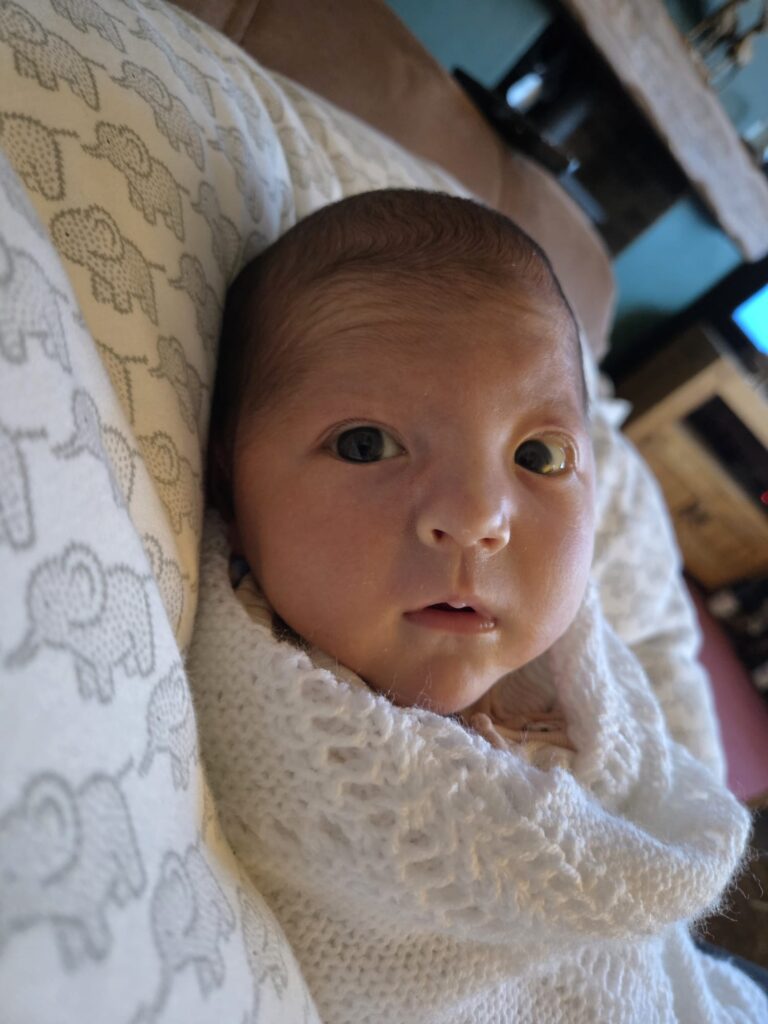
Baby Cora, who arrived three weeks early on Christmas Eve, benefited hugely from the service. Her mum, Alicia Hardie from Kilbarchan, said:
“I gave birth at the Royal Alexandra Hospital and had lost a lot of blood, so I needed to stay in for a few days afterwards. We were all packed up and ready to go home when Cora’s blood test showed she needed light therapy for jaundice. At that point, we didn’t know the Hospital at Home service existed, so we stayed in for another few days.
“We finally got home on the 30th of December, but at Cora’s next blood test her jaundice levels were still high, and she needed the lights again, so back to hospital we went. It was during that stay that the team told us about the Hospital at Home equipment. Within two hours of learning about it, Senior Nurse Kerry was giving us everything we needed.
“After an early birth and the back and forth for blood tests, it was exactly what we needed. We could finally relax at home and start our new life together. Kerry was so supportive, and the equipment was incredibly easy to use. After just two days using the suit at home, Cora passed her blood test and she’s doing brilliantly now.”
This service forms a key element of NHS Greater Glasgow and Clyde’s (NHSGGC) Virtual Hospital model and contributes to the Board’s Transforming Together programme, which focuses on delivering more care closer to home and reducing time spent in hospital where safe and appropriate.
Neonatal jaundice affects around six in ten newborns and often requires several days of phototherapy treatment. Traditionally, this results in mothers and their babies returning to hospital shortly after birth, which can be distressing and disruptive for families.
The programme was designed and developed by the RHC Neonatal team following a highly successful three‑month pilot in 2024. The team presented its positive results and has since helped embed this service as part of NHSGGC’s wider approach to virtual care.
By bringing hospital‑level monitoring and treatment into the home, the service is already enhancing family experience, improving comfort and reducing the need for readmission.
“Hospital at Home also helps us treat babies who may develop jaundice symptoms around 72 hours after birth as this can happen often. If a mum and baby have already gone home, they would traditionally need to return for a hospital stay. This can be upsetting when families have just begun settling into life at home,” said NHSGGC Neonatal Hospital at Home Senior Nurse, Kayleigh Cunningham.
“Not only is Hospital at Home good for the parents and babies, but it is great for us too. We’re all absolutely loving our new roles. It is lovely to go into someone’s home environment and, if they have other children, meet them. It is great to see families connected and it feels good to know we’re playing a part in keeping them together,” said NHSGGC Neonatal Hospital at Home Senior Nurse, Lynsey Hill.
NHSGGC community midwives will continue to screen for jaundice during routine home visits, ensuring eligible babies can be referred swiftly to the new service.
The Neonatal Hospital at Home project received over £38,000 in additional funding for bilicocoon equipment, furniture, and IT resources. This funding was provided by Hi Scotland, the innovation arm of the Glasgow Children’s Hospital Charity group, alongside the NICU Fund held by the charity. This builds on funding awarded in 2023 for bilicocoons within the neonatal unit, supporting parents to bond with their babies during jaundice treatment. Together, this funding reflects the charity’s continued commitment to innovative care for Scotland’s smallest patients.