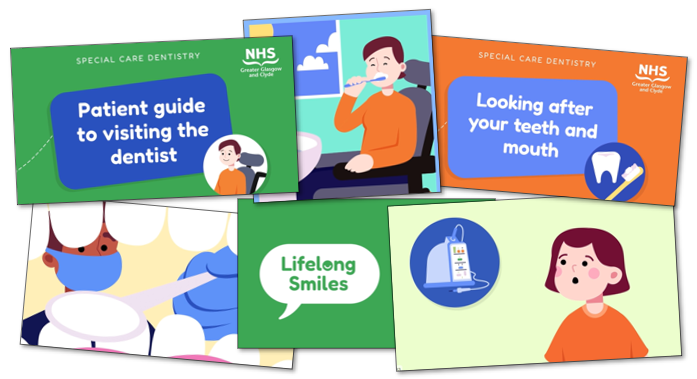
NHS Greater Glasgow and Clyde (NHSGGC) has created a series of videos to help ease any anxiety patients might feel when they visit the dentist.
They take patients and their carers and families through the stages of visiting the dentist, from getting to an appointment and what to expect when you get there, to X-rays and alternatives to a general anaesthetic.
The videos use accessible graphics and language catering for a range of demographics and, as well as being for adults, a range of videos have been created especially for children to help them understand what a visit to the dentist is like.
The videos have been created as part of NHSGGC’s Lifelong Smiles programme, an initiative launched in 2024 to improve patient attendance at dental service appointments and increase the number of patients opting for alternatives to general anaesthesia.
The programme is a collaboration between the Public Dental Service, Children and Families and Oral Health Improvement Teams and aims to enhance both patient and staff experiences while reducing appointment waiting times.
Debbie Pitts, Assistant Clinical Director for paediatrics at NHSGGC’s Oral Health Directorate, said: “Communicating effectively with patients and the public about the services we provide is essential across NHS Greater Glasgow and Clyde, but it is a fact that, for some people, a visit to the dentist can be a source of particular anxiety.
“This may lead to non-attendance at appointments, as a result of a lack of understanding of the treatment required, options available, and what to expect.
“The extraction of teeth under general anaesthetic due to tooth decay remains the most common surgical procedure for a child admitted to hospital. Improved engagement with families through Lifelong Smiles helps support prevention and improved awareness.
“Ensuring patients and families are better informed was one of the key objectives for the Lifelong Smiles programme, and these videos are a particularly useful way to provide accessible information in a way that both educates and reassures.”
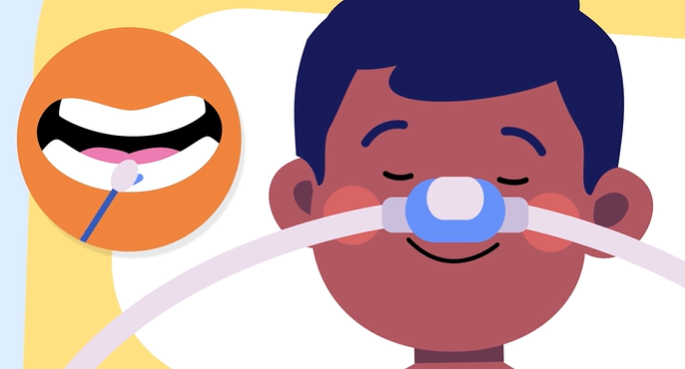
As well as looking at everyday aspects of visiting a dentist, a number of videos also focus on alternative treatments such as the Anaesthetic Wand and Inhalation Sedation, which are useful different options to general anaesthetic, particularly in younger patients.
Debbie Pitts added: “Our teams work hard to explain the value of the treatment options available to patients and families, and the benefits of more traditional treatment methods.
“We often signpost new patients and families to these videos to help them prepare for their dental treatment, and they are already proving to be a very effective and popular resource, increasing knowledge of what lies ahead, reducing anxiety and, in turn, lowering non-attendance at appointments.
“We would like to thank everyone involved in their production, and we would encourage anyone who is about to undergo treatment, or who experiences any anxiety about a visit to the dentist, to watch them.”
To watch the videos, click here: Lifelong Smiles
For more about NHSGGC’s dental services, go to: Dentist – NHSGGC
For more about Primary Care services – the front door to healthcare across NHSGGC – go to: Primary Care – NHSGGC