NHS Great Glasgow and Clyde is marking an international epilepsy awareness day by holding a celebration and information event next week.
Purple Day is an international event to get people talking about epilepsy, to dispel myths and to inform those living with seizures that they are not alone.
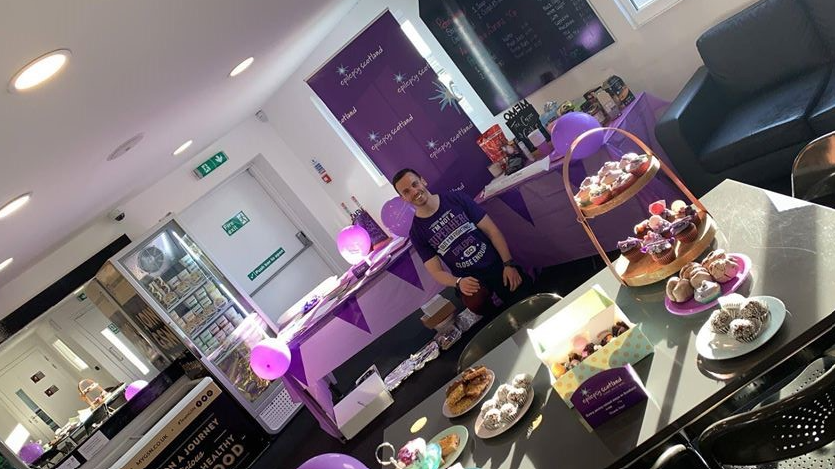
This year it will be held on Thursday 26th March, and to mark the occasion NHSGGC’s Epilepsy Team will set up shop in Outpatients Reception of the Neurology Block, Queen Elizabeth University Hospital, from 9am -1pm.
The event will feature a range of activities, including:
- Information for patients and carers so they can learn more about epilepsy, seizure management, and the available support.
- Support with seizure first aid: What to do – and what not to do – if someone has a seizure.
- Help with rescue medication: Clear information with interactive demonstrations.
- Education and support for staff: Practical guidance to support safe, confident care.
Jade Walker, Neurology Clinical Educator atNHSGGC, said: “Purple Day is an important date in the calendar for our Epilepsy Teams. It is an opportunity to share information, to increase understanding of epilepsy, and to help reduce stigma and misconceptions.
“But, at its heart, it is also an opportunity to show people and families living with epilepsy that, by coming together around the world on a single day, they are not alone, and that support is out there.
“If you or a loved one are affected by epilepsy, why not pop along on the 26th – you will be most welcome. And we would remind everyone across NHSGGC to remember to wear purple in a show of solidarity.”
Lesslie Young, Chief Executive of Epilepsy Scotland which is supporting next week’s event, said: “Despite being one of the most common neurological conditions in Scotland, epilepsy is still widely misunderstood. That’s why partnerships like this one matter so much.
“When clinical teams and organisations like ours stand together on Purple Day, we can reach people who might not otherwise know where to turn.”
The idea for Purple Day came in 2008 from Cassidy Megan, a young patient from Canada who was motivated by her own struggles with epilepsy.
The local epilepsy association came on board that year and Purple Day was launched. It became an international event the following year, and right from the start Cassidy’s goal as been to get people talking about epilepsy, to dispel myths and to inform those with seizures that they are not alone.
For more information about epilepsy and the support available, for NHS Inform or Epilepsy Scotland.
For more about Purple Day, go to purpleday.org.