NHS Greater Glasgow and Clyde (NHSGGC) and Glasgow Life will host a major event next week to showcase how arts and culture are transforming health and wellbeing.
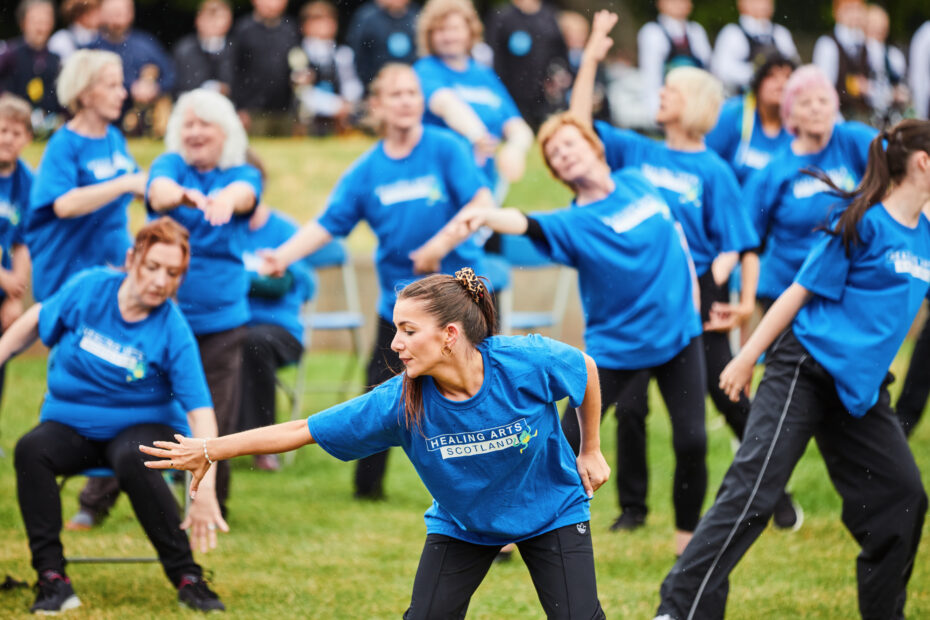
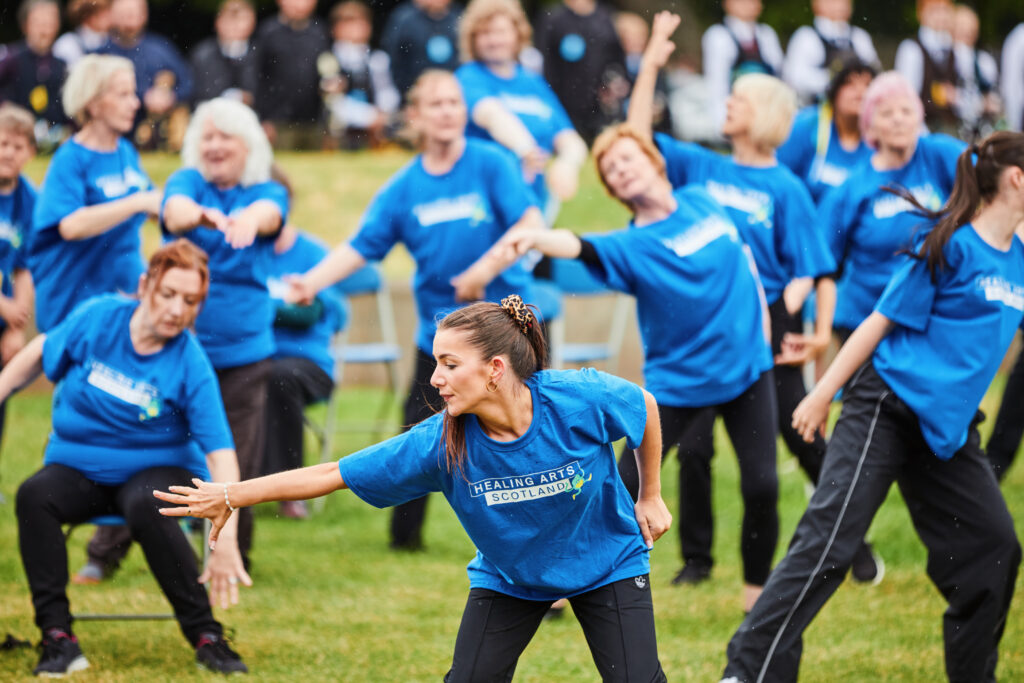
Taking place on Friday 19 June at the Glasgow Fruitmarket, the Healing Arts Scotland Glasgow Day forms part of Healing Arts Scotland Week 2026 and is delivered in partnership with Scottish Ballet, The Health and Social Care Alliance, Voluntary Health Scotland, Scottish Opera and others.
The event will bring together healthcare professionals, artists and creative practitioners to demonstrate how creative approaches are being embedded in healthcare to support person-centred care, improve patient experience and enhance choice in line with Realistic Medicine.
Through a programme of discussion, collaboration and live performance, the day will highlight the growing role of the arts in supporting mental health, tackling social isolation and strengthening community resilience.
Across NHSGGC, arts and health initiatives are increasingly part of everyday services, supporting patients, staff and communities through creative programmes that complement clinical care and improve experiences of healthcare.
The Glasgow Day will also bring together national and international leaders to share learning and explore how creative approaches can support better health outcomes.
Speakers include Scotland’s Chief Medical Officer, Professor Sir Gregor Smith, alongside experts from health, policy and the creative industries.
Jackie Sands, Health Improvement Senior, Arts and Health, NHSGGC, said:
“The arts have a powerful role to play in how we support health and wellbeing across our communities. Through Healing Arts Scotland, we are working with partners to demonstrate how creativity can be integrated into everyday healthcare, supporting Realistic Medicine and improving outcomes for people in a more holistic, person-centred way.
“Glasgow has a strong tradition of collaboration between health and culture, and this event is an opportunity to bring that to life, sharing learning, building partnerships and inspiring new ways of working that benefit patients, staff and communities alike.”
Dr Jude Marshall, Realistic Medicine, NHSGGC, said:
“Realistic Medicine is about delivering care that is personalised, compassionate and focused on what matters most to people. Arts and creative approaches can play an important role in supporting wellbeing, improving experiences of care and enabling more meaningful conversations between patients and professionals.
“Events like Healing Arts Scotland help to highlight the value of looking beyond traditional clinical interventions and embracing approaches that support the whole person.”
Katie Duffy, Head of Arts and Music at Glasgow Life, said:
“Creative Health is central to Glasgow Life’s work, and we are proud to partner with NHSGGC to showcase the role that arts and culture can play in improving health and wellbeing.
“By bringing together artists, healthcare professionals and communities, this event demonstrates how creative approaches can help tackle inequalities, strengthen connections and support healthier, more resilient communities across Glasgow.”
Scotland has emerged as a leading voice in the global creative health movement, helping to shape thinking and practice across the UK and beyond. Through Healing Arts, Scotland has demonstrated how creativity can be embedded within health and care systems and positioned as positive health behaviour alongside exercise, sleep and good nutrition.
Nicola Benedetti, who was recently appointed the first Global Ambassador for Healing Arts, said:
“Through my work with the Edinburgh International Festival, I see every day the profound role that artistic experiences can play in bringing people together, opening space for reflection and fostering a sense of belonging. To contribute to this global ‘Healing Arts’ conversation is a responsibility we all share, to ensure that creativity in all its forms, is recognised as an essential part of a healthier, more connected society.”
As access to arts and culture is recognised internationally as a human right, ensuring everyone can participate is both a cultural and public health priority. Evidence shows that engagement in the arts improves health outcomes across all communities, regardless of socioeconomic status.
Expanding equitable access to creative opportunities therefore has a vital role to play in reducing health inequalities and improving population health.