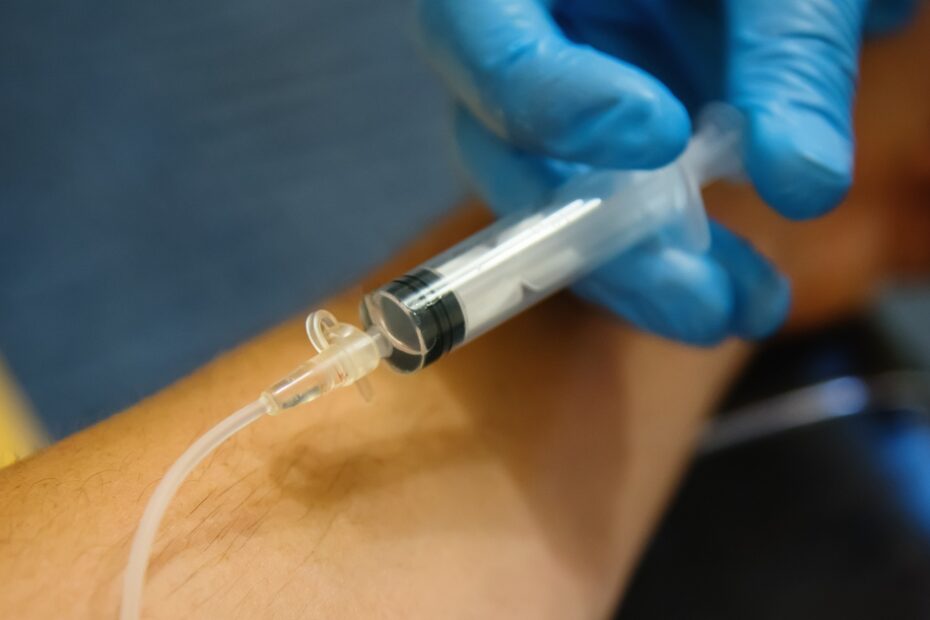
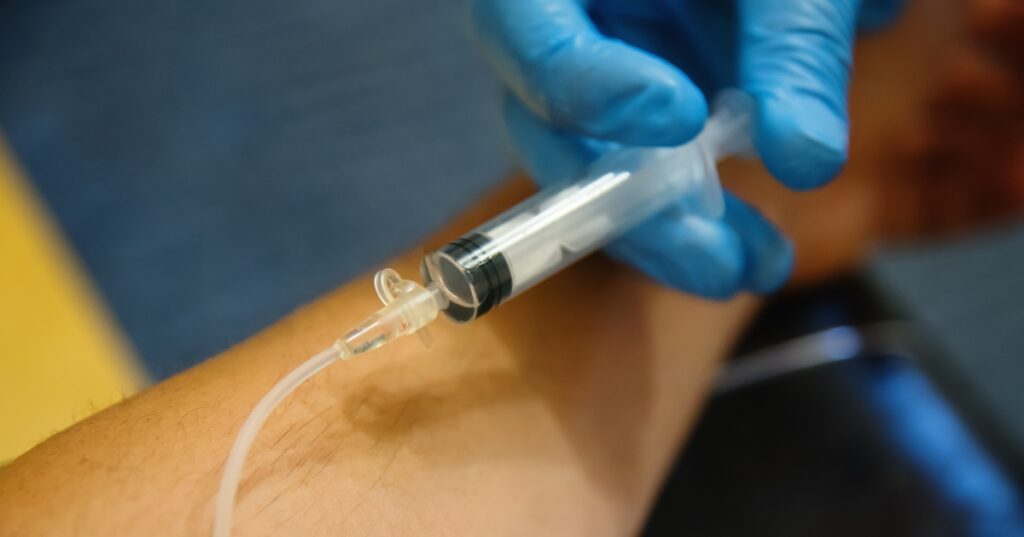
Outpatient Parenteral Antibiotic Therapy (OPAT) is now firmly established at the Medical Assessment Unit (MAU) within the Vale of Leven Hospital (VoLH), offering patients access to specialist intravenous antibiotic treatment without the need for inpatient admission.
The service is delivered in collaboration with the Infectious Diseases team at the Queen Elizabeth University Hospital (QEUH), where OPAT has been successfully run for around 25 years. By expanding the model into the VoLH, more patients can now receive the same high quality care closer to home.
This development enables people with conditions such as cellulitis and urinary tract infections, who require intravenous antibiotics but are otherwise stable, to attend the MAU daily for treatment. It provides a safe alternative to hospital admission, easing pressure on inpatient services while supporting patient wellbeing.
A recent patient who received OPAT treatment at the VoLH MAU shared powerful feedback about their experience, praising the team for the outstanding care they received. They shared their feedback via Care Opinion and wished to remain anonymous.
They described feeling listened to, supported and safe throughout their treatment: “I can’t thank the incredible staff enough. The doctors and nurses went above and beyond, explaining everything so clearly. I felt seen, understood and heard the whole time I was there.”
Over the course of multiple visits to the unit, they noted the consistently warm welcome from staff, from reception through to the clinical team: “Every time I walked in, I was greeted with a smile. My observations were checked at every visit, and I was always reminded that I could return at any time if anything changed. There’s always a safety net; you’re never just in and out.”
They also highlighted how significant it was to receive treatment while remaining at home: “Being able to have my own bed, be in my own environment and come home between treatments made such a difference. For me, it was game changing, especially for my mental health.
“The fact it’s now available at the Vale is brilliant. If you’re ever offered OPAT, please consider it. It’s an incredible service with an incredible team.”
The patient also praised the dedication and professionalism of the wider MAU team, describing the staff as “wonderful,” “hard working,” and “inspiring.”
Fiona Ross, Speciality Doctor at VoLH, explained the value of the service: “For more mobile and well patients, it means they don’t have to stay in hospital 24/7. This means it interferes less with their daily lives, and some can even continue working. It also reduces their risk of developing hospital acquired infections and maximises their independence.”
Avoiding unnecessary admission is particularly important for people at higher risk of deconditioning, where muscle strength, mobility, and independence can deteriorate even during short hospital stays.
Fiona added: “If we encourage their independence by having them lead their normal lives, we try to keep people as independent and strong as possible in the longer term.”
Iona Scott, Interim Clyde Sector Director, said: “By providing safe, specialist treatment closer to home, we’re not only reducing the need for hospital admission but also supporting people to maintain their independence and wellbeing.
“The feedback we’re already seeing from patients shows just how much this service is valued, and it’s a testament to the skill and compassion of the teams delivering it.”
The introduction of OPAT at VoLH strengthens the hospital’s capacity to offer safe, community centred care that helps patients maintain independence, reduces hospital stays, and improves overall experience.
With highly skilled staff, strong collaboration with specialist teams, and increasing patient satisfaction, the OPAT service is quickly becoming a valued asset for the communities served by the VoLH.