
A man who received a pioneering treatment that uses a patient’s own immune cells to fight blood cancer says it has given him a “second chance at life”.
Adam Nicolson, 57, underwent CAR-T cell therapy at the Queen Elizabeth University Hospital in Glasgow after his myeloma stopped responding to conventional treatments.
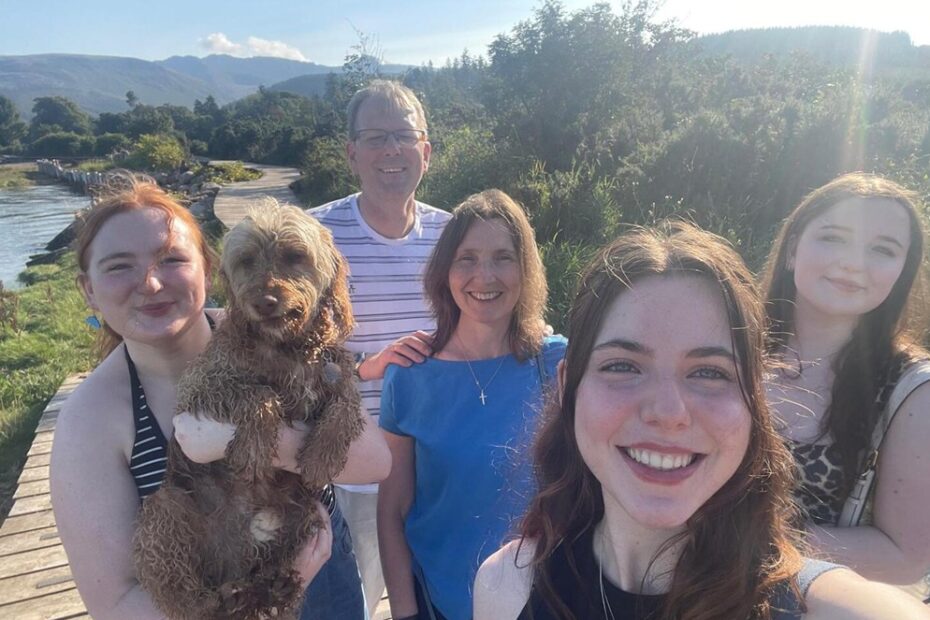
Today, he is in remission and enjoying time with his family – something he once feared might not be possible.
It comes as clinicians and researchers at NHS Greater Glasgow and Clyde explore how the approach could also be used to help people living with severe autoimmune conditions such as lupus, systemic sclerosis and inflammatory muscle diseases.
CAR-T, or Chimeric Antigen Receptor T-cell therapy, is one of the most advanced forms of personalised medicine currently available.
The treatment works by collecting a patient’s own immune cells, modifying them in a specialist laboratory so they can recognise and attack disease, and then returning them to the body. Once infused, the cells can multiply and continue targeting harmful cells.
Over 130 blood cancer patients have been treated with licensed CAR-T therapy at the QEUH since 2019, with Adam being the first and only person in Scotland to have had it for myeloma.
Adam, from Stirling, said: “When I was offered CAR-T therapy, it felt like a lifeline.
“I’d already been through so many different treatments including four chemotherapies, eight radiotherapies and a stem cell transplant – and knew my options were becoming more limited.
“Every treatment seemed to work for a while, then the myeloma would come back and each time it returned, it felt harder than the last for me and my whole family.
“There was a point when my consultant sat me down to say I might not see out the year. My body was failing and we had run out of options.
“But then the CAR-T clinical trial was offered, giving me hope when I really needed it. Then to be told I was in remission was incredible. The treatment has given me a second chance at life.
“It hasn’t repaired all the damage caused by cancer but it has given me a quality of life I could only have dreamed of.
“It’s allowed me to spend more time with my family, make plans for the future and get back to doing the things I enjoy.”
Now NHSGGC clinicians and researchers are building on the success of the therapy in treating blood cancers by investigating whether it could also transform care for those with autoimmune conditions.
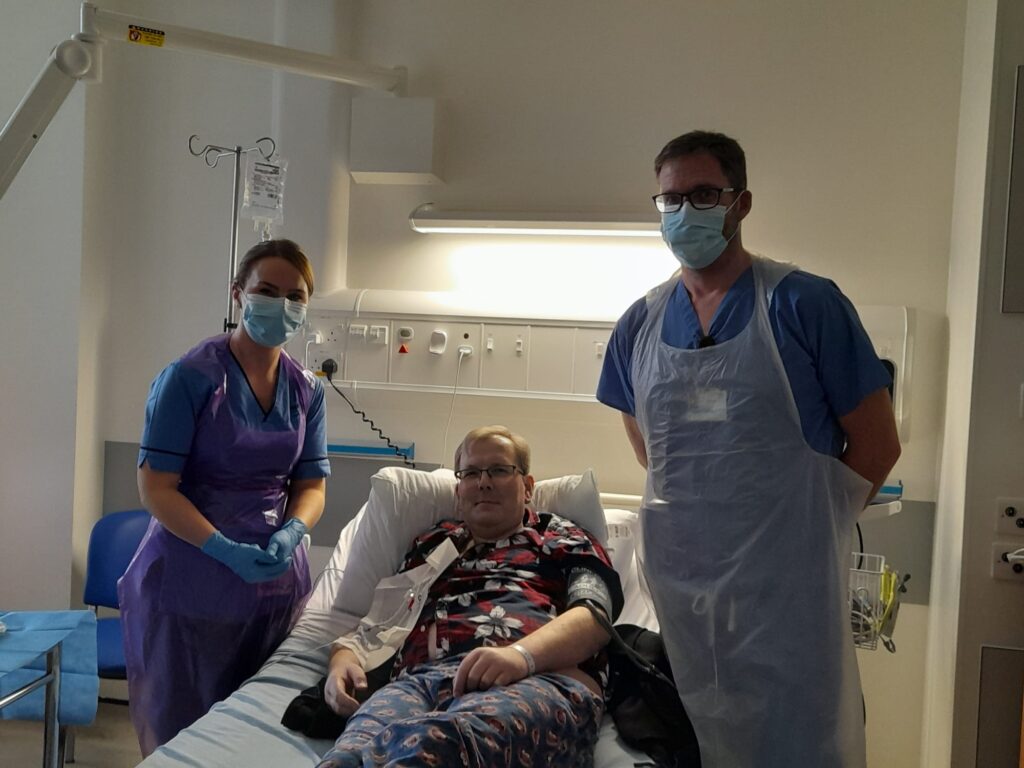
Dr David Irvine, Consultant Haematologist and Cell Therapy Specialist at the QEUH, said: “CAR-T therapy has already transformed outcomes for many patients with blood cancers, including people whose disease has returned despite multiple previous treatments.
“What makes this particularly exciting is that we’re now beginning to understand how the same treatment could be used in a completely different way to help people living with severe autoimmune diseases.”
In autoimmune conditions, the body’s immune system mistakenly attacks its own healthy tissues, leading to chronic illness, pain, inflammation and, in some cases, permanent organ damage.
Researchers believe CAR-T therapy may be able to remove the abnormal immune cells driving that damage, allowing the immune system to effectively rebuild itself.
Dr Irvine explained: “The concept is often described as an immune reset.
“Many autoimmune diseases are driven by abnormal B cells, which produce harmful antibodies and contribute to inflammation. CAR-T therapy can target and remove those cells much more thoroughly than existing treatments.
“Early studies have shown highly encouraging results in conditions such as lupus and other autoimmune conditions, with some patients experiencing prolonged periods of remission and significant reductions in the need for ongoing medication.”
International studies have also shown promise in people living with systemic sclerosis, a condition that can cause scarring of the skin and internal organs, and idiopathic inflammatory myopathies, a group of diseases that cause muscle weakness and inflammation.
NHSGGC is already involved in research exploring these new uses for CAR-T therapy through collaborations between specialists in haematology, rheumatology and nephrology.
Dr Irvine added: “For many patients with severe autoimmune disease, existing treatments focus on controlling symptoms and limiting damage over time.
“The possibility that CAR-T could deliver long-term remission with a single treatment is hugely exciting. While more research is needed and there are still important questions to answer, the early results suggest this could eventually become a new way of treating some of these conditions.
“Our aim is to ensure patients in Scotland have access to these innovations as the evidence continues to develop.”
For Adam, whose own experience demonstrates the life-changing impact of CAR-T therapy, the prospect of others benefiting is particularly meaningful.
He said: “If what happened to me can help researchers find new ways to treat other serious illnesses, that’s a wonderful thing.
“CAR-T has already changed my life. Hopefully it can do the same for many more people in the future.
“I feel incredibly fortunate to have been offered this new type of treatment, and my thanks go to all of the clinicians who have cared for me.”