NHS Greater Glasgow and Clyde has welcomed the findings of a Glasgow pilot exploring how free public transport could help remove barriers for people accessing healthcare and other essential services.
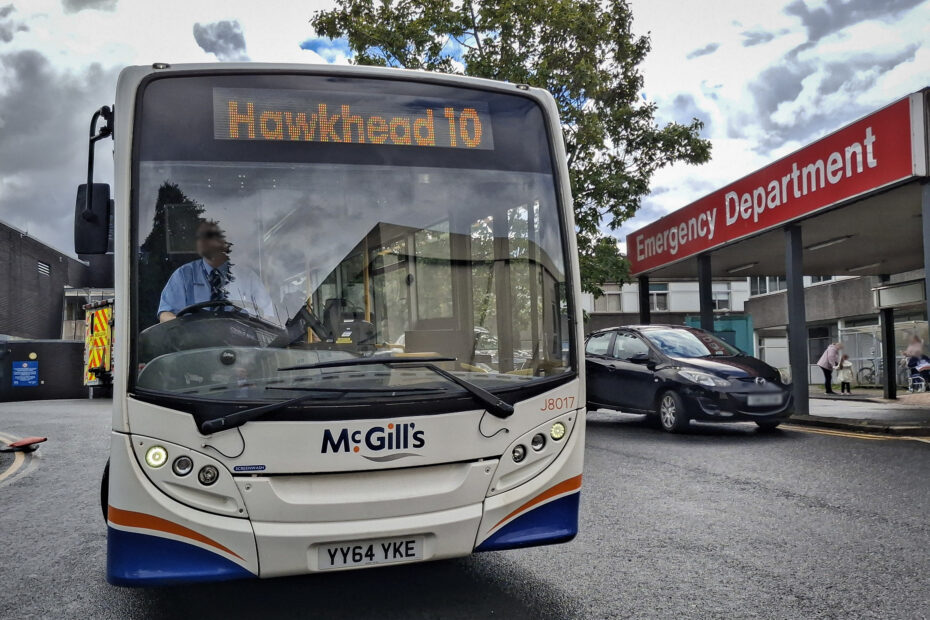
The Free Public Transport Pilot offered almost 1,000 Glasgow residents aged between 22 and 59 seven weeks of free travel by bus, ScotRail train and Subway using a ZoneCard.
Participants made more than 51,000 journeys during the pilot and an additional week of free travel, using public transport to reach healthcare, work, education and shops, manage caring responsibilities and spend time with family and friends.
Around 150 travel cards were allocated to NHSGGC, with the pilot focusing primarily on families attending paediatric services at the Royal Hospital for Children and pregnant women attending maternity services in Glasgow who faced barriers to attending healthcare appointments.
Among participants in the Pathfinder/NHS group, 87% said some or all of the barriers affecting their travel had been reduced.
NHSGGC’s involvement followed earlier work which had identified travel costs as a significant barrier for some patients, particularly those attending maternity services and other services requiring frequent appointments.
Gillian Harvey, Health Improvement Lead for Acute at NHS Greater Glasgow and Clyde, who manages the Support and Information Service and Family Support Services at the Royal Hospital for Children, said: “We know the cost of travel can be a real barrier for people, whether that’s getting to healthcare appointments and accessing support, or simply being able to get to the places that are important in their everyday lives.
“Taking part in this pilot gave us a valuable opportunity to gather important insight into the difference removing that cost can make for patients and families, and what that can tell us about some of the wider barriers people face in accessing healthcare and other services.
“This work has also shown what can be achieved through collaboration across services and organisations. We’re grateful to Glasgow City Council and all the partners involved for giving us the opportunity to contribute, and for working together to explore practical ways we can reduce inequalities and improve the lives of the communities we serve.”
NHSGGC’s involvement builds on its wider work to address the practical and social circumstances that can affect people’s health, recovery and wellbeing.
Through services including its Support and Information Service and hospital-based money advice partnerships, patients and families can access support with issues including financial pressures, benefits, housing, food and travel costs.
As one of Scotland’s largest public-sector organisations, NHSGGC recognises its role as an anchor organisation and the contribution it can make beyond the direct provision of healthcare.
By working with local authorities, transport providers and community partners across Greater Glasgow and Clyde, NHSGGC aims to help tackle inequalities and improve the health and wellbeing of the communities it serves.
The findings from the pilot will now help inform further consideration of how affordable, reliable and accessible public transport can support access to healthcare, employment, education and wider opportunities.
Cllr Angus Millar, Glasgow City Council Convener for Transport and Climate, said: “This pilot shows the difference accessible and affordable transport can make to everyday life – helping people get to work, attend appointments, stay connected and have more money left for essentials. It also encouraged people to shift their travel habits, including from car to public transport.
“Advocating for more affordable and accessible public transport is a key priority of the council and I hope that this study can help inform a wider national conversation about the potential, benefits and costs of moving towards free public transport provision on a larger scale.”
- A report on the pilot was due to go before Councillors at Glasgow City Council’s Environment, Housing, Transport and Regeneration Committee on 17 November 2026.