West Glasgow Ambulatory Care Hospital, fondly known as Yorkhill, has closed its doors for the last time and services have now relocated to existing facilities across NHS Greater Glasgow and Clyde (NHSGGC).
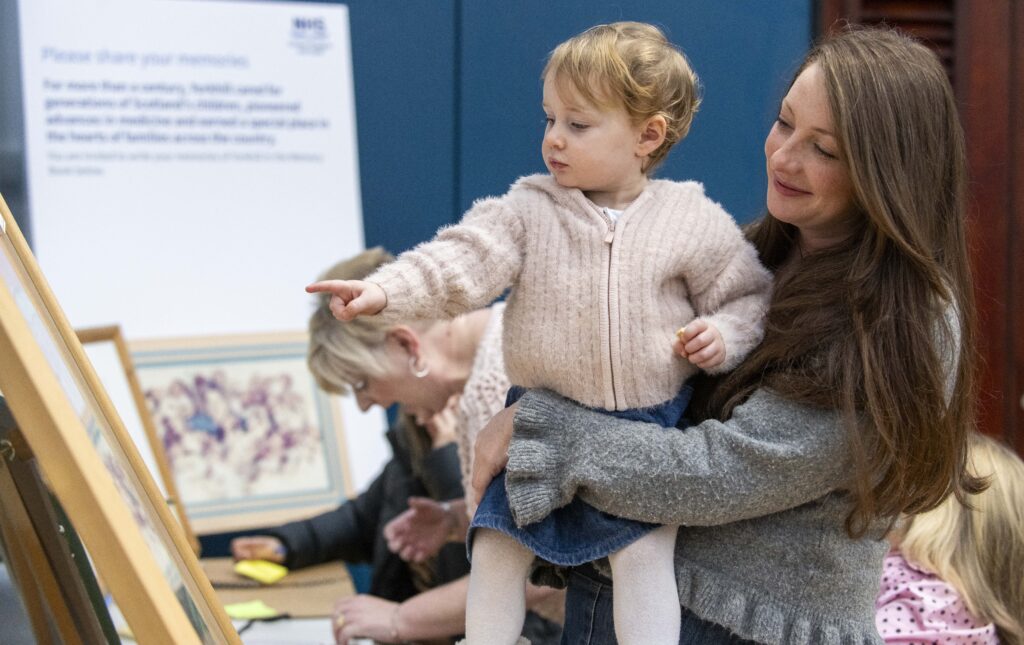
To mark the significance that the hospital brought to the people of Glasgow and across Scotland, NHSGGC hosted a community morning tea to showcase historical photographs, take guests on ‘the Yorkhill journey over the years’, and give former patients, families and staff the opportunity to meet, reminisce and reflect on their experiences.
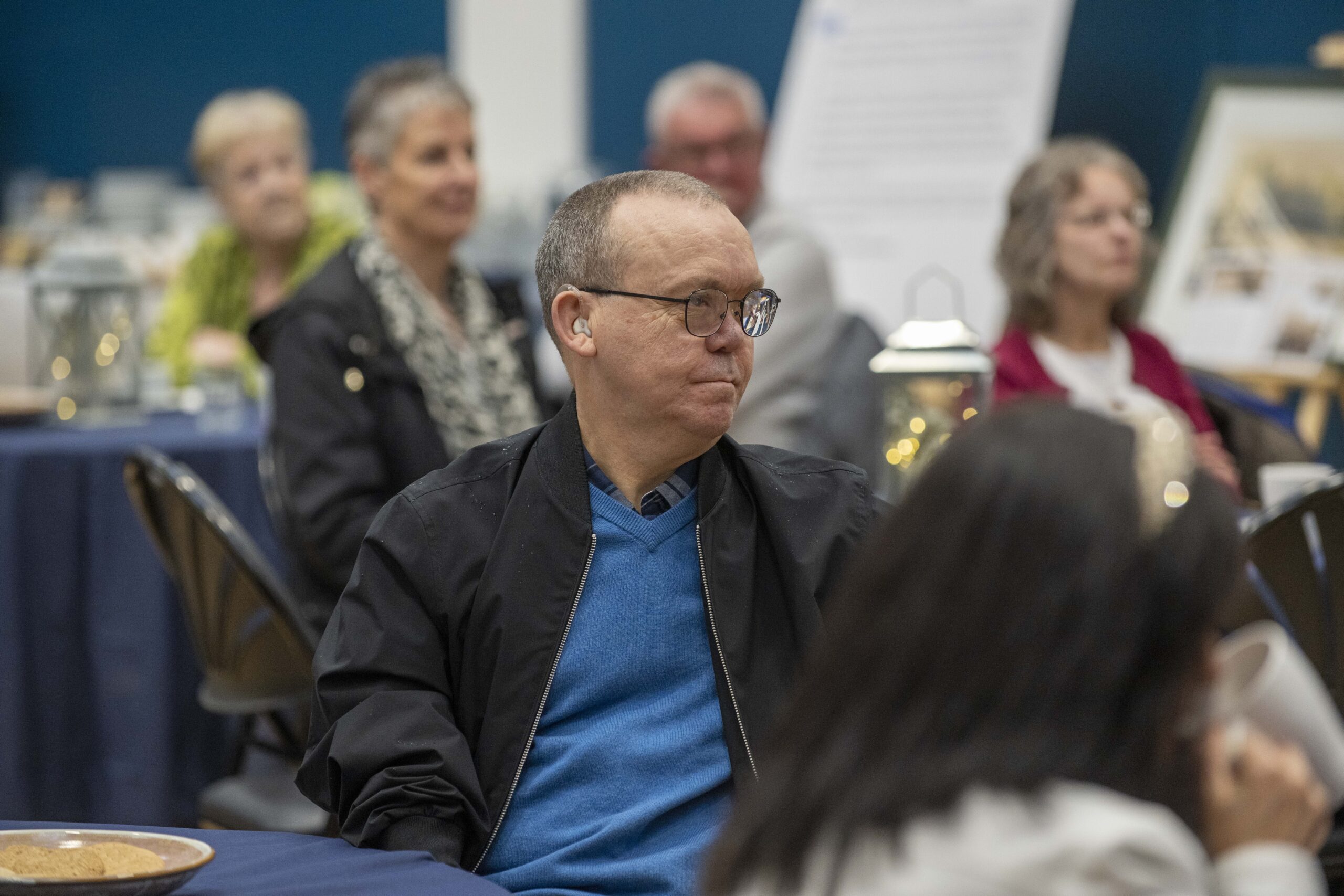
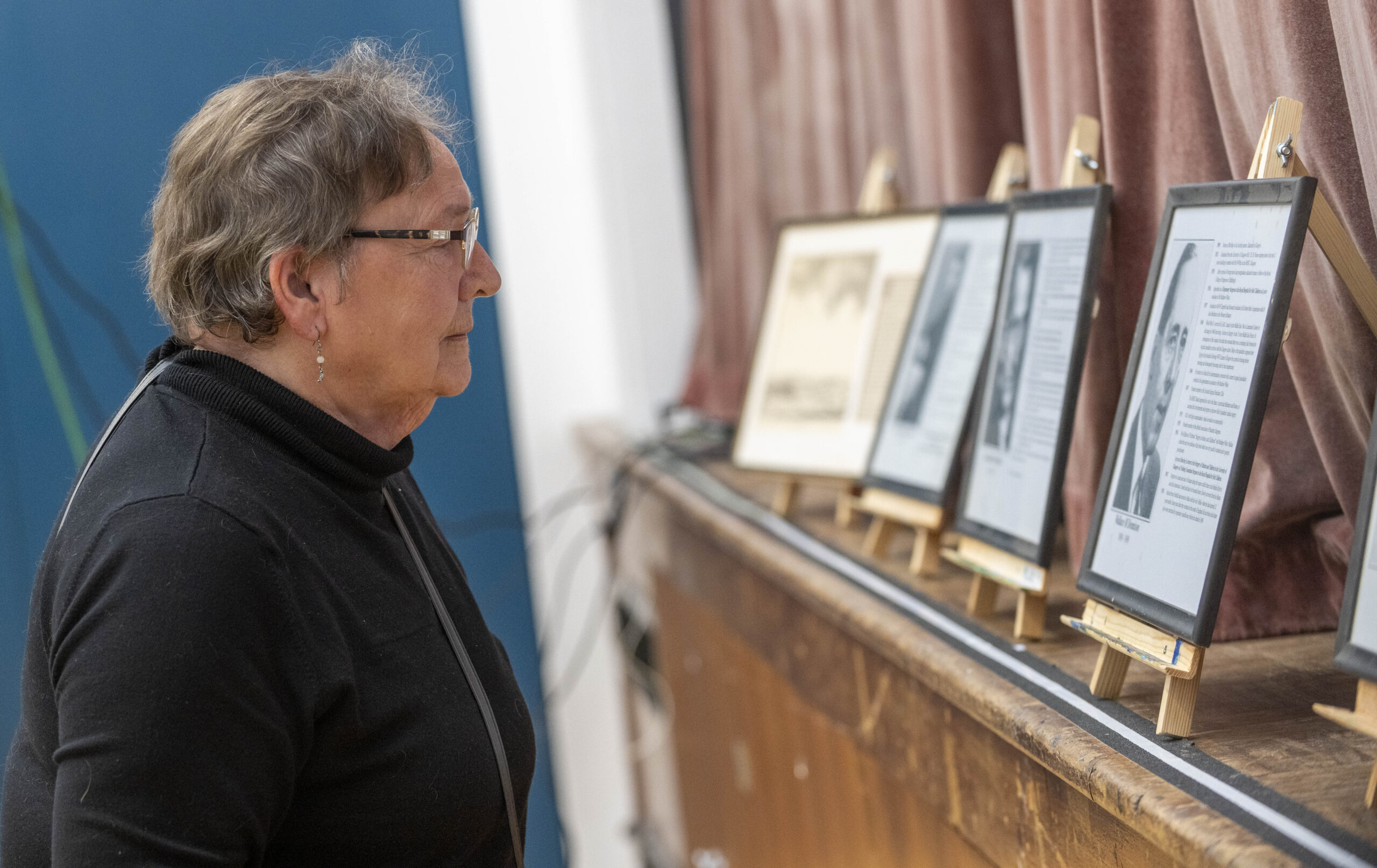
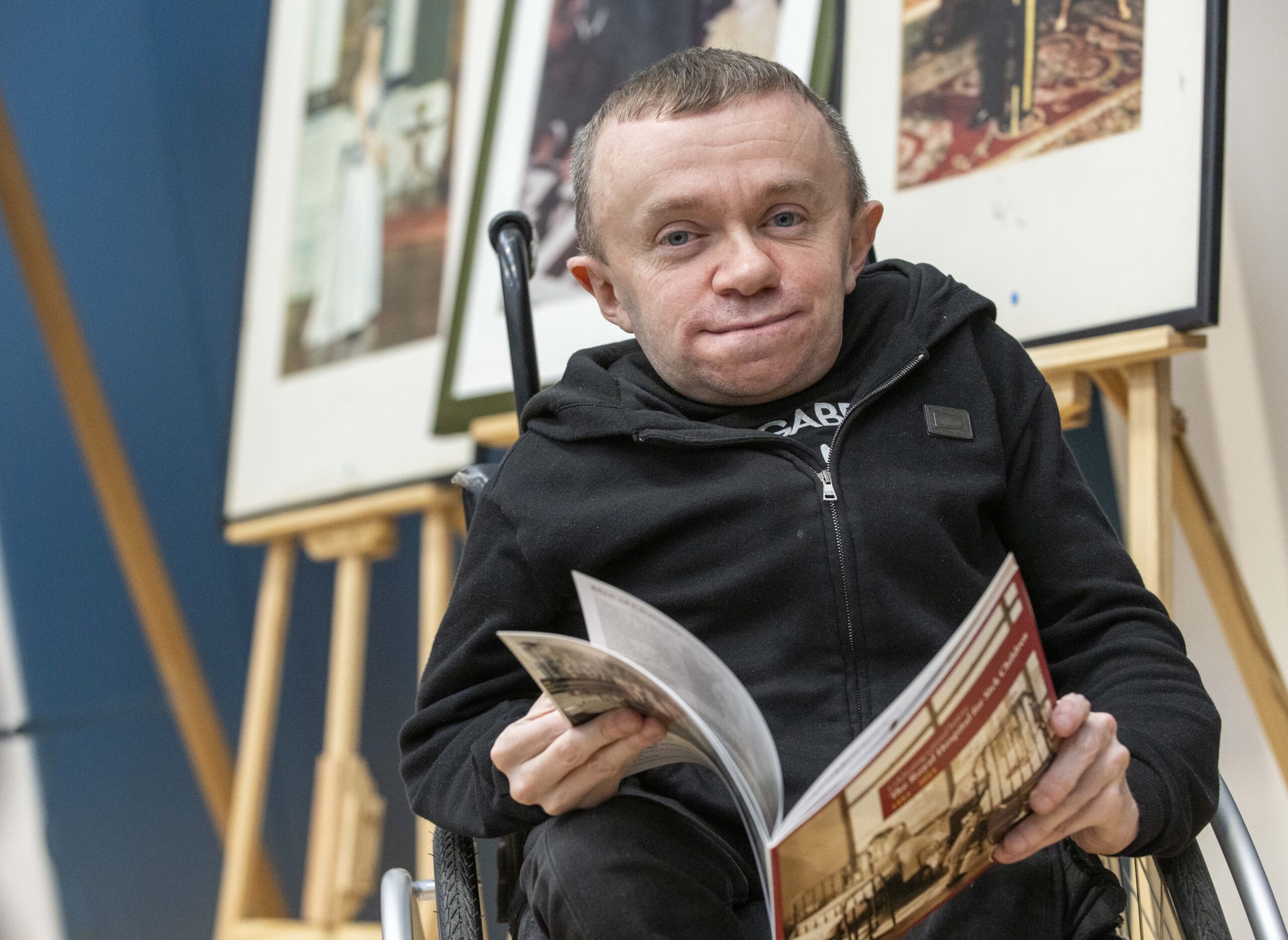
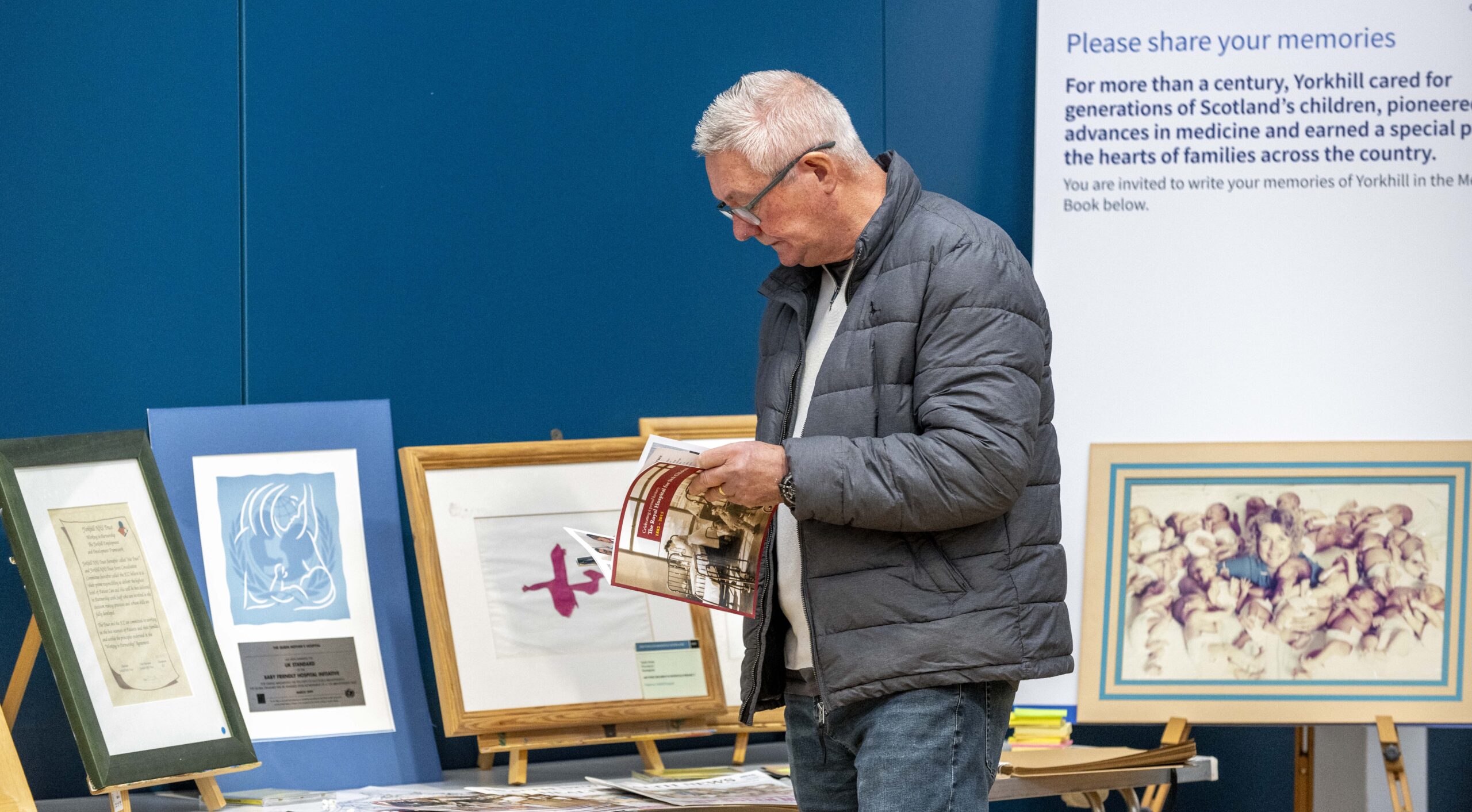
The event formed part of NHSGGC’s work to recognise Yorkhill’s history and its impact on patients, families, staff and the local community. NHS Greater Glasgow and Clyde, Vice Chair, David Gould said:
“As we move forward with the decommissioning of the site, it is important that we recognise Yorkhill’s place in Glasgow’s history and, above all, the generations of patients, families and staff whose experiences have shaped its story.
“It was a privilege and a pleasure to listen to former patients, families, colleagues and members of the community and was also incredibly valuable. The stories we shared were moving, funny and deeply personal, but again and again they came back to the people who provided care.”
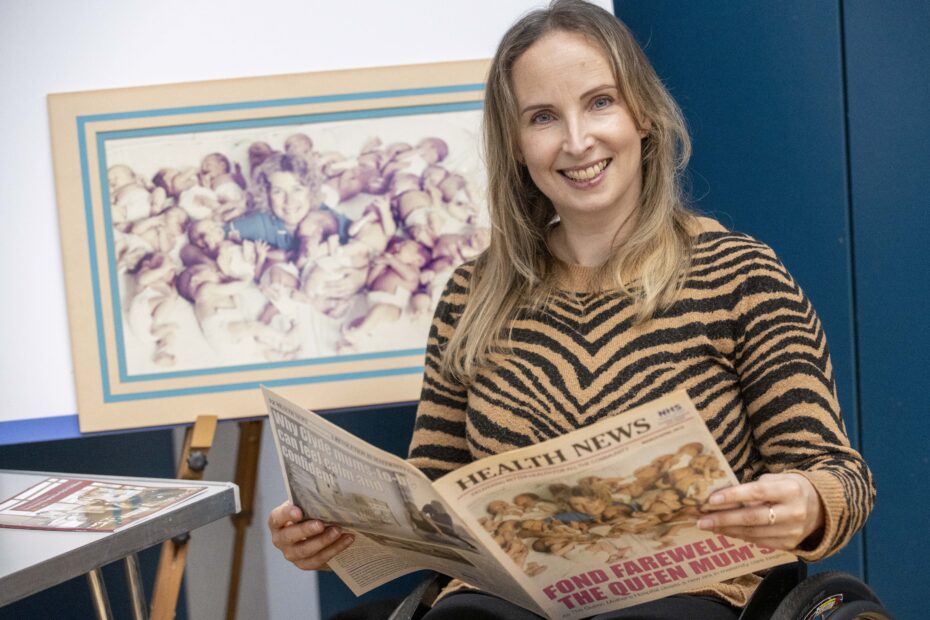
Among those in attendance at the event was Stephanie Muirhead. Stephanie said:
“In many ways, Yorkhill shaped the person I became. In fact, as an adult, I chose to move to Glasgow because I thought that if the people at Yorkhill were that kind, then Glasgow must be a wonderful place to live. Thankfully, I was right.
“Originally from Stranraer, my first trip to Glasgow was because I needed treatment at Yorkhill Hospital.
“In 1989, when I was 10 years old, I had been complaining of back pain and generally feeling unwell. Then one morning, I woke up and could no longer move my legs. I still remember the panic. We didn’t have a telephone at home, so my mum had to run to the nearest payphone to call my gran and tell her what had happened.
“I spent several weeks in Dumfries Infirmary undergoing tests before being transferred to Yorkhill. Within minutes of being assessed, a doctor recognised that something neurological was wrong. Further investigations at the Southern General revealed the cause. It was a tumour that we then found to be cancerous.
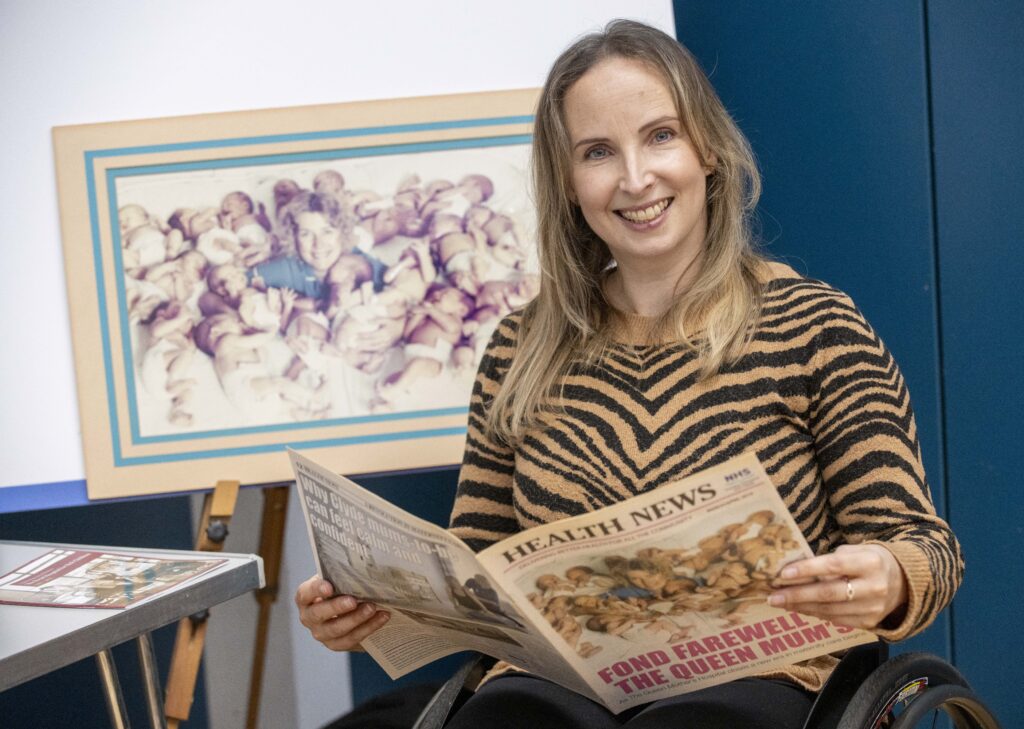
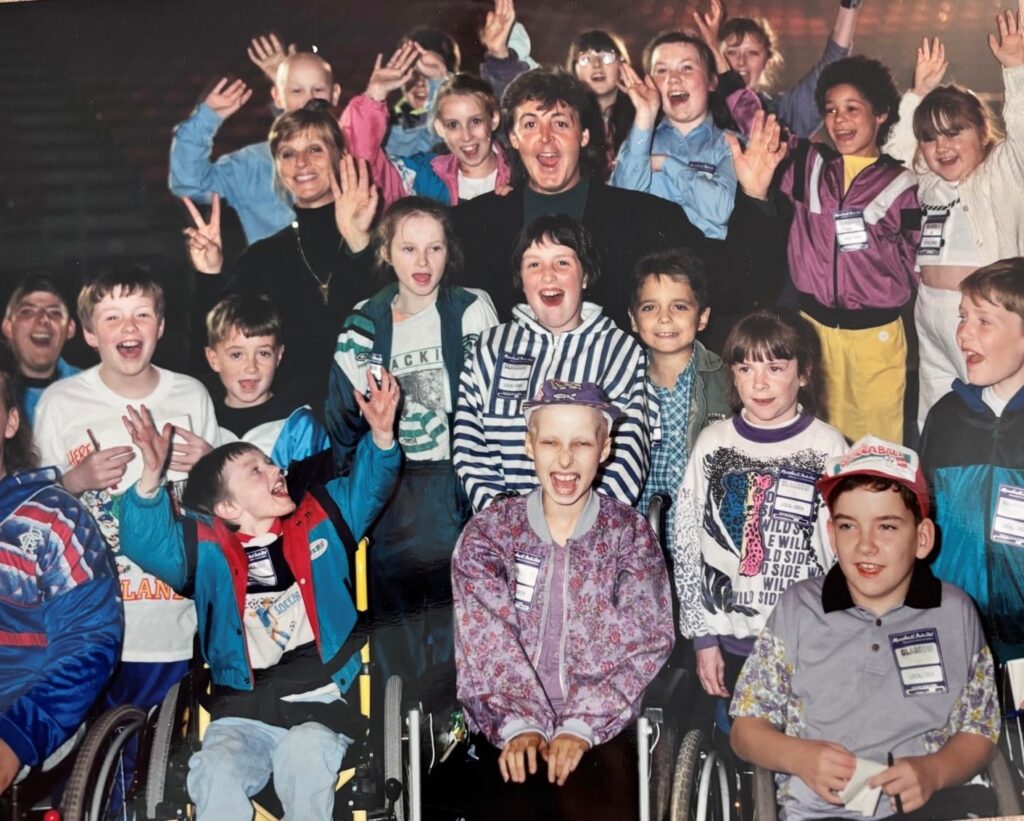
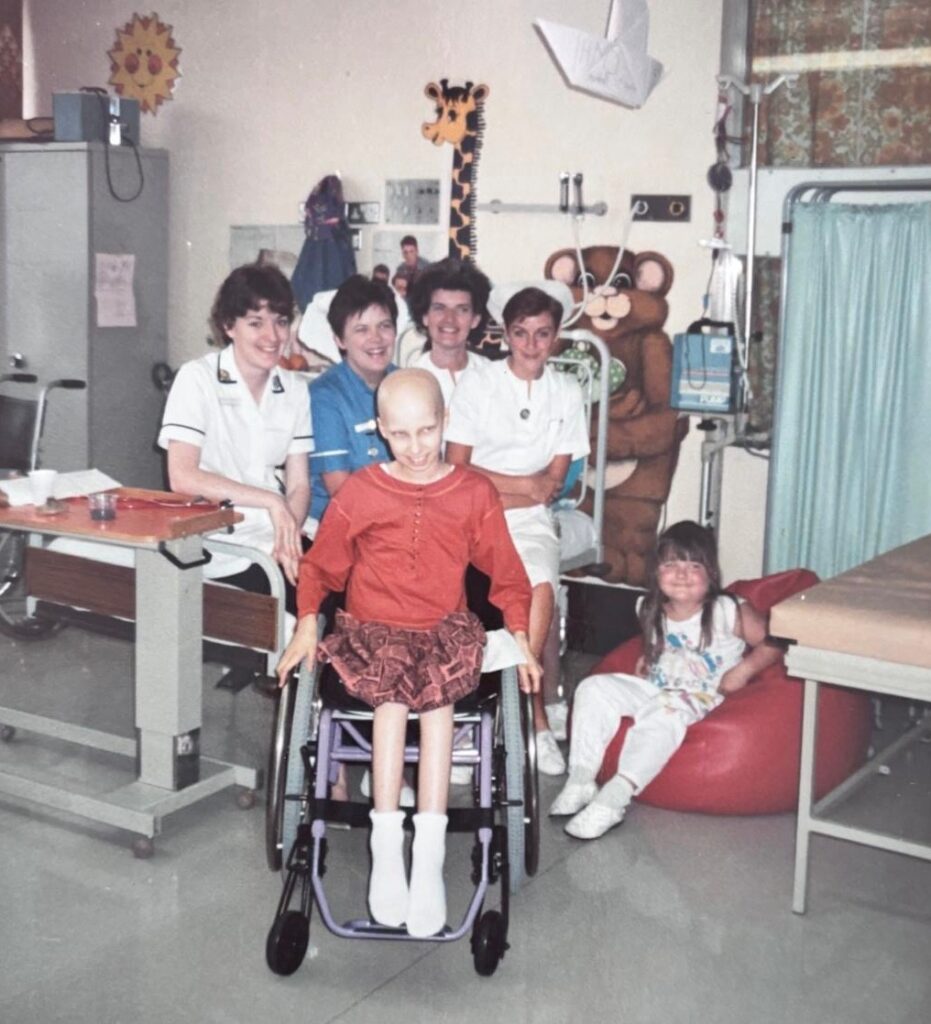
“Following surgery to remove the tumour, I was admitted to Ward 7A, the Schiehallion Unit, at Yorkhill. From November 1989 until July 1990, it became my home.
“One of my first memories of arriving on the ward was noticing that many of the children didn’t have any hair. It wasn’t long before I understood why, and before long I too lost my hair as treatment began.
“While I was recovering from surgery, doctors believed I might be paralysed from the waist down for the rest of my life. One evening, nurses Ann Clark and Gillian Paton noticed slight movement while turning me in bed. Where others might have seen very little, they recognised it. That moment gave me hope and marked the beginning of months of intensive physiotherapy with Sue Ferguson which helped me regain strength and some mobility.
“Another person who played a huge role in my life was Ward Sister Jane Belmore, who remains a close friend to this day. Sadly, my son Andrew was also diagnosed with a brain tumour many years later. Jane was one of the first people I called. I was terrified, but I knew she would understand. Her support meant the world to me.
“Angela Howatt is another nurse who cared for me. Remarkably, many years after my treatment, Angela also cared Andrew at the Royal Hospital for Children. The fact that someone who cared for me as a child was there to care for my son generations later means more than words can express.
“Yorkhill will always hold a special place in my heart. Looking back, it should have been sad and difficult period of my childhood, yet my memories of the hospital are positive. As a 10-year-old, I didn’t fully understand everything that was happening, but I always felt safe. More importantly, Yorkhill gave my parents hope, which I imagine it did for many others too.”
Janice Mitchell shared how her eight-month-old daughter was treated at Yorkhill for serious burns 41 years ago. She said:
“Forty-one years ago, our eight-month-old daughter was playing in her baby walker when she managed to pull a hot kettle down on herself, leaving her with serious burns.
“She was admitted to Yorkhill, where she stayed for a week while the medical teams cared for her. As parents, it was a frightening experience, but what stands out in our memory is the incredible kindness and care we received.
“From the moment we arrived, Yorkhill felt welcoming. Every member of staff made a difference. The cleaners, porters, nurses and doctors all treated us with such care. During a distressing time, they helped us feel supported and reassured, and we have never forgotten it.
“The experience left a lasting impression on our family. I went on to work in public involvement within Glasgow City Health and Social Care Partnership’s mental health services, while our daughter has now worked for NHS Greater Glasgow and Clyde’s Complex Needs Service for the past 20 years.
“More than four decades later, our thanks remain as strong as ever. Yorkhill was a truly special place, and the people who worked there made an extraordinary difference to countless families like ours.”