People across Greater Glasgow and Clyde are being encouraged to know the signs of mouth cancer and get any unusual or persistent changes checked as part of Mouth Cancer Action Month.
NHSGGC is supporting the annual awareness campaign with a simple message: Remove the Doubt, Get Checked Out.
Mouth Cancer Action Month is organised by the Oral Health Foundation and takes place throughout November. It aims to raise awareness of mouth cancer, its risk factors and symptoms, and ultimately save lives through prevention and earlier detection.
More than 11,000 people in the UK are now diagnosed with mouth cancer each year, with an estimated 3,637 people losing their lives to the disease last year.
Early detection and diagnosis can make an enormous difference. Figures published by the Oral Health Foundation suggest that spotting mouth cancer early can increase the chances of survival from around 50% to 90%.
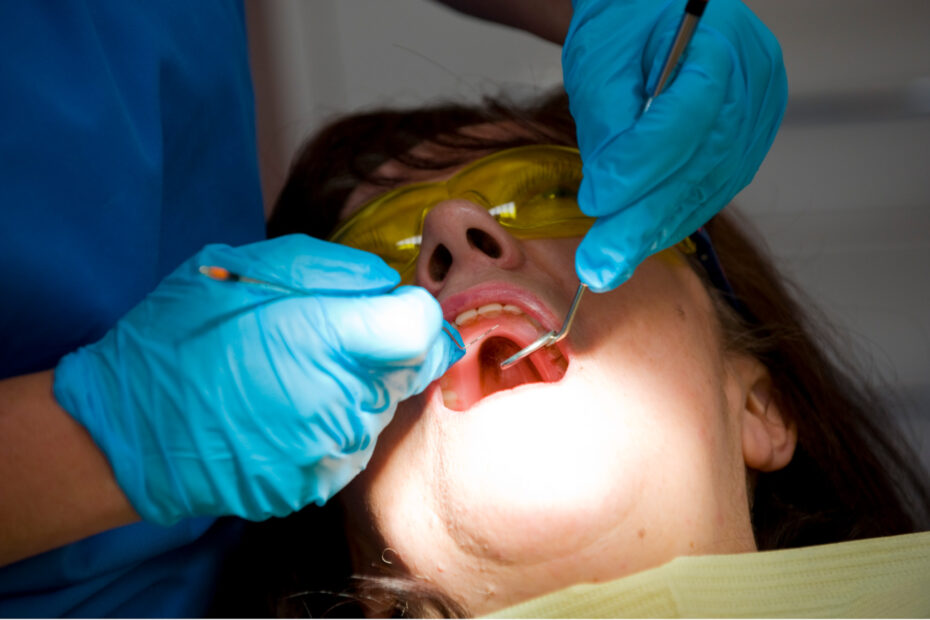
Mouth cancer can affect the lips, tongue, gums, inside of the cheeks, roof or floor of the mouth and throat. While regular dental appointments provide an important opportunity for dental teams to check for signs of the disease, people are also being encouraged to know what is normal for their own mouth and look out for possible warning signs at home.
These can include:
- A mouth ulcer which has not healed after three weeks.
- Red or white patches in the mouth.
- A lump, swelling or unusual thickening in the mouth, lip or neck.
- Persistent pain in the mouth or difficulty swallowing or speaking.
Anyone who notices an unusual or persistent change should not panic or try to diagnose the cause themselves, but should contact their dentist for advice or call NHS 24 on 111.
Michael McGrady, Chief of Dentistry and Consultant in Dental Public Health at NHSGGC, said: “Most changes in the mouth will not be cancer, but the important message is that if something doesn’t look or feel right, or isn’t going away, don’t ignore it. Remove the doubt and get it checked out.
“We want people to become familiar with what’s normal for their own mouth and to know some of the warning signs to look out for. It only takes a couple of minutes to have a check, and if you notice something unusual or something that persists, speak to your dentist.
“Regular dental appointments are also important because your dental team examines much more than your teeth and gums.
“Early detection can make a significant difference, so our message this Mouth Cancer Action Month is simple: know the signs, don’t ignore a change and, if you’re in any doubt, get checked out.”
Some factors can increase the risk of developing mouth cancer, including smoking, chewing tobacco and drinking alcohol. Certain strains of human papillomavirus (HPV), particularly HPV-16, are also associated with cancers affecting the back of the mouth and throat. However, mouth cancer can affect people without obvious risk factors.
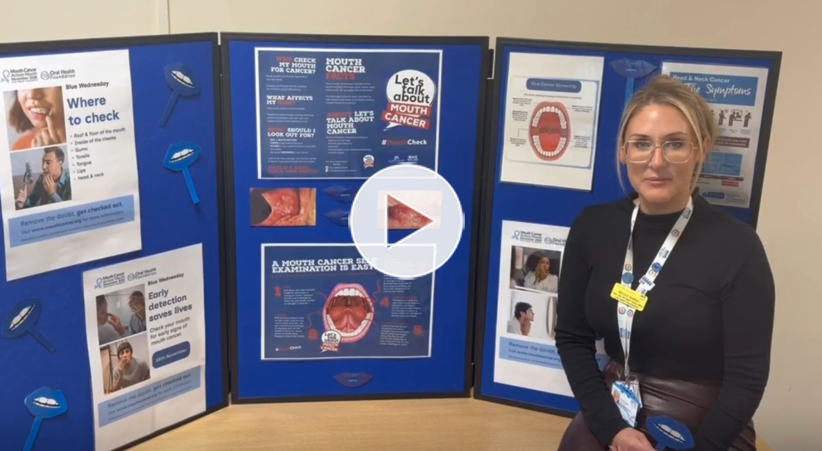
During November, NHSGGC’s Oral Health Improvement Team will be out and about across NHSGGC, speaking to patients and members of the public and sharing advice on keeping their mouths healthy and spotting the early signs of mouth cancer.
For more information about Mouth Cancer Action Month, the signs and symptoms of mouth cancer and how to carry out a simple self-check, visit the Oral Health Foundation’s Mouth Cancer Action Month website.