A pioneering programme first adopted by NHS Greater Glasgow and Clyde (NHSGGC) to help prevent hearing loss in newborn babies has been shortlisted for a national healthcare award.
The neonatal Gentamicin testing programme, which was introduced by NHSGGC and is being rolled out nationally, has been named a finalist in the Acute Sector Innovation of the Year category at the Health Service Journal (HSJ) Awards.
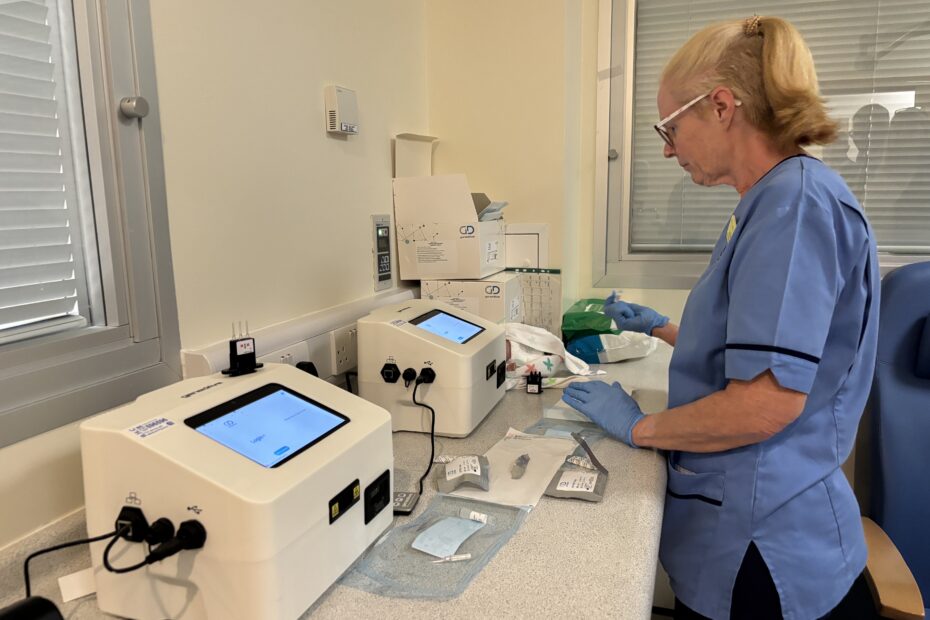
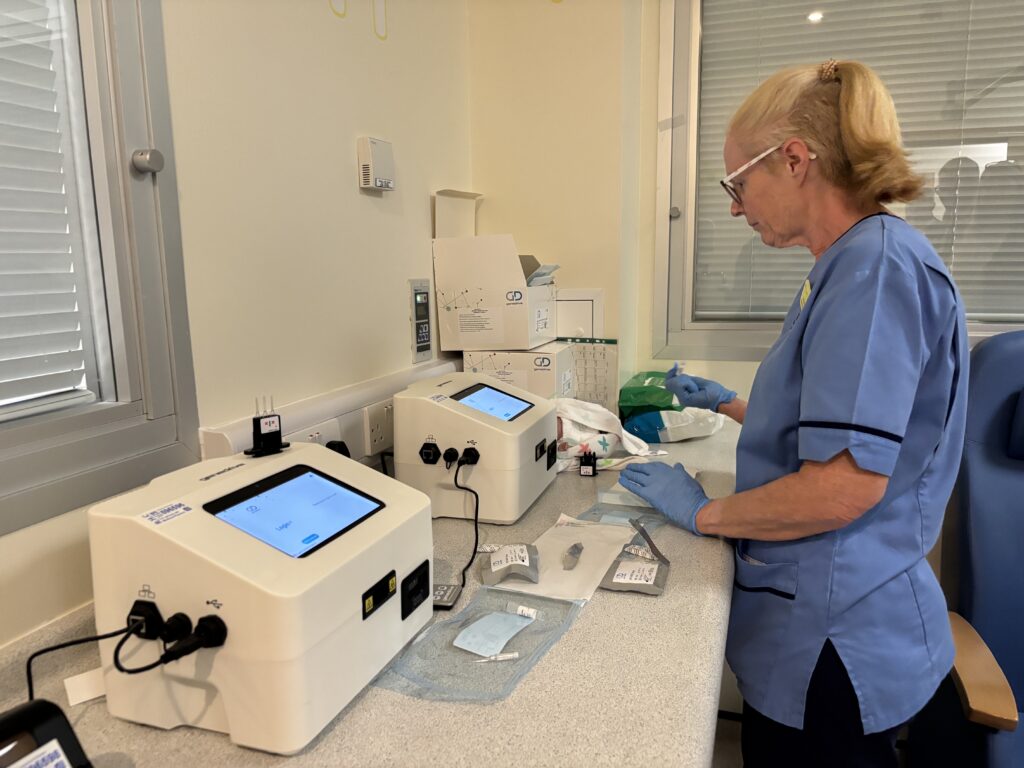
Genetic testing is used for newborn babies who require treatment with the commonly-used antibiotic Gentamicin. The test identifies babies with a rare genetic variant linked to permanent hearing loss – allowing clinicians to prescribe an equally effective alternative antibiotic where required.
The programme was supported by the West of Scotland Innovation Hub (WoSIH), which played a key role in identifying the opportunity and developing the case for adoption.
Work undertaken by the WoSIH and neonatal specialists at the Royal Hospital for Children in Glasgow helped demonstrate the benefits of introducing the technology.
It is being implemented nationally in all 11 Scottish health boards with neonatal units through the Accelerated National Innovation Adoption (ANIA) pathway, which is led by the Centre for Sustainable Delivery (CfSD), hosted by NHS Golden Jubilee.
The initiative is funded by the Scottish Government and is transforming care for newborn babies with suspected infections by enabling clinicians to identify the risk of avoidable hearing loss before treatment begins.
Around 80 to 90 per cent of babies admitted to specialist neonatal care receive Gentamicin, while approximately one in 500 babies carries the rare genetic variant associated with permanent hearing loss following exposure to aminoglycoside antibiotics.
Using a simple cheek swab, clinicians can determine within around 26 minutes whether a baby carries the variant.
If identified, an alternative antibiotic can be prescribed without delaying urgent treatment.
More than 1,300 babies across Scotland have already received the bedside genetic test, with one positive result already leading to an alternative treatment pathway that is likely to have prevented lifelong deafness.
Dr Helen McDevitt, Consultant Neonatologist at NHSGGC and clinical lead for the PALOH-UK study at the Royal Hospital for Children, said: “We are delighted to see this programme recognised through the HSJ Awards.
“This innovation is helping us prevent avoidable harm and deliver more personalised treatment for some of our youngest patients.
“As the first NHS Board in Scotland to implement this pathway, NHSGGC has been proud to work alongside national partners to demonstrate the benefits of this approach and support its rollout across neonatal units throughout Scotland.
“Ultimately, this is about giving babies the safest possible start in life while ensuring they continue to receive urgent treatment when they need it.”
Katie Cuthbertson, National Director at the Centre for Sustainable Delivery, said: “Being shortlisted for an HSJ Award is fantastic recognition of the dedication and expertise of colleagues from across NHS Scotland who have worked together to make this innovation a reality.
“This programme is helping us move from reacting to harm after it happens to preventing it before it occurs.
“A simple bedside test can help protect a child from lifelong hearing loss while ensuring they still receive urgent treatment without delay.
“The impact of hearing loss can extend far beyond childhood, potentially affecting communication, education, wellbeing and quality of life.
“By identifying risk at the point of treatment, we can improve outcomes for babies and families.
“This is a brilliant example of how innovation, collaboration and personalised medicine can improve patient care on a national scale.”
Dr Katriona Brooksbank, Research and Innovation Lead for NHS Greater Glasgow and Clyde and Head of the West of Scotland Innovation Hub, said: “We are incredibly proud to see this programme recognised on a national stage.
“The West of Scotland Innovation Hub worked closely with our neonatal teams at the Royal Hospital for Children to identify the potential of this innovation and build the case for its wider adoption across Scotland.
“The success of this programme demonstrates the value of collaboration between frontline clinicians, innovation specialists and national partners to ensure the best ideas can be adopted at scale for the benefit of patients across Scotland.
“Most importantly, this innovation is helping to prevent avoidable harm and giving babies the best possible start in life, which is exactly the type of impact we strive to achieve through our innovation work.”
The programme is a powerful example of collaboration across NHS Scotland. It was developed in partnership with Public Services Delivery Scotland, Healthcare Improvement Scotland, Public Health Scotland and territorial NHS Boards across Scotland.
Neonatal clinicians, nurses, pharmacists, laboratory scientists, genomics experts, point of care testing teams and implementation specialists worked together to design, test and embed the pathway.
The programme is also helping establish Scotland as a leader in precision medicine. By successfully integrating genomic testing into a time-critical acute care pathway, it has created a model that could support wider adoption of personalised prescribing across the NHS.