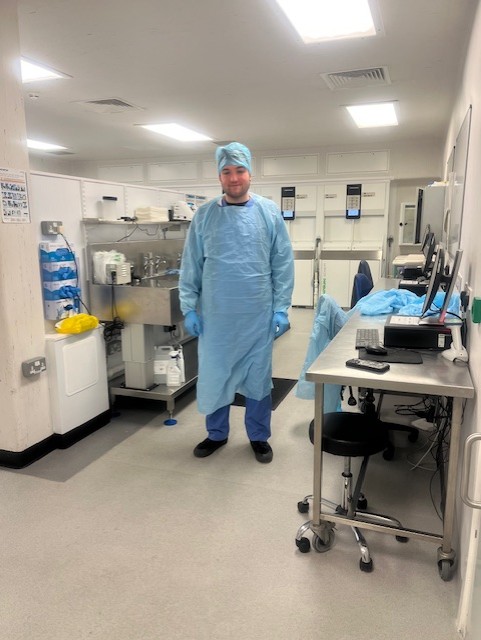
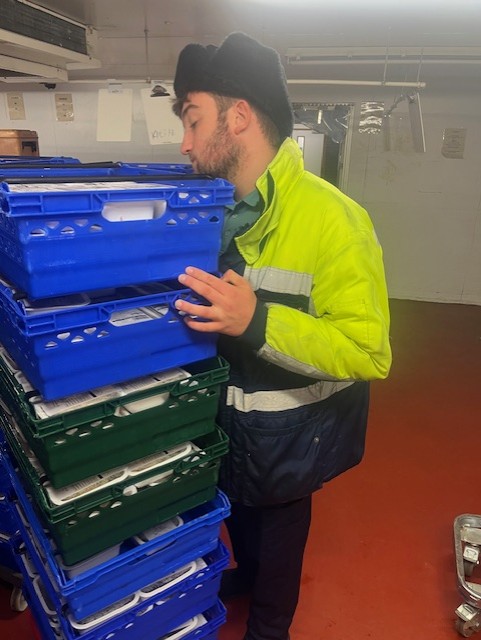
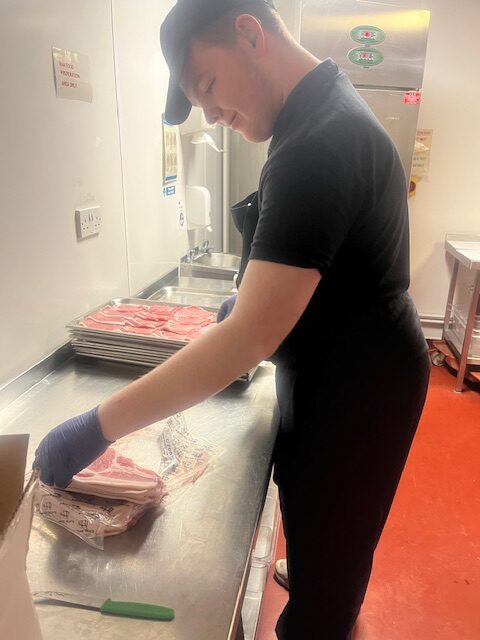
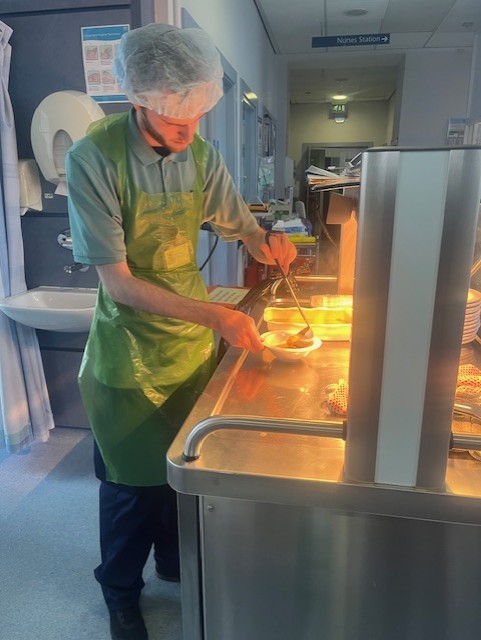
DFN Project Search at Glasgow Royal Infirmary (GRI) continues to transform opportunities for young people aged 18–29 with learning disabilities and autistic spectrum conditions, offering full-time, immersive work experience within a real hospital environment.
NHSGGC provides a base for the programme inside GRI, enabling participants to be fully embedded in day-to-day hospital life.
Angie Black, Service Manager at Glasgow Supported Employment Service for Glasgow City HSCP, describes it as: “DFN is a specially designed full time work experience programme for young people (18–29 years) with learning disabilities and/or autistic spectrum conditions who want paid employment,” with NHSGGC acting as the host business while job coaches from Glasgow City HSCP and a lecturer from Glasgow Clyde College provide daily on site support.
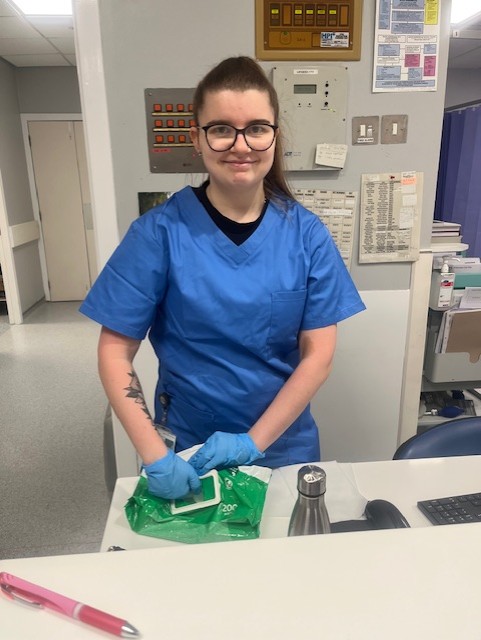
Participants spend their days immersed in real operational areas across the hospital, rather than in a traditional classroom setting.
“The course is different from a typical college course because it is based full time within a real working environment,” she added. “This helps participants pick up relevant work related skills but also become aware of a lot of the unwritten rules about being part of the workforce.”
Interns begin each morning at the Project Search base before heading into their placements, returning at 3pm for employability skills sessions focused on job searching, applications and workplace literacy.
This full time routine helps young people build stamina, resilience and confidence, with families actively involved. “Everyone is pulling in the same direction for each individual participant,” said Angie.
The programme has now expanded into Inverclyde, increasing opportunities for young people across the wider region. This matters because, as Angie notes, “people with learning disabilities remain one of the most excluded groups in today’s labour market. Only 5% of people with a learning disability are in paid employment.”
Expanding the programme gives more young people the chance to gain the experience they need and, crucially, to progress into employment.
For NHSGGC, the programme brings tangible benefits too. Over nearly thirteen years of partnership, DFN Project Search has produced almost seventy NHSGGC employees who first joined the organisation through the programme.
Participants move into roles including portering, domestic services, catering, decontamination and healthcare support, bringing enthusiasm, commitment and fresh perspectives.
The model’s success — with nearly 80% of graduates securing employment — is built on consistent collaboration.
“There is a huge commitment from all partners involved to deliver model fidelity and also to continuous improvement,” said Angie, noting monthly cross partner meetings to monitor progress, share learning and strengthen the programme year on year.
A crucial part of this success comes from NHS staff acting as buddies. They provide daily support, encouragement and guidance, working shoulder to shoulder with interns.
“The buddies are definitely the unsung heroes,” added Angie. “The support they provide participants on a daily basis is invaluable and can be life changing.”
Their involvement not only boosts the intern’s confidence but also enriches teams by strengthening communication, understanding and inclusive practice.
The impact on individuals is powerful and long lasting.
One former intern, Jack O’Rourke, now working for NHSGGC, first learned about DFN Project Search through his brothers, who also completed the programme.
“My first placement was as a patient porter and I did a lot of walking and learned my way round the hospital pretty quick,” he said.
Following his second rotation in the Decontamination Unit, a vacancy became available and Jack applied for the role alongside other candidates.
“I applied for the job the same as everyone else and was lucky enough to be successful at interview.”
For Jack, the programme changed the trajectory of his life. “I felt stronger and more relaxed as I learned the ropes. I am earning a wage, saving up and plan on taking driving lessons and one day getting my own flat.”
He also emphasised that the programme helped him discover roles he didn’t know existed, or hadn’t realised would suit his skills.
Gillian Ayling Whitehouse, Head of HR for the Directorate, said: “DFN Project Search is an outstanding example of how we can open up real opportunity for young people while strengthening our organisation. The commitment and talent that our interns bring enriches our teams, enhances the care we deliver, and shows the very best of what inclusive employment can achieve.
“We are incredibly proud of the partnership behind this programme and the life changing impact it continues to have for interns, their families, and our staff.”
Neil McCallum, North Sector director for NHSGGC, said: “DFN Project Search is a fantastic programme and has made a real difference to many young people over the years, helping them build confidence, skills and a genuine route into employment.
“We are proud to support it at Glasgow Royal, not only because of the life changing impact it has for participants, but because the interns bring real value to our services and teams.”
With recruitment underway for the fourteenth cohort, DFN Project Search continues to encourage applications from young people who meet the criteria.
Applicants must live within the Glasgow City Council boundary (or Inverclyde boundary for the Inverclyde site), be aged 18–29, have a learning disability and/or autistic spectrum condition, be able to travel independently, and want paid employment.
Anyone interested in finding out more about DFN Project Search, or about how to apply, can contact the team at supportedemployment@glasgow.gov.uk.
For anyone who feels unsure, the message from both the team and graduates is simple: it’s okay to have questions. Getting in touch is the best first step to finding out more about the programme and whether it’s right for you.
As Jack adds: “Keep at it and focus on your own progress — you might be surprised at how much you can achieve.”