NHS Greater Glasgow and Clyde (NHSGGC) is encouraging people to feel confident having open conversations about their health, including the medicines they take.
As part of its commitment to Realistic Medicine, NHSGGC is asking patients, families and carers to speak to healthcare professionals about whether their medicines are still the right choice for them.
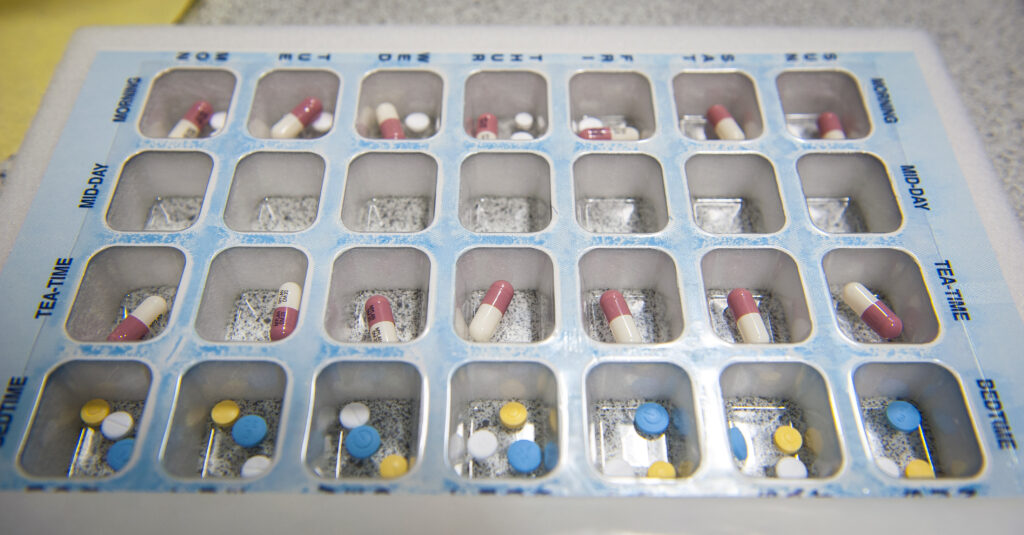
Many people take medicines for long periods of time, sometimes for conditions that have changed or improved. Others may be taking several medicines at once. While medicines can be life‑saving and essential, there are times when a medicine may no longer be needed, may not be helping as expected, or may be causing unwanted side effects.
This is where deprescribing comes in.
Deprescribing is the planned and supervised process of reducing or stopping medicines that may no longer be providing benefit, or where the potential risks outweigh the benefits. It is always done safely, with support from a healthcare professional such as a GP, pharmacist or nurse, and should never be done without advice.
Anne Thomson, NHSGGC Lead Pharmacist, Clinical Services, said:
“Medicines play a vital role in treating and preventing illness, but they should always be reviewed to make sure they are still right for the person taking them. Reviewing medicines involves having open, informed conversations and making shared decisions that reflect someone’s current health, priorities and circumstances. It should always be done carefully and with professional support, never on your own.”
Asking questions about medicines is an important part of shared decision making, where patients and healthcare professionals work together to decide what care is right for the individual, based on what matters most to them.
When a medicine is being started or reviewed people may wish to ask:
- What is this medicine for?
- What are the benefits for me now?
- Are there any risks or side effects?
- Are there alternatives?
- What might happen if I reduce or stop it?
These conversations can take place at any appointment, including with a GP, practice nurse, pharmacist, hospital doctor or other healthcare professional.
Pharmacists across NHSGGC play a key role in supporting people to understand their medicines, reduce waste and ensure medicines are being used safely and effectively. This includes helping people review repeat prescriptions and safely return unused medicines.
Reducing unnecessary medicines not only supports better health outcomes, but also helps cut medicines waste, ensuring NHS resources are used where they can make the biggest difference.
Deprescribing is not about “taking medicines away”. It is about making sure each medicine is right for the person taking it, at the right time in their life.
As part of Realistic Medicine, NHSGGC is committed to listening to patients, valuing their experiences, and supporting informed choices about care and treatment.
Anyone with questions about their medicines is encouraged to ask. There is no such thing as a silly question when it comes to health.
It’s OK to ask.
For more information about Realistic Medicine, medicines waste, and how to get involved in shaping NHS services, visit:
- nhsggc.scot/your-health/right-care-right-place/pharmacy/medicines-waste
- nhsggc.scot/contact-us/get-involved