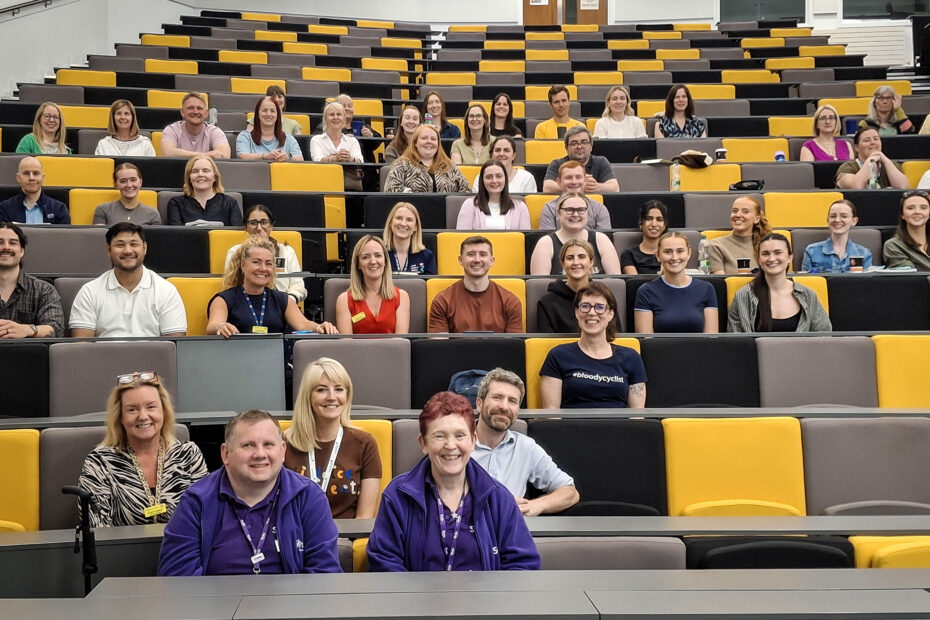
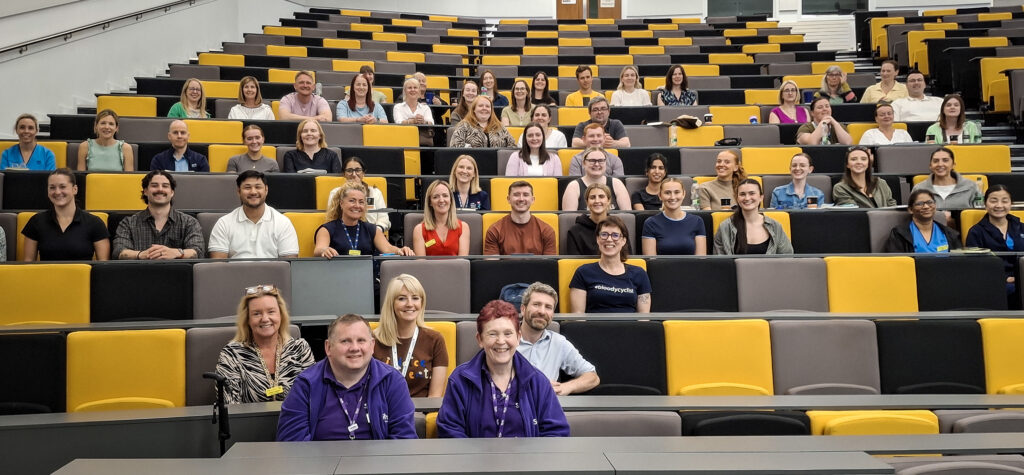
Staff from across NHS Greater Glasgow and Clyde gathered at the Queen Elizabeth University Hospital this week for the health board’s annual Stroke Best Practice Day, bringing a wide range of expertise together to share learning and strengthen care for patients.
Now in its third year, the event – chaired by AHP Stroke Consultant Gillian Capriotti and Interim Chief Nurse Lynsay Creighton – was designed to bring together the full stroke workforce, including healthcare support workers, allied health professionals, nurses, doctors and clinical fellows.
Around 100 delegate places were made available for the day at the Teaching and Learning Centre, with strong interest reflecting the importance of ongoing learning and collaboration across stroke services.
Gillian Capriotti said: “This event is about bringing our whole stroke workforce together – giving people the time and space to learn from each other, share ideas and hear about the latest developments in care. We know there are areas where staff want more training and support, and days like this help us focus on those priorities while strengthening the connections across our teams.”
The programme combined expert insight, practical learning and lived experience, with speakers from across NHSGGC and beyond sharing developments in clinical practice, research and rehabilitation.
Professor Keith Muir, Consultant Neurologist at the QEUH and SINAPSE Professor of Clinical Imaging, provided an overview of hyperacute stroke treatments, while Professor Terry Quinn, David Cargill Chair and Honorary Consultant Physician in Geriatric and Stroke Medicine at Glasgow Royal Infirmary, explored the growing importance of frailty in stroke care.
A number of sessions focused on areas identified as priorities for staff training, including a presentation on sexuality and intimacy after stroke, delivered by Jo Stevens, and a session on childhood stroke, highlighting the experiences of younger patients and their families.
The voices of people with lived experience were a central part of the day. Nancy McStravick shared her personal journey of supporting a child who experienced stroke in infancy, offering valuable insight into navigating services from early childhood through to adulthood. Andy Wilson, a stroke survivor and volunteer ambassador with Different Strokes, also spoke about his own experience.
Gillian Capriotti added: “Hearing directly from people with lived experience is such an important part of the day. It helps ground everything we do in what really matters to patients and families, and reminds us of the difference our care can make at every stage of recovery.”
Delegates also heard about local quality improvement work taking place across NHSGGC, including innovative approaches to rehabilitation. This included the use of assistance dogs in stroke recovery through the ‘Dogs for Good’ programme, and the development of an upper limb therapy class at Stobhill Hospital.
As well as clinical sessions, the event provided an opportunity for staff to connect with key partners, with Chest, Heart and Stroke Scotland, the Stroke Association and Different Strokes all taking part, offering advice, support and information throughout the day.
By bringing together clinical expertise, research, innovation and lived experience, the Stroke Best Practice Day continues to support staff to learn from one another and build on the high standard of stroke care delivered across NHS Greater Glasgow and Clyde.
Lynsay Creighton added: “I’d like to take the opportunity to thank everyone who contributed to making the day such a success – from our speakers and partners to all those who helped organise and support the event.
“It’s only through that shared commitment and willingness to work together that we can continue to improve care and outcomes for people affected by stroke.”